From Vinyl Companion to Streetwear Canon: The Enduring Legacy of KAWS

March 13, 2026

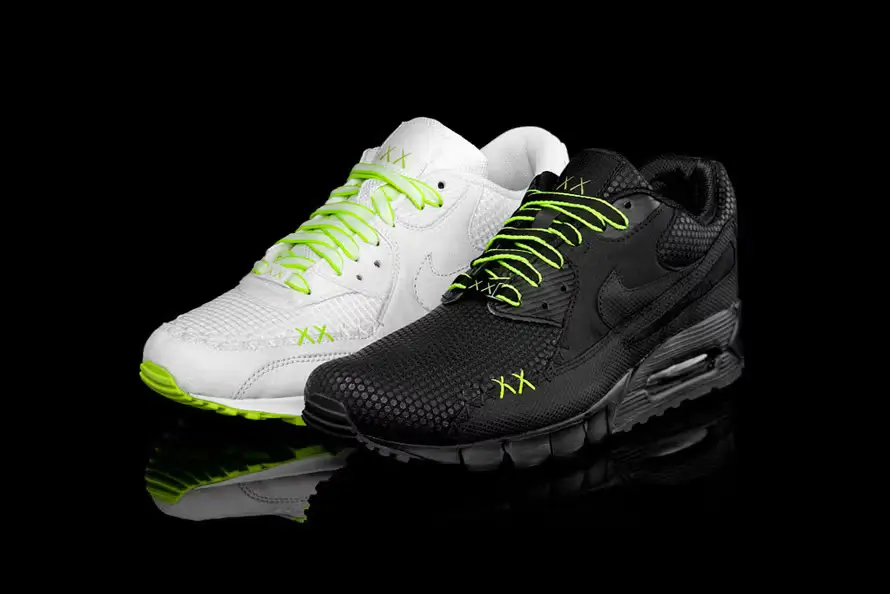
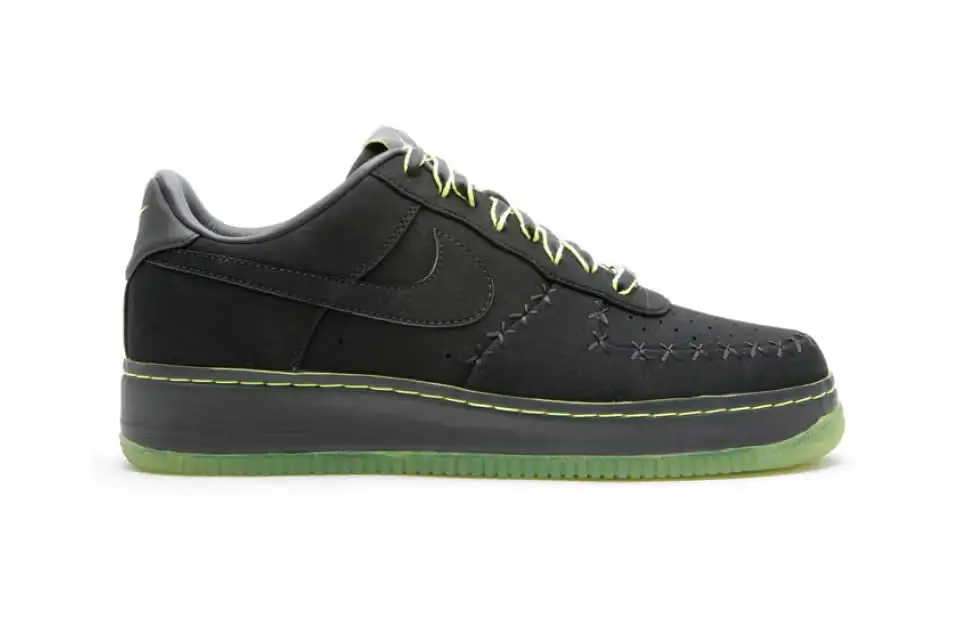
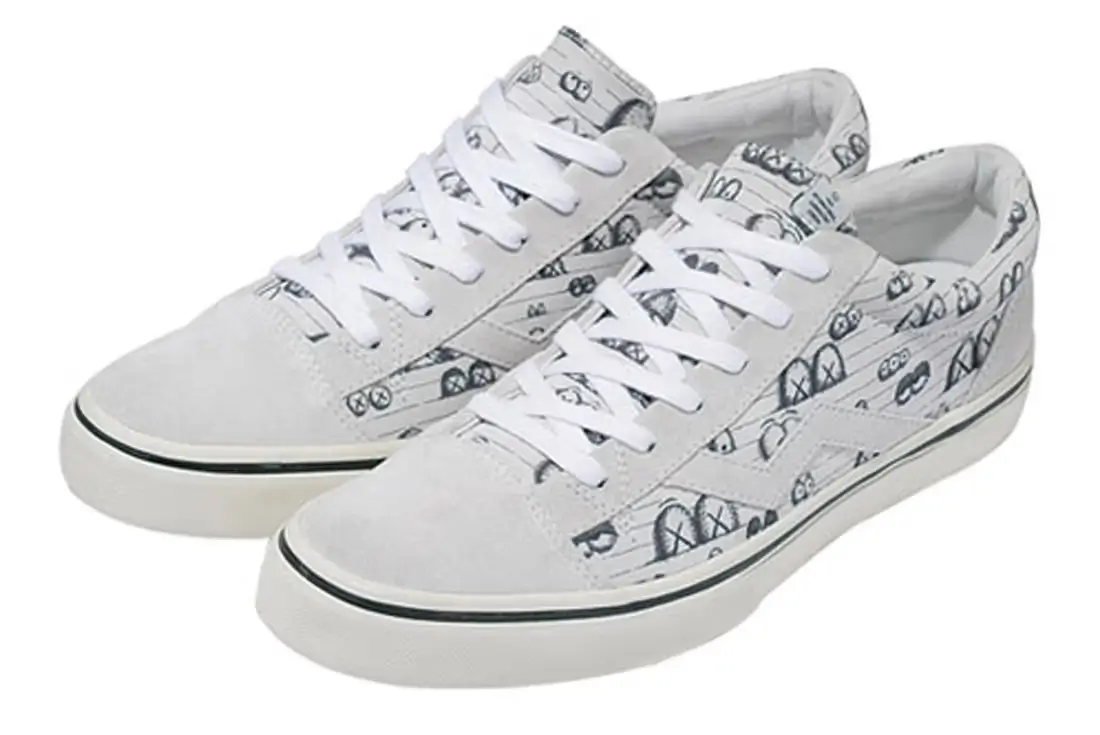
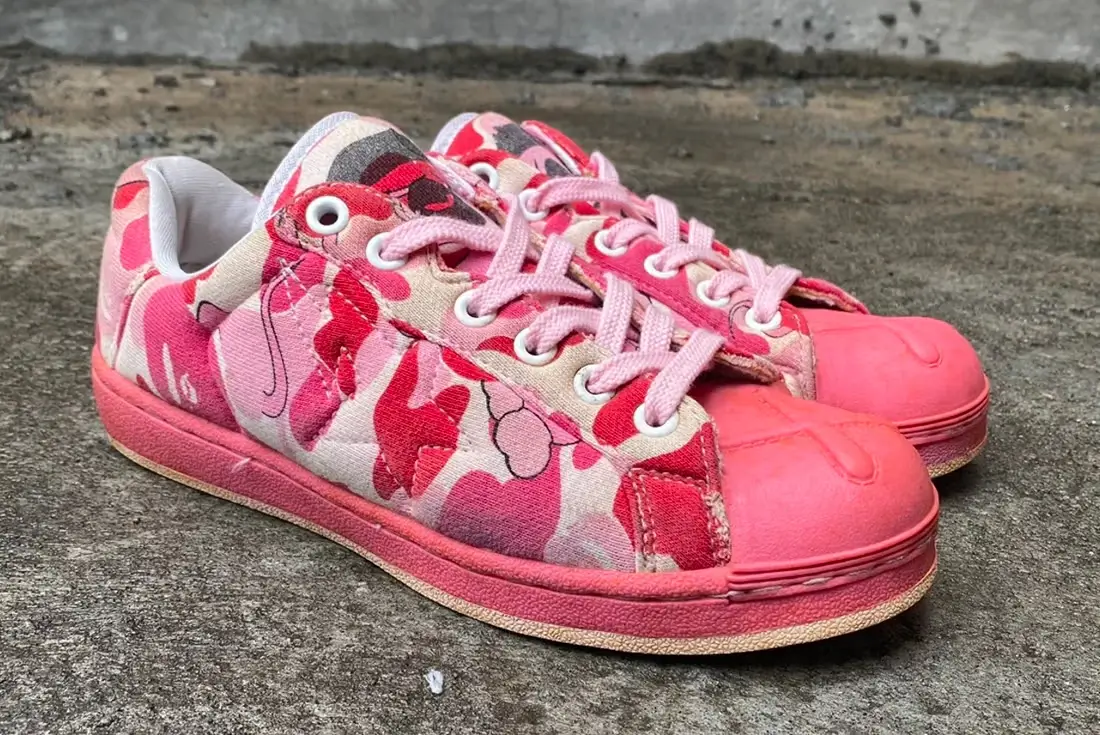
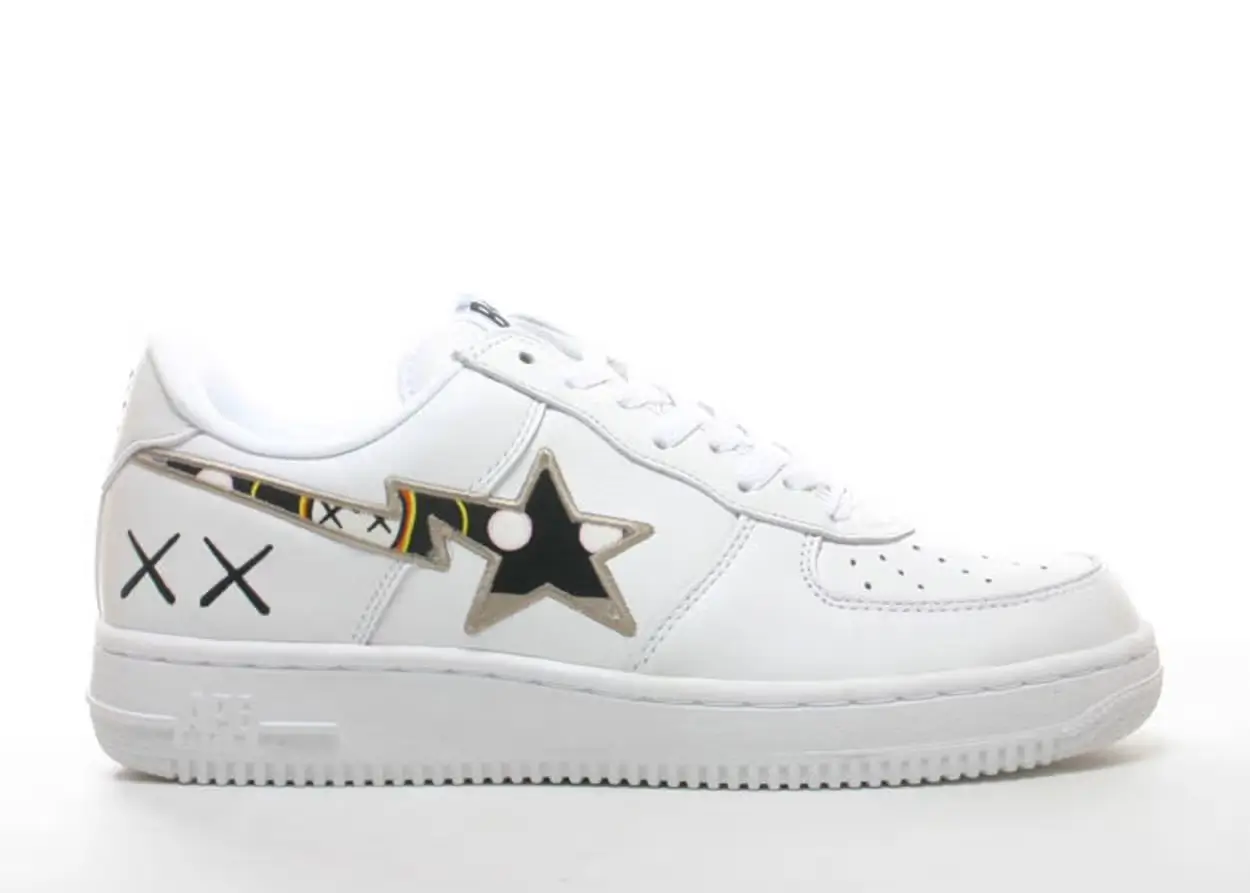
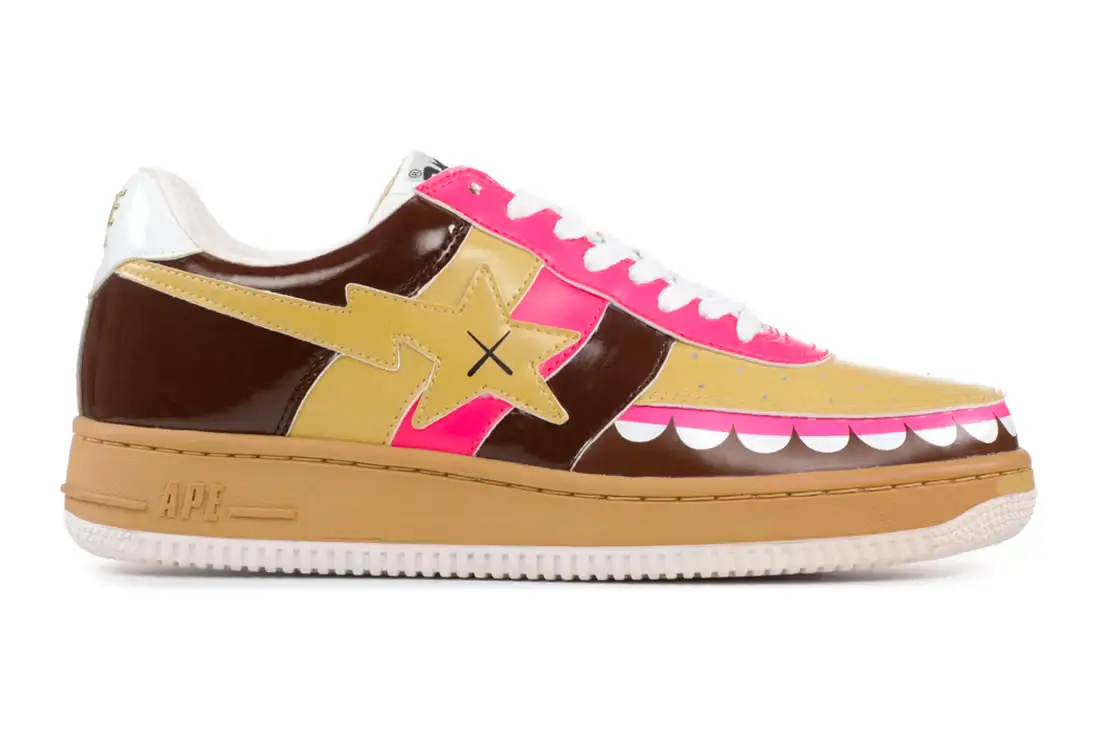

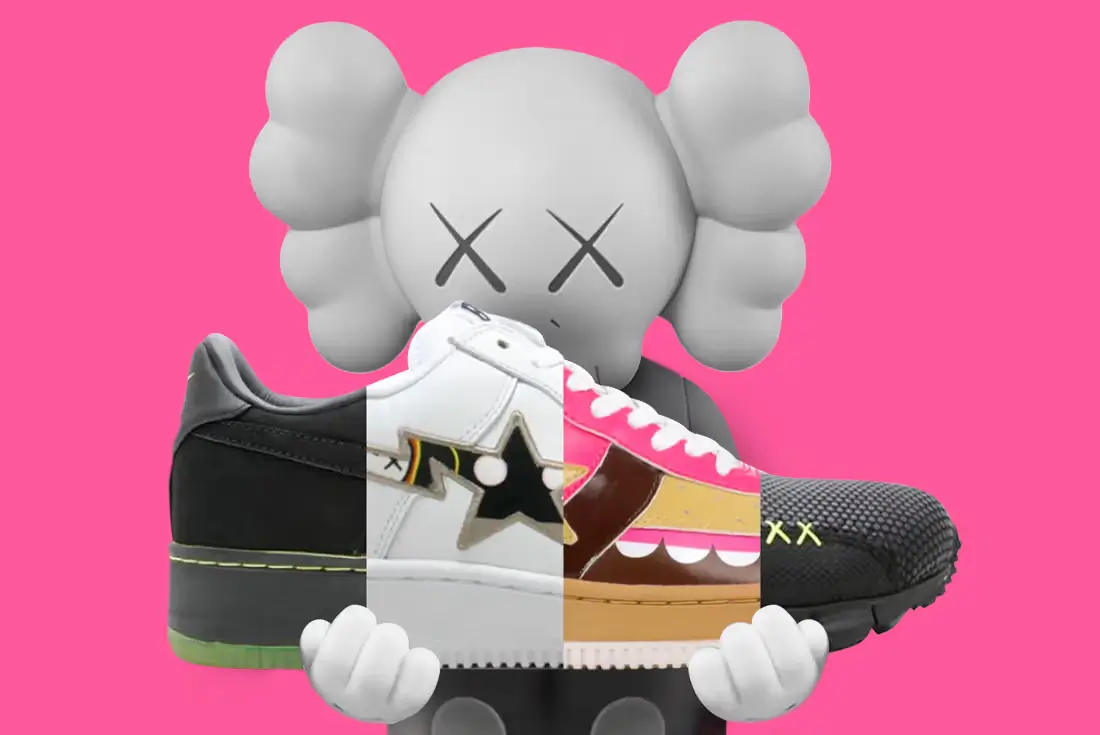
Few contemporary artists have shaped the visual language of street culture quite like Brian Donnelly, better known by the moniker KAWS. Emerging from New York’s graffiti underground in the 1990s, KAWS first gained attention by altering bus stop advertisements and billboards, inserting his now-famous “XX” eyes and cartoon reinterpretations into mainstream imagery. What began as guerrilla art quickly evolved into a global design language.
KAWS’s trajectory—from graffiti artist to international fine-art figure—has always been inseparable from objects. Vinyl toys, sculptures, and graphic prints carried his signature aesthetic into the homes of collectors worldwide. Among these objects, however, one category stands apart for its cultural resonance: sneakers.
Shoes offered KAWS a canvas where art, fashion, and street culture collide. Unlike gallery works that sit behind glass, shoes exist in motion. They are worn, scuffed, photographed, and circulated through everyday life. When KAWS entered the shoe space, he brought with him an artistic vocabulary already recognized across fashion, music, and contemporary art circles.
Over time, a small but influential series of footwear collaborations transformed from niche collector pieces into modern classics.
View this post on Instagram
stir
If there is one shoe that defines KAWS’s influence on footwear culture, it is the legendary partnership with Jordan Brand. Released in 2017, the KAWS x Air Jordan 4 immediately became one of the most coveted sneakers of the decade.
The shoe took the iconic silhouette originally designed by Tinker Hatfield and reimagined it with museum-level attention to detail. Instead of leather or mesh, the shoe arrived wrapped in premium grey suede embossed with subtle KAWS graphics. Hands, skulls, and abstract forms appeared across the upper, barely visible unless examined closely.
The glow-in-the-dark outsole introduced another layer of visual storytelling. When lights dimmed, the sole illuminated KAWS’s signature “XX” motif, turning the sneaker into a piece of wearable sculpture.
What made the converge remarkable was its restraint. Rather than saturating the shoe with obvious branding, the design relied on texture and subtle symbolism. This approach mirrored KAWS’s fine-art practice, where repetition and reinterpretation of familiar motifs build meaning over time.
The result was a shoe that felt less like merchandise and more like a limited-edition artwork.
flow
Before the Air Jordan moment, KAWS had already experimented with footwear through his label OriginalFake. Founded in partnership with Japanese toy company Medicom Toy, OriginalFake served as the primary outlet for KAWS’s early apparel and accessories.
The shoe produced during this era were not global mass releases. Instead, they were limited items tied to the brand’s Tokyo store, reinforcing the sense of exclusivity surrounding KAWS’s work at the time.
These shoes often incorporated visual references to KAWS’s most famous character, Companion. The skeletal figure with crossed-out eyes became one of the most recognizable characters in contemporary art. On footwear, Companion graphics appeared through stitched motifs, graphic prints, and sculptural details.
This era reflected a moment when artist-designed sneakers were still emerging. Today partners between artists and footwear brands are commonplace, but in the early 2000s they were rare. OriginalFake shoes helped establish the blueprint for artist-driven footwear storytelling.
rare
If the grey Air Jordan 4 made headlines, the black “Friends and Family” version elevated the collab into footwear mythology.
This edition was never widely released to the public. Instead, pairs circulated among connectors friends, and select insiders. Like many “friends and family” shoes, its scarcity amplified its cultural presence.
The black suede upper created a darker, more dramatic interpretation of the design. The embossed graphics became slightly more visible against the deep tone, while the glowing outsole remained intact.
Within shoe collecting circles, the black KAWS Jordan 4 represents a recurring theme: the tension between art object and commodity. While the original grey pair was already limited, the friends-and-family edition pushed exclusivity to another level.
In doing so, it reinforced a perception that KAWS shoes were not merely footwear but artifacts of contemporary street culture.
impression
KAWS’s influence on shoe culture extends beyond individual releases. His flow helped redefine what an artist partnership could look like.
Prior to these projects, shoe mixes often focused on colorways or celebrity endorsements. KAWS introduced a different approach—one rooted in visual storytelling and artistic identity. His designs carried the same motifs seen in paintings, sculptures, and toys, creating a coherent universe across mediums.
This cross-disciplinary consistency made KAWS one of the first artists whose work translated seamlessly between galleries and streetwear. Shoes became another chapter in the same creative narrative.
The success of these releases also encouraged brands to blend with artists more seriously. Over the past decade, partnerships between footwear companies and contemporary artists have multiplied, ranging from experimental concepts to museum-backed projects.
mundane
Today, the most celebrated KAWS shoes exist in a strange cultural space. They are worn, photographed, archived, and resold like rare collectibles. Some remain untouched in climate-controlled storage, while others appear on the streets during fashion weeks or art fairs.
This dual identity reflects the larger trajectory of sneaker culture itself. Once viewed purely as sports equipment, sneakers now occupy the territory of design objects and cultural artifacts.
KAWS’s footwear collaborations capture that transformation perfectly. They sit at the intersection of art, fashion, and street culture—three worlds that increasingly overlap.
More importantly, they demonstrate how an artist’s language can migrate across mediums without losing its meaning. Whether appearing on a monumental sculpture, a vinyl Companion figure, or the side panel of a shoe, KAWS’s crossed-out eyes continue to symbolize a distinct visual voice.
show
Part of what keeps KAWS shoes relevant years after their release is their refusal to follow short-lived trends. Instead of relying on loud graphics or novelty features, they lean on craftsmanship and subtle symbolism.
The suede textures, embossed imagery, and glowing outsoles create layers of detail that reveal themselves slowly over time. Like many great artworks, the design rewards closer inspection.
Collectors recognize this quality. Even as footwear culture cycles through new silhouettes and hype-driven releases, the KAWS Air Jordan 4 remains a reference point for what a meaningful partner can achieve.
It represents a moment when an artist’s vision aligned uniquely with shoe design.
fin
Looking back, the journey from altered billboards to iconic shoes feels almost inevitable. KAWS built his career by infiltrating familiar spaces—advertising, toys, fashion—and rewriting their visual language.
Shoes simply became another surface for that exploration.
Today those surfaces carry the marks of a broader cultural shift. The once-clear boundaries between art, design, and fashion have blurred, and creators like KAWS stand at the center of that transformation.
From Companion figures to coveted footwear, the story of KAWS shoes reflects a larger narrative about how objects gain meaning in contemporary culture. They are reminders that even something as ordinary as a pair of shoes can evolve into a lasting piece of cultural history.

No comments yet.