Ritchie Valens, Remembered Through Film: Inside the Making of La Bamba – Biopic

April 6, 2026
38 minutes ago

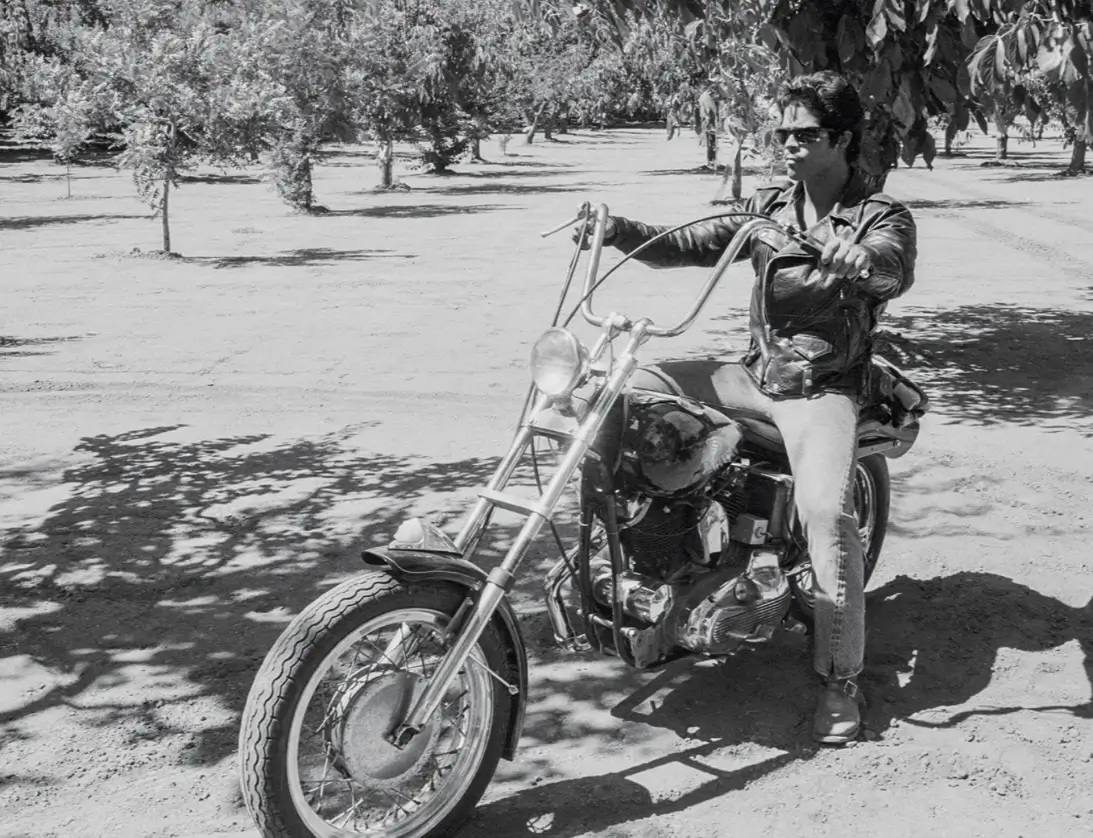
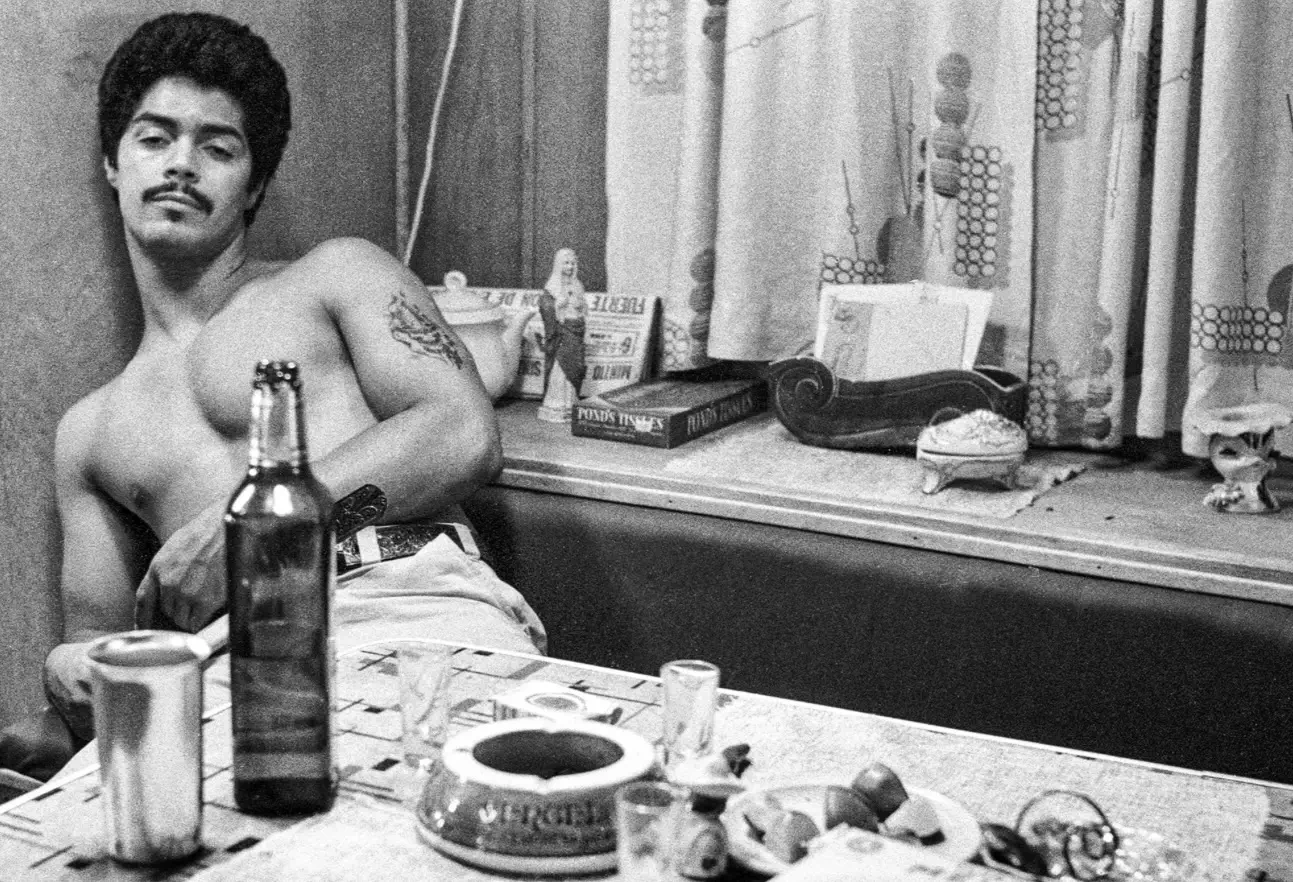
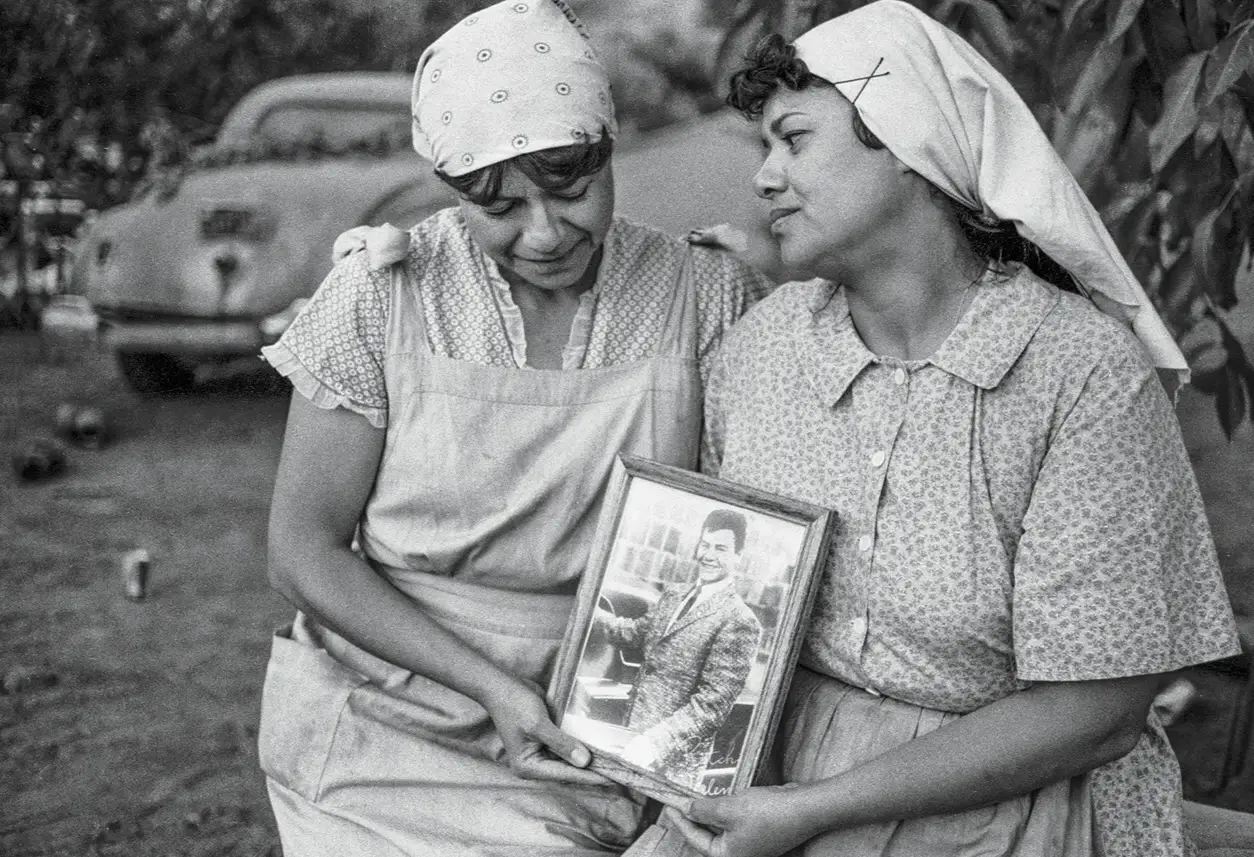
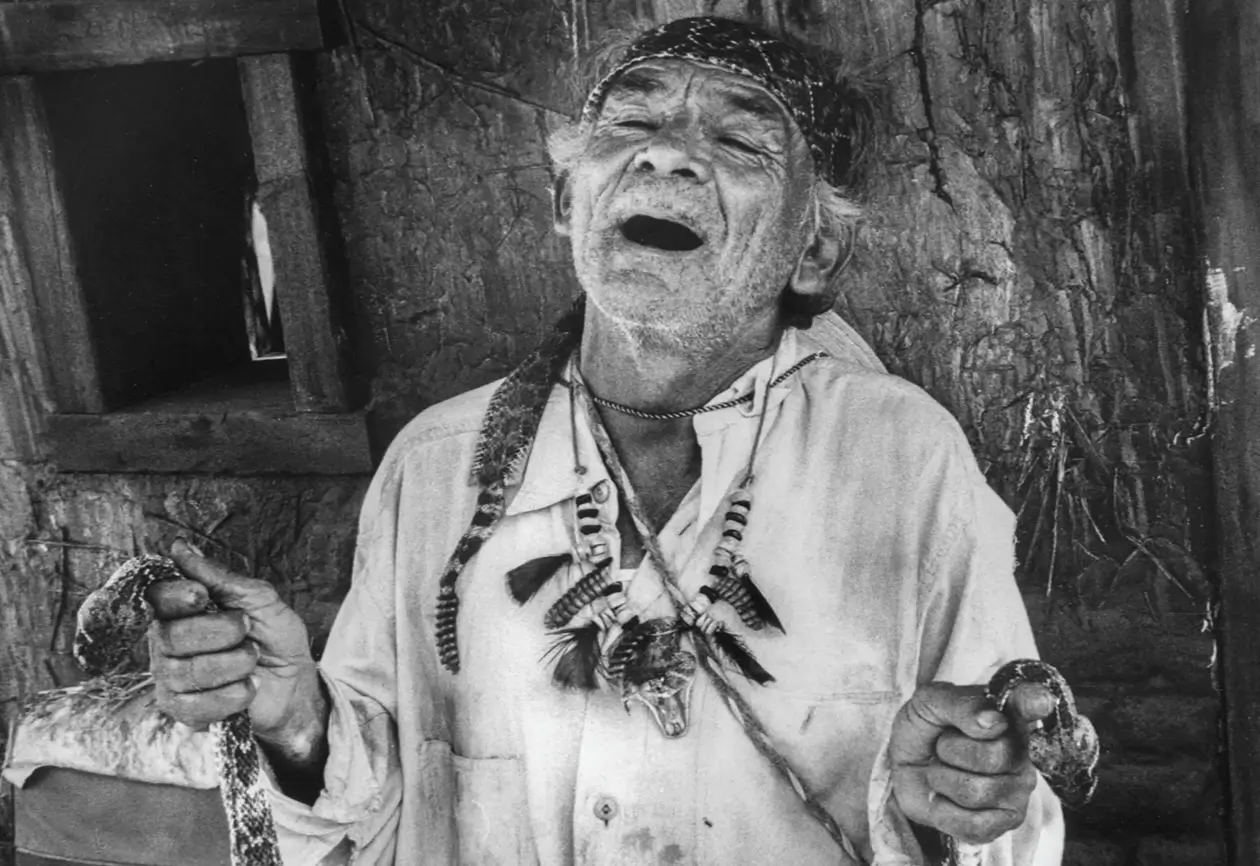
(the reconstruction of a life that ended too early)
There is something inherently fragile about attempting to rebuild a life that never had the chance to fully unfold. In the case of Ritchie Valens, the project becomes even more delicate: a figure suspended between cultural breakthrough and abrupt disappearance, between myth and documentation. When La Bamba entered production in the mid-1980s, it wasn’t simply another music biopic. It was a corrective gesture—an attempt to restore narrative weight to a Latino pioneer whose story had been historically compressed into a footnote: a teenager, a plane crash, a handful of songs.
Directed by Luis Valdez, the film approached Valens not as an artifact of nostalgia, but as an unresolved presence. The set itself became a kind of threshold space—part recreation, part ritual—where history was not just depicted but negotiated. What unfolded during production was less about performance in the traditional sense and more about cultural retrieval.
View this post on Instagram
ritchie
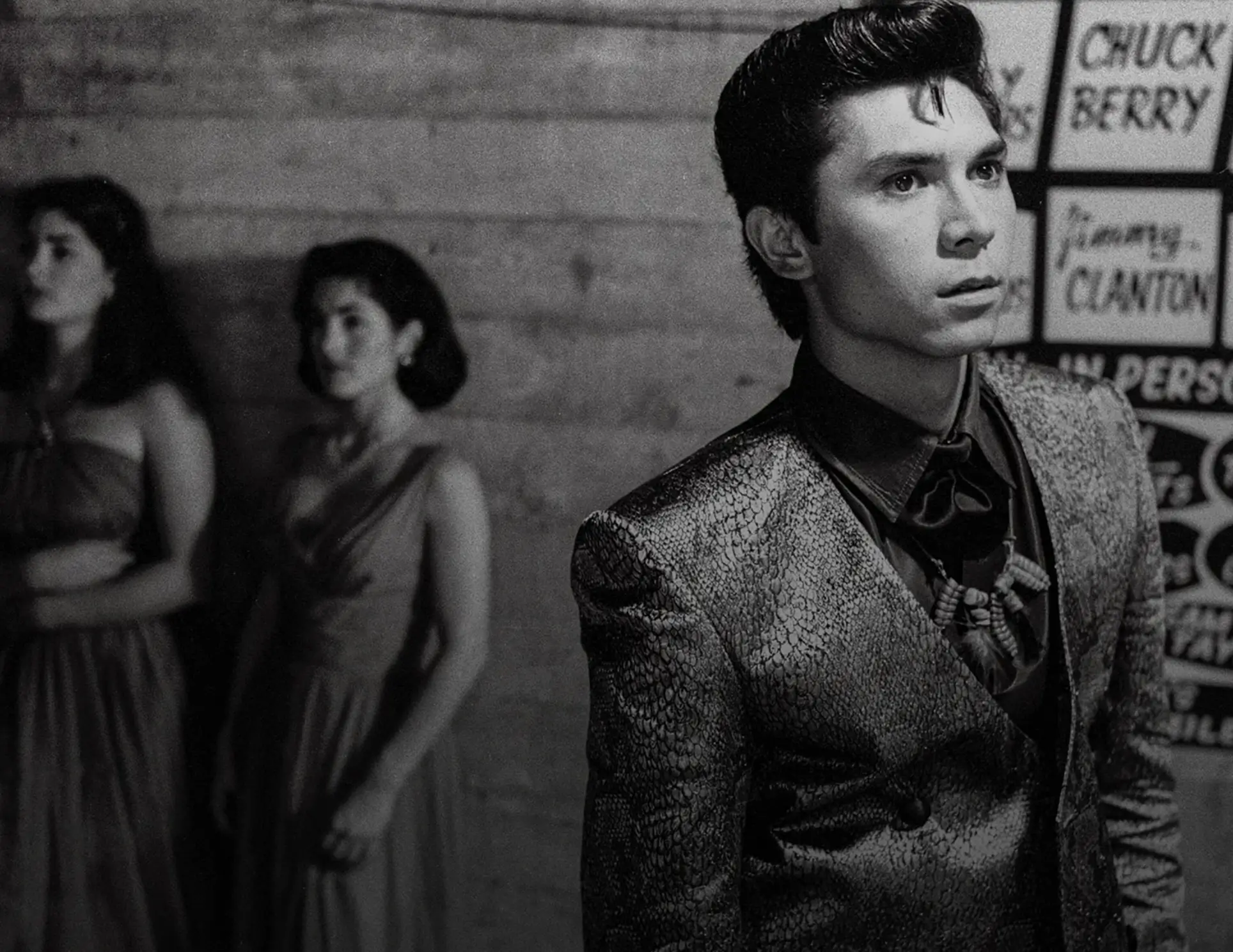
At the center of this reconstruction stood Lou Diamond Phillips, whose casting marked a turning point not just for his own career, but for the representation of Latino identity in mainstream American cinema. Phillips was not widely known at the time. That anonymity, however, became an asset. He did not arrive burdened by a pre-existing screen persona; instead, he entered as a vessel.
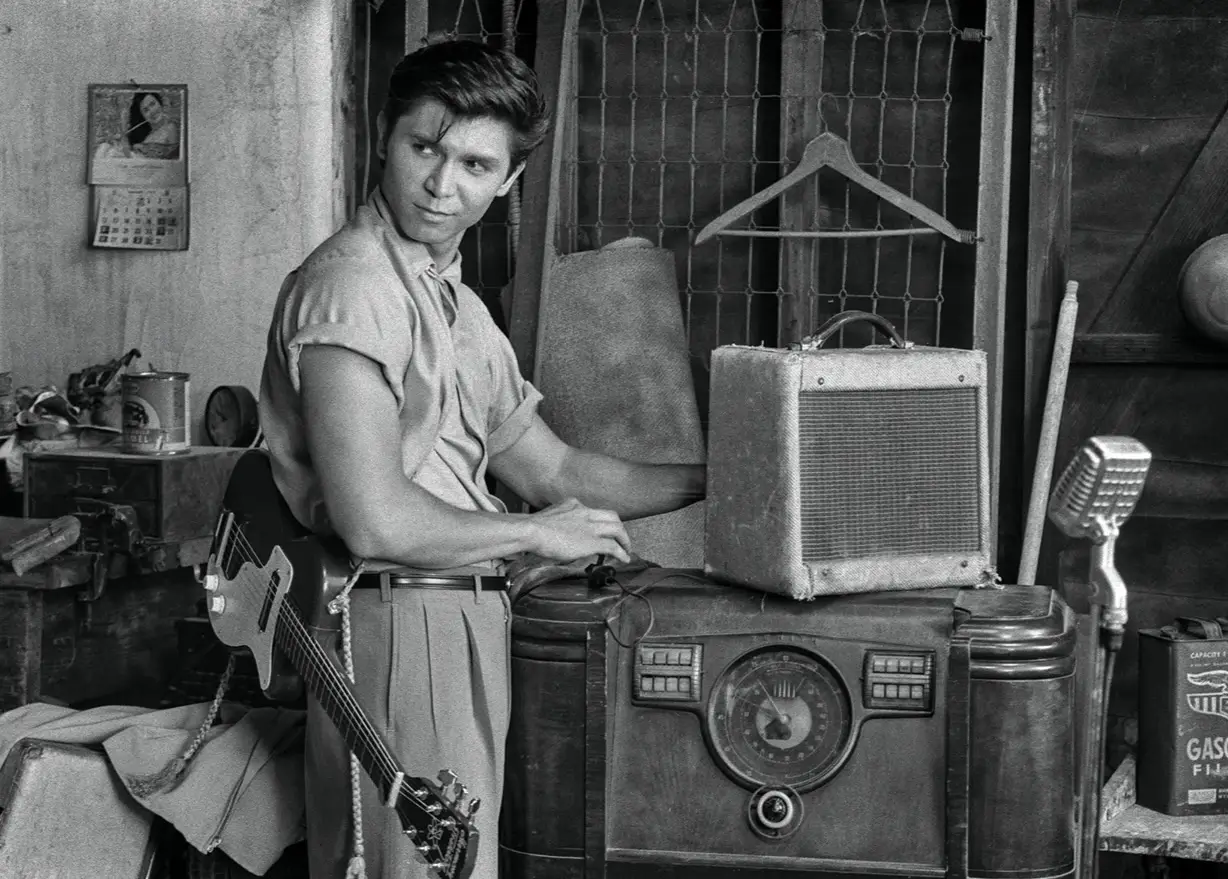
His preparation extended beyond mimicry. Learning guitar was essential, but insufficient. The performance demanded an internalization of absence—the sense that Valens’s life was always on the verge of expansion, cut short before resolution. Phillips reportedly immersed himself in archival footage and recordings, but what he ultimately conveyed was less imitation than interpretation: a young man moving quickly through spaces that never fully belonged to him.
On set, this translated into a kind of restrained urgency. Scenes were rarely played for overt drama. Instead, they hovered—quietly charged, often unresolved. The film resisted the impulse to monumentalize Valens. Instead, it allowed him to remain partially unknowable, which paradoxically made him feel more present.
ground
The environments constructed for La Bamba were not merely backdrops. They functioned as cultural containers. The San Fernando Valley of the late 1950s had to be reimagined through a dual lens: historically accurate, yet emotionally legible to a contemporary audience. This meant resisting the polished nostalgia that often defines period films.
Instead, production design leaned into texture—lived-in spaces, modest interiors, the quiet density of working-class life. Kitchens felt narrow. Bedrooms felt temporary. Streets felt transitional. These were not spaces of permanence, but of movement—mirroring the upward trajectory Valens himself was navigating.
Valdez’s direction emphasized this sense of in-betweenness. Characters were frequently framed at thresholds: doorways, hallways, the edges of rooms. The visual language reinforced a central tension—belonging was always conditional, always negotiated. For a Latino family in 1950s America, visibility came with constraint.
bob
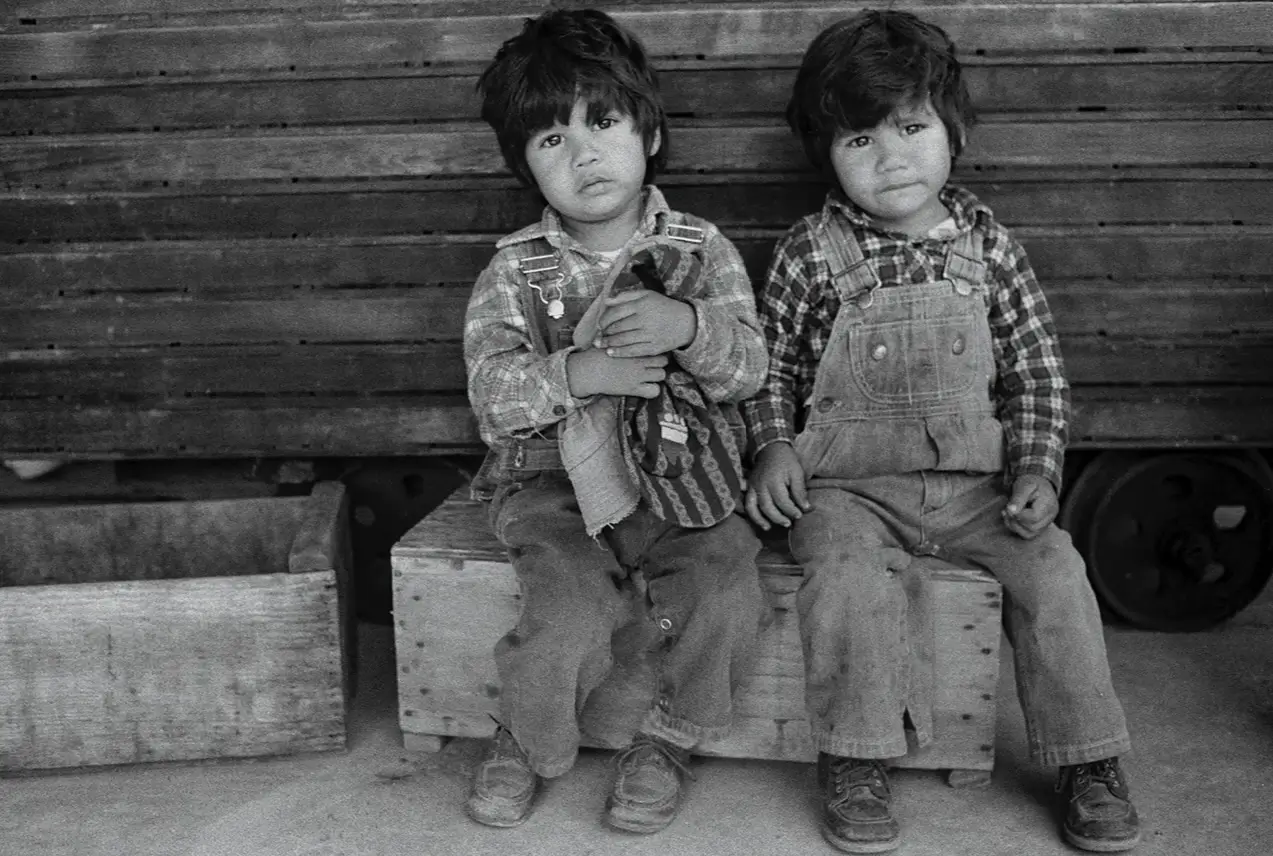
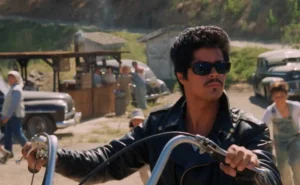
No reconstruction of Valens’s life could exist without acknowledging the gravitational pull of his brother, Bob Morales. Portrayed by Esai Morales, Bob’s presence in the film—and on set—introduced a counterpoint that complicated the narrative.
If Ritchie represented acceleration, Bob embodied friction. His trajectory was not upward but circular, marked by instability and unresolved trauma. The dynamic between the two brothers resisted simplification. It was not merely supportive or antagonistic; it was entangled.
On set, this relationship informed performance rhythms. Scenes between Phillips and Morales carried a different energy—less controlled, more volatile. Dialogue often felt secondary to physical presence: proximity, distance, the subtle recalibration of power between them.
Bob’s story also reframed Valens’s success. It underscored the uneven distribution of opportunity within the same family, the same community. The film did not present Valens’s rise as inevitable. It was contingent—fragile, improbable.
View this post on Instagram
soundtrack
Music in La Bamba operates less as accompaniment and more as architecture. The soundtrack, largely performed by Los Lobos, does not simply replicate Valens’s recordings; it reinterprets them through a contemporary lens. This decision was crucial. It prevented the film from becoming a museum piece.
Songs like “La Bamba” and “Donna” function as narrative pivots. They are moments where internal states become externalized—not through exposition, but through sound. The performances are not staged as spectacles. They are embedded within the story’s progression, often emerging organically from the environment.
On set, this required a different kind of coordination. Musical sequences were not isolated set-pieces but integrated scenes. Actors had to navigate performance and narrative simultaneously, maintaining emotional continuity while engaging with the technical demands of music playback and choreography.
mishap
The Day the Music Died—which claimed the lives of Valens, Buddy Holly, and The Big Bopper—posed a fundamental challenge for the filmmakers. How do you depict an event that has already been mythologized to the point of abstraction?
Valdez’s approach was notably restrained. The crash itself is not rendered with spectacle. Instead, the film builds toward it through accumulation—small details, subtle hinting predicts, an increasing sense of inevitability. When the moment arrives, it is less an explosion than a rupture.
On set, this translated into an emphasis on atmosphere rather than action. The focus was not on the mechanics of the crash, but on its emotional reverberations. The aftermath—particularly the impact on Bob—becomes the film’s true point of convergence.
allure
One of the most striking aspects of La Bamba is its refusal to provide conventional resolution. There is no attempt to neatly package Valens’s legacy. The film ends not with a sense of completion, but with an absence that lingers.
This choice reflects a broader editorial stance embedded within the production. La Bamba does not claim to definitively capture Ritchie Valens. It acknowledges the impossibility of doing so. What it offers instead is a series of gestures—partial, provisional, open-ended.
therefore
The release of La Bamba in 1987 marked a significant moment for Latino representation in American cinema. It demonstrated that stories centered on Latino experiences could achieve both critical and commercial success without diluting their specificity.
For Phillips, the film became a defining role. For Valdez, it solidified his position as a key figure in Chicano filmmaking. For audiences, it provided a point of entry into a narrative that had long been marginalized.
Yet perhaps the film’s most enduring impact lies in its reconfiguration of memory. It repositioned Ritchie Valens not as a tragic footnote, but as an active presence within the cultural imagination. The set of La Bamba—those reconstructed streets, those carefully staged interiors—became a site where history was not just remembered, but reactivated.
archive
In retrospect, the production of La Bamba can be understood as a form of archival practice. It gathered fragments—stories, images, sounds—and assembled them into a structure that could be experienced collectively. The set functioned as a temporary archive, one that existed only for the duration of filming, yet continues to resonate.
What remains is not just the film itself, but the conditions of its making. The decisions, the negotiations, the quiet acts of translation that occurred on set—all contribute to its ongoing relevance.
fin
If most biopics aim to stabilize their subjects, La Bamba does the opposite. It elicits instability to remain. It resists the impulse to explain everything, to resolve every contradiction. In doing so, it aligns more closely with the realities it seeks to depict.
Ritchie Valens’s life was not a completed narrative. It was a trajectory interrupted. The film honors that interruption—not by filling it in, but by acknowledging its presence.
And perhaps that is the most precise form of remembrance: not reconstruction as certainty, but reconstruction as inquiry.