LABELHOOD x Nike Shox Z Calistra: When the Shoe Refuses to Behave

April 8, 2026
2 hours ago
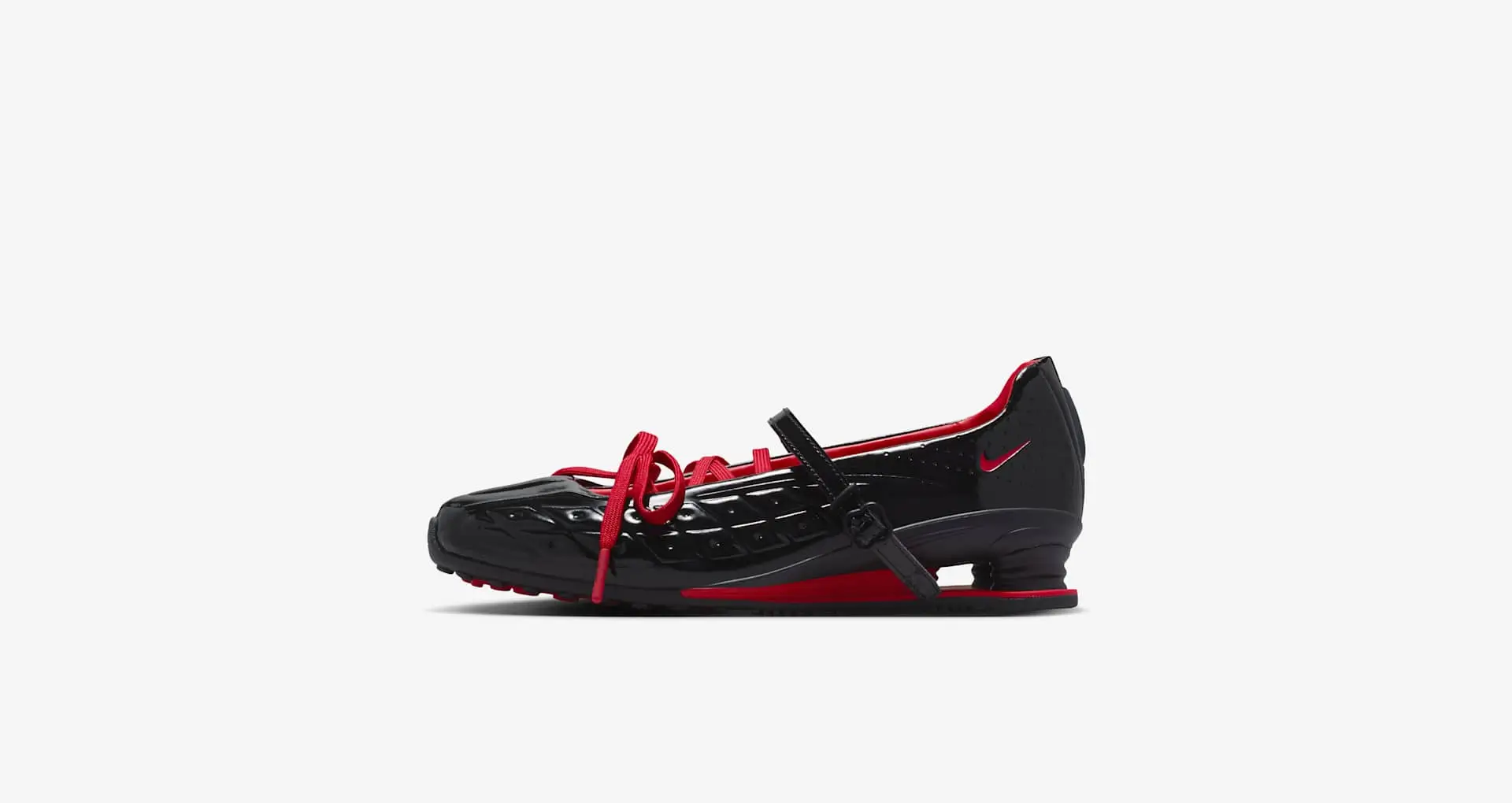
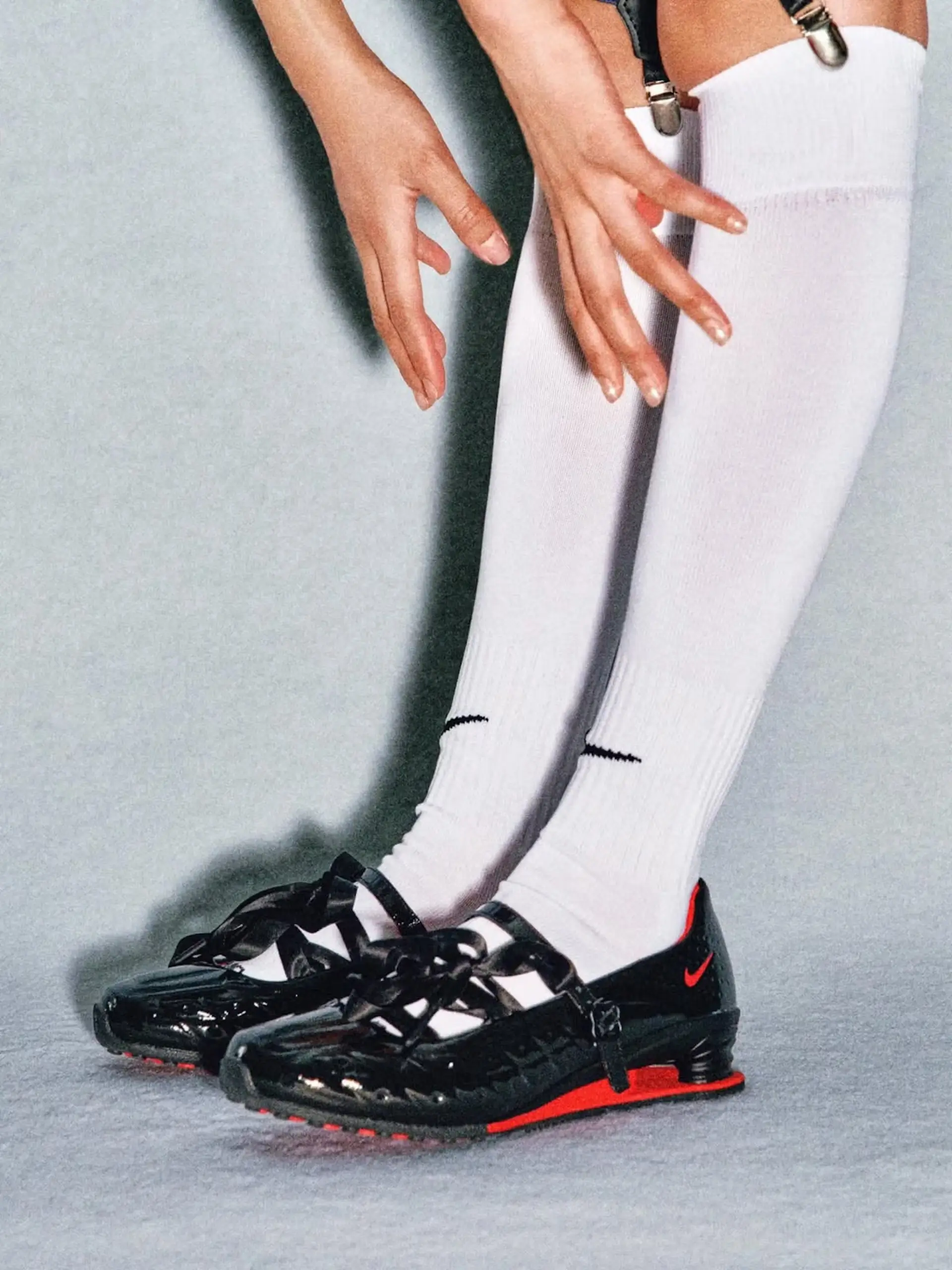
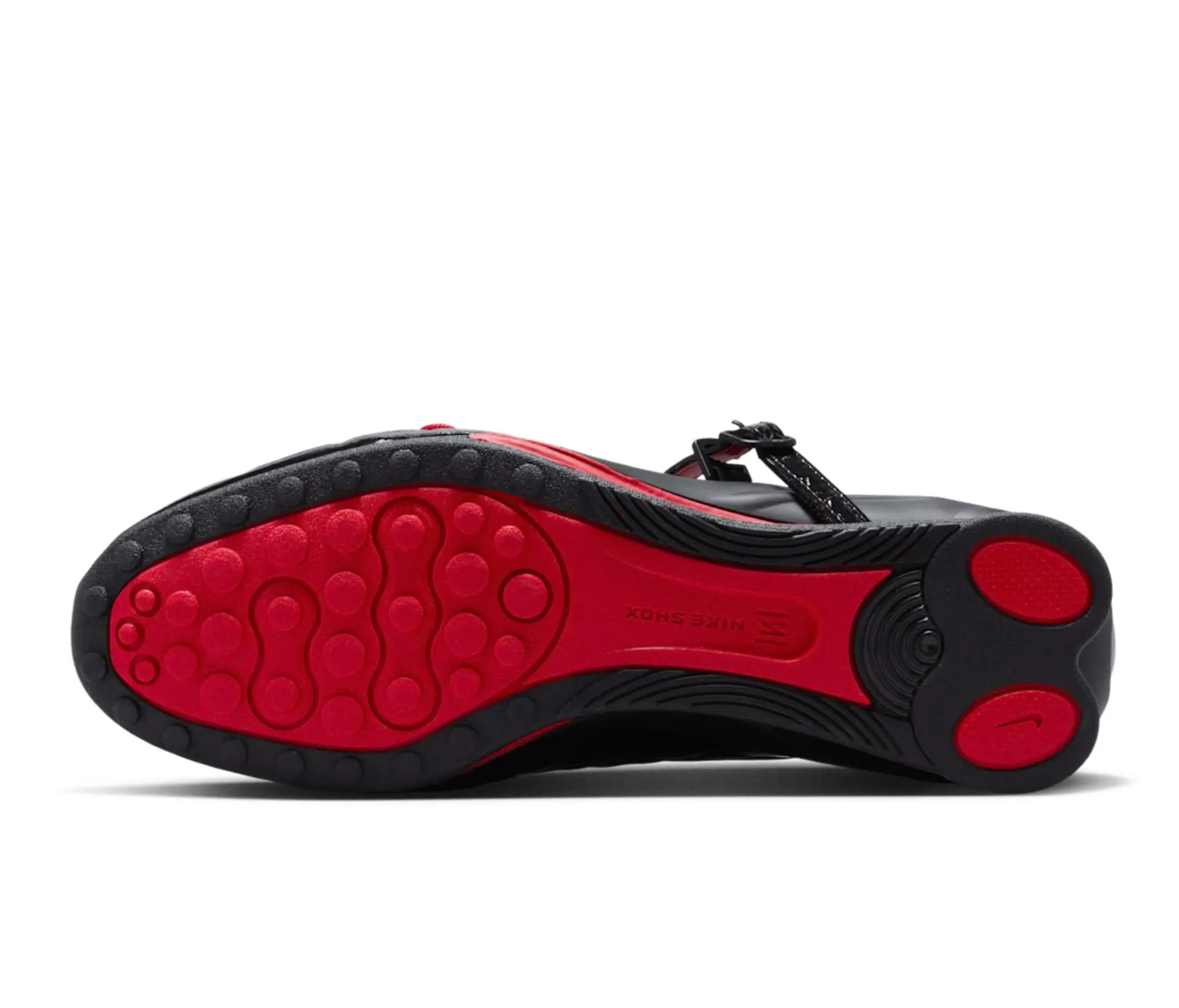
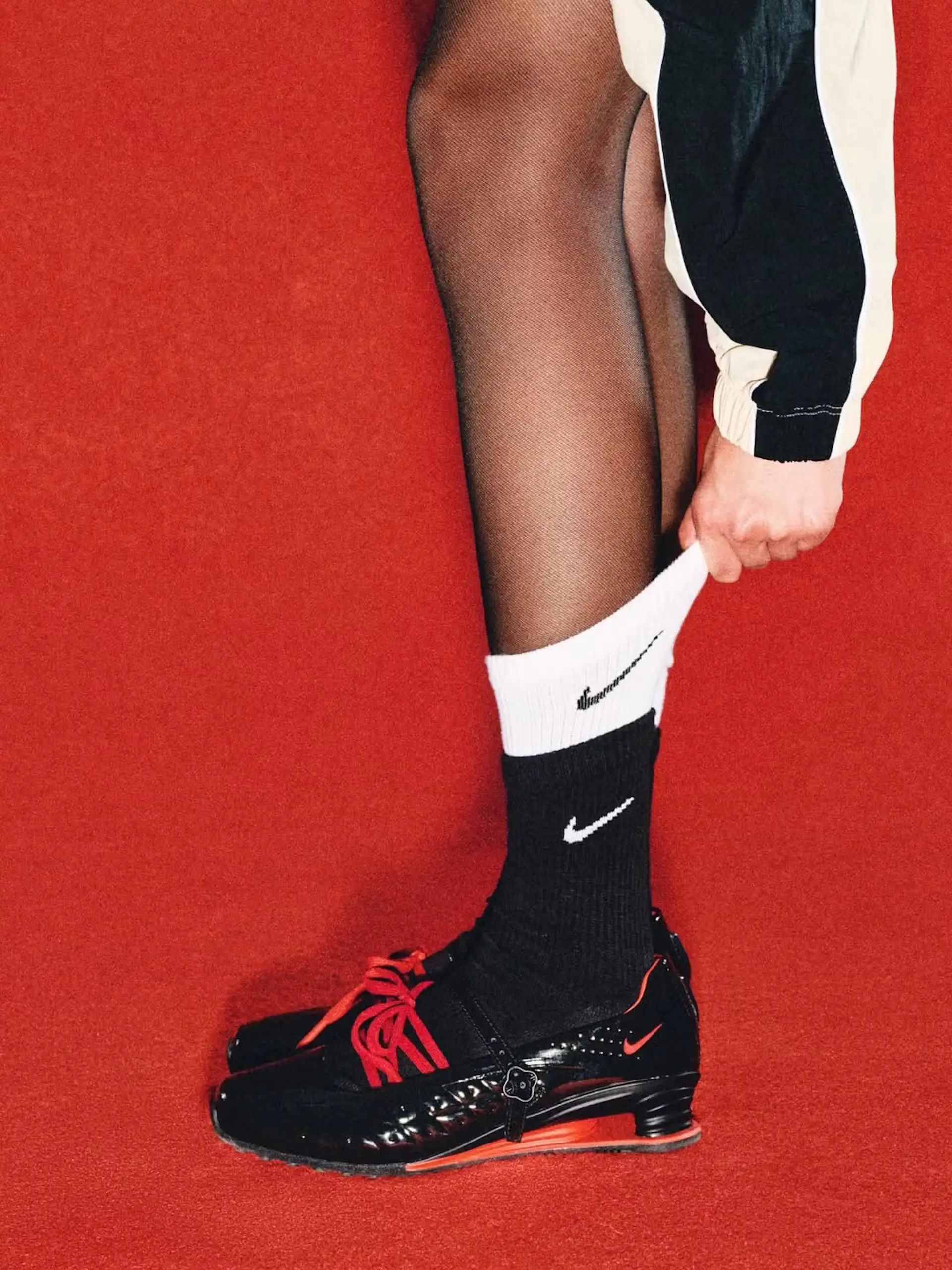
There’s a point where footwear stops trying to be wearable in the conventional sense and starts insisting on something else—identity, friction, posture. The connection between LABELHOOD and Nike lands precisely there. Not as a crossover built for mass approval, but as a deliberate narrowing—toward a specific audience, a specific language, a specific way of dressing that doesn’t ask for permission.
For its first Nike Sportswear project, LABELHOOD—under the direction of Tasha Liu—chooses the Shox Z Calistra. Not the obvious retro, not the headline-grabbing archival runner, but something already slightly off-center. A silhouette that sits between sport and fashion, between performance lineage and stylistic deviation.
That choice is the point.
truth
LABELHOOD has never operated as a translator of Chinese fashion for the outside world. It functions more like a closed circuit—an ecosystem that builds its own references, amplifies emerging designers, and defines taste internally before it exports anything outward.
This collision doesn’t dilute that position. If anything, it reinforces it.
Rather than making the Shox more accessible, LABELHOOD makes it more specific. More coded. The black-and-red palette is immediate, but not loud in the usual sense. It doesn’t shout; it sharpens. It draws a boundary.
This is not a shoe trying to be liked. It’s a shoe that expects recognition.
stir
The Shox line has always existed in a strange place within Nike’s archive—technically innovative, visually polarizing, periodically revived. The Shox R4 carried the bulk of that legacy, with its unmistakable columns and early-2000s futurism.
The Shox Z Calistra takes a different route.
Here, the Shox unit is reduced—thinner, more restrained, almost disciplined. It doesn’t dominate the silhouette; it supports it. The heel still carries that mechanical language, but it’s quieter, integrated into a sleeker profile that feels closer to fashion footwear than performance gear.
That recalibration matters. Because it allows everything above the sole to take over.
frame
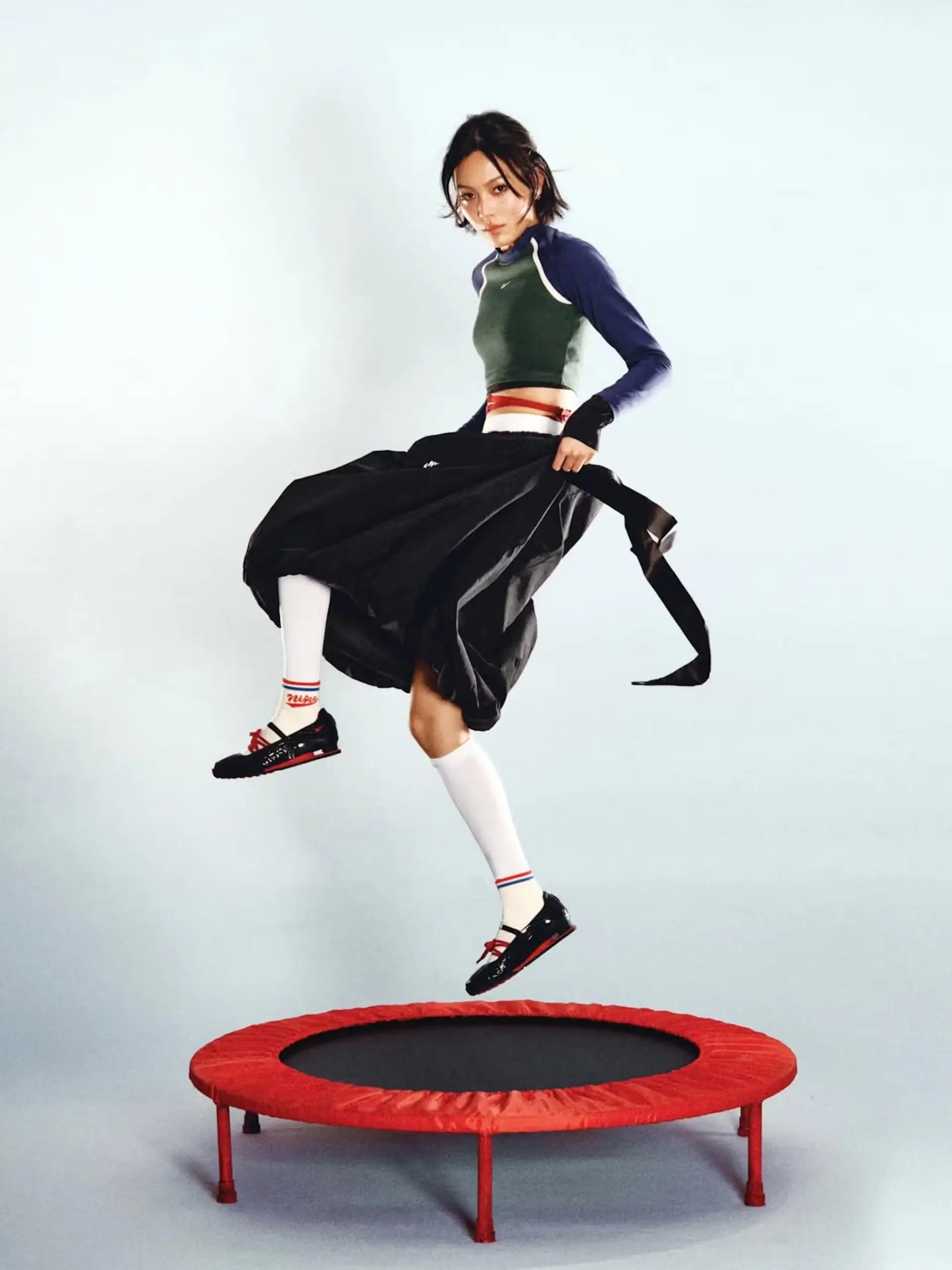
At the core of the design is a disruption of structure. The traditional tongue is removed. In its place: a Mary Jane-inspired upper that reframes how the shoe sits on the foot.
This isn’t novelty. It’s a shift in how the sneaker functions visually and physically.
Straps replace laces, but not entirely. There are multiple lockdown systems—layered, overlapping, almost excessive. The result is a tension between control and openness. The foot is held, but not in the expected way. The silhouette becomes more horizontal, more grounded.
There’s a subtle reference here to fashion footwear traditions—particularly those that prioritize silhouette over utility. But it’s filtered through Nike’s technical language, never fully abandoning its athletic DNA.
The shoe doesn’t resolve into one category. It stays in between.
show
Material choice is where the collaboration sharpens its edge.
Textured patent leather panels cut across the upper, catching light in a way that feels intentional, almost confrontational. This isn’t soft matte minimalism. It’s gloss, reflection, interruption.
The black base absorbs. The red accents puncture.
Together, they create a surface that feels alive—not in motion, but in tension. Every step becomes visible, not through movement, but through how the material reacts to light, to space, to attention.
This is where the shoe moves closest to fashion object. Not just worn, but staged.
stood
Positioned as a women’s-exclusive release, the Shox Z Calistra enters a space that has historically been underdefined within footwearculture. Women’s footwear union often oscillate between over-stylization and safe reinterpretation.
This does neither.
Instead, it builds a language that feels self-contained. It doesn’t simplify the design for accessibility, nor does it exaggerate it for spectacle. It trusts its audience to meet it where it is.
And that audience—niche, informed, visually literate—is exactly who LABELHOOD has always spoken to.
stasis
There’s a quiet lineage embedded in this release. The Shox Z Calistra was previously reworked by Copenhagen’s NAKED—another platform that understands how to operate at the intersection of sneaker culture and fashion.
But where NAKED leaned into reinterpretation, LABELHOOD leans into assertion.
This version doesn’t feel like a remix. It feels like a claim.
A statement that the silhouette can hold multiple identities without collapsing into one. That it can move between geographies, between communities, without losing its core tension.
exact
What makes this merge compelling is not its universality, but its refusal of it.
This is not a shoe designed to scale across markets. It’s designed to resonate within a particular frequency—one that values detail, structure, and a certain kind of visual confidence.
The multiple lacing systems, the absence of a tongue, the patent textures, the restrained Shox unit—none of these choices are accidental. They accumulate. They build a silhouette that feels intentional at every point.
And that intention is legible.
new
For Nike, partnerships like this signal a broader shift. Away from predictable blend with global reach, toward more localized, culturally embedded projects that carry their own internal logic.
Working with LABELHOOD isn’t about tapping into a market. It’s about aligning with a platform that already defines its own.
The result is a product that doesn’t feel diluted by scale. It retains its edges.
fin
The LABELHOOD x Nike Shox Z Calistra doesn’t move toward the viewer. It doesn’t soften itself for easier consumption. It stays where it is—structured, specific, slightly resistant.
And that resistance is what gives it weight.
In a landscape saturated with releases designed to be instantly legible, instantly desirable, this collision implies something quieter, more deliberate. It builds a form that holds its ground.
Not asking to be understood immediately.
Not asking to be worn by everyone.
Just existing—fully, precisely, on its own terms.