LABUBU in Paris: Celebrating Ten Years of Kasing Lung’s Mischievous MONSTERS Universe

March 8, 2026
time
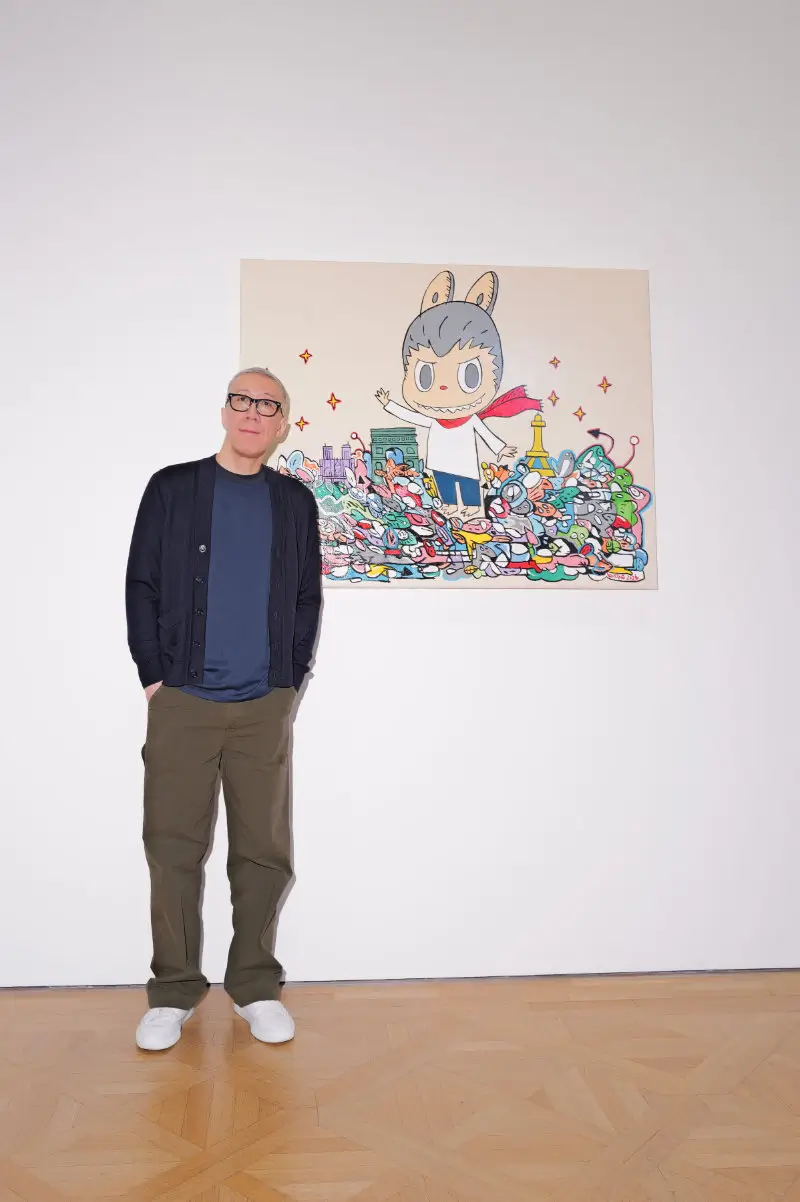
Calling all LABUBU lovers: the creatures of the forest have arrived in Paris. The opening of THE MONSTERS 10th Anniversary Exhibition marks a celebratory moment for one of the most unusual success stories in contemporary collectible culture. What began as an imaginative world drawn by Hong Kong artist and picture-book author Kasing Lunghas evolved into a global phenomenon that bridges storytelling, art toys, and pop-culture devotion.
If you have somehow missed LABUBU—perhaps living under a cultural rock—the explanation is simple. LABUBU are the most recognizable inhabitants of THE MONSTERS, a fantastical narrative universe imagined by Lung. The creatures live deep within mysterious Nordic forests where tiny elves wander through landscapes that feel both ancient and dreamlike. Their adventures blur the line between innocence and mischief, myth and humor.
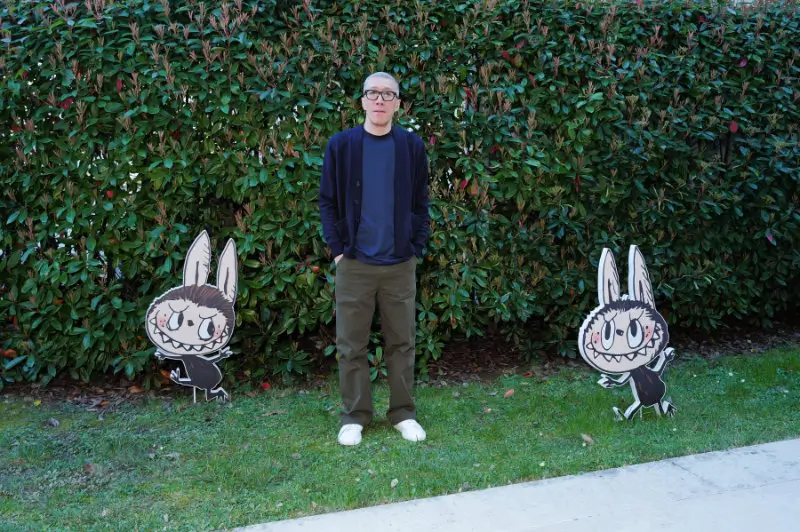
At the center of this enchanted ecosystem stand the LABUBU themselves. Wide-eyed and instantly recognizable by their mischievous grin of nine jagged teeth, the characters wear upright pointed ears like woodland crowns. Their expressions oscillate between curiosity and playful defiance. They are restless spirits of the woods—explorers who fear very little and question almost everything.
Despite their mischievous nature, LABUBU carry a fundamentally optimistic heart. They play tricks, get lost in forests, and tumble into chaotic situations, but they rarely lose their kindness. That emotional contradiction—the balance between mischief and warmth—may explain why the character resonates across cultures.
imagine
To understand LABUBU’s appeal, one must begin with their creator. Kasing Lung grew up surrounded by illustrated books and storytelling traditions that encouraged imaginative worlds. His art blends European fairy-tale aesthetics with Asian storytelling sensibilities, creating a visual language that feels familiar yet slightly surreal.
Lung’s illustrations often depict gentle chaos. Characters wander through shadowy woods, encountering strange companions and whimsical creatures. Trees lean at unusual angles, stars glow with quiet magic, and the forest seems alive with possibility. In this universe, LABUBU emerge as emotional anchors: curious observers who embody the spirit of exploration.
The artist has frequently described his characters not as commercial creations but as inhabitants of an ongoing story. Each drawing or figure reveals another moment in their wandering lives. This narrative approach gives the characters a sense of personality rarely found in collectible toys.
The world of THE MONSTERS is not static. It grows like folklore—each new illustration, figure release, or exhibition adds another chapter to the myth.
View this post on Instagram
stir
The transformation of LABUBU from illustration to collectible object reflects a broader cultural shift. Over the past two decades, art toys have emerged as a serious intersection between design, pop culture, and contemporary art.
The rise of collectible designer figures—often produced in limited editions—has created a hybrid category between sculpture and toy. LABUBU entered this world through collaborations with POP MART, the Chinese brand known for turning artist characters into global collectibles.
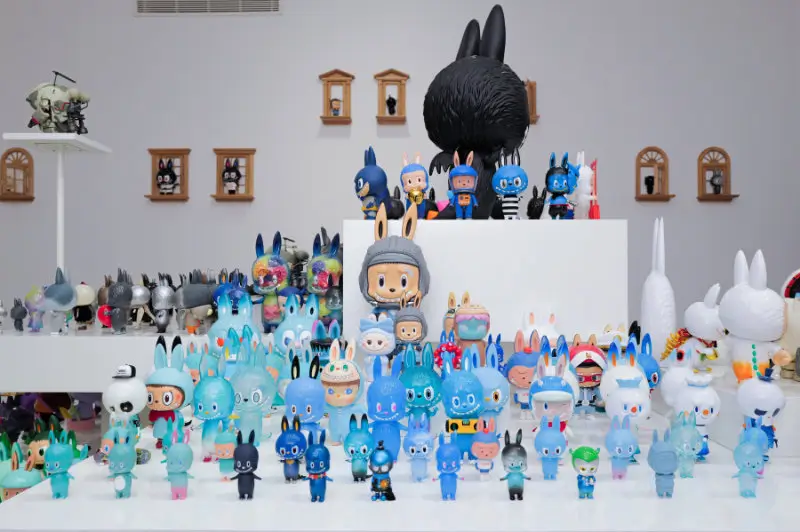
POP MART’s blind-box model transformed LABUBU into an interactive experience. Buyers do not know which character they receive until opening the sealed package, turning collecting into a playful ritual. Rare variants encourage trading communities, while themed series create miniature universes within the larger narrative.
The result is a passionate international fanbase. LABUBU figures appear in display cabinets, social-media feeds, and curated toy collections around the world.
Collectors are drawn not only to the character’s design but to the emotional atmosphere surrounding it. Each figure feels like a small piece of storytelling—a frozen moment from a forest adventure.
flow
The LABUBU design is deceptively simple yet psychologically expressive. Several visual elements define the character:
The wide eyes convey curiosity and innocence, making LABUBU feel eternally alert. They appear ready to explore or discover something new.
The nine pointed teeth introduce a hint of mischief. This smile is not traditionally cute; it feels playful, slightly chaotic, and unpredictable.
The upright ears resemble animal instincts—an alertness to the forest environment.
Together these details create a character who sits somewhere between elf, animal, and mythical creature.
This ambiguity is crucial. LABUBU are not easily categorized. They belong to the tradition of folklore creatures that defy strict definition.
That sense of mystery allows audiences to project their own emotions onto the character. Some see humor, others mischief, others tenderness.
paris
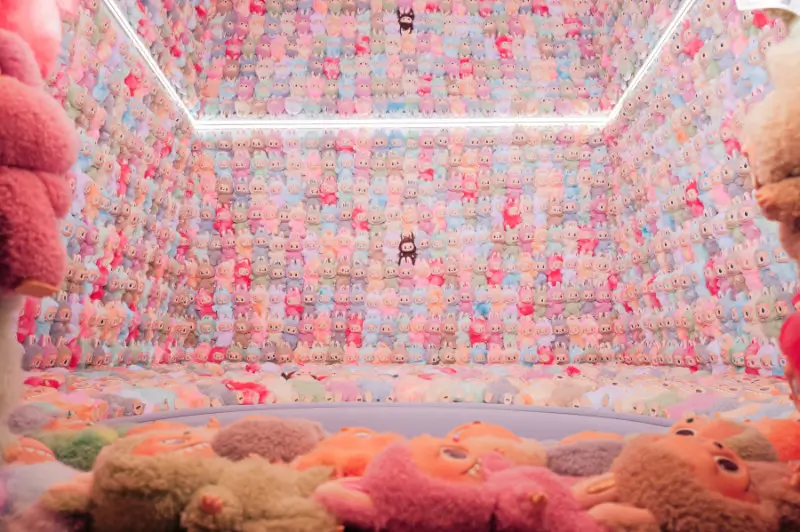
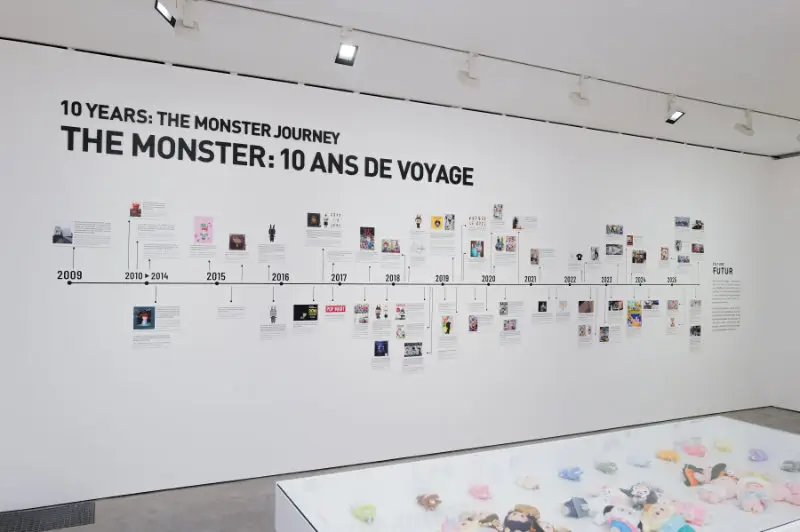
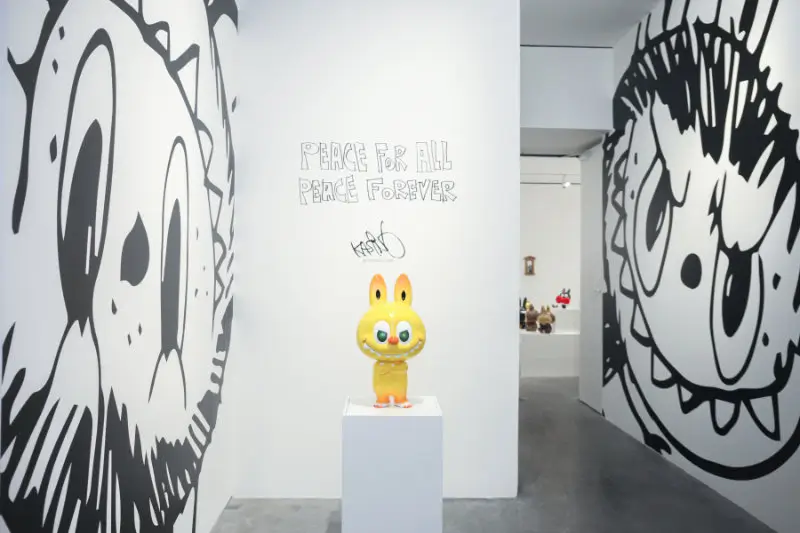
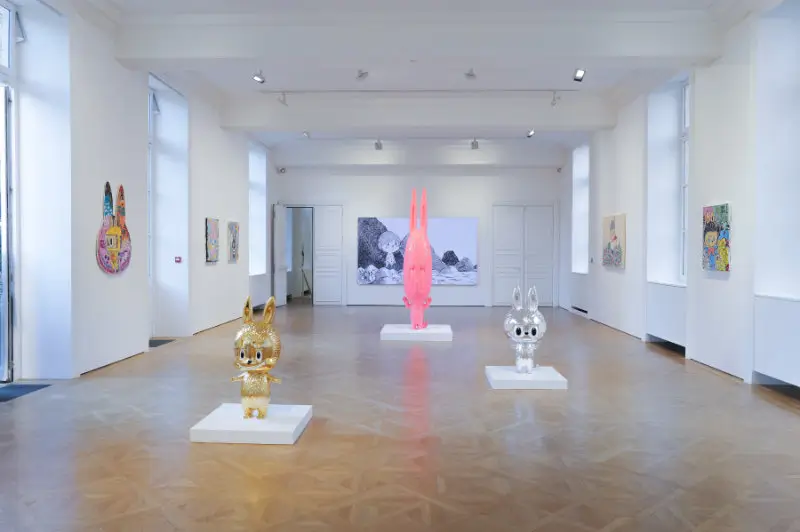
The 10th anniversary exhibition in Paris celebrates a decade of this evolving mythology. Exhibitions like this transform collectible culture into immersive storytelling environments.
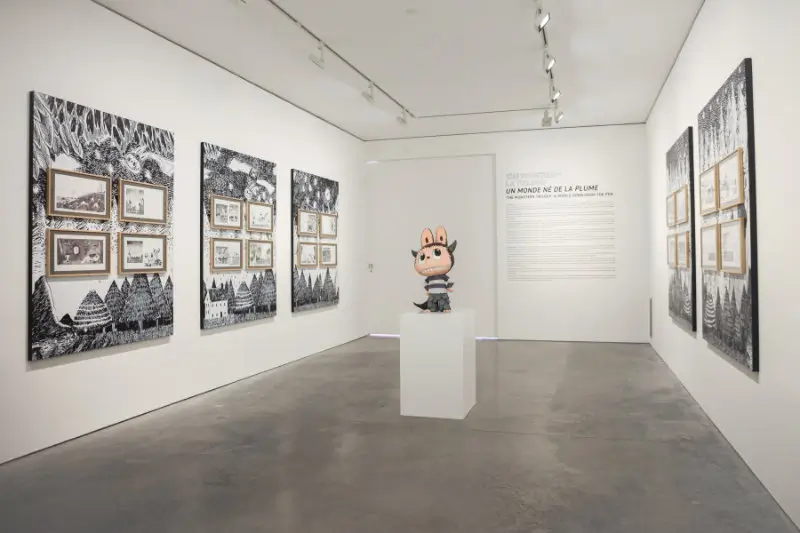
Rather than simply displaying figures, the exhibition invites visitors to step inside the world of THE MONSTERS. Installations recreate forest atmospheres with sculptural trees, glowing lights, and whimsical environments that echo the narrative landscapes from Lung’s illustrations.
Visitors encounter large-scale LABUBU sculptures alongside original sketches, paintings, and concept designs. These works reveal how the characters evolved from early drawings into globally recognizable figures.
The exhibition also explores the broader cast of THE MONSTERS universe. LABUBU may be the most famous characters, but the forest is populated with many other creatures—friends, rivals, and mysterious beings who contribute to the story’s depth.
For collectors, the exhibition becomes both a pilgrimage and a celebration.
globe
What makes LABUBU extraordinary is how quickly the character crossed cultural boundaries.
Art toys historically thrived in niche communities. Yet LABUBU achieved mainstream recognition, appearing in fashion collaborations, pop-culture events, and art exhibitions worldwide.
The character’s success reflects a larger shift in contemporary culture: audiences increasingly embrace hybrid creative forms that merge art, design, narrative, and collectible objects.
LABUBU exists simultaneously as:
• an illustrated character
• a sculptural toy
• a storytelling protagonist
• a cultural icon
This multi-layered identity makes the character adaptable. A LABUBU figure can live on a collector’s shelf, appear in an art exhibition, or star in a digital animation.
Each format reinforces the mythology.
emotive
Another reason for LABUBU’s popularity lies in emotional nostalgia. The character evokes the atmosphere of childhood fairy tales without belonging to any single tradition.
The Nordic forest setting feels reminiscent of European folklore. Yet the humor and emotional warmth reflect Asian storytelling styles.
This blend of influences creates something culturally universal.
Adults who collect LABUBU often describe the figures as reminders of imagination—objects that reconnect them with childhood curiosity.
At a time when much of modern life is digital and abstract, holding a small sculpted creature that embodies storytelling feels oddly comforting.
culture
LABUBU’s success also signals the maturity of designer toy culture.
What began as underground art projects in the early 2000s has evolved into a sophisticated global market. Limited-edition figures now appear in galleries, museums, and luxury retail environments.
Collectors treat these objects similarly to contemporary sculpture. Rarity, artistic pedigree, and narrative context influence value.
Characters like LABUBU demonstrate how storytelling can transform a toy into a cultural artifact.
social
The digital age accelerated LABUBU’s rise. Platforms like Instagram and TikTok allow collectors to photograph their figures in imaginative environments—miniature forests, cityscapes, or fashion shoots.
These images expand the mythology organically. Fans effectively become co-creators of the LABUBU world.
A figure photographed in Tokyo or New York becomes another chapter in the story.
This collaborative storytelling mirrors the original spirit of Lung’s illustrations. The forest expands with each new interpretation.
idea
The charm of LABUBU ultimately lies in its contradictions.
It is cute but mischievous.
It is childish yet deeply artistic.
It is a toy but also a collectible sculpture.
This duality reflects contemporary culture itself, where boundaries between art, design, and entertainment increasingly dissolve.
LABUBU represents a new type of cultural icon—one born not from film studios or corporate franchises, but from an illustrator’s imagination.
fwd
Ten years after their creation, THE MONSTERS continue to grow.
New figure series expand the visual universe. Exhibitions introduce the characters to new audiences. Collectors continue searching for rare editions and variants.
Most importantly, the mythology remains open-ended.
The forest still holds countless unexplored paths.
LABUBU, curious as ever, continues wandering through those woods—wide-eyed, mischievous, and ready for the next adventure.
end
The Paris exhibition is therefore more than a retrospective. It is a celebration of imagination.
Over ten years, LABUBU has traveled from sketchbooks to toy shelves, from niche art circles to global recognition.
And yet the character retains the same spirit it had at the beginning: playful curiosity.
In the quiet forests of THE MONSTERS universe, the story never truly ends. The creatures keep exploring. New adventures emerge. And somewhere among the trees, a nine-toothed grin reminds us that imagination—like LABUBU—thrives when it refuses to stay still.


No comments yet.