Lacoste Polo Factory Paris: The Crocodile Tells It All

April 9, 2026
2 hours ago
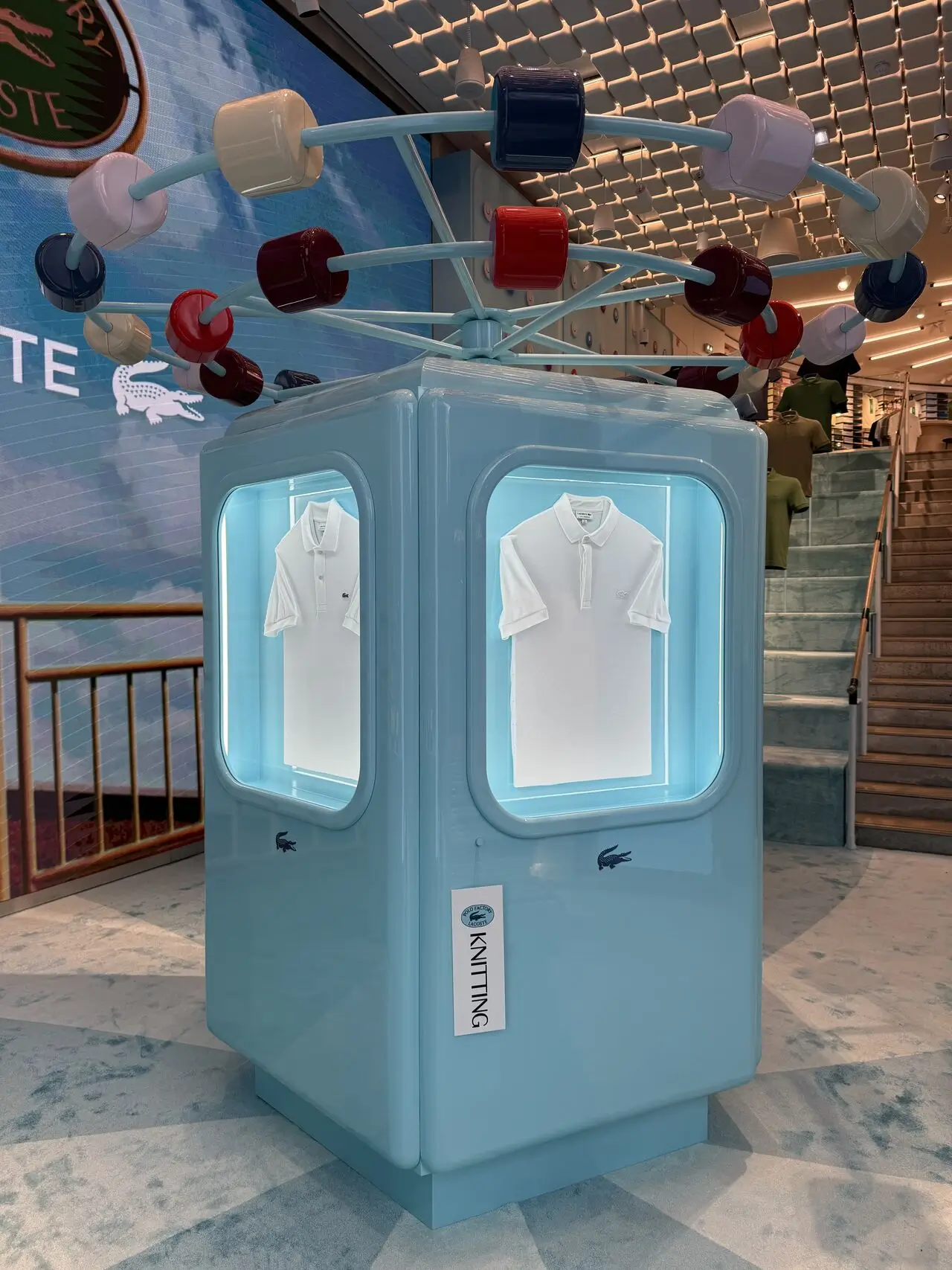
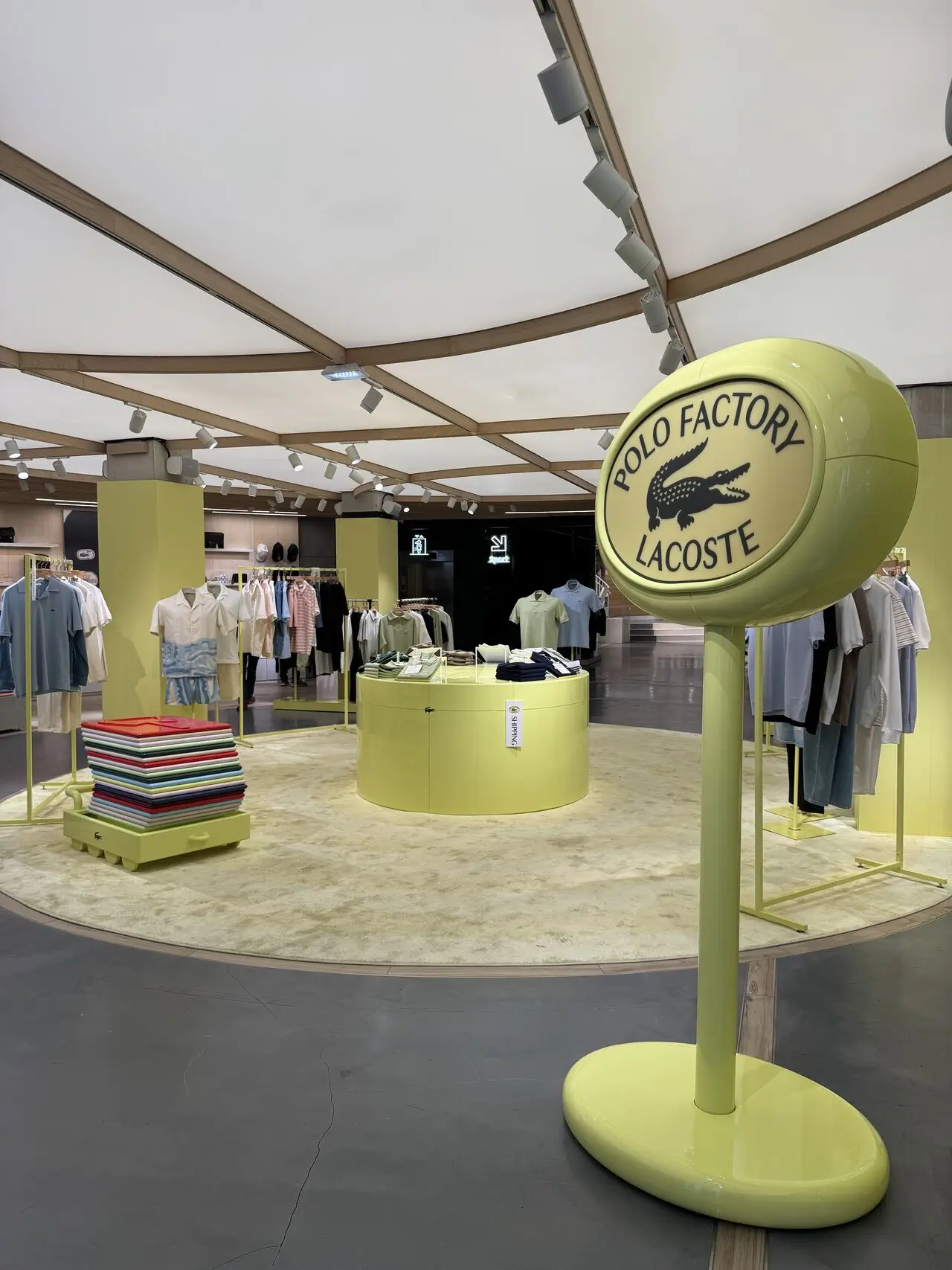
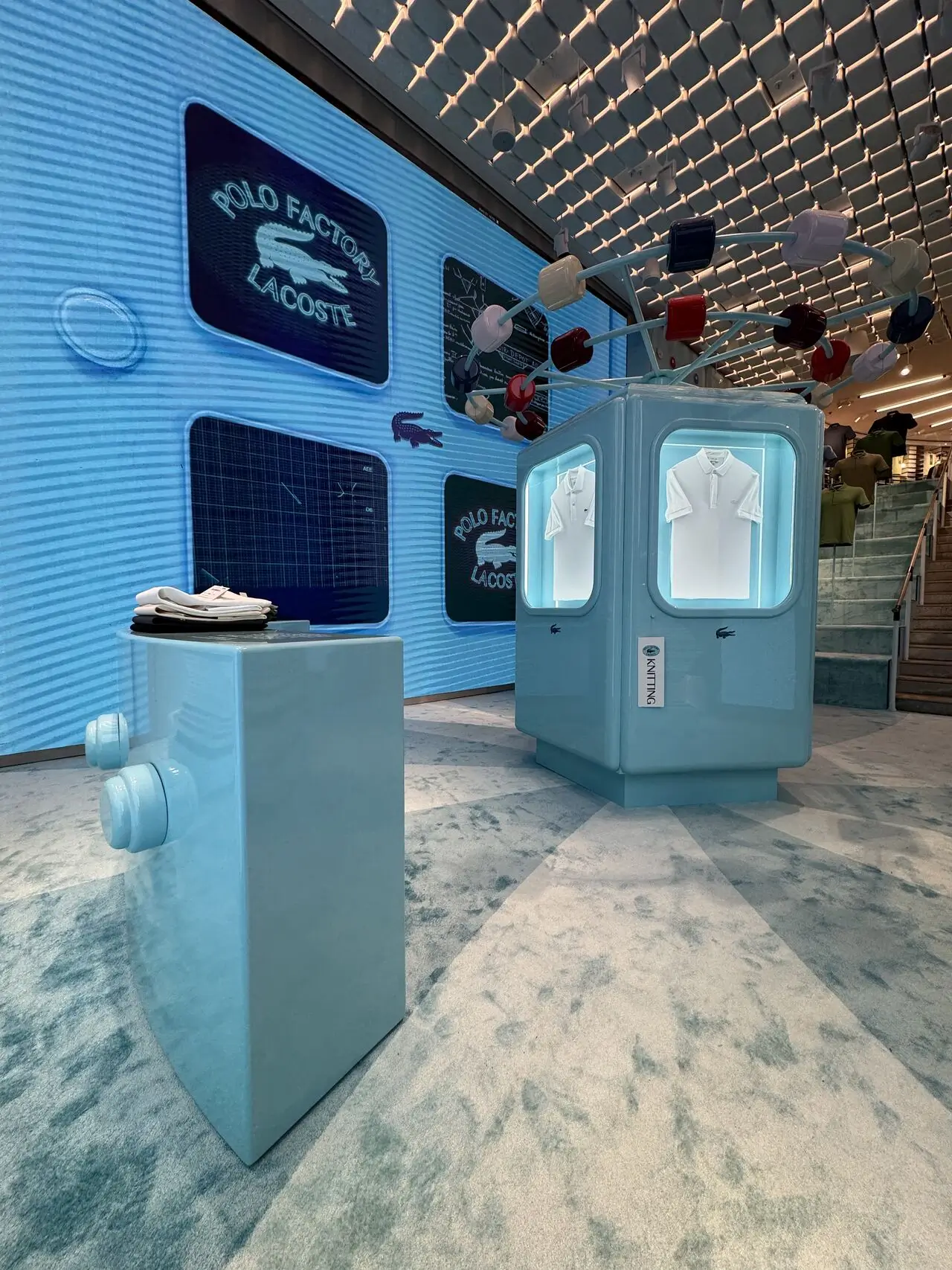
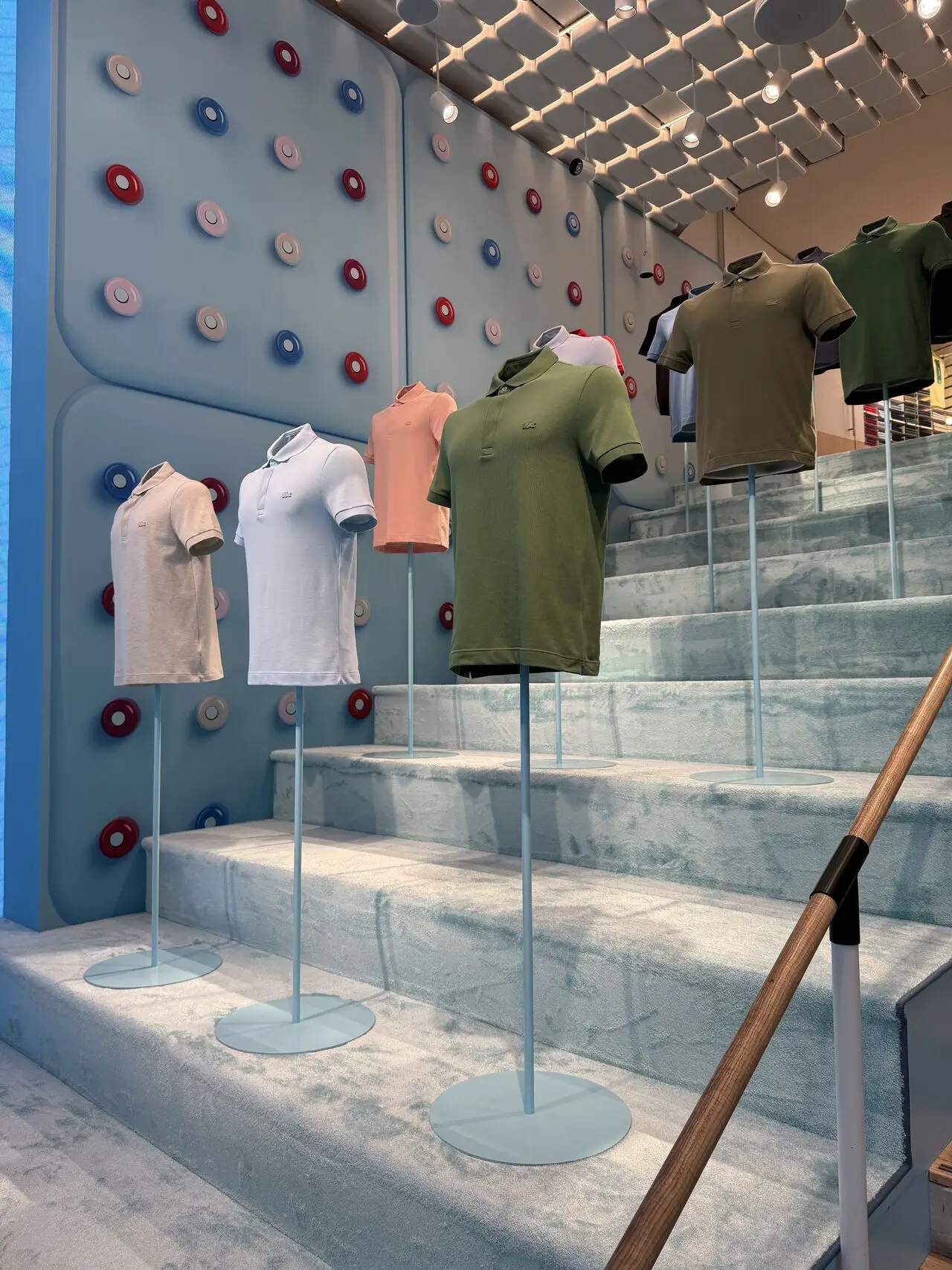
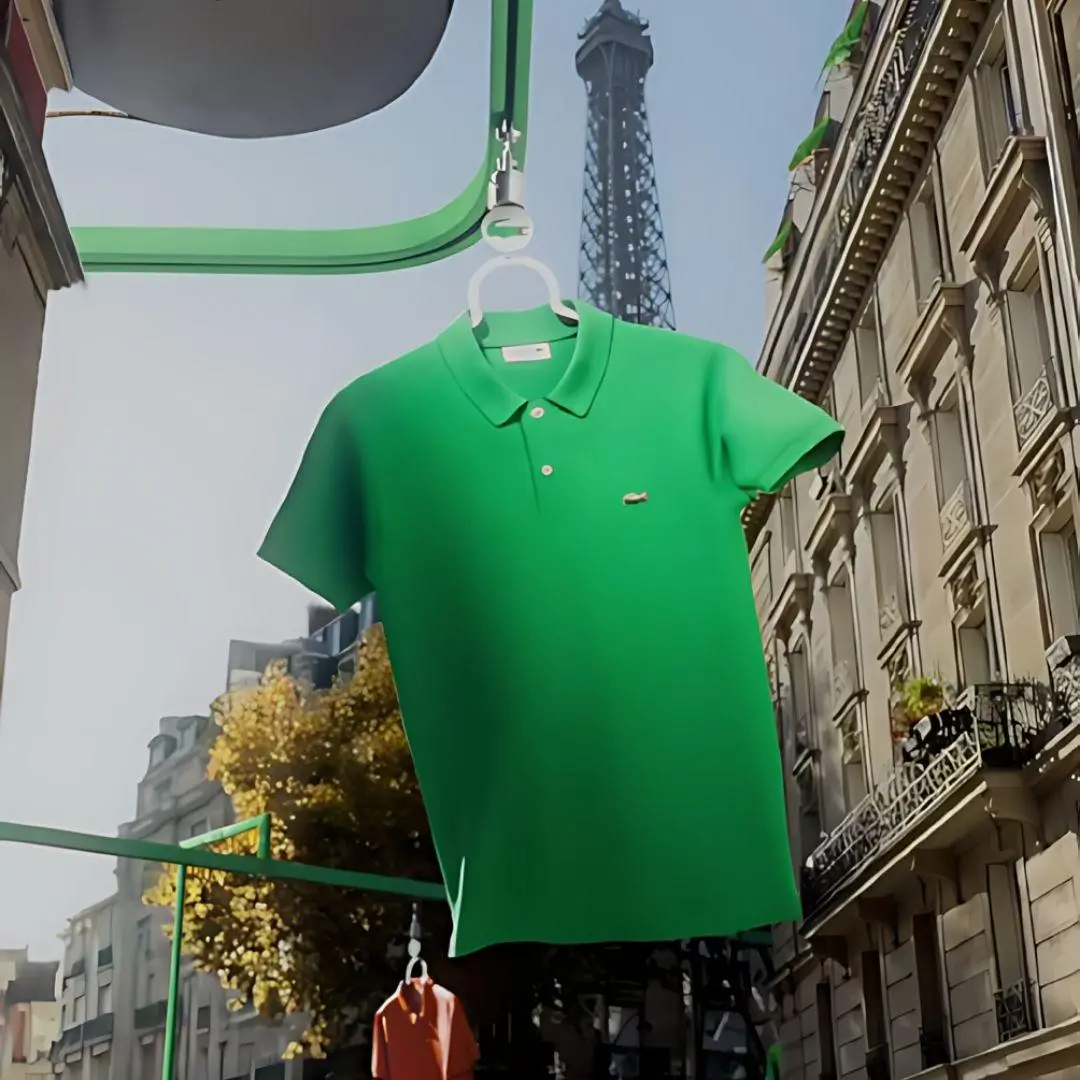
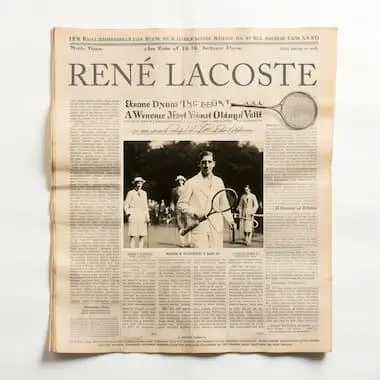
When Lacoste opens the Polo Factory in Paris, it doesn’t simply present history—it stages it. The visitor is not walking into an archive, nor a conventional exhibition. Instead, they enter a carefully constructed memory: a 1950s factory that feels plausible enough to be believed, yet polished enough to signal that belief is optional.
The machines are rounded, almost softened. The palette leans pastel—mint greens, powder blues, creams that seem lifted from an Atomic Age fantasy of industry. It is less about how factories actually looked, and more about how we wish they had.
This distinction matters. Because the Polo Factory is not interested in accuracy. It is interested in atmosphere.
written
At the center of the narrative sits René Lacoste—tennis champion, inventor, and now, effectively, a character within his own brand mythology.
The Polo Factory suggests a beginning: a place where Lacoste “could have really started it all.” The phrasing is telling. Not where he did, but where he could have.
This conditional history allows the brand to smooth over inconsistencies, to compress timelines, to align invention with aesthetic coherence. The polo shirt becomes less a product of gradual iteration and more a singular moment of clarity—an idea realized in one continuous gesture.
It is elegant. It is compelling. It is also, inevitably, reductive.
Because real histories are messy. They involve compromise, failure, revision. The Polo Factory offers none of that. Instead, it delivers a version of history that behaves like design: streamlined, intentional, resolved.
View this post on Instagram
flow
Lacoste has long positioned the polo shirt as its foundational object—a garment that transcends sport, class, and geography. The Polo Factory reinforces this positioning by breaking the shirt down into stages: fabric, cut, assembly, finishing.
Each step is presented with clarity, even beauty. Machines hum quietly. Processes are simplified into digestible sequences. Visitors move through the space as if following the logic of the garment itself.
But what emerges is not just an understanding of how the polo is made. It is an understanding of how the brand wants the polo to be perceived.
Precision. Continuity. Effortless construction.
The labor behind the garment is present, but sanitized. There is no friction, no visible strain. The factory becomes less a site of work and more a site of flow.
show
The decision to anchor the space in a 1950s Atomic Age aesthetic is not incidental.
This was a moment when industry was optimistic—when machines symbolized progress, when production suggested possibility rather than exploitation. By referencing this era, Lacoste aligns its narrative with a version of manufacturing that feels almost utopian.
Rounded edges replace sharp ones. Colors soften the machinery. Even the scale of the installations avoids intimidation.
It is a factory without anxiety.
In doing so, the brand sidesteps more contemporary associations with production—global supply chains, labor conditions, environmental impact. These realities are not denied, but they are displaced.
The Polo Factory exists outside of them, in a suspended historical moment where making is still innocent.