Lady Gaga’s “Harlequin” Album: A Daring Musical Extension of Joker: Folie à Deux

October 2, 2024
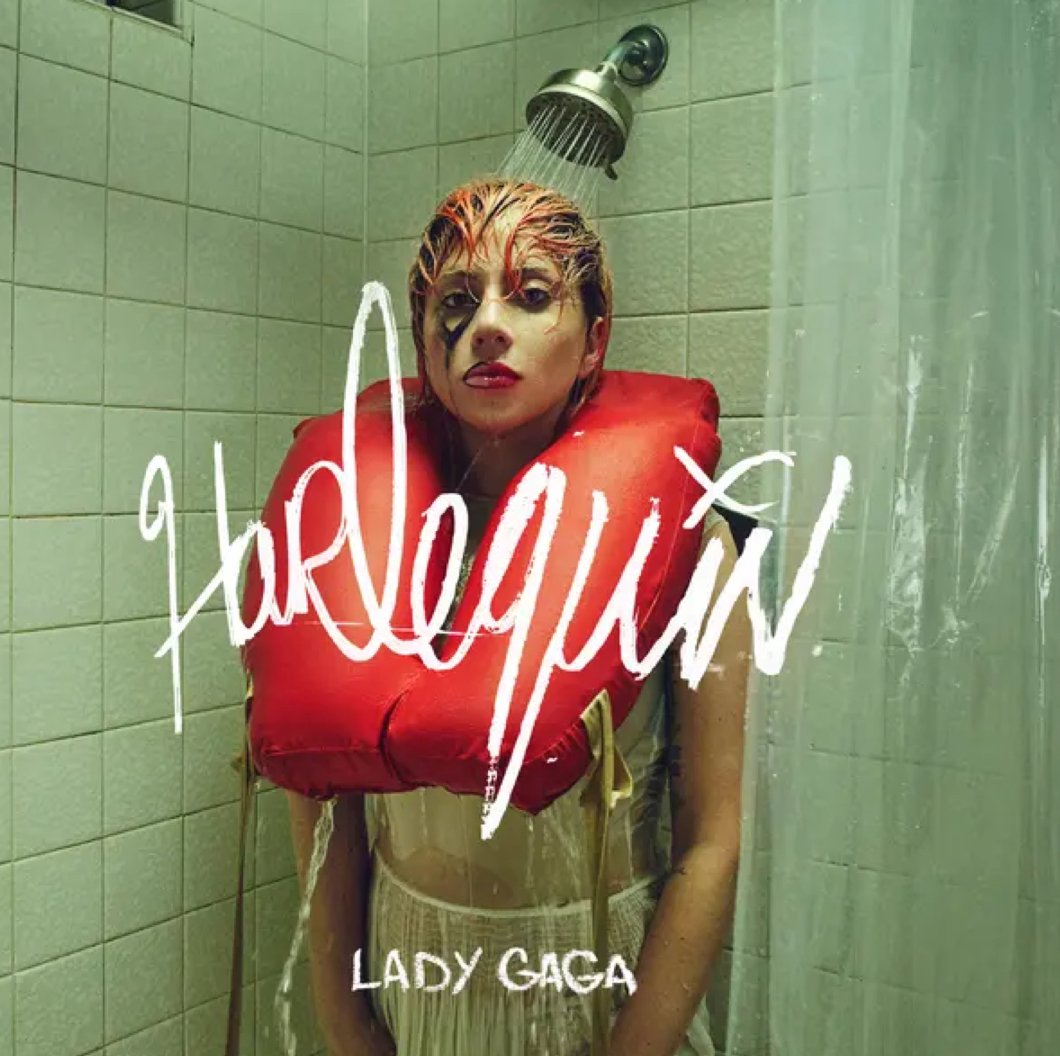
The much-anticipated sequel to Todd Phillips’ Joker, titled “Joker: Folie à Deux”, has generated significant buzz not only for its intense narrative and cinematic style but also for the unique addition of Lady Gaga to the cast. Portraying Harley Quinn, Lady Gaga is expected to bring her multifaceted talents to the character, blending acting and music in a way that pushes the boundaries of what fans might expect from a comic book adaptation. However, it’s not just her role in the film that has captivated audiences—her companion album, Harlequin, has further expanded the scope of the project, adding a distinctive musical dimension to the film.
Released ahead of the movie’s theatrical debut, “Harlequin” features a mix of jazz standards, covers, and original songs that delve into the psyche of Harley Quinn, reflecting her complex relationship with the Joker and her own descent into madness. This musical endeavor serves as both a standalone album and an auditory exploration of the themes presented in “Joker: Folie à Deux”. The album’s release has solidified Lady Gaga’s role as a creative force in the project, making Harlequin an essential part of the Joker sequel experience.
The Sound of Madness: A Critical Exploration of “Harlequin”
Lady Gaga’s “Harlequin” includes 13 tracks that traverse different genres and musical eras. While the majority of the songs are drawn from the Great American Songbook—a collection of standards that defined 20th-century jazz and pop music—two original compositions written specifically for the album stand out for their raw, emotional depth. These songs provide a glimpse into Harley’s chaotic mind, portraying her struggle for identity and power in a relationship where the lines between victim and villain are perpetually blurred.
One of the most notable tracks is Gaga’s reinterpretation of “The Joker,” originally from the 1964 musical “The Roar of the Greasepaint – The Smell of the Crowd”. Her rendition is sultry and haunting, transforming a relatively obscure song into an anthem of defiance and self-proclamation. Gaga’s vocal delivery on this track captures the sinister charm of Harley Quinn, embodying a character who revels in her own madness while asserting herself as the true mastermind of the chaos around her.
In a recent interview, Gaga mentioned that “The Joker” was the most daring song on the album, revealing that she and her fiancé Michael Polansky wanted to capture Harley’s shift in power dynamics. “It’s about Lee [Harley Quinn] taking control of her narrative, asserting that she’s not just a sidekick, but the real force behind their crime spree,” Gaga explained. “There’s a line in the song—‘I am the Joker, the laugh is mine’—that sums up her transformation. She’s proclaiming herself as a dark mirror to Arthur Fleck [Joker].” This emphasis on self-identification and the reclaiming of agency is a running theme throughout Harlequin, adding layers of meaning to the film’s exploration of identity and mental illnes.
Modern Spin on Timeless Classics
Lady Gaga’s ability to reinterpret classic songs is on full display in “Harlequin”. The album includes covers of jazz standards such as “Get Happy” and “Anything Goes,” both of which were popularized in the early 20th century. Gaga’s versions, however, are anything but traditional. She infuses each song with a frenetic energy that mirrors Harley Quinn’s instability, blending slapstick elements with somber undertones.
In “Get Happy,” for instance, Gaga alters the tempo and adds dissonant harmonies, turning a typically jubilant tune into an unsettling reflection of Harley’s twisted worldview. The lyrics—“Forget your troubles, come on, get happy”—take on a dark irony when juxtaposed with Arthur Fleck’s violent actions in the first film. The contrast between the upbeat melody and the underlying menace in Gaga’s voice makes the listener question whether happiness, as defined in the song, is truly attainable for characters like Harley and the Joker.
The album’s production also plays a significant role in setting the tone. Collaborating with longtime producer BloodPop, Lady Gaga has crafted an auditory landscape that feels both nostalgic and avant-garde. The arrangements, which often feature sudden shifts in dynamics and tempo, serve as musical metaphors for Harley’s unpredictable nature. Gaga’s voice is used as an instrument of emotion, ranging from soft, melodic whispers to powerful, belting crescendos, capturing the character’s fluctuating states of mind.
Exploring Themes of Identity and Madness Through Music
“Harlequin” serves as more than just a collection of songs; it’s an exploration of Harley Quinn’s character arc. Each track reflects a different facet of her personality, from her playful mischief to her darker, more dangerous inclinations. For Lady Gaga, the challenge was to ensure that every song contributed to the overarching narrative of the film while standing on its own as a piece of music.
The album’s penultimate track, “Carnival of Shadows,” is an original composition that delves into Harley’s experience of being overshadowed by the Joker’s persona. The lyrics, penned by Gaga and her team, are filled with references to classic carnival imagery—mirrors, masks, and distorted laughter—that symbolize Harley’s struggle to distinguish her own identity from that of her infamous partner. The song culminates in a chaotic instrumental breakdown, where violins screech and pianos clash, echoing Harley’s inner turmoil.
Gaga has described “Carnival of Shadows” as a deeply personal song that resonated with her own experiences of navigating the complexities of fame and self-perception. “It’s about being seen, but not seen for who you are,” she noted in an interview with “Entertainment Weekly”. “Harley is constantly being defined by her relationship with the Joker, but in this song, she’s reclaiming her image, saying, ‘I am more than the reflection in your mirror.’” This declaration of independence is a recurring theme in both the album and the film, underscoring Harley’s evolution from a sidekick to a formidable force in her own right
The Role of Harlequinin Joker: Folie à Deux
Lady Gaga’s album is an essential component of “Joker: Folie à Deux”, providing context and emotional depth that enhance the film’s narrative. The music captures the emotional complexity of the characters and their relationships, offering insights into their motivations and desires. By integrating these songs into the film’s soundtrack, Todd Phillips has created a unique synergy between the visual and auditory storytelling, making Folie à Deux a more immersive experience.
Overall, Harlequin stands as a testament to Lady Gaga’s versatility as an artist. It’s not just a companion album—it’s a daring exploration of character through music, blending the old and the new, the familiar and the strange. Just as “Joker: Folie à Deux”challenges our understanding of superhero narratives, Harlequin challenges our perceptions of what a soundtrack can be. With her innovative approach and fearless performance, Lady Gaga has once again proven that she is an artist unafraid to push boundaries and redefine expectations.