Lan Lam’s Unique Scrambled Eggs Technique: The Only Recipe You’ll Ever Need

March 5, 2026
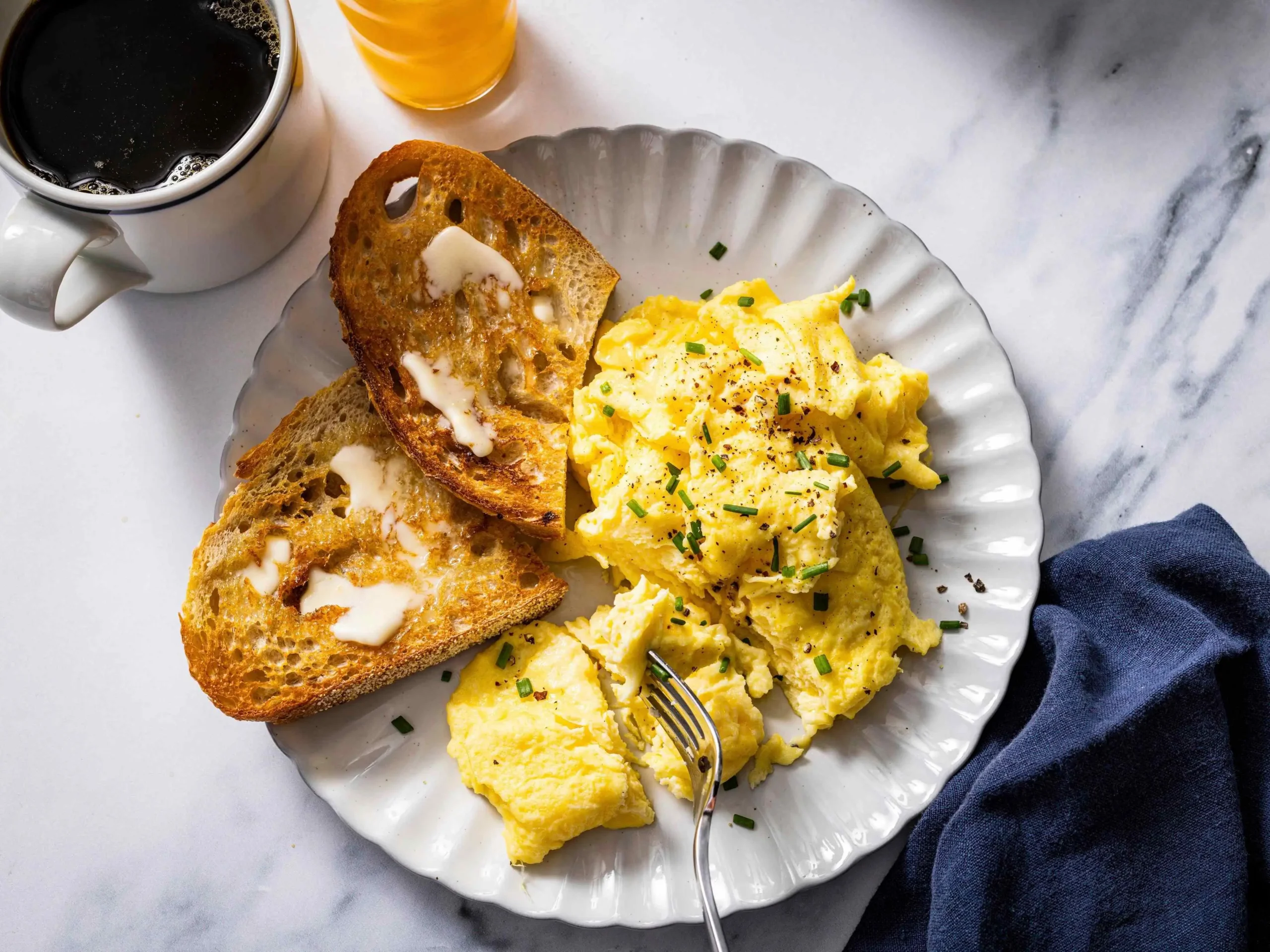
Scrambled eggs are one of the most familiar dishes in the world. They appear on breakfast tables, brunch menus, and late-night kitchens alike. Yet despite their simplicity—just eggs, heat, and perhaps butter—many cooks struggle to achieve the ideal texture. Too much heat and the eggs turn dry and crumbly. Too little technique and they become watery or rubbery.
In an episode of Techniquely with Lan Lam, the culinary instructor and food scientist breaks down the science and technique behind perfect scrambled eggs. Lam, a respected voice from the test kitchen world, approaches the dish with both precision and clarity, turning a humble breakfast staple into a lesson in heat control, emulsification, and patience.
The result is a scrambled egg method that consistently produces creamy, delicate curds with rich flavor and soft texture. Once mastered, it becomes the only scrambled eggs recipe you’ll ever need.
why
At first glance, scrambled eggs seem foolproof. Crack eggs, beat them, cook them in a pan, and stir. But eggs are delicate proteins, and cooking them properly requires understanding how those proteins react to heat.
Egg whites and yolks contain different proteins that coagulate—or firm up—at different temperatures. Whites begin to set around 144°F, while yolks start thickening closer to 149°F. If heat rises too quickly, the proteins tighten aggressively, squeezing out moisture and creating a tough texture.
This is why many scrambled eggs turn out dry or rubbery. High heat forces the eggs to cook faster than the proteins can gently set.
Lan Lam’s technique solves this problem by slowing the cooking process and allowing the eggs to form tender curds gradually.
flow
The beauty of scrambled eggs lies in their minimal ingredient list. Lam emphasizes that quality ingredients matter because there is nowhere to hide flaws.
Start with fresh eggs. Fresh eggs have thicker whites and richer yolks, which contribute to better texture and flavor.
Butter is the preferred cooking fat. Butter adds flavor and also introduces milk solids and water, which help create a more luxurious mouthfeel.
Salt is the final key element. Interestingly, Lam recommends salting the eggs before cooking rather than after. Pre-salting allows the salt to begin dissolving the egg proteins, leading to more tender curds during cooking.
The ingredient list is therefore simple:
Eggs
Butter
Salt
Optional additions like chives, black pepper, crème fraîche, or cheese can enhance the dish, but the base recipe relies on mastering the technique first.
step one
Crack the eggs into a bowl and whisk them thoroughly until the yolks and whites are completely combined.
This step matters more than many cooks realize. Incomplete whisking results in streaky eggs with uneven texture. Proper whisking creates a uniform mixture that cooks evenly.
Lam suggests whisking until the mixture looks smooth and slightly frothy.
Add a pinch of salt at this stage and whisk again.
Allowing the salted eggs to sit briefly—around 30 seconds to a minute—begins the protein-tenderizing process.
step two
One of the defining aspects of Lan Lam’s scrambled egg technique is starting with a cold pan.
Most cooking begins with preheating, but scrambled eggs benefit from gradual heat.
Place a nonstick skillet on the stove. Add a generous knob of butter and pour in the eggs before turning on the heat.
This allows the eggs and butter to warm slowly together, preventing the sudden coagulation that causes dry eggs.
step three
Turn the burner to medium-low heat and begin stirring immediately with a silicone spatula.
The goal is constant, gentle movement. Stirring redistributes heat and ensures the eggs cook evenly.
As the eggs warm, small curds will begin to form.
Continue pushing the eggs across the pan slowly, scraping the bottom to prevent sticking.
Unlike aggressive scrambling—which breaks eggs into tiny fragments—Lam’s technique encourages medium-sized, soft curds.
The process should feel calm and controlled rather than rushed.
step four
Heat control is the secret to perfect scrambled eggs.
If the eggs begin cooking too quickly, reduce the heat or briefly remove the pan from the burner.
Lam often recommends a technique similar to French soft scrambling: alternating between heat and rest.
When the eggs appear to thicken, remove the pan from heat and continue stirring. The residual warmth will continue cooking them gently.
Return the pan to the burner if needed.
This prevents overheating and maintains a creamy texture.
step five
The biggest mistake home cooks make is cooking scrambled eggs until they appear fully done in the pan.
Eggs continue cooking even after leaving the stove due to residual heat.
Lan Lam advises removing the eggs when they are still slightly glossy and soft.
They will finish cooking on the plate, resulting in perfectly tender curds rather than dry ones.
show
When executed correctly, the final scrambled eggs should have a silky consistency with soft, pillowy curds.
They should not be watery, but they should remain moist.
Each bite should feel light, creamy, and rich.
This style of scrambled eggs sits somewhere between classic American diner eggs and the ultra-soft French style popularized by chefs like Jacques Pépin.
The balance provides structure without sacrificing creaminess.
opt
Once the technique is mastered, scrambled eggs become a versatile canvas.
Lan Lam suggests a few subtle finishing options.
Fresh herbs such as chives, parsley, or dill add brightness.
Freshly cracked black pepper introduces gentle spice.
A small spoonful of crème fraîche or sour cream can add luxurious tanginess.
Grated cheese—especially cheddar, Gruyère, or parmesan—creates a richer variation.
However, Lam emphasizes that perfect eggs should taste excellent even without embellishments.
serve
Scrambled eggs are best served immediately.
They pair beautifully with toasted sourdough, buttered brioche, or a simple slice of whole-grain bread.
For a fuller breakfast, they can accompany avocado, smoked salmon, roasted tomatoes, or crispy bacon.
They also shine in breakfast sandwiches, wraps, or rice bowls.
But at their core, scrambled eggs require little more than good bread and perhaps a cup of coffee.
idea
Many recipes attempt to improve scrambled eggs by adding milk, cream, or other ingredients.
While these additions can change flavor, they are not necessary for great eggs.
Lan Lam’s approach focuses instead on technique.
Controlling heat, stirring properly, and removing eggs at the right moment create the creamy texture most people seek.
It proves that even the simplest dishes benefit from thoughtful cooking methods.
phil
The lesson behind Lam’s scrambled egg technique goes beyond breakfast.
Cooking is often about understanding ingredients and respecting their natural behavior.
Eggs are delicate, and treating them gently produces superior results.
By slowing down and paying attention to texture, heat, and timing, even novice cooks can elevate a basic dish into something remarkable.
sum
In the world of cooking, some recipes are worth memorizing. Perfect scrambled eggs are one of them.
They are quick, affordable, and endlessly adaptable.
But most importantly, they reward good technique.
Lan Lam’s method strips the dish down to its essentials: eggs, butter, salt, patience, and careful heat control.
Master those elements, and you will consistently produce soft, creamy scrambled eggs that rival those served in professional kitchens.
Once you adopt this approach, every other scrambled egg recipe will feel unnecessary.
Because sometimes the best recipe isn’t complicated at all—it’s simply the right technique.


No comments yet.