LeBron XXIII “Masked Menace” Basketball Shoe

March 24, 2026
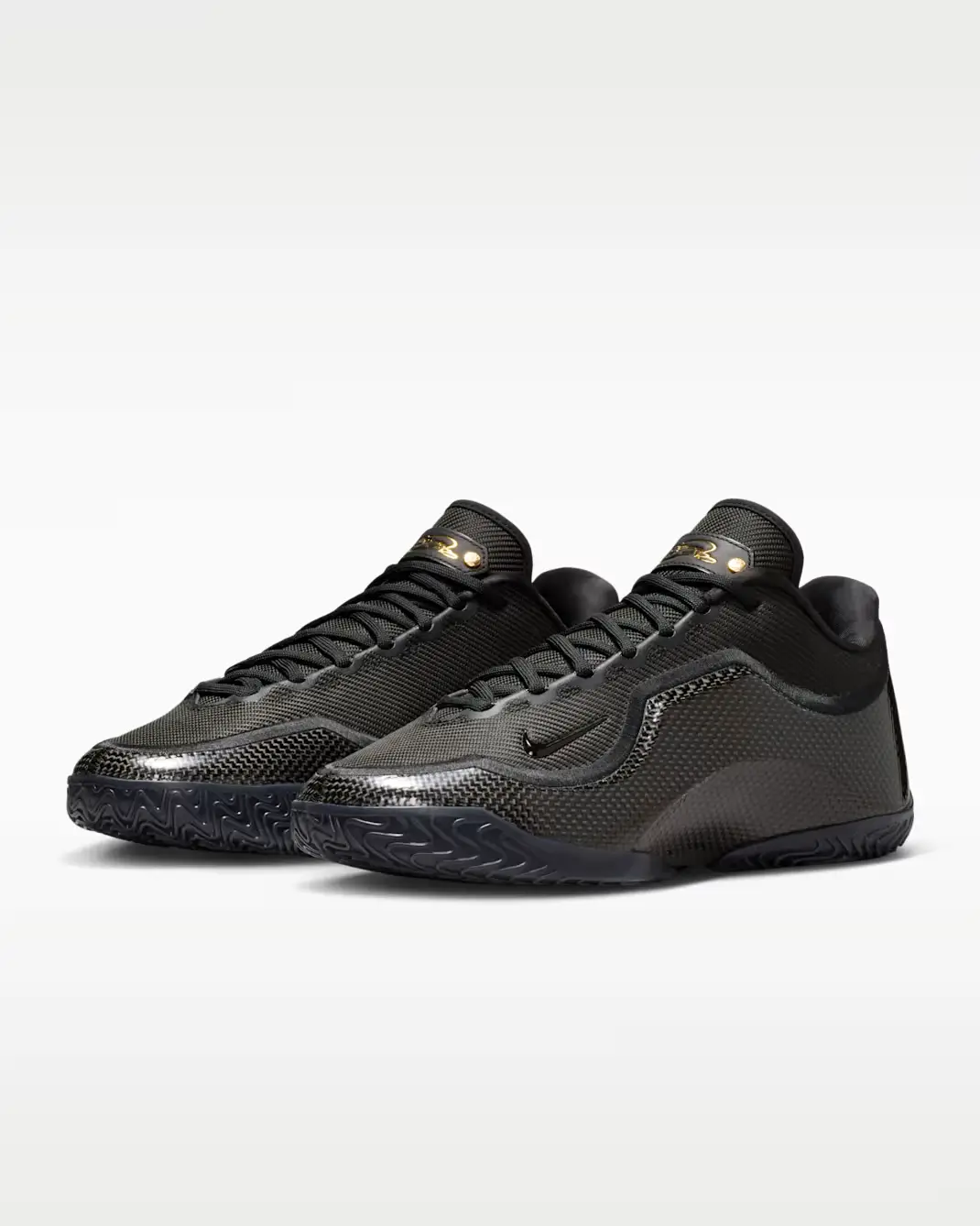
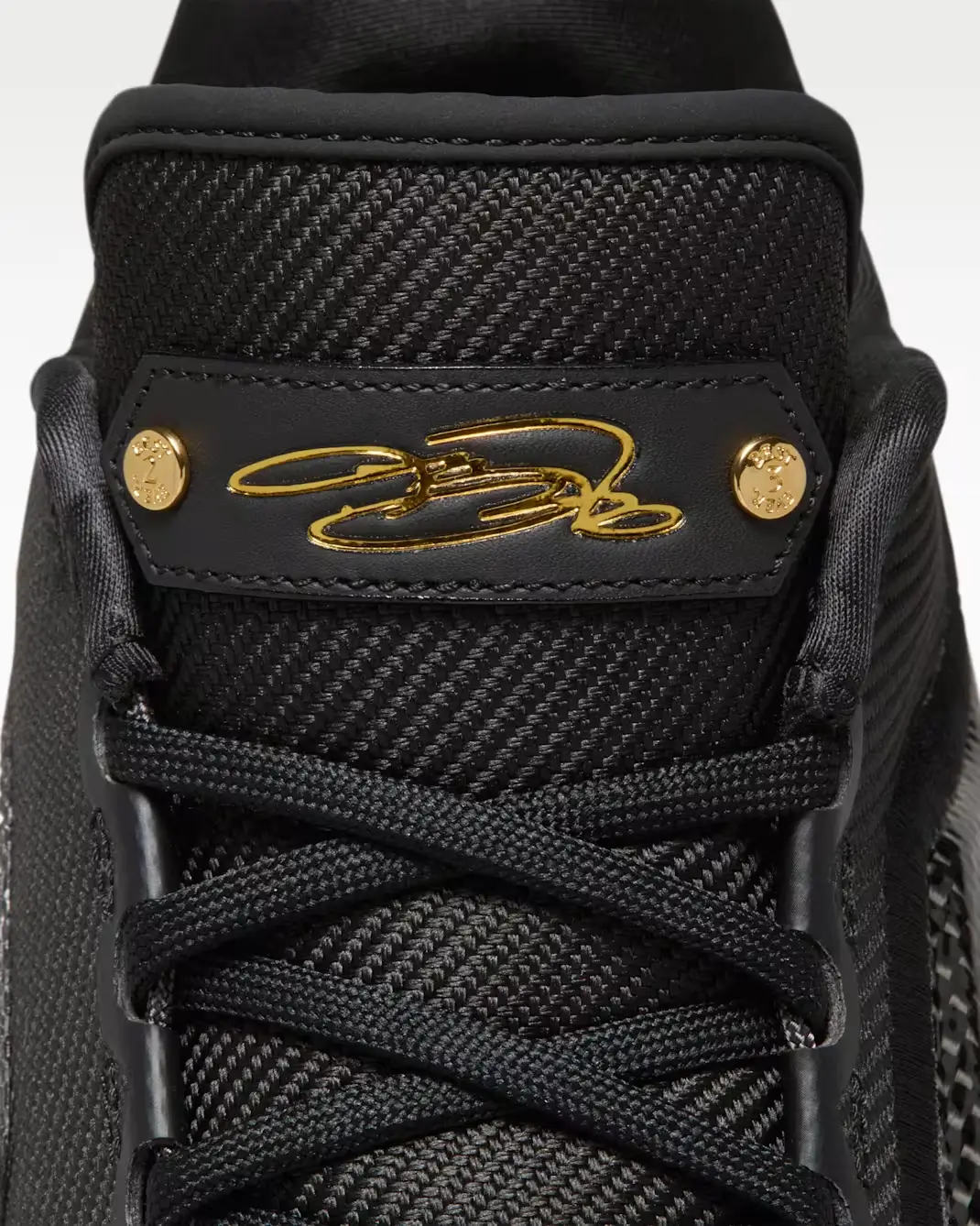
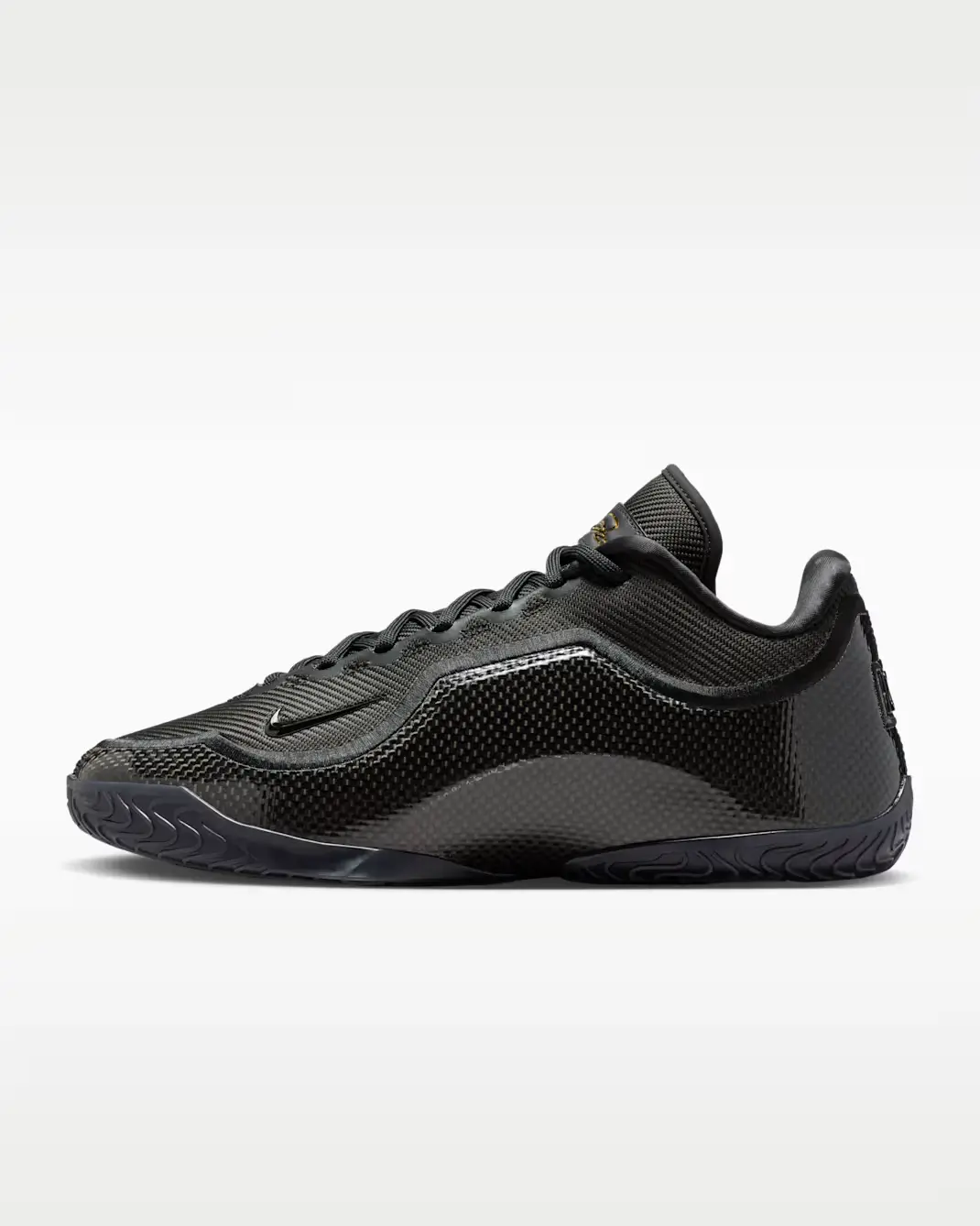
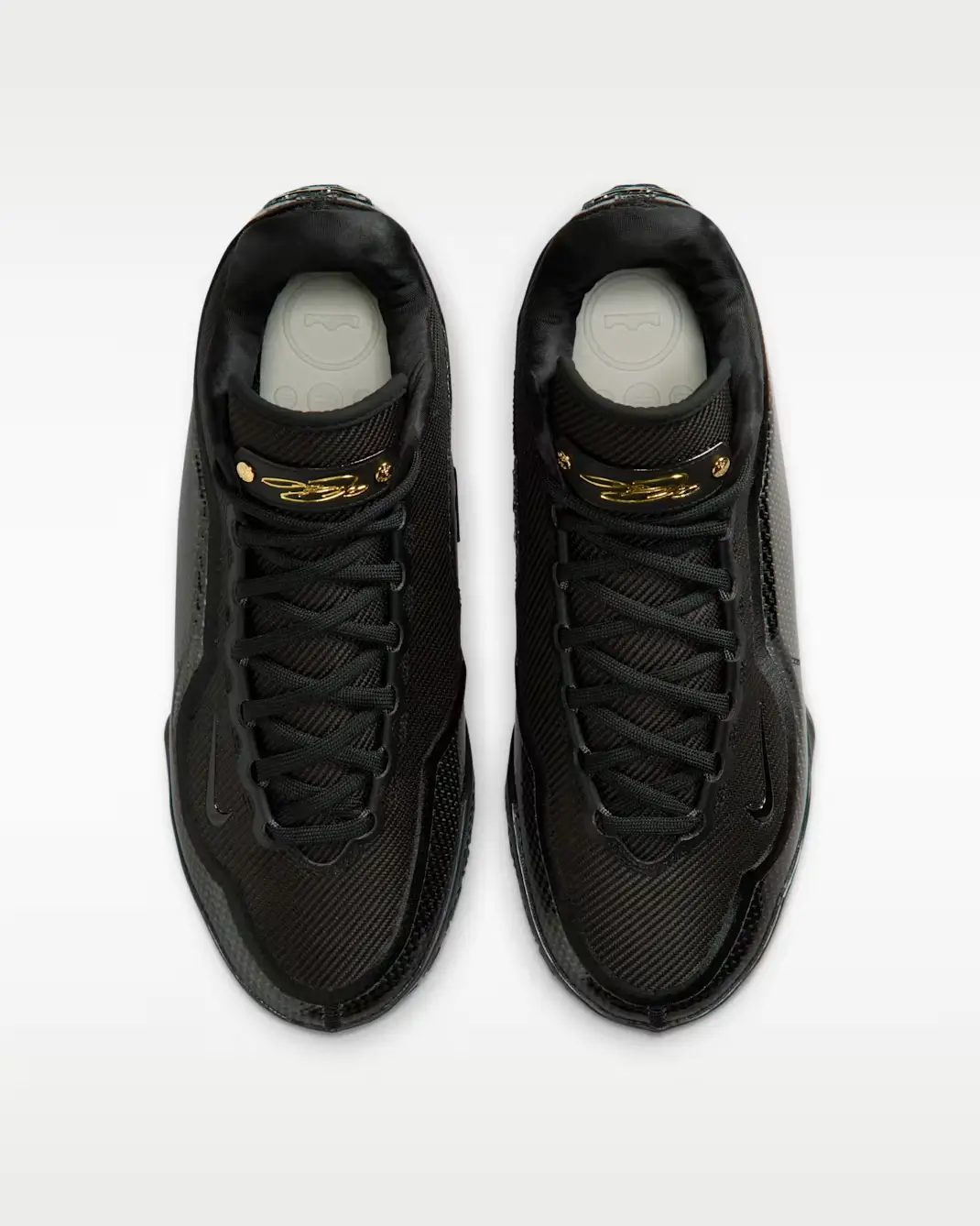
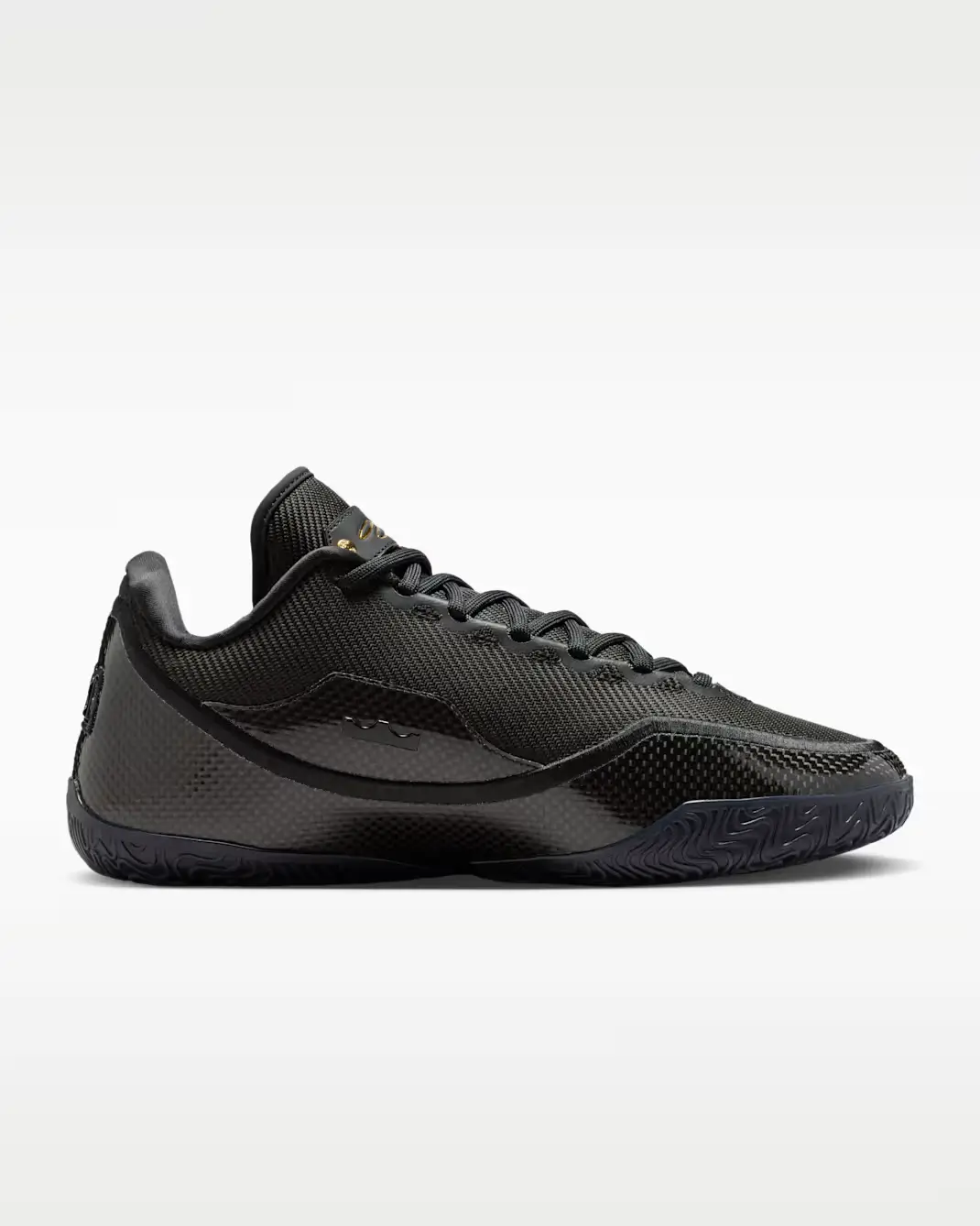
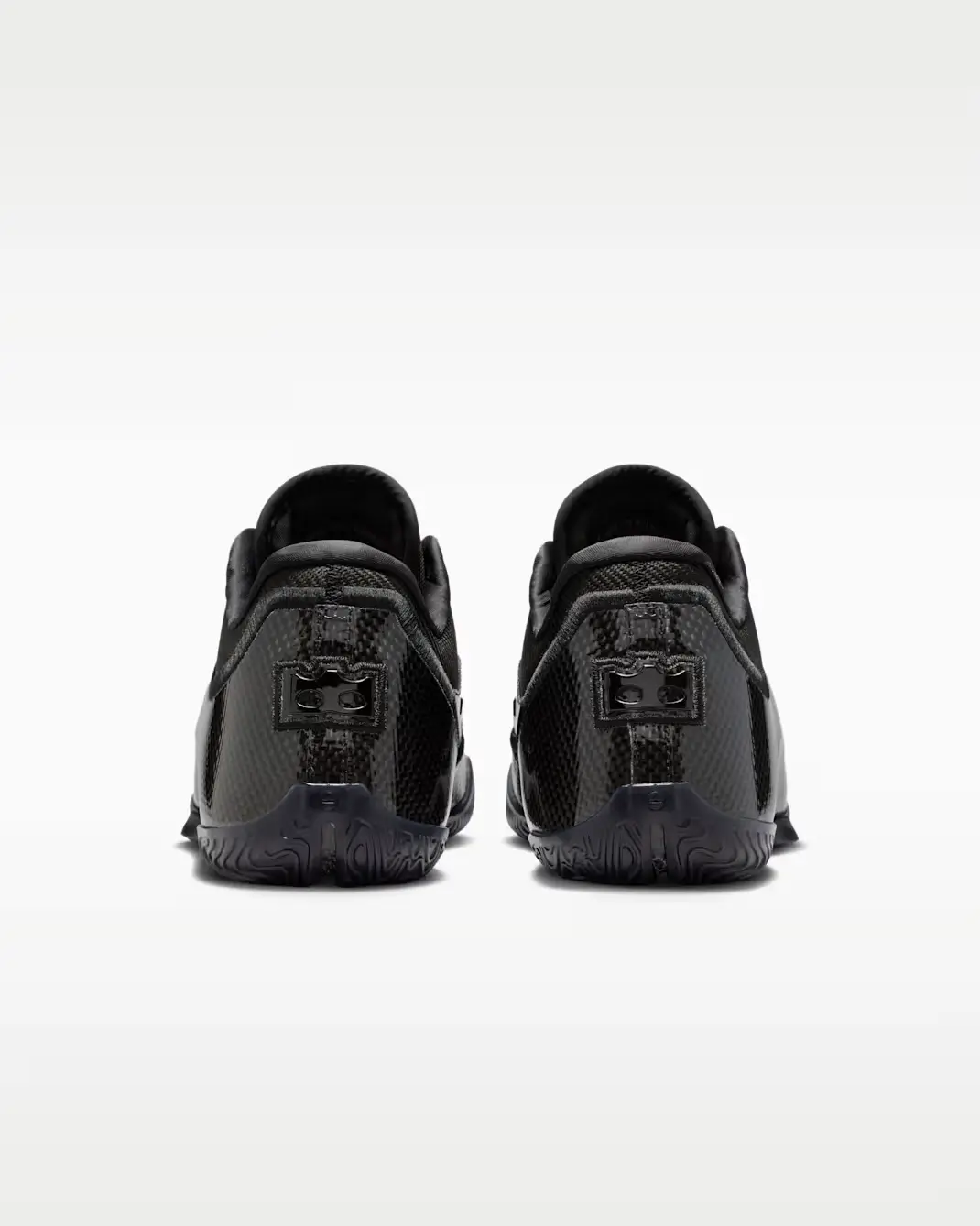
The latest chapter in the signature lineage of LeBron James arrives not as a celebration, but as a recalibration. The LeBron XXIII “Masked Menace” positions itself within a lineage already burdened by expectation, yet it avoids nostalgia. Instead, it leans into something sharper—controlled aggression, restraint under pressure, and a kind of anonymity that paradoxically amplifies presence. Where earlier LeBron silhouettes often leaned into maximalism, this edition strips back visual noise and replaces it with tension.
The “Masked Menace” naming is not incidental. It suggests concealment, but also intent. In basketball terms, it evokes the player who dominates without theatrics—the one who dictates tempo, absorbs contact, and dismantles structure without needing spectacle. This framing aligns closely with the later-career evolution of LeBron himself: less explosive in obvious ways, more surgical in execution.
idea
At first glance, the LeBron XXIII appears compact. The proportions are tightened, the stance lower, the geometry more deliberate. This is not a shoe designed to exaggerate height or create visual bulk. Instead, it compresses energy into the midfoot and forefoot zones, creating a silhouette that feels closer to the court.
The upper construction reflects this philosophy. A layered mesh system—engineered rather than decorative—wraps the foot with directional intent. Zones of reinforcement are mapped not symmetrically, but according to stress points: lateral containment for cuts, medial flexibility for transitions. The result is a shoe that feels less like a shell and more like an extension of movement.
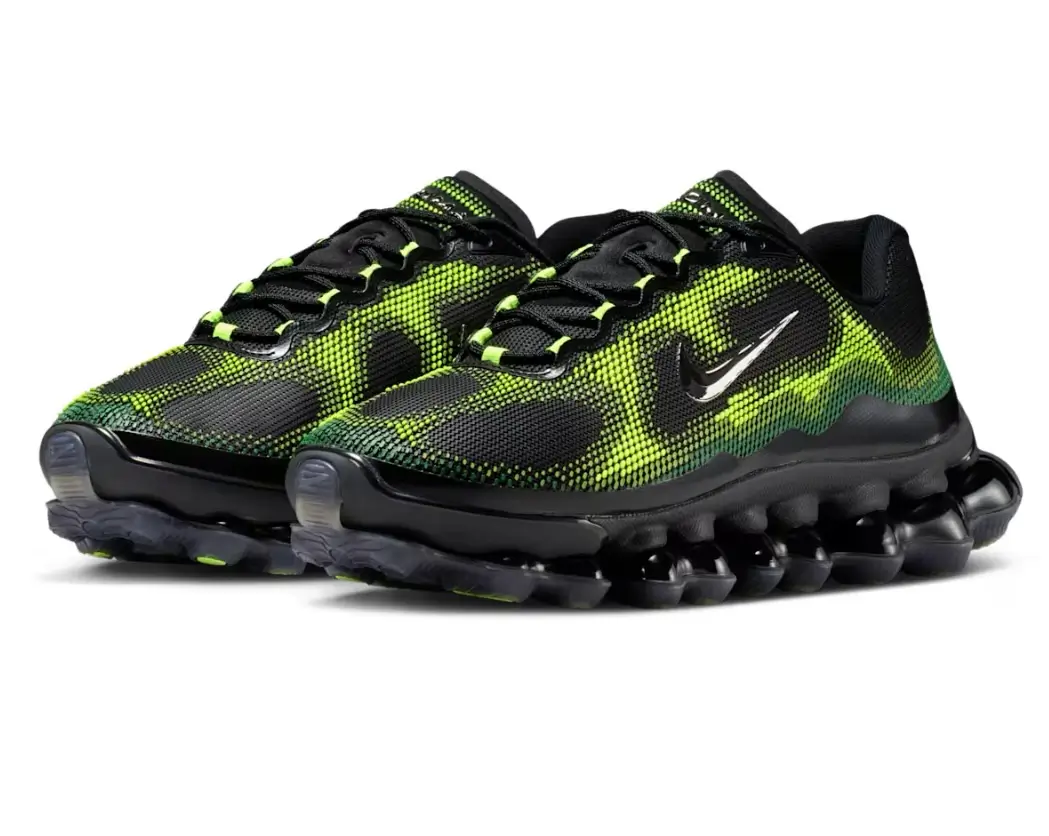
The “Masked Menace” colorway amplifies this structure. Black dominates the base, absorbing light and flattening unnecessary detail, while sharp red accents cut through the darkness. These accents are not scattered; they are placed with precision, tracing key structural lines—eyelets, Swoosh outlines, and traction nodes. The effect is surgical rather than expressive.
stir
In recent years, Nike has shifted its performance footwear strategy toward material intelligence—doing more with less, rather than adding layers for the sake of visual complexity. The LeBron XXIII embodies this shift.
The upper’s engineered textile is lightweight but not fragile. It balances breathability with containment, avoiding the overly soft feel that can compromise lateral stability. Internally, a dynamic lacing system integrates with the midfoot structure, creating a lockdown that adapts rather than restricts. This is crucial for a player profile like LeBron’s, where movement oscillates between explosive drives and controlled half-court pacing.
Padding is minimal but strategic. The collar avoids excess cushioning, instead offering targeted support around the Achilles and ankle. This reduces weight while maintaining comfort, a balance that has historically been difficult in LeBron models, which often leaned heavier due to their support systems.
philosophy
Cushioning in the LeBron XXIII is less about bounce and more about management. While previous models emphasized visible Air units or exaggerated responsiveness, this iteration integrates cushioning into a more cohesive system.
A full-length Air Zoom configuration sits beneath a responsive foam carrier, tuned for both impact absorption and energy return. The key difference lies in how this system is calibrated. Rather than prioritizing vertical explosiveness alone, it distributes pressure across the foot, making transitions smoother and landings more stable.
This is particularly relevant for modern basketball, where the game has become faster, more perimeter-oriented, and more reliant on repeated directional changes. The “Masked Menace” responds to this evolution by prioritizing consistency over spectacle. Every step feels controlled, every landing predictable.
trek
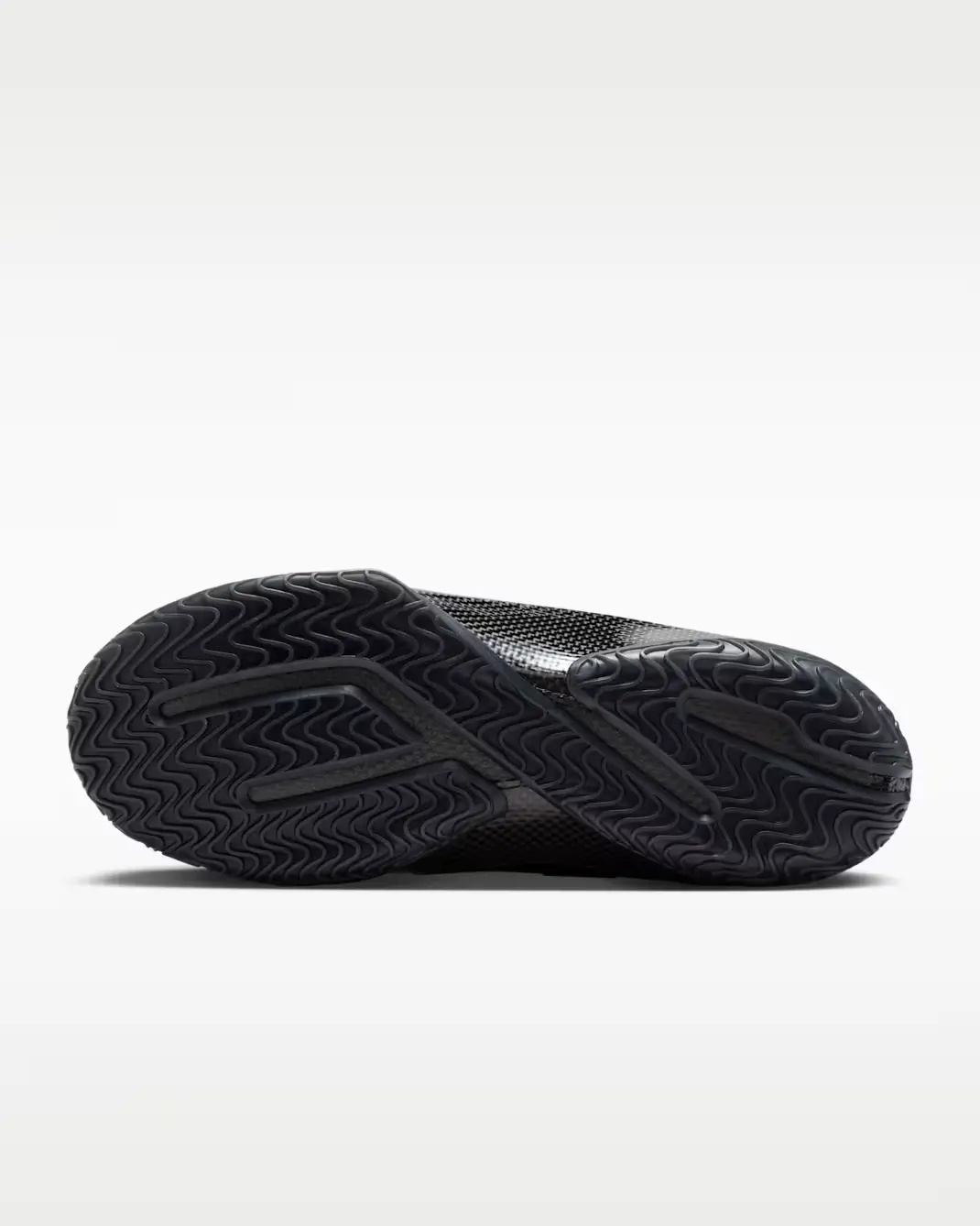
The outsole design deserves particular attention. Instead of relying on traditional herringbone patterns, the LeBron XXIII introduces a multi-directional traction system that resembles a network rather than a pattern. Nodes and lines intersect in ways that mirror movement pathways—forward acceleration, lateral cuts, and rotational pivots.
This approach transforms traction from a surface detail into an architectural feature. It is not simply about grip; it is about guiding movement. The outsole works in tandem with the upper and cushioning system, creating a unified performance experience.
In the “Masked Menace” colorway, the outsole often features translucent or tinted rubber, revealing the complexity beneath. This transparency reinforces the idea that performance is not hidden—it is embedded.
theme
Beyond performance, the LeBron XXIII engages with a psychological narrative. The “Masked Menace” concept suggests a player who operates without needing recognition. The mask becomes a metaphor for focus, for removing distraction, for entering a state where only execution matters.
This aligns with a broader cultural shift in sports aesthetics. Where once visibility and branding were paramount, there is now a growing appreciation for subtlety and intention. Players are no longer defined solely by highlight moments, but by their ability to control games in less obvious ways.
The shoe reflects this shift. Its design does not seek immediate attention; it rewards closer inspection. The details reveal themselves over time—the layering of materials, the precision of color placement, the integration of performance features.
sig
The LeBron signature line has always been a reflection of its namesake’s career trajectory. Early models emphasized power and presence, mirroring a young player redefining physical dominance. Mid-career iterations experimented with innovation, introducing new cushioning systems and bold aesthetics.
The XXIII represents a different phase. It is not about proving capability; that has long been established. Instead, it is about refinement—distilling decades of experience into a product that prioritizes efficiency and control.
In this sense, the “Masked Menace” stands apart. It is less concerned with legacy as spectacle and more with legacy as function. It asks a different question: what does performance look like when nothing needs to be proven?
culture
On the court, the LeBron XXIII performs as expected for a flagship model, but its true impact lies in how it aligns with contemporary basketball culture. The modern game values versatility, adaptability, and intelligence. Players are expected to do everything—score, facilitate, defend, and read the game in real time.
The shoe supports this multidimensional approach. Its balance of stability and responsiveness allows for seamless transitions between roles. Whether initiating offense, cutting off-ball, or defending multiple positions, the XXIII adapts without demanding adjustment.
Off the court, the “Masked Menace” aesthetic resonates with a broader shift toward understated design. In a market saturated with loud colorways and exaggerated forms, its restraint feels deliberate. It speaks to an audience that values nuance over noise.
fin
The LeBron XXIII “Masked Menace” does not announce itself loudly. It does not rely on nostalgia or overt storytelling. Instead, it operates with a kind of quiet confidence, reflecting the mindset of a player who has moved beyond the need for validation.
This is a shoe about control—of movement, of energy, of perception. It is about understanding the game at a level where every action is intentional, every detail considered.
In that sense, the “Masked Menace” is less a product and more a perspective. It captures a moment in the evolution of both a player and the sport itself, where performance is no longer about excess, but about precision.