
Legion Go Fold Concept: Lenovo’s Vision for the Future of Handheld Gaming

March 7, 2026
a new
The handheld gaming renaissance has been one of the most compelling shifts in modern consumer technology. Once dominated by dedicated consoles like the Game Boy or PSP, portable gaming now exists in a hybrid ecosystem where PC power meets mobile convenience. Devices like Valve’s Steam Deck and Lenovo’s Legion Go have demonstrated that players want the full PC experience in a compact, portable form.
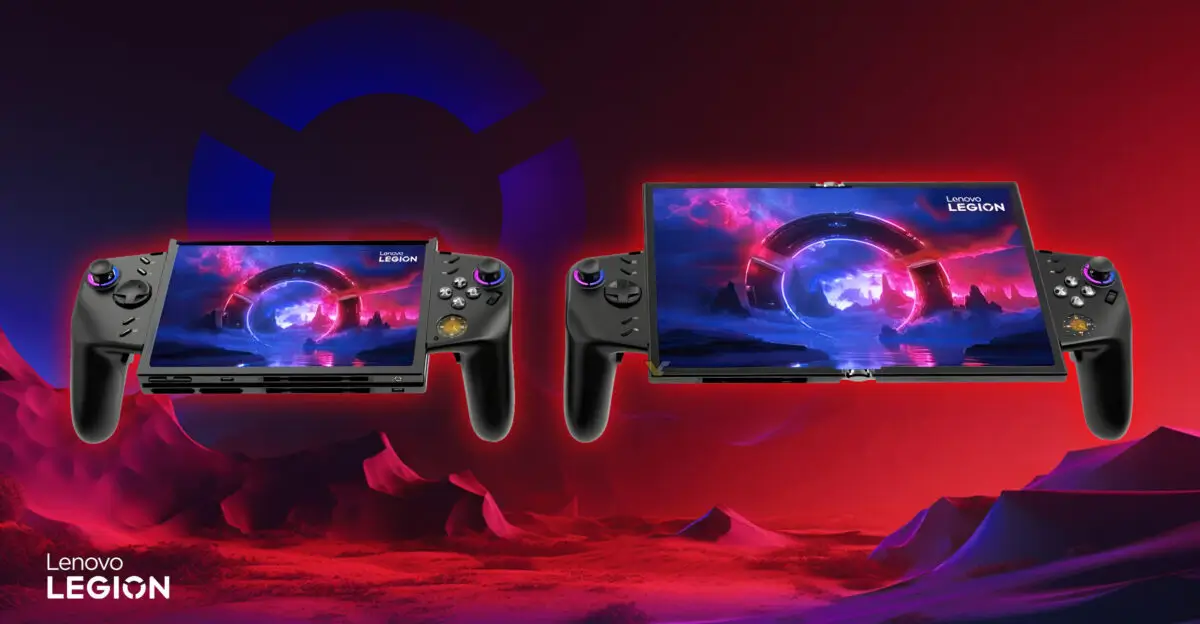
At the Mobile World Congress in Barcelona, Chinese technology giant Lenovo unveiled a bold concept that pushes the category further into experimental territory. The Lenovo Legion Go Fold Concept introduces foldable display technology to the handheld gaming PC space, transforming a device that fits in a backpack into something closer to a miniature gaming laptop when fully opened.
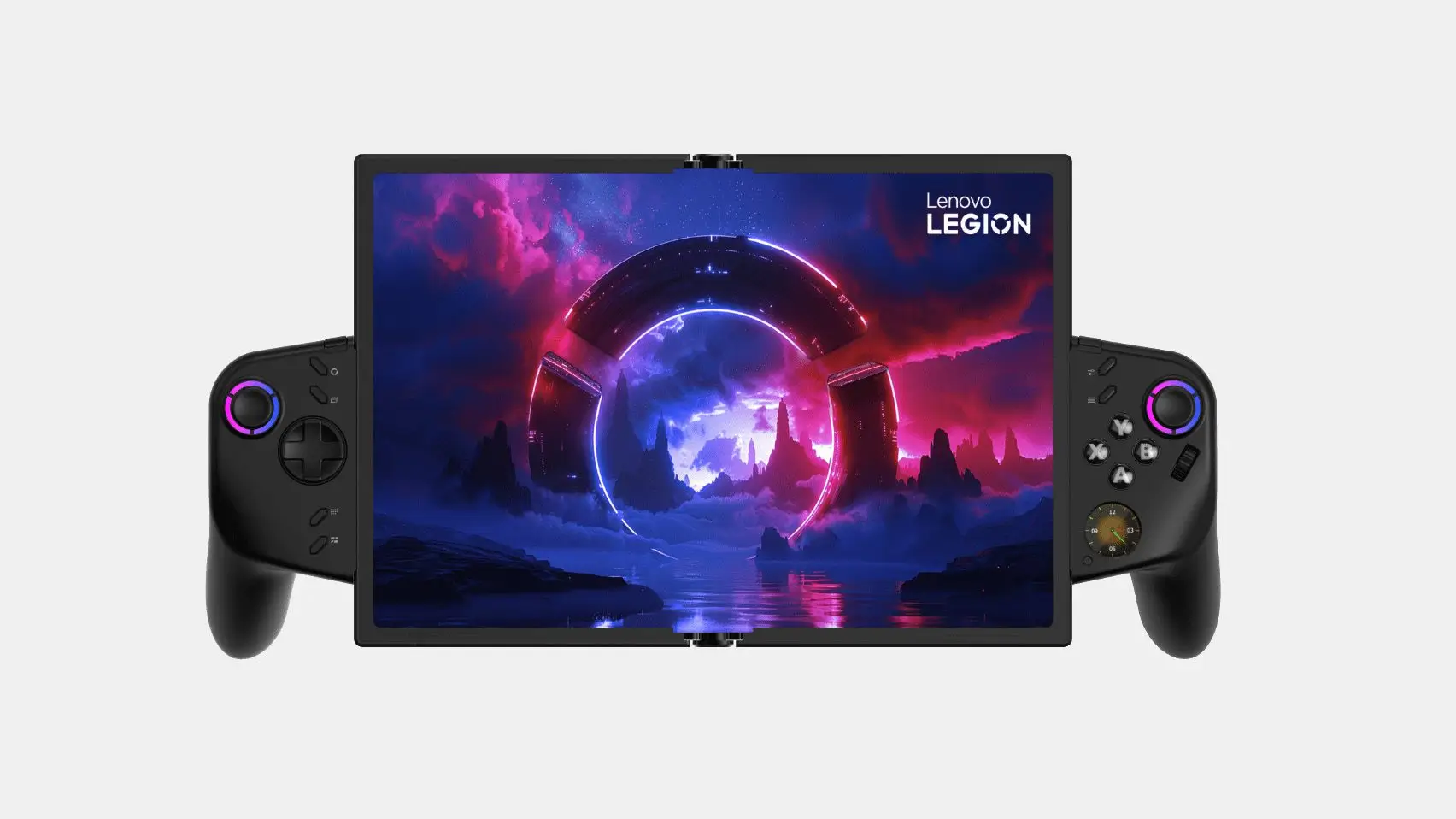
The prototype builds upon Lenovo’s existing Legion Go ecosystem but introduces a key twist: a flexible OLED display that expands from 7.7 inches when folded to 11.6 inches when fully opened. The result is a device that attempts to merge three different product categories into one: handheld console, portable PC, and foldable display device.
While still only a concept, the Legion Go Fold represents an intriguing direction for gaming hardware—one where portability does not require sacrificing screen real estate.
the evolve
To understand why Lenovo’s experiment matters, it helps to look at how handheld gaming devices have evolved over the past decade.
For years, the idea of a portable PC gaming machine was technically possible but commercially impractical. Traditional gaming laptops were bulky, expensive, and required large batteries and cooling systems. The rise of low-power AMD processors and efficient GPUs changed that equation.
The release of Valve’s Steam Deck in 2022 proved that a handheld gaming PC could become a mainstream consumer device. Suddenly players could run full PC games—from indie titles to AAA blockbusters—on a device small enough to carry anywhere.
Companies quickly followed the trend. ASUS introduced the ROG Ally, Ayaneo launched several boutique handheld PCs, and Lenovo entered the category with its Legion Go device. Each manufacturer experimented with slightly different approaches: detachable controllers, larger screens, or higher refresh rates.
Lenovo’s original Legion Go distinguished itself with an unusually large 8.8-inch display and detachable controllers reminiscent of the Nintendo Switch. That device emphasized versatility and screen size, two qualities that players increasingly prioritize when gaming on portable hardware.
The Legion Go Fold Concept takes those ideas even further. Instead of simply increasing the display size, Lenovo explores a design where the screen physically transforms depending on how the device is used.
stir
Foldable displays are no longer new technology. Over the past few years, they have become an increasingly common feature in smartphones.
Devices like the Samsung Galaxy Z Fold series and Motorola Razr helped normalize flexible OLED panels that can bend repeatedly without breaking. Early skepticism around durability and crease visibility gradually softened as manufacturers improved hinge mechanisms and display materials.
Yet foldable technology has remained largely confined to phones and a few experimental laptops. Handheld gaming devices have not yet embraced it—until now.
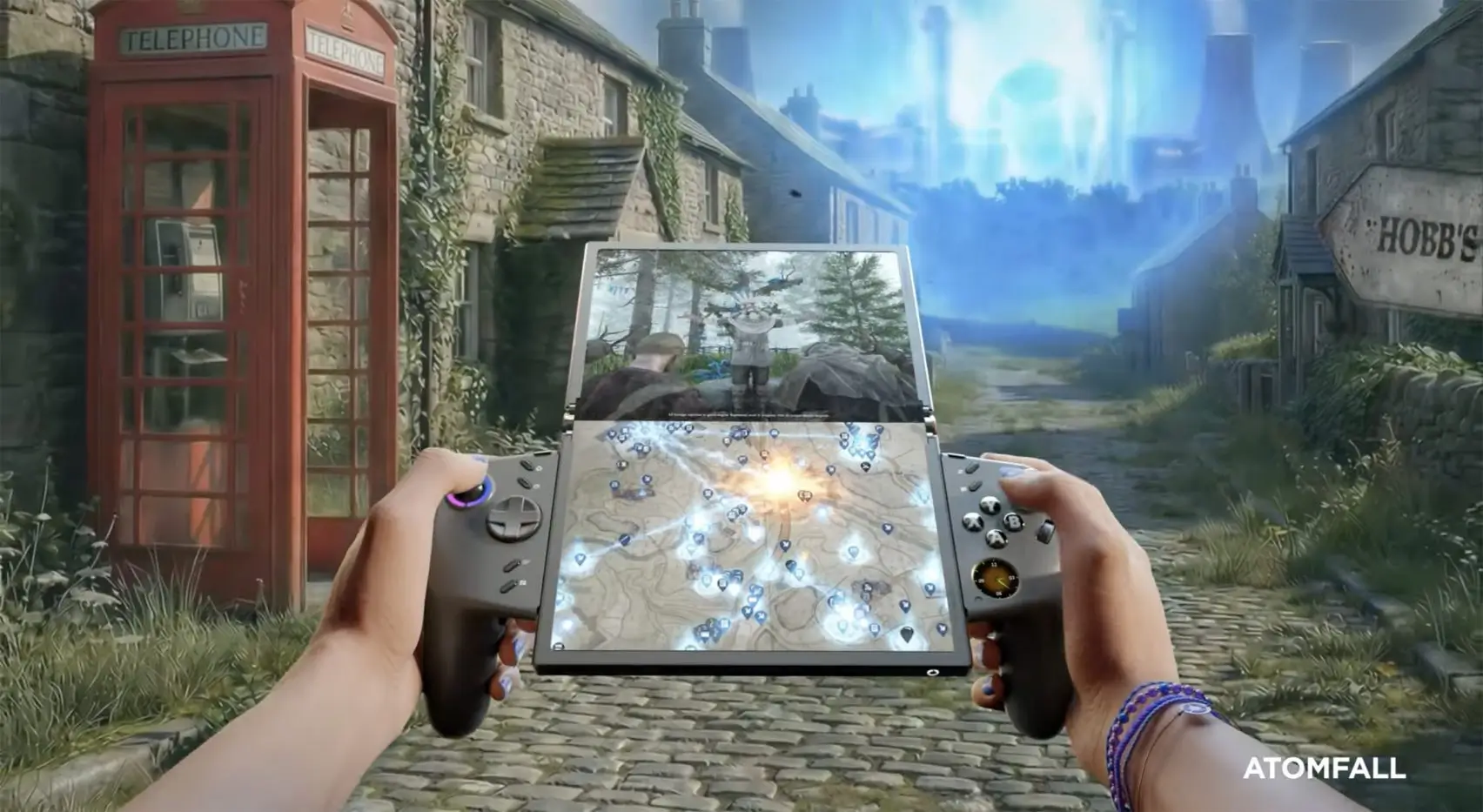
The Legion Go Fold Concept adapts the same flexible display principles used in foldable phones but applies them to a much larger screen designed specifically for gaming. Instead of collapsing into a compact phone form factor, the device folds in half like a book.
When folded, it becomes a manageable handheld device with a 7.7-inch screen. When opened, the screen expands to 11.6 inches, providing dramatically more visual space for gameplay.
That larger display size pushes the Legion Go Fold closer to a tablet or small laptop experience, potentially making it suitable not only for gaming but also for productivity tasks.
phil
Lenovo’s Legion brand has always leaned toward experimental gaming hardware. The Legion Go Fold Concept continues that philosophy by blending gaming ergonomics with flexible display engineering.
At first glance, the device resembles a futuristic hybrid between a gaming console and a folding tablet. The hinge mechanism allows the display to bend smoothly while maintaining structural rigidity—an essential requirement for a device designed to be handled during gameplay.
The folded mode prioritizes portability. At 7.7 inches, the screen size sits comfortably within the range of modern handheld consoles. This makes the device practical for travel, commuting, or casual play sessions.
The expanded mode unlocks the device’s most interesting feature. Opening the display reveals an 11.6-inch screen that provides significantly more space for immersive gaming experiences. Strategy games, RPGs, and open-world titles particularly benefit from the additional visual real estate.
Lenovo appears to be exploring how a foldable display could allow one device to shift between multiple usage scenarios:
• handheld gaming console
• tabletop gaming screen
• portable PC display
• mini entertainment tablet
If successfully implemented, the concept could blur the boundaries between gaming hardware categories.
why
Screen size is one of the biggest limitations of handheld gaming devices. While portability is valuable, smaller screens can reduce immersion and make complex games difficult to play.
Text-heavy PC titles, strategy interfaces, and detailed open worlds often feel cramped on displays smaller than eight inches. Developers frequently have to redesign interfaces or add scaling features to make their games playable on handheld hardware.
By expanding to 11.6 inches, the Legion Go Fold addresses this challenge directly. The larger display could provide a significantly more comfortable gaming experience, especially for PC games originally designed for desktop monitors.
The benefits extend beyond immersion. A larger display improves readability, makes UI elements easier to navigate, and allows players to appreciate graphical details that might otherwise be lost on a smaller screen.
For gamers accustomed to playing on laptops or desktop monitors, the Legion Go Fold’s expanded screen could make handheld gaming feel less like a compromise.
engineer
Creating a foldable gaming device presents significant engineering challenges.
Unlike smartphones, handheld gaming devices must handle sustained processing loads. Modern games push CPUs and GPUs to their limits, generating heat that requires active cooling systems.
Integrating cooling solutions into a foldable chassis is not trivial. The hinge mechanism, display flexibility, and internal component layout must all coexist without compromising durability.
Battery life is another critical factor. A large OLED display consumes more power, particularly when running graphically demanding games. Designers must balance screen brightness, processor efficiency, and battery capacity.
Durability is perhaps the biggest concern. Handheld consoles are frequently transported, dropped, and used in unpredictable environments. The hinge and flexible display must withstand thousands of folds without degrading.
Lenovo has not revealed full technical specifications for the Legion Go Fold Concept, but the prototype suggests that the company is actively exploring how these challenges might be solved in future devices.
influ
The Legion Go Fold Concept also reflects a broader trend in gaming hardware: modularity.
In recent years, manufacturers have experimented with devices that adapt to different play styles. Detachable controllers, docking systems, and external displays have become increasingly common.
Lenovo’s existing Legion Go already features detachable controllers that allow players to switch between handheld mode and tabletop gaming. The foldable display concept builds upon this modular philosophy.
Instead of attaching external screens or docks, the device simply unfolds to provide a larger display.
This approach reduces the need for additional accessories while maintaining flexibility. Players could carry a single device that adapts to different environments, from airplanes to hotel rooms to coffee shops.
fwd
The Legion Go Fold Concept arrives at a moment when portable computing is rapidly evolving.
Cloud gaming, improved battery technology, and efficient mobile processors have made it easier than ever to play demanding games outside the traditional desktop setup.
Portable PCs are increasingly replacing laptops for certain gaming audiences. Devices like handheld consoles offer quick access, intuitive controls, and the ability to suspend games instantly.
Foldable displays may represent the next step in this evolution.
Instead of choosing between portability and screen size, players could potentially enjoy both. A device that fits in a bag could transform into a larger display whenever needed.
If foldable technology becomes more affordable and durable, it could reshape how portable gaming hardware is designed.
sum
The introduction of foldable technology into gaming hardware highlights how quickly the industry continues to innovate.
Just a few years ago, the idea of a portable PC capable of running modern AAA games seemed unrealistic. Today, it is a thriving market category.
Foldable displays could become another transformative technology if manufacturers manage to refine the concept.
A successful foldable gaming device would allow players to enjoy immersive gameplay on larger screens without sacrificing portability. It could also inspire new types of games designed specifically for adaptive displays.
Developers might experiment with interfaces that change depending on whether the device is folded or expanded, similar to how apps behave on foldable smartphones.



No comments yet.