Melrose: Lil Tony Frames the LA Strip with Reticent Authority

April 3, 2026
32 minutes ago
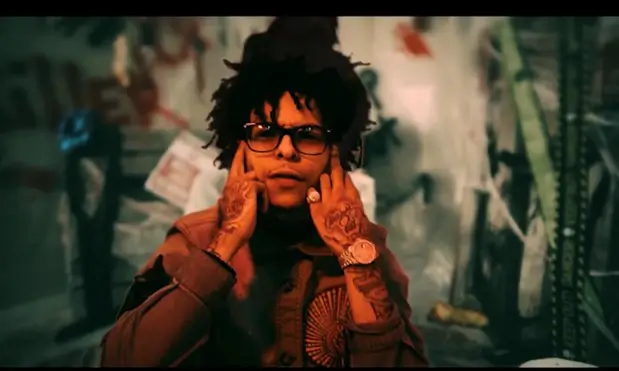
In “MELROSE,” Lil Tony doesn’t just reference a location—he constructs a view ecosystem. Melrose Avenue becomes less a street and more a coded environment where fashion, aspiration, and view intersect. The video operates with a looseness that feels observational, yet every frame carries intent: cars idling, storefronts flashing, bodies moving with a quiet sense of authorship.
The track’s rhythm is mirrored viewable through pacing that resists excess polish. Cuts are deliberate but unhurried, allowing the environment to breathe. This creates a tension between documentary realism and stylized performance—a balance that anchors the video in lived experience rather than abstraction.
Wardrobe in “MELROSE” functions as infrastructure rather than ornament. Each look extends the artist’s presence into the space around him—denim, layered tees, jewelry, and shoes forming a vocab that is instantly legible yet deeply personal. There is no overt branding overload; instead, the styling leans into texture, proportion, and attitude.
This aligns with a broader shift in West Coast visual culture, where authenticity is no longer framed through scarcity but through clarity of identity. Lil Tony’s styling doesn’t ask for attention—it assumes it.
The cinematography avoids spectacle in favor of proximity. The camera moves with Lil Tony, not ahead of him, creating a sense of companionship rather than observation. This technique collapses distance between artist and viewer, pulling the audience into the orbit of the performance.
Angles remain grounded—eye-level, street-level—reinforcing the idea that this world is accessible, even if its codes require fluency. The result is a visual language that feels intimate without being confessional.