Loe Shimmy’s 27th: A Broward County Night Where “Groovy Trap” Became Community

April 2, 2026
25 seconds ago
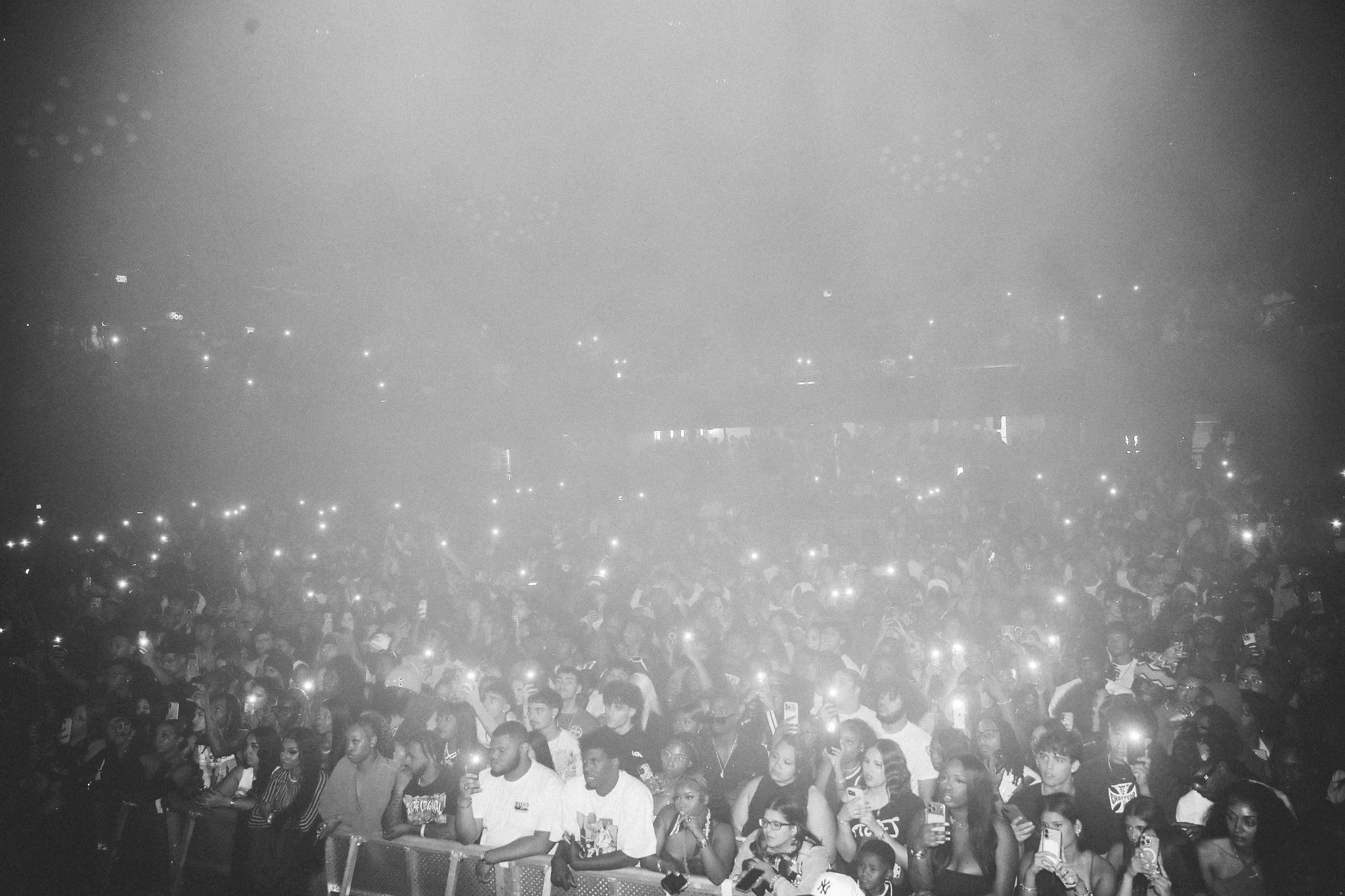
There are moments in an artist’s trajectory that feel less like milestones and more like confirmations. Not the industry-sanctioned kind—awards, charts, or viral spikes—but something closer to cultural grounding. For Florida rapper-crooner Loe Shimmy, his 27th birthday celebration in Broward County functioned precisely like that: a night that distilled momentum, geography, and community into something tangible.
Coming off what can only be described as a defining 2025, Shimmy arrived at this point with more than just visibility. Opening for Lil Baby on the WHAM Tour positioned him within a national circuit, exposing his sound to audiences far beyond Florida. But touring is only one dimension. The release of Rockstar Junkie—his self-described “groovy trap” album—offered something more permanent: a sonic identity that refuses to sit cleanly within genre boundaries.
That duality—mobility and rootedness—set the stage for what unfolded in Broward.
stir
Rather than a private affair or industry-curated afterparty, Shimmy’s 27th took shape as a full-scale concert. The choice matters. In a landscape where artist celebrations often double as branding exercises, Shimmy opted for something closer to a regional festival—dense, loud, and unapologetically communal.
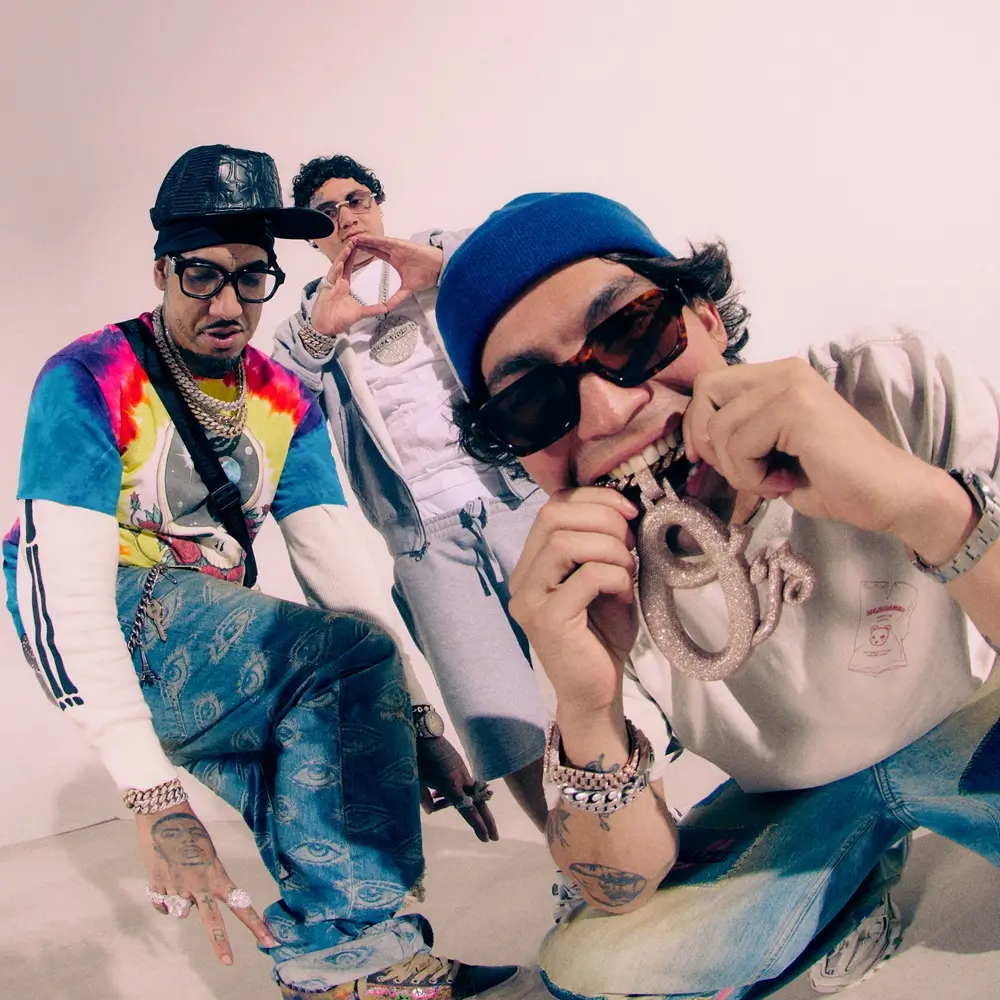
The lineup reflected both proximity and reach. Sexyy Red brought her unmistakable energy, a performer whose presence alone can recalibrate a room. Rob49, still riding a wave of street-centric credibility, added urgency to the bill. And Bossman Dlow—a fellow Florida voice—anchored the evening with a sense of local continuity.
Then there were the extended orbit names. YTB Fatt, whose co-sign from Justin Bieber signaled cross-genre curiosity, stepped in with a performance that blurred melodic and rhythmic instincts. And BenDaDonnn, emblematic of the streaming-era crossover between music and digital culture, reinforced the idea that this wasn’t just a concert—it was a node in a broader network.
The result wasn’t a traditional bill. It felt more like a constellation.
arena
Geography is often flattened in music narratives, reduced to shorthand—“Florida sound,” “Atlanta scene,” “New York energy.” But Broward County, particularly in proximity to Pompano Beach, carries its own texture. It’s a place where regional styles overlap, where Caribbean influence, Southern rap lineage, and internet-era hybridity coexist.
For Shimmy, returning to that environment for a moment of personal significance wasn’t incidental. It reframed the celebration as something reciprocal. This wasn’t an artist leaving home to perform elsewhere; it was an artist bringing elsewhere back home.
The crowd, reportedly packed and responsive, mirrored that dynamic. There’s a difference between performing for an audience and performing with one. The latter is harder to manufacture—and impossible to fake.
idea
If Rockstar Junkie introduced “groovy trap” as a descriptor, this event functioned as its live translation. The phrase itself resists easy parsing. “Trap” suggests structure—percussion patterns, tonal darkness, rhythmic insistence. “Groovy” implies movement, looseness, even warmth.
Shimmy’s work sits in that tension.
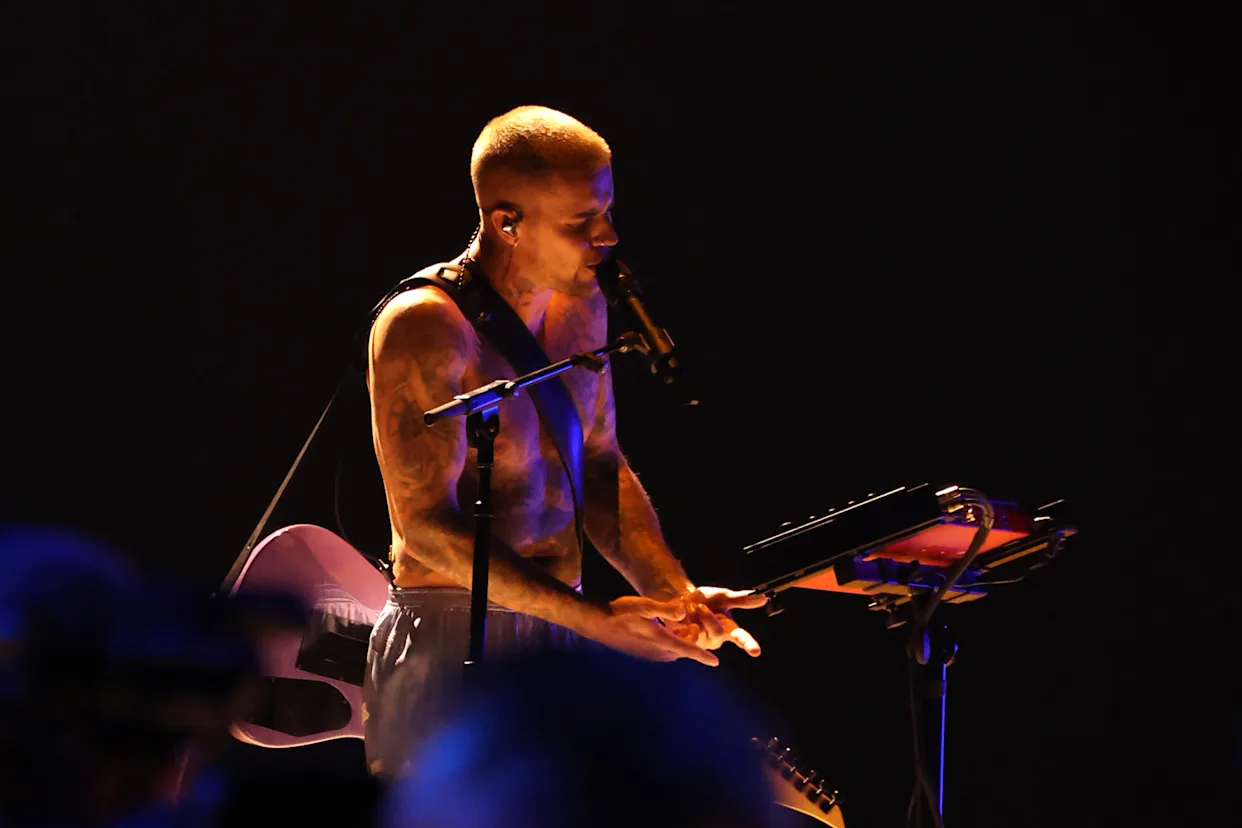
Live, that tension becomes physical. Hooks stretch longer, transitions blur, and the audience becomes part of the rhythm. It’s less about fidelity to the recorded version and more about expanding its logic. Songs that might feel introspective on record gain extroversion on stage; melodies that hover in headphones become collective chants.
In that sense, the birthday concert wasn’t just a celebration of past output. It was a test of elasticity—how far the sound could travel without losing coherence.
flow
What made the night particularly telling was the mix of artists present. This wasn’t a lineup dictated by label affiliations or chart positioning alone. It reflected something more fluid: the current social circuitry of rap.
Artists move between collaborations, tours, streaming platforms, and co-signs at a pace that often outpaces traditional industry structures. A nod from someone like Bieber can redirect attention; a viral moment on a streamer’s channel can amplify reach; a shared stage can solidify alignment.
Shimmy’s birthday event captured that ecosystem in real time. It wasn’t curated for neat categorization—it was assembled through relationships, overlaps, and mutual recognition.
That’s increasingly how scenes function. Not as fixed hierarchies, but as shifting clusters.
slow
There’s often a visible gap between artist and audience at events of this scale—barriers, both literal and symbolic, that maintain separation. What stood out here was the relative absence of that distance.
Part of it is regional familiarity. Part of it is Shimmy’s own positioning—still close enough to his origins that the separation hasn’t calcified. But part of it is also intentional.
By framing the birthday as a concert rather than a closed-door event, Shimmy effectively redistributed the moment. It became less about him as an individual and more about a shared experience anchored by him.
That distinction matters. It’s the difference between spectacle and participation.
frame
Looking back at 2025, it would be easy to define Shimmy’s year through conventional metrics: tour placements, album releases, growing recognition. All of that is valid. But momentum in music is rarely linear.
It accumulates in layers—some visible, some less so.
This Broward County night added another layer. Not necessarily one that charts can capture, but one that resonates within the culture itself. The presence of peers, the responsiveness of the crowd, the coherence of the sound in a live setting—these are indicators of something deeper than surface-level success.
They suggest durability.
fin
In isolation, a birthday concert might read as just that: a moment of celebration. But context transforms it. For Loe Shimmy, this wasn’t simply marking another year. It was an articulation of where he stands—between local and national, between emerging and established, between structure and fluidity.
The crowd came for a show. What they participated in was something closer to a statement.
Not loud, not overly framed, but clear enough: Shimmy’s trajectory is no longer hypothetical. It’s happening, in real time, and—at least for one night in Broward—it belonged to everyone in the room.