Martha Cooper Limited Edition “Spray Nation Box Set”

March 5, 2026
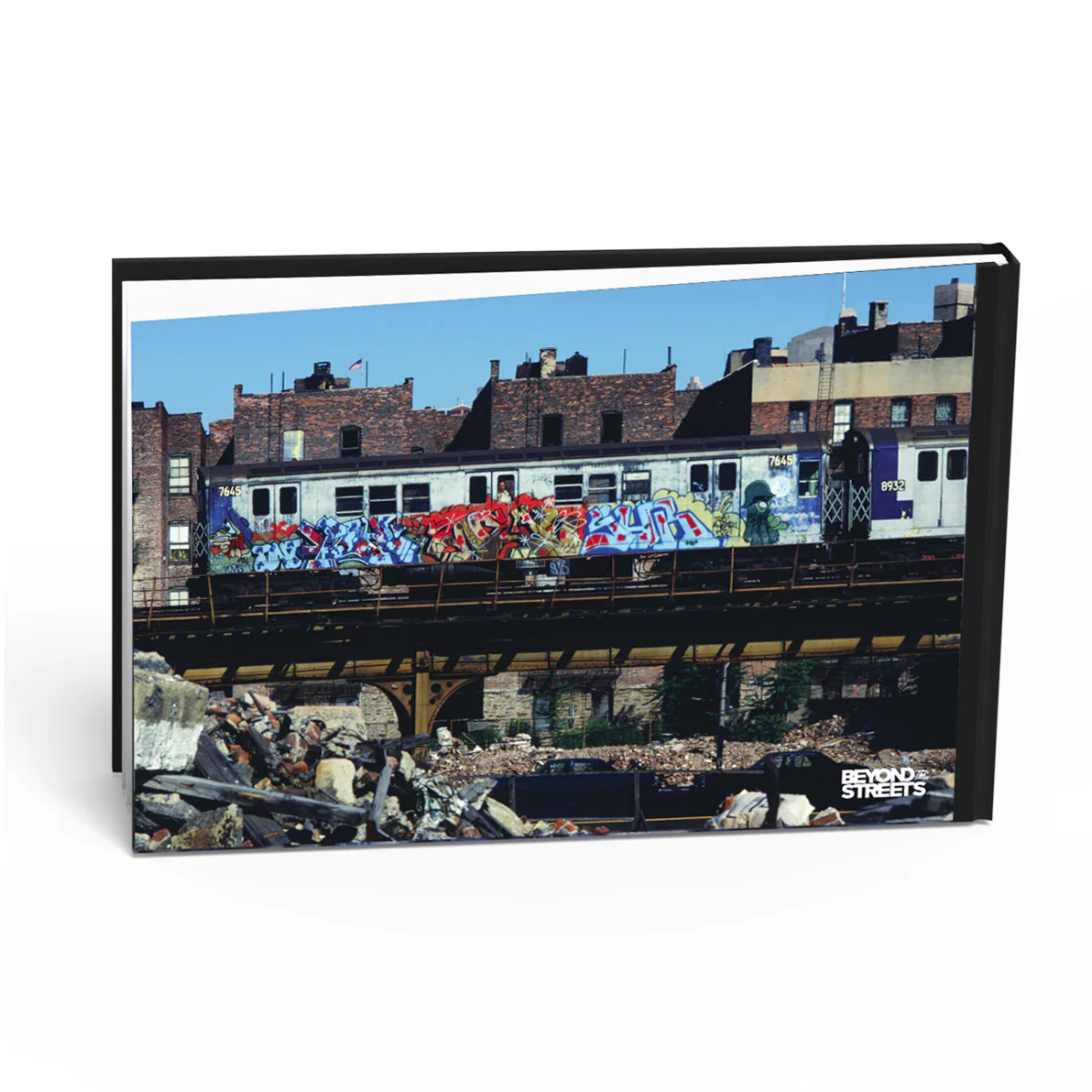
Few figures in the history of street culture have shaped the visual memory of graffiti the way Martha Cooper has. For decades, the photographer’s lens documented the explosive creativity of New York City’s graffiti movement during the 1970s and 1980s—an era when subway cars, brick walls, and train yards became canvases for a generation of artists redefining urban expression.
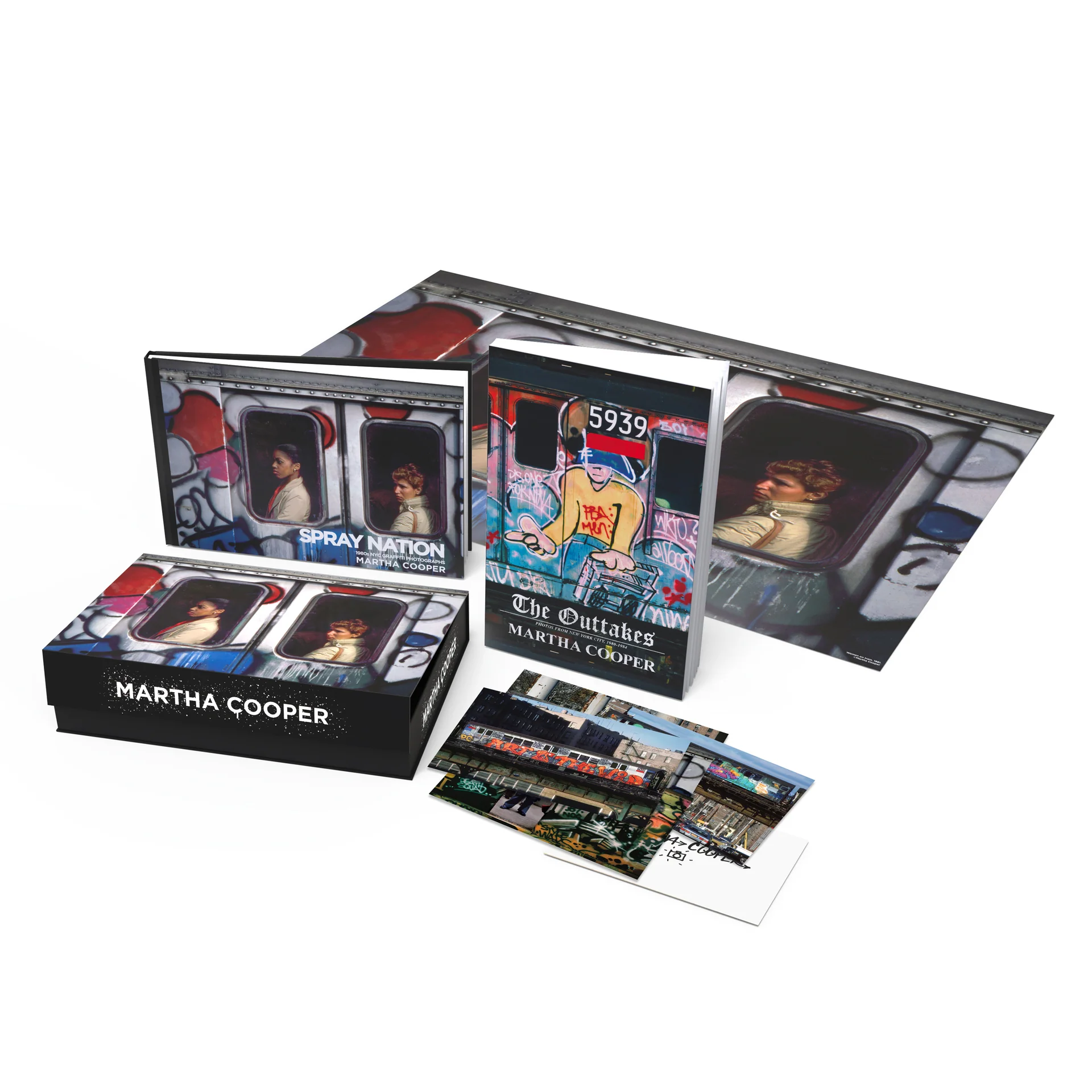
The Limited Edition “Spray Nation Box Set” stands as one of the most comprehensive and collectible tributes to that moment. Released through the street-art platform Beyond the Streets, the edition expands on Cooper’s celebrated book Spray Nation: 1980s NYC Graffiti Photographs, bringing together rare archival images, unseen outtakes, and collectible printed material in a curated package designed for collectors, historians, and street culture devotees.
This box set is more than a book release. It is a carefully constructed archive of the city’s graffiti revolution—a time capsule from a period when hip-hop culture, street photography, and underground art collided on the rails of New York’s subway system.
martha cooper
The significance of the Spray Nation Box Set begins with the photographer herself. Born in Baltimore in 1943, Martha Cooper became a photojournalist known for documenting everyday urban life. During the 1970s she worked as a staff photographer at the New York Post, photographing stories across the city.
Her path into graffiti history began almost accidentally. While photographing children playing in her neighborhood, Cooper met a young graffiti writer named HE3 (Edwin Serrano), who introduced her to the hidden culture of subway writers and tagging crews. Through him she encountered legendary artists such as DONDI and other pioneers of the graffiti scene.
What she discovered fascinated her:
• Writers treating subway cars as moving galleries
• Complex lettering styles evolving rapidly across boroughs
• A tight-knit underground community with its own language and rules
Where others saw vandalism, Cooper saw creativity and cultural significance. Her photographs became some of the earliest serious documentation of graffiti as an art form.
In 1984, Cooper and photographer Henry Chalfant published Subway Art, a book that would eventually be called “the graffiti bible.” The publication helped spread the visual language of New York graffiti worldwide, influencing artists from Europe to Japan.
Nearly four decades later, Spray Nation builds on that legacy by revealing images that had remained hidden in Cooper’s archives.
the origins
The original Spray Nation: 1980s NYC Graffiti Photographs book emerged from an enormous archival effort. Cooper and collaborators reviewed hundreds of thousands of Kodachrome slides, selecting images that captured the breadth of graffiti culture during the early 1980s.
The resulting collection showcases:
• Painted subway trains racing through the city
• Writers posing beside their pieces
• Action shots of artists painting in train yards
• Interior tags inside subway cars
• Wide views of cityscapes layered with graffiti
Many of these photographs had never been published before. The images reveal a New York that no longer exists—a gritty, chaotic urban landscape where graffiti writers competed to dominate the rolling steel canvases of the city’s subway system.
For graffiti writers of the era, appearing in Cooper’s photographs was almost a badge of honor. If you were active in the early 1980s graffiti scene, there was a good chance Cooper documented your work.
what
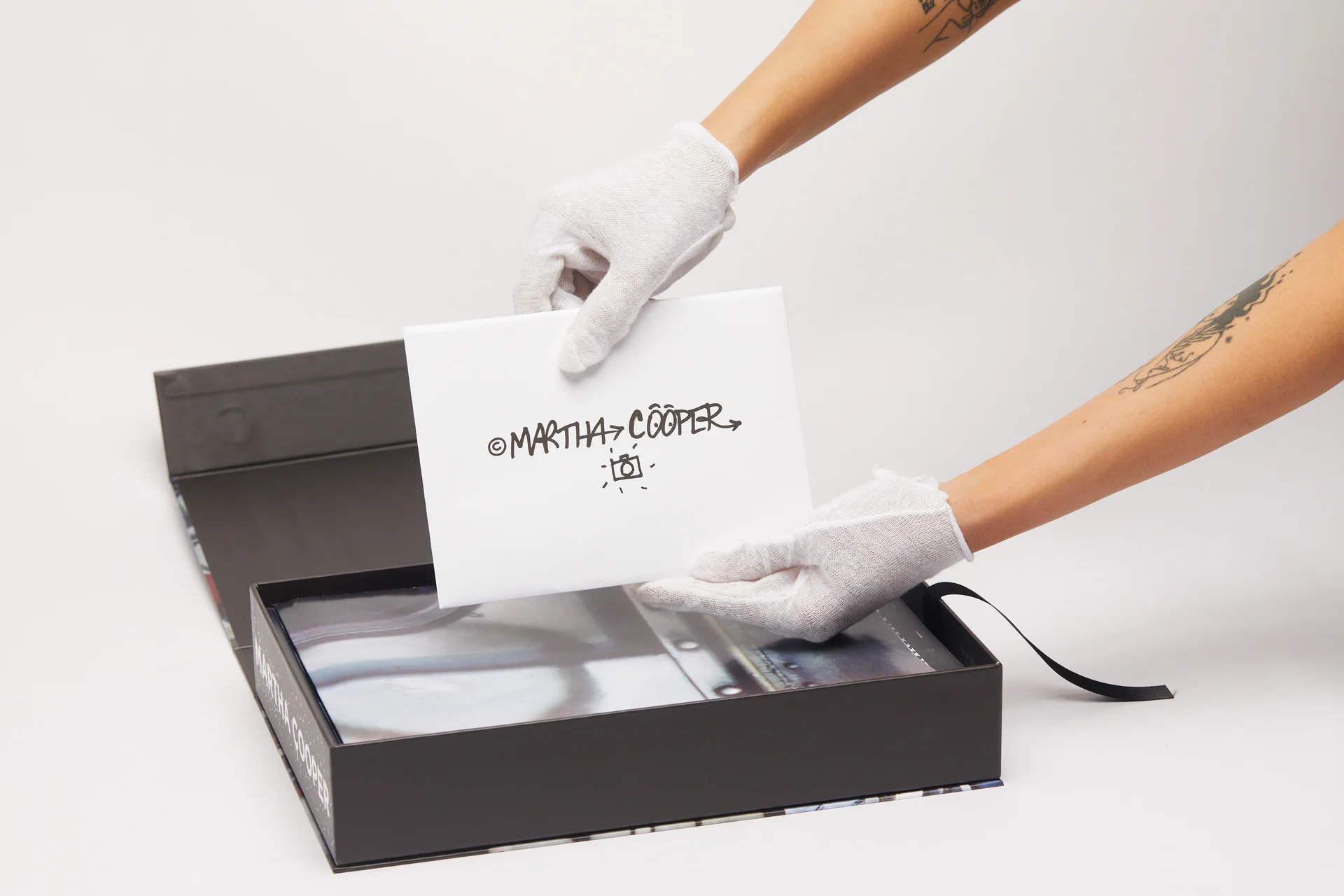
The Limited Edition “Spray Nation Box Set” expands the main photobook into a collectible multi-component archive.
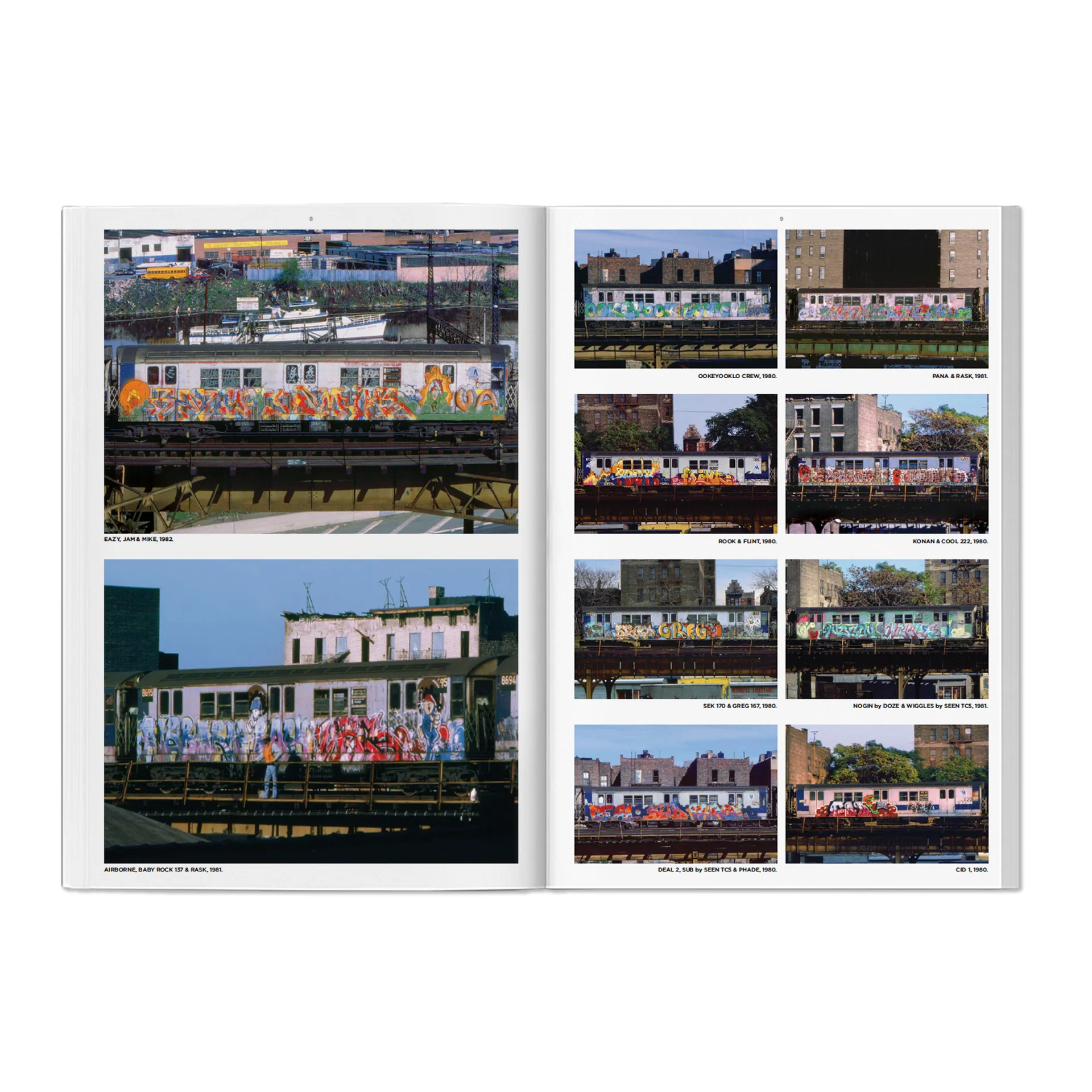
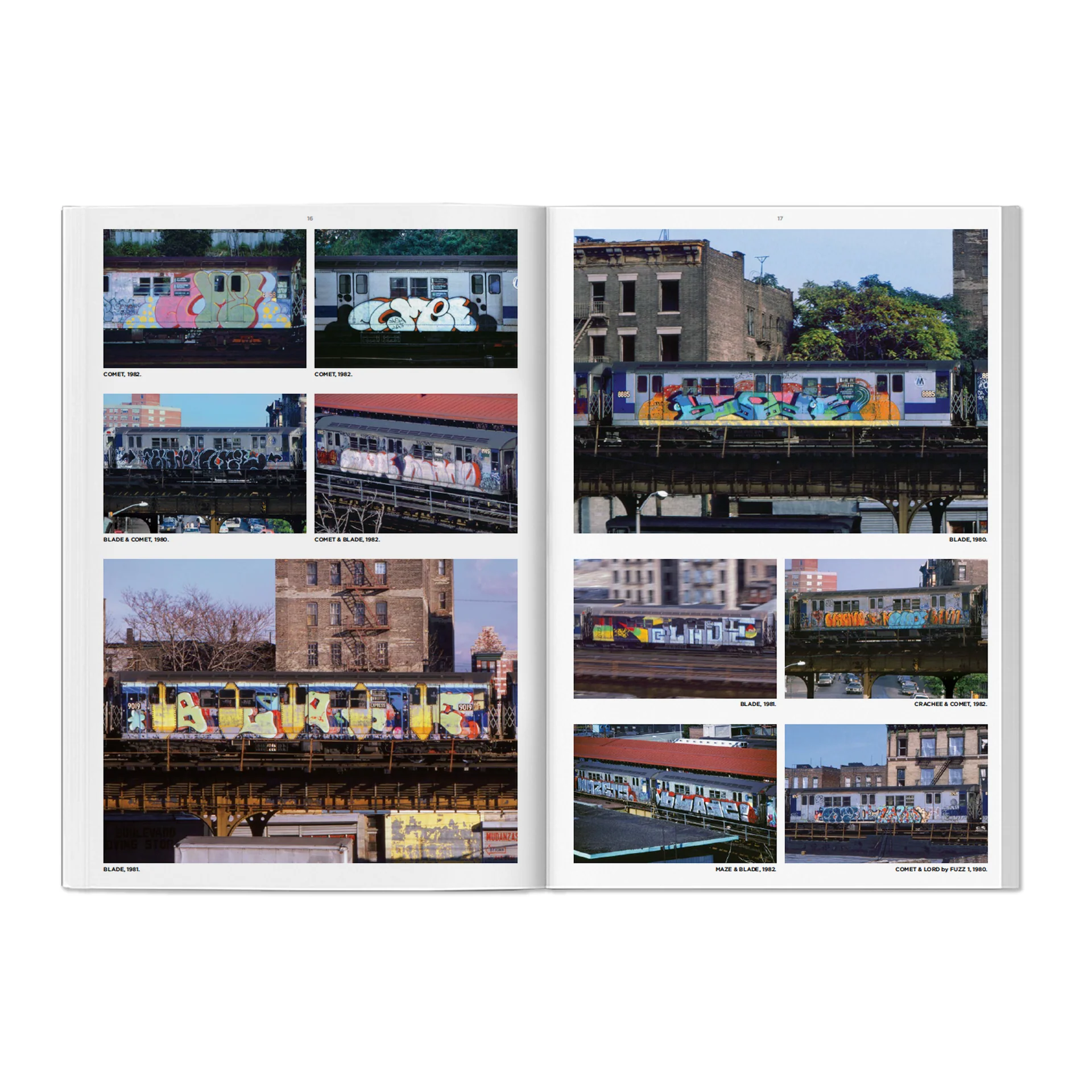
The centerpiece of the box set is the large-format hardcover edition of Spray Nation: 1980s NYC Graffiti Photographs.
Key specifications include:
• Landscape hardcover format
• 288 pages printed on silk paper
• Dimensions approximately 12 × 8 inches
• Signed vellum sheet by Martha Cooper
The book contains a sweeping visual narrative of the graffiti era, combining iconic images with rare photographs never previously published.
the outtakes
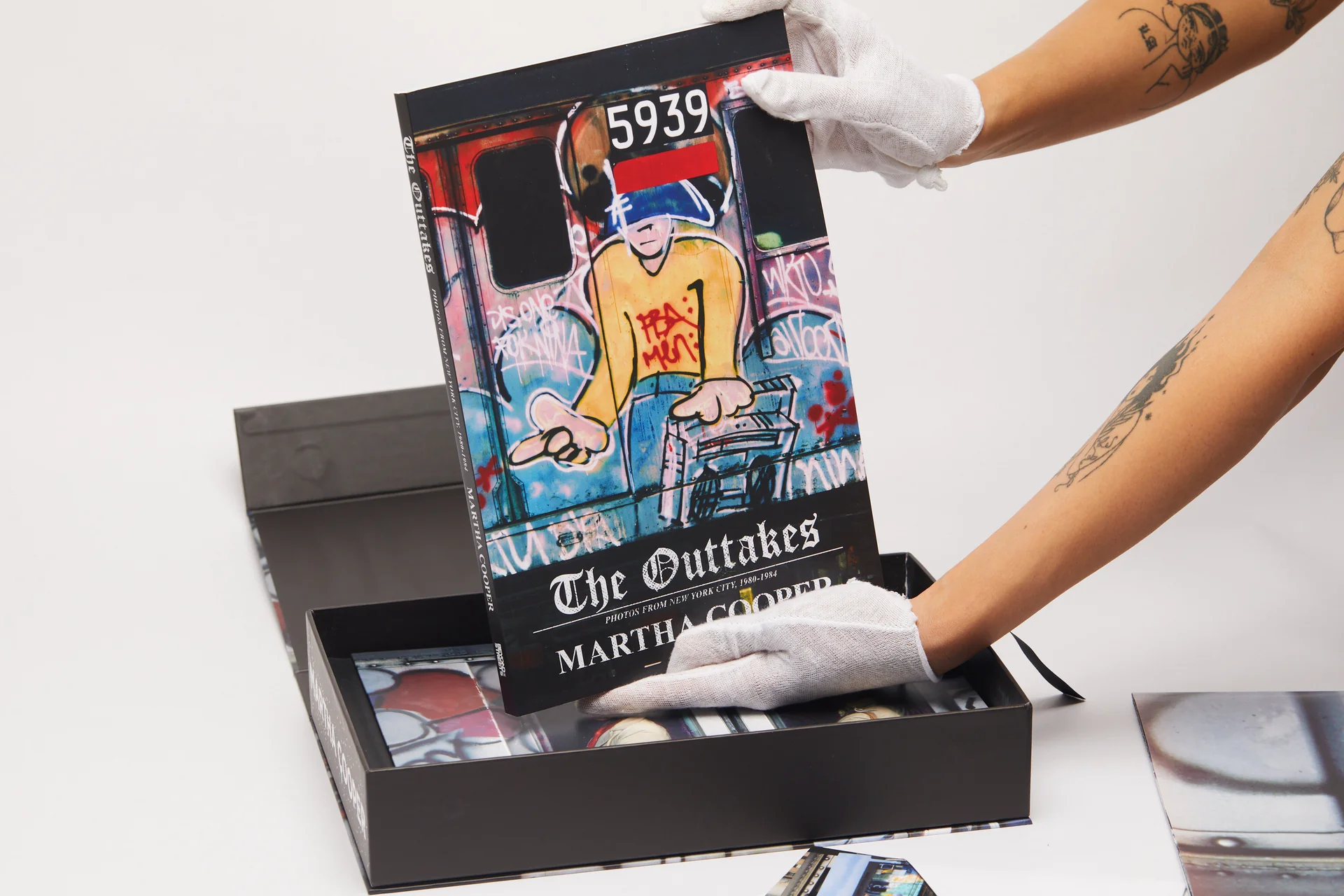
One of the most compelling elements of the box set is The Outtakes, a second book featuring images that did not appear in the main volume.
Details include:
• Portrait softcover format
• 224 pages
• Photographs from 1980–1984
• Exclusive to the limited edition
These photographs capture more spontaneous moments—writers relaxing between painting sessions, half-finished pieces, obscure tags, and experimental lettering styles.
Because these images were previously hidden in Cooper’s archives, they offer a rare glimpse into the everyday reality of graffiti writers during the peak years of the movement.
collect
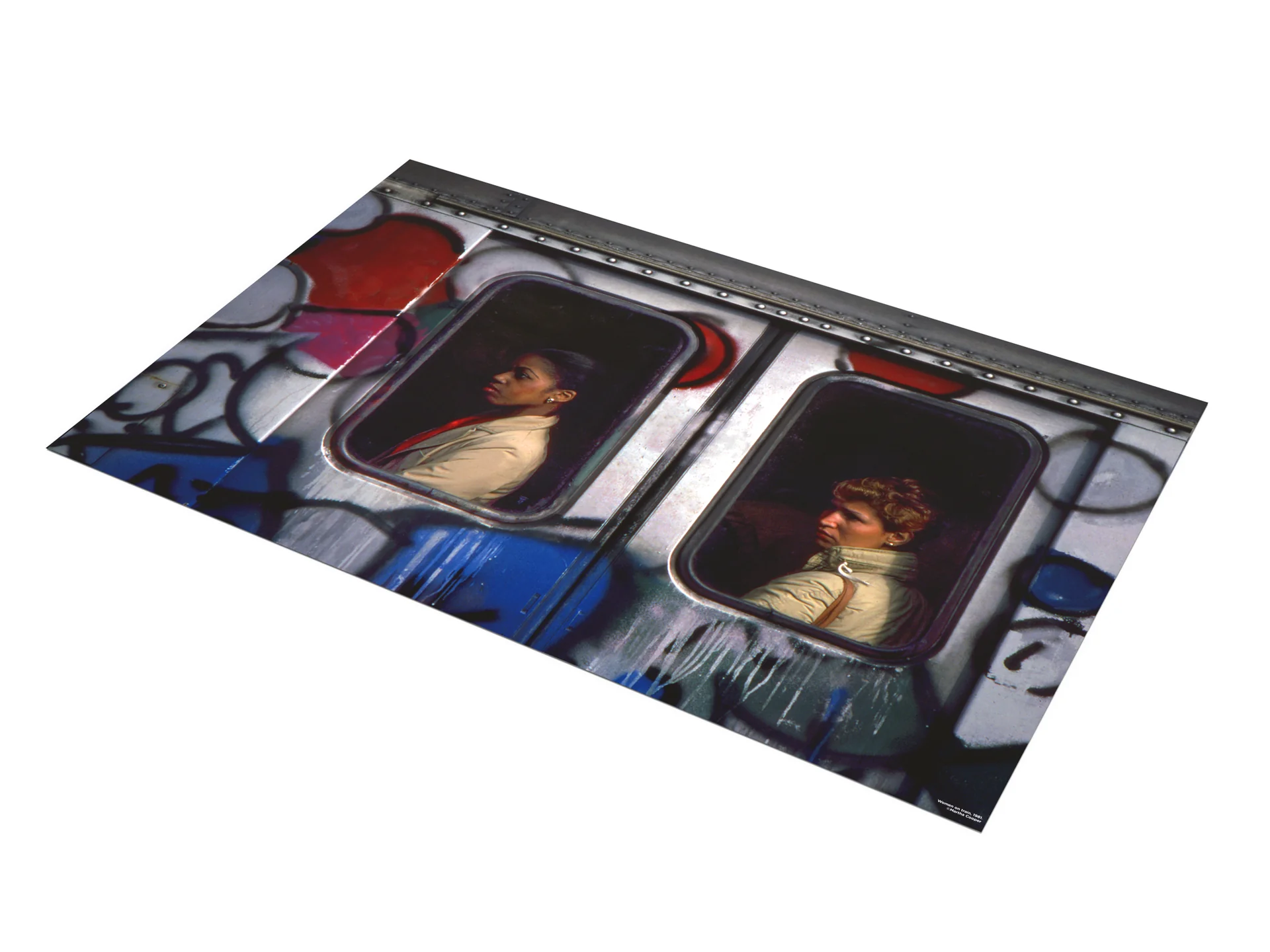
The box set includes a large folded poster printed on glossy art paper.
Dimensions:
• roughly 46.8 × 33.1 inches
The poster features one of Cooper’s iconic graffiti photographs, transforming a moment of underground culture into a gallery-scale artwork suitable for display.
set
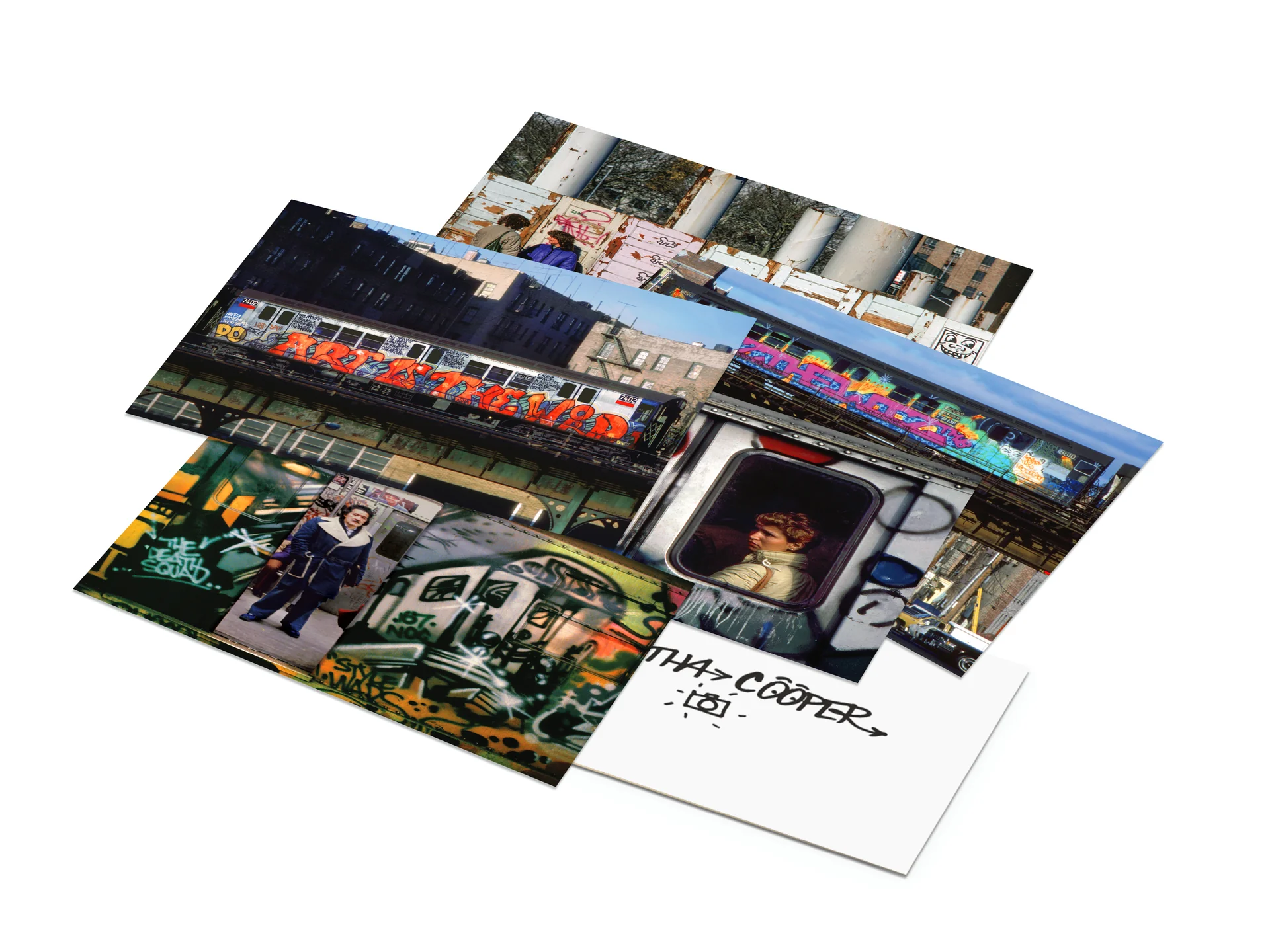
Collectors also receive a set of six postcards printed on heavyweight paper.
These postcards showcase:
• classic subway graffiti images
• portraits of writers
• colorful pieces captured on moving trains
Each card functions both as a collectible and as a miniature photographic print.
rare
Only 1,000 box sets were produced, making it a highly sought-after collectible within graffiti culture and art publishing.
The limited nature of the edition reflects a broader trend in contemporary art publishing: turning photographic archives into collectible objects that blur the line between book, artwork, and cultural artifact.
Within the graffiti community, scarcity carries special meaning. Graffiti itself is inherently temporary—painted pieces are eventually cleaned, trains are repainted, and walls are demolished. By producing a limited archival edition, the Spray Nation Box Set transforms ephemeral street art into a lasting collectible record.
stir
The photographs in Spray Nation feature work by many legendary graffiti writers whose styles defined the era.
Artists documented include figures such as:
• IZ the Wiz
• BLADE
• SEEN
• DONDI
• KEL139
• PJAY
Their pieces ranged from intricate wholecars (entire subway trains painted from end to end) to experimental lettering styles that would later influence global street art movements.
Each photograph captures a moment of artistic competition and innovation. Writers constantly tried to outdo one another with larger pieces, more complex lettering, and increasingly daring train-yard missions.
culture
The Spray Nation archive exists at the intersection of several cultural movements.
During the late 1970s and early 1980s, New York City became the birthplace of hip-hop culture, which included:
• graffiti writing
• breakdancing
• DJing
• MCing
Graffiti served as hip-hop’s visual language. While DJs and rappers created sound, writers created imagery—transforming trains into moving murals traveling across boroughs.
Subway trains were particularly important. Because trains moved throughout the city, a single piece could be seen by thousands of commuters in one day. For writers, the subway was the ultimate platform.
Cooper’s photographs captured this ecosystem in action.
fwd
Another reason the Spray Nation Box Set resonates today is that it documents a version of New York that no longer exists.
In the 1970s and early 1980s, the city faced:
• high crime rates
• economic decline
• aging infrastructure
Graffiti covered subway cars almost completely, creating colorful but controversial moving murals. By the mid-1980s, the Metropolitan Transportation Authority launched aggressive anti-graffiti campaigns known as the Clean Train Movement, removing painted trains from service.
As a result, much of the graffiti captured in Cooper’s photographs vanished within a few years.
Without photography, that visual culture would have disappeared entirely.
voice
The box set also includes essays from leading figures in street art scholarship and culture.
Contributors include:
• Roger Gastman
• Steven P. Harrington
• Miss Rosen
• Jayson Edlin
• Brian Wallis
Their essays contextualize the photographs, examining how graffiti evolved from a marginalized subculture into a global artistic movement.
This combination of imagery and critical writing transforms the box set into both an art object and an academic resource.
show
The publication of the Spray Nation Box Set is closely connected to the work of Beyond the Streets, a large-scale exhibition platform founded by curator Roger Gastman.
The project launched in Los Angeles in 2018 and has since become one of the world’s largest exhibitions dedicated to graffiti and street art.
By collaborating with Cooper on the box set, Beyond the Streets reinforces the link between historical graffiti documentation and contemporary street art culture.
Today’s muralists and street artists—many of whom paint legally in galleries or festivals—often trace their inspiration back to the subway writers of 1980s New York.
why
The Spray Nation Box Set arrives at a moment when graffiti culture is being reassessed globally.
Once dismissed as vandalism, graffiti has become:
• a recognized contemporary art movement
• a major influence on graphic design and fashion
• a cornerstone of hip-hop cultural history
Museums, galleries, and universities increasingly treat graffiti as an important artistic and sociological phenomenon.
Cooper’s photographs serve as primary historical evidence of that movement’s origins.
flow
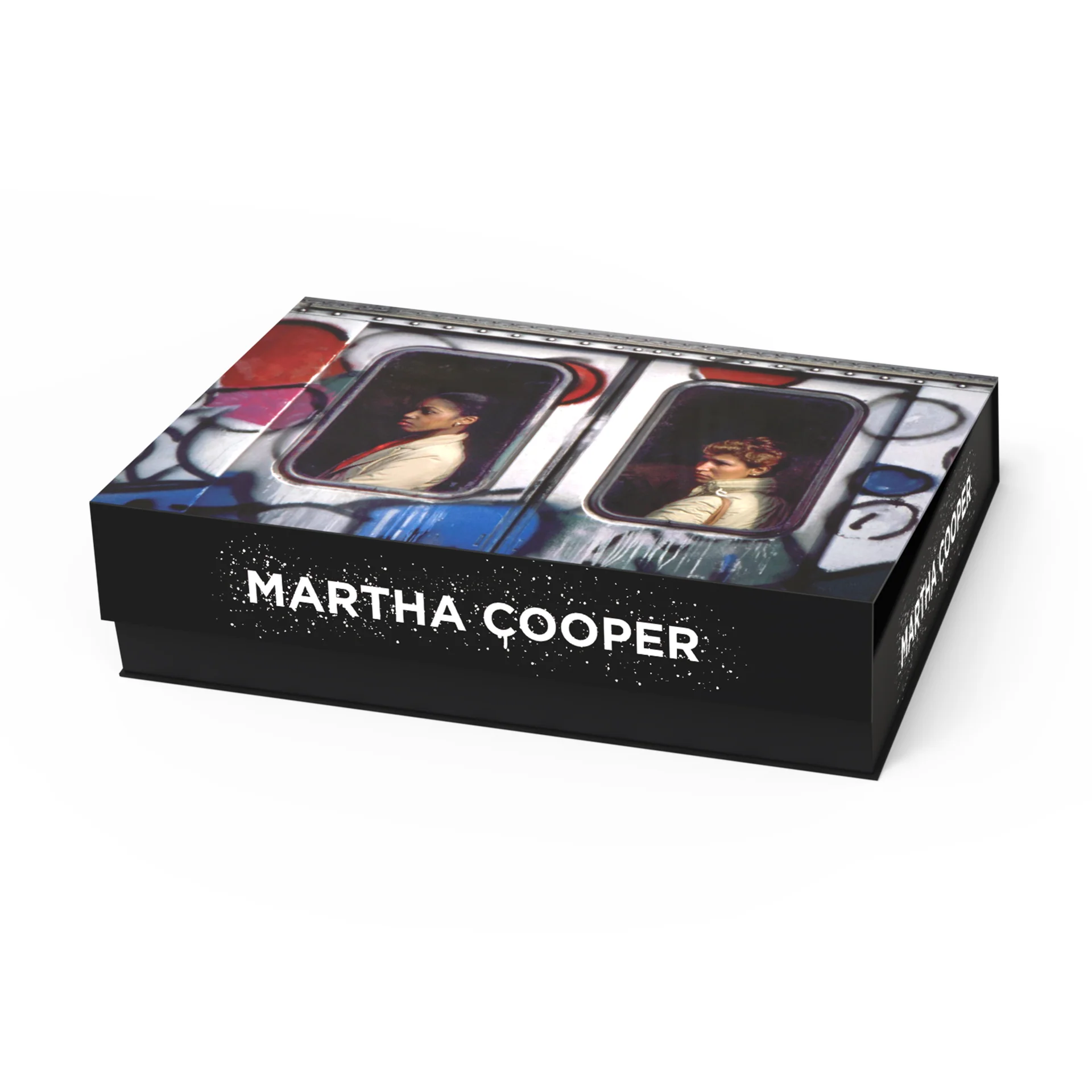
Beyond the photography, the box set itself is carefully designed to reflect the aesthetics of graffiti culture.
The packaging evokes archival storage boxes used by photographers. Inside, each element—books, poster, postcards—is arranged as if part of a curated archive.
Design choices include:
• bold typography inspired by graffiti lettering
• high-quality art paper printing
• durable slipcase packaging
These details reinforce the idea that graffiti, once fleeting, now belongs to the realm of preserved art history.
sum
The Martha Cooper Limited Edition “Spray Nation Box Set” is far more than a photobook. It is a preservation project, a collector’s artifact, and a cultural archive of one of the most influential artistic movements of the late twentieth century.
By revisiting the subway graffiti explosion of the early 1980s, the box set reminds us that creative revolutions often begin far from galleries and museums. They emerge in overlooked places—train yards, alleyways, and city walls—before reshaping global culture.
Through her lens, Martha Cooper transformed fleeting graffiti pieces into permanent historical records. Decades later, the Spray Nation Box Set gathers those records into a single object that honors the writers who painted the trains and the photographer who ensured their work would never disappear.
For collectors, historians, and fans of street culture alike, the box set stands as one of the most comprehensive visual tributes to graffiti’s golden age—and a reminder that the art of the streets helped define the cultural identity of an entire generation.
No comments yet.