The Matcha Effect: Wellness, Design, and the Drink of a New Generation

March 13, 2026
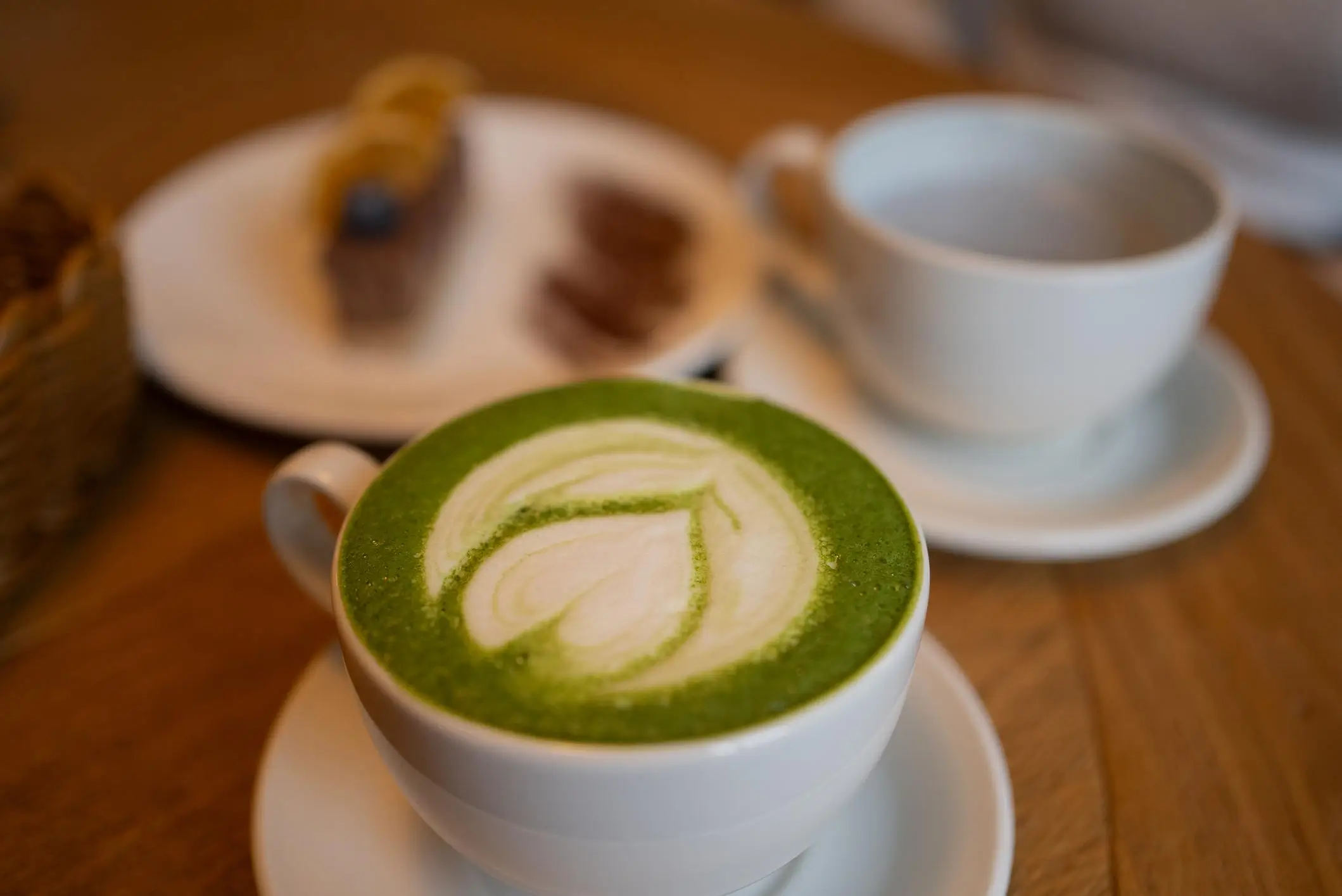
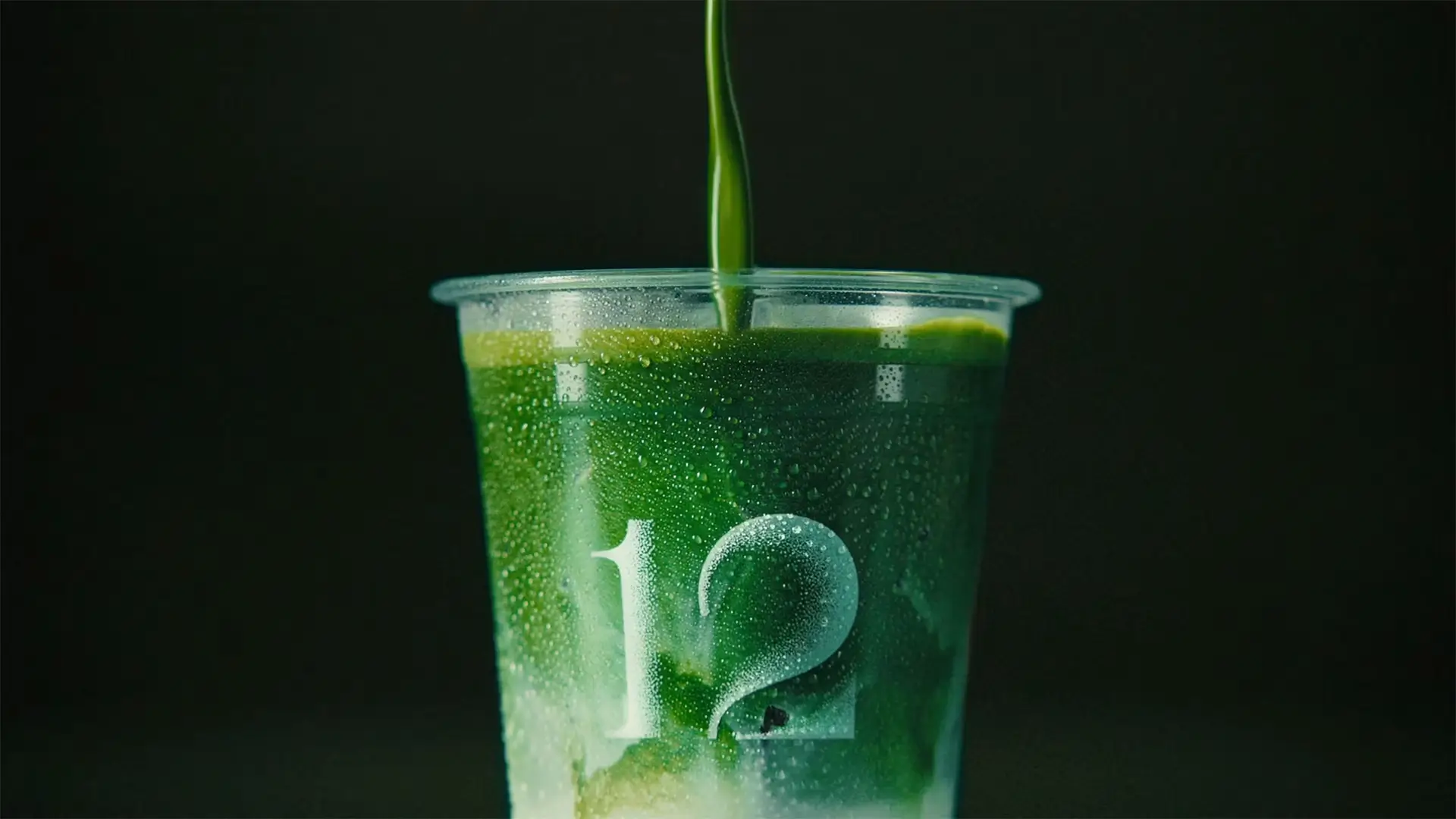
Few drinks have moved from niche curiosity to global cultural symbol as quickly as matcha. Once confined largely to Japanese tea ceremonies and specialist cafés, the finely ground powdered green tea has become the beverage of choice for a gen that values health, aesthetics, and ritual in equal measure.
Today, matcha appears everywhere: in minimalist cafés, on designer menus, and across social media feeds where its vivid green color photographs almost too uniquely. The powdered tea has evolved into something far more than a drink. It has become a cultural object—part wellness tonic, part lifestyle statement, and part visual icon.
For many young consumers, ordering a matcha latte now signals something about identity: mindfulness, balance, and a departure from the frenetic energy of coffee culture. The drink represents a slower, more intentional ritual—one that aligns neatly with a generation fluent in visual storytelling.
stir
When Claudia Boyer and her co-founder launched their first matcha-focused café, Jenki, in the Spitalfields district of London in July 2021, the reaction from customers was not immediate enthusiasm but curiosity.
“More often than not, what we heard was: ‘What’s this green powder?’,” Boyer remembers.
At the time, matcha was still unfamiliar to many Western consumers. While the drink had appeared occasionally on café menus, it often existed as a novelty item rather than a carefully prepared specialty.
“Most people had either never tried it,” Boyer says, “or they had experienced a really poor version of it.”
That early reputation was a challenge. Improperly prepared matcha can taste bitter or chalky, especially when made with low-quality powder or insufficient whisking. In many coffee shops, matcha had been treated as a secondary option rather than a craft.
Boyer saw this not as a problem but as an opportunity. Instead of launching their brand through ecommerce channels, Jenki focused first on physical spaces—places where customers could learn how matcha should actually taste.
“We needed to show what properly made matcha should taste like,” she explains. “There’s no substitute for freshly whisked matcha—the precision and care that goes into it.”
custom
Part of matcha’s appeal lies in the ritual surrounding its preparation. Unlike conventional tea, which is steeped in water and then discarded, matcha involves consuming the entire powdered leaf.
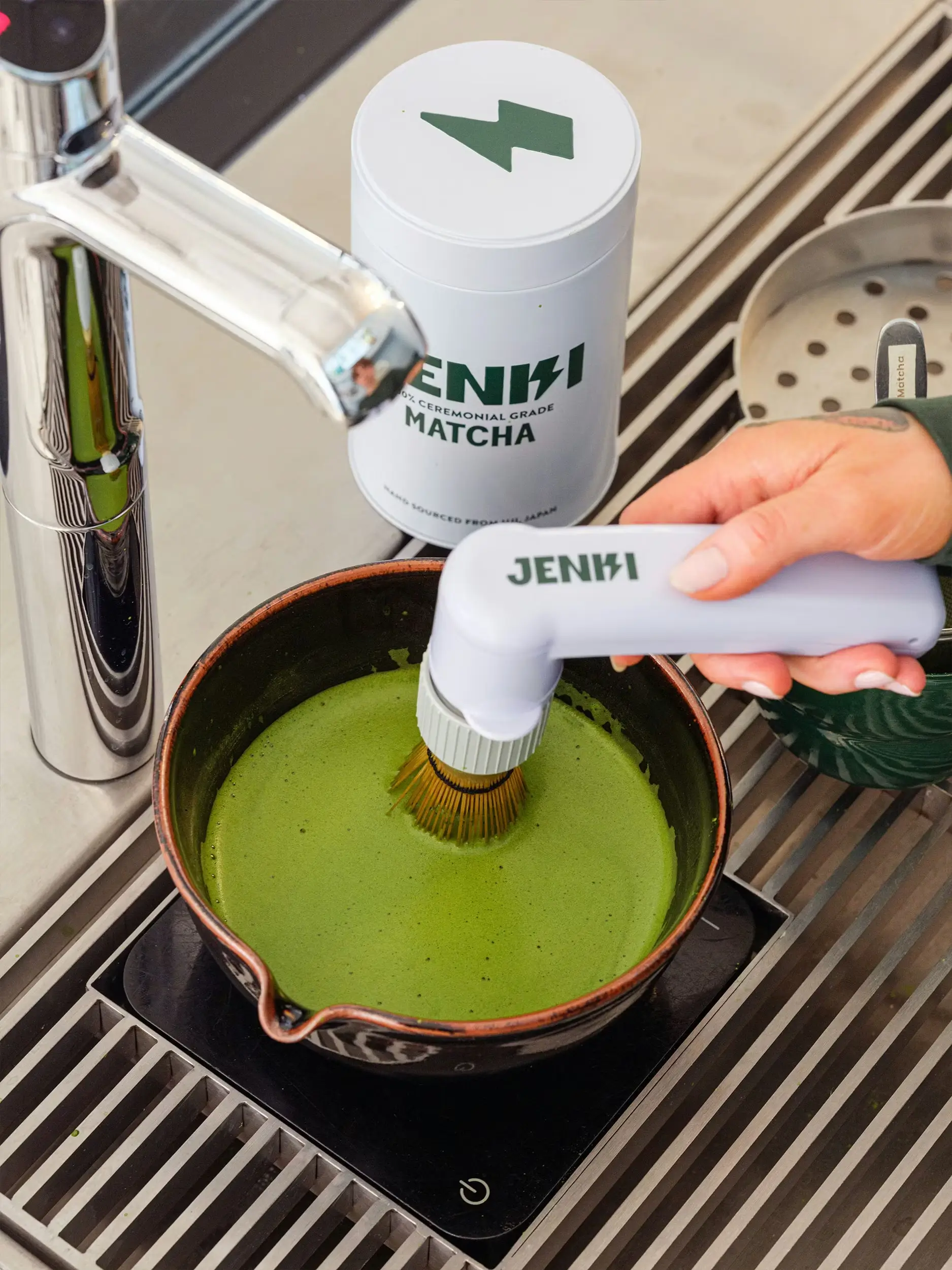
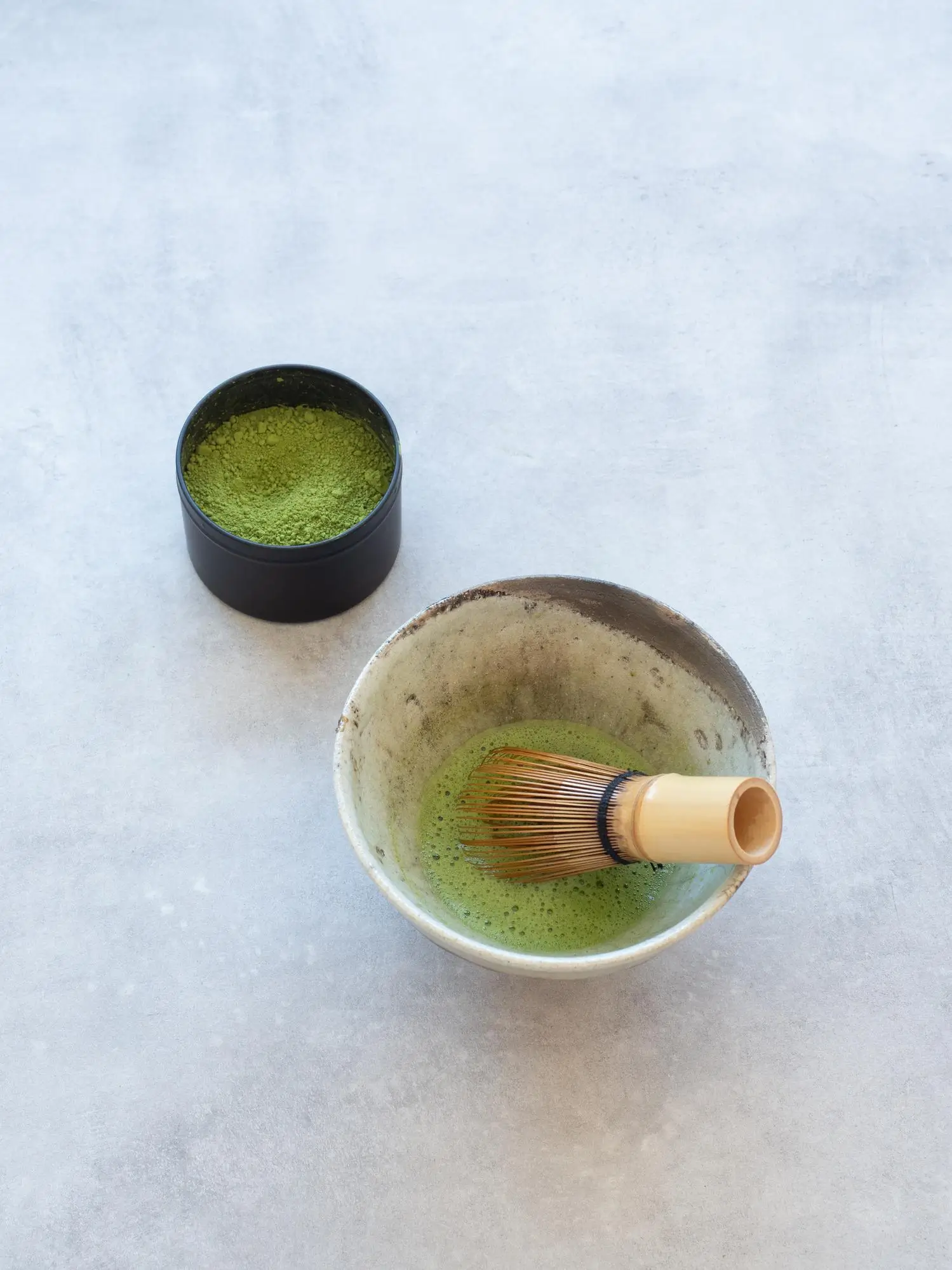
The process begins with high-grade matcha powder placed in a bowl. Hot water is added, and the mixture is whisked vigorously using a bamboo whisk known as a chasen. The motion produces a smooth, lightly frothy surface and an intense, vibrant color.
The ritual has its roots in Japanese tea culture and centuries-old traditions tied to mindfulness and aesthetics. These rituals emphasize calmness, precision, and attention to detail—values that resonate strongly with modern wellness culture.
Even in contemporary cafés, echoes of that tradition remain. Watching a barista carefully whisk matcha into a silky foam carries a sense of craft similar to watching an espresso pulled from a high-end coffee machine.
For consumers seeking a moment of pause in fast-paced urban environments, the ritual offers something rare: a quiet moment of focus.
view
If ritual gave matcha its emotional appeal, visual culture propelled it into the mainstream.
Few beverages photograph as beautifully. The deep green hue stands out against neutral ceramics, minimalist café interiors, and carefully styled tables. When poured over milk or blended into lattes, the drink forms elegant layers that translate effortlessly into social media imagery.
Platforms such as Instagram and TikTok have amplified this visual quality.
Scrolling through either platform reveals endless variations of matcha drinks: iced matcha lattes, matcha tonics, matcha soft serve, and even matcha cocktails. Each version carries the same striking color and aesthetic simplicity.
For designers and café owners, matcha also offers a chance to shape visual identity. The drink’s color palette pairs easily with modern interior design trends—light wood, concrete, marble, and neutral ceramics.
In this sense, matcha functions not only as a beverage but as an element of spatial design.
culture
Health considerations have also played a major role in matcha’s popularity.
Unlike coffee, which delivers a rapid caffeine spike, matcha provides a slower, more sustained energy release thanks to the presence of L-theanine—an amino acid known for its calming effects.
For wellness-focused consumers, this balance of stimulation and calm offers an appealing alternative to traditional caffeine drinks.
Matcha also contains antioxidants, particularly catechins, which are often highlighted in wellness discussions. Although scientific claims sometimes become exaggerated in marketing narratives, the perception of matcha as a “clean” energy source has helped shape its cultural identity.
In a broader sense, matcha aligns with a shift toward functional beverages—drinks designed to support mood, focus, or overall wellbeing.
flow
The rise of matcha has coincided with a transformation in global café culture. Coffee shops are no longer simply places to grab a quick drink; they have become spaces for design experimentation, community gathering, and digital storytelling.
Matcha fits neatly within this new café ecosystem.
Its preparation process invites conversation. Its color encourages photography. And its perceived health benefits resonate with contemporary lifestyle trends.
Brands like Jenki have leaned into this intersection of design and ritual. Their spaces emphasize natural materials, calm lighting, and carefully choreographed preparation methods.
The result is an environment where the act of drinking matcha feels deliberate rather than routine.
aesthetic
Design has conjured a surprisingly large role in matcha’s global rise.
From ceramic bowls to minimalist packaging, the visual language surrounding matcha often draws inspiration from Japanese craft traditions while adapting them for modern audiences.
Packaging frequently features muted colors, clean typography, and references to nature. These visual cues communicate quality and authenticity while appealing to design-conscious consumers.
Some brands relate with designers and artists to create limited edition tins or sculptural containers, transforming matcha products into collectible objects.
This blend of craft and contemporary design mirrors trends seen in other cultural sectors, where lifestyle products increasingly function as design statements.
show
One of the most powerful drivers behind matcha’s popularity has been social media storytelling.
Videos showing the whisking process, the pouring of milk over vivid green tea, or the careful prep of ceremonial bowls have become a recognizable genre of digital content.
These videos tap into a broader trend toward “ritual content”—visual narratives centered around slow, satisfying processes. Whether it’s baking bread, making ceramics, or preparing matcha, the appeal lies in watching something unfold with patience and precision.
For audiences fatigued by fast-paced digital culture, these moments of calm carry surprising emotional weight.
Matcha preparation, with its rhythmic whisking and minimalist tools, fits uniquely within this aesthetic.
the evolve
As demand has grown, the matcha industry has expanded rapidly. New brands continue to emerge, each interpreting the drink through a slightly different lens.
Some emphasize traditional Japanese sourcing and ceremonial grade powder. Others focus on lifestyle branding, positioning matcha as part of a broader wellness identity.
Retail strategies vary as well. Some brands prioritize ecommerce and subscription models, while others focus on physical cafés where customers can experience matcha firsthand.
For Boyer and her team at Jenki, physical spaces remain essential.
“A café lets people discover matcha properly,” she says. “It’s about showing the difference between a carefully whisked matcha and something rushed.”
challenge
Matcha’s surge in popularity has also created pressure on supply chains.
High-quality matcha requires specific cultivation techniques, including shading tea plants before harvest to increase chlorophyll levels. The leaves must then be carefully processed and stone-ground into powder.
These methods limit production volumes, meaning that genuine ceremonial-grade matcha remains relatively scarce.
As global demand rises, producers in Japan face the challenge of balancing tradition with expansion. Some worry that rapid growth could lead to declining quality or imitation products entering the market.
Maintaining authenticity will likely become one of the industry’s central challenges in the coming years.
fwd
The influence of matcha now extends far beyond beverages.
Chefs incorporate it into desserts, pastries, and ice cream. Beauty brands use matcha extracts in skincare products. Even fashion and design industries reference matcha’s distinctive green tone in seasonal color palettes.
The drink has become a symbol of modern wellness culture—one that blends heritage, design, and lifestyle.
In this sense, matcha’s rise reflects broader cultural shifts. Consumers increasingly seek products that offer not just function but meaning: rituals, aesthetics, and a connection to craftsmanship.
sum
What began as a centuries-old tea ritual has evolved into one of the defining lifestyle symbols of the 2020s.
Matcha now sits at the intersection of wellness culture, visual design, and café innovation. Its appeal lies not only in taste or health benefits but in the experience it offers—a moment of calm in an otherwise accelerated world.
For brands like Jenki and countless cafés around the globe, the green powder that once puzzled customers has become a cultural phenomenon.
And in a generation fluent in visual storytelling, matcha’s vivid color and mindful ritual ensure that its rise shows little sign of slowing down.
No comments yet.