Michael Morgan and the 27th Street Hearth: A Work of Art in Brick

February 25, 2025
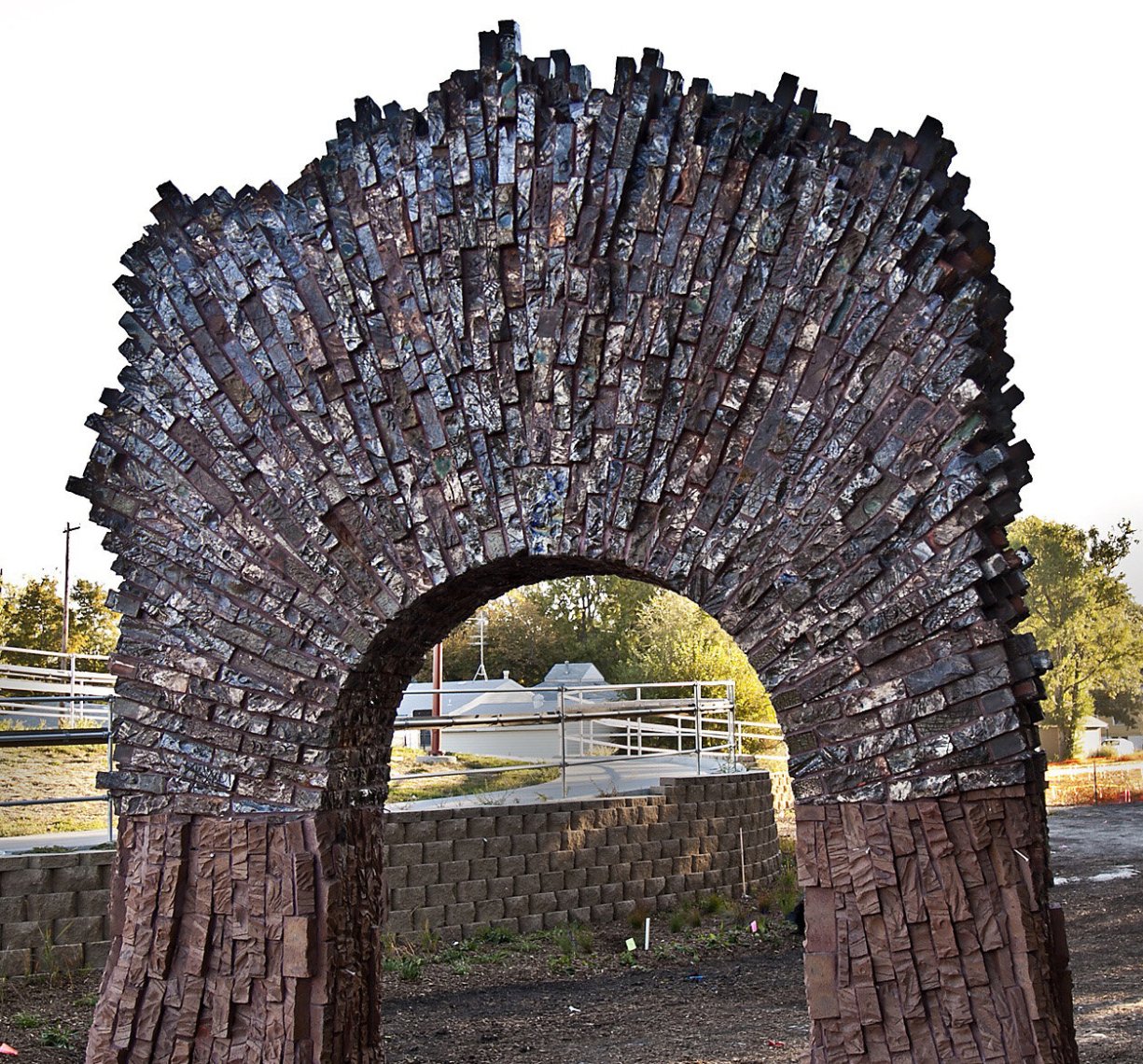
Public art has the power to transform landscapes, evoke emotions, and create a sense of community. Michael Morgan, an American artist known for his innovative brick sculptures, has spent decades reshaping public spaces through his unique approach to materials and storytelling. One of his most remarkable works, the 27th Street Hearth, stands as a testament to his vision, craftsmanship, and dedication to community engagement.
Situated near the Elaine Hammer Bridge on the MoPac Trail in Lincoln, Nebraska, 27th Street Hearth is more than just a brick sculpture—it is an interactive and collaborative piece that reflects the architectural heritage and cultural vibrancy of its location. This article delves into the significance of Morgan’s work, his artistic philosophy, and the broader impact of public art on urban landscapes.
The 27th Street Hearth: A Community-Centered Creation
The 27th Street Hearth, installed in 2012, is a 14-foot-tall brick archway that stands as a welcoming gateway for pedestrians and cyclists along the MoPac Trail. Unlike traditional sculptures that are crafted solely by the artist, this work was a collective effort. Morgan worked with University of Nebraska-Lincoln graduate student Matt Blache and engaged 15 middle and high school students in the brick-making process.
Each student had the opportunity to personalize a brick by adding unique designs, handprints, or footprints. This participatory element makes the 27th Street Hearth not only a work of art but also a tangible record of the community’s presence. The arch represents both the physical and metaphorical passage of time, where past and present converge through human touch and architectural tradition.
The location of the sculpture on 27th Street was carefully chosen. The street is one of Lincoln’s busiest thoroughfares, with thousands of people passing through daily. The artwork serves as a focal point, drawing attention to the importance of preserving community identity amidst an ever-changing urban landscape.
Michael Morgan’s Artistic Philosophy
Michael Morgan has dedicated over three decades to working primarily with brick as his chosen medium. Unlike many sculptors who focus on metals, glass, or stone, Morgan finds inspiration in what he considers to be the world’s most elemental material—earth.
Brick, with its long-standing historical significance, carries a sense of permanence. It is a material used in ancient civilizations and modern metropolises alike. Morgan’s fascination with brick stems from its ability to connect the past with the present. By using it as the foundation of his artwork, he transforms this everyday material into something extraordinary.
Another central aspect of Morgan’s artistic philosophy is interactivity. He believes that public art should not only be observed but also experienced. His installations often incorporate tactile elements that encourage engagement. The 27th Street Hearth is a prime example—people are invited to walk through it, touch the bricks, and even locate individual contributions made by community members.
Additionally, Morgan frequently incorporates found materials into his projects. He has worked with 19th and early 20th-century shards excavated from historical sites, repurposing them into contemporary sculptures. By integrating pieces of history into his work, Morgan bridges the gap between generations and preserves fragments of the past within a modern artistic context.
Design and Symbolism of the 27th Street Hearth
At first glance, the 27th Street Hearth appears as a simple yet elegant brick archway, but its design is rich with symbolism. The term “hearth” itself evokes warmth, comfort, and home—a fitting metaphor for an artwork designed to bring people together.
The arch shape is a nod to historical architectural forms, particularly Roman and medieval structures that have withstood the test of time. Arches symbolize strength, resilience, and transition. For pedestrians and cyclists, the sculpture serves as a literal and figurative gateway, inviting them to move forward while being mindful of the history embedded in its structure.
The personalized bricks add another layer of meaning. Each imprint represents an individual story, a moment captured in time. These elements reinforce the idea that art is not a solitary pursuit but a communal experience. By allowing local students to participate in its creation, Morgan ensured that the sculpture would carry a deeper emotional significance for those involved.
The placement of the artwork on the MoPac Trail also enhances its impression. The trail, popular among joggers, cyclists, and nature enthusiasts, provides a setting where the sculpture interacts dynamically with its surroundings. The changing light throughout the day casts varying backdrops on the bricks, altering its appearance depending on the viewer’s perspective. This interplay between art and environment adds to the sculpture’s allure, making it a living, evolving piece.
The Role of Public Art in Urban Spaces
Public art plays a crucial role in shaping urban environments. Unlike gallery exhibitions, which are often confined to a specific audience, public art is accessible to all. It enhances civic spaces, fosters cultural identity, and encourages social interaction.
Morgan’s 27th Street Hearth exemplifies the potential of public art to create meaningful connections between people and places. By involving the community in the creative process, he ensured that the sculpture would be more than just an aesthetic addition—it would be a reflection of collective identity.
One of the defining features of successful public art is its ability to evoke curiosity and engagement. The 27th Street Hearth achieves this by inviting passersby to explore its details, discover individual contributions, and reflect on its symbolic significance. The tactile nature of the sculpture fosters a sense of belonging, making it a landmark that people feel personally connected to.
Furthermore, public art has economic and social benefits. It attracts tourism, encourages local businesses, and can even contribute to crime reduction by fostering a sense of community pride. Studies have shown that well-maintained public art installations create positive associations with their surrounding areas, making them more attractive for residents and visitors alike.
Michael Morgan’s Broader Artistic Contributions
Beyond the 27th Street Hearth, Michael Morgan has created numerous public art installations that highlight the versatility of brick as an artistic medium. His projects often blend architectural elements with sculptural design, resulting in works that are both visually striking and structurally robust.
One of his signature approaches is the incorporation of salvaged materials. By repurposing historic bricks and fragments, Morgan adds depth and context to his work. This practice not only preserves elements of the past but also reinforces the sustainability of his artistic process.
His contributions extend beyond physical sculptures—Morgan has also been involved in mentorship and education, helping young artists explore the possibilities of public art. His collaborative projects, like the 27th Street Hearth, demonstrate his commitment to fostering creativity in the next generation.