Mongolia Across the Steppe: Auralee and the Origins of Cashmere

March 12, 2026
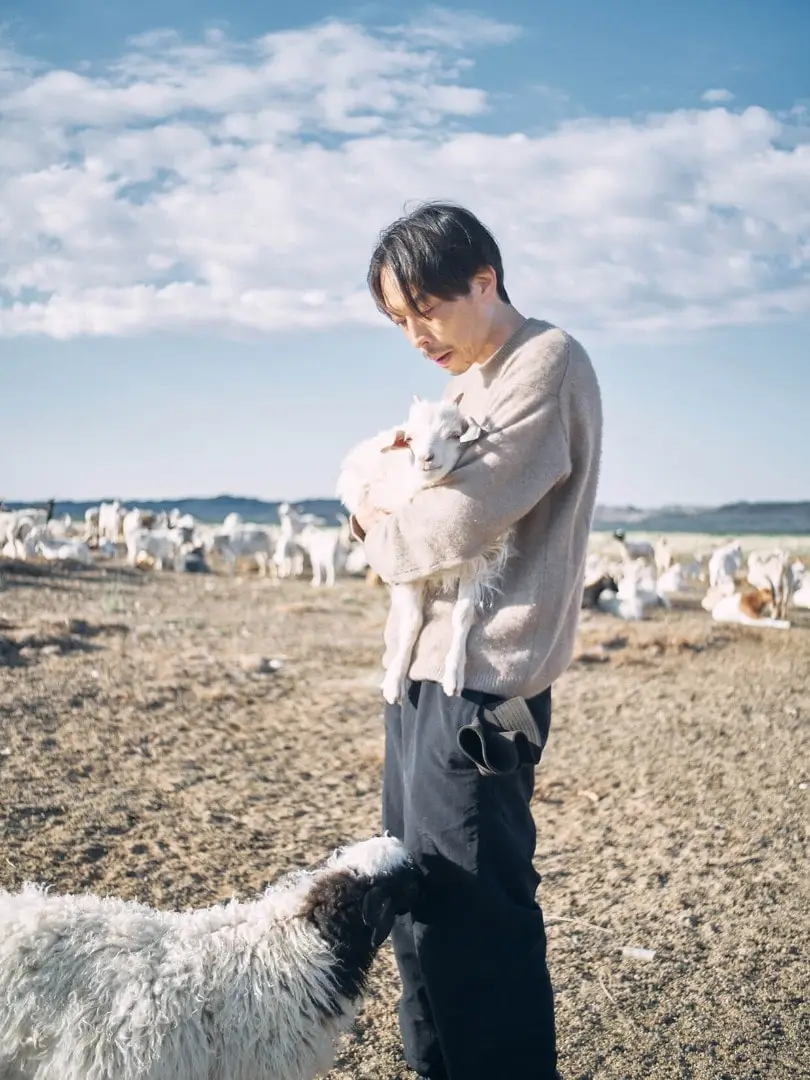
Across the vast plains of Mongolia, the story of cashmere begins far from the polished boutiques and fashion capitals where the finished garments are eventually worn. It begins with the nomadic herders who move across the steppe in search of water, pasture, and seasonal balance with nature. Their livelihood revolves around a fibre often called the “jewel of fibres”—cashmere.
View this post on Instagram
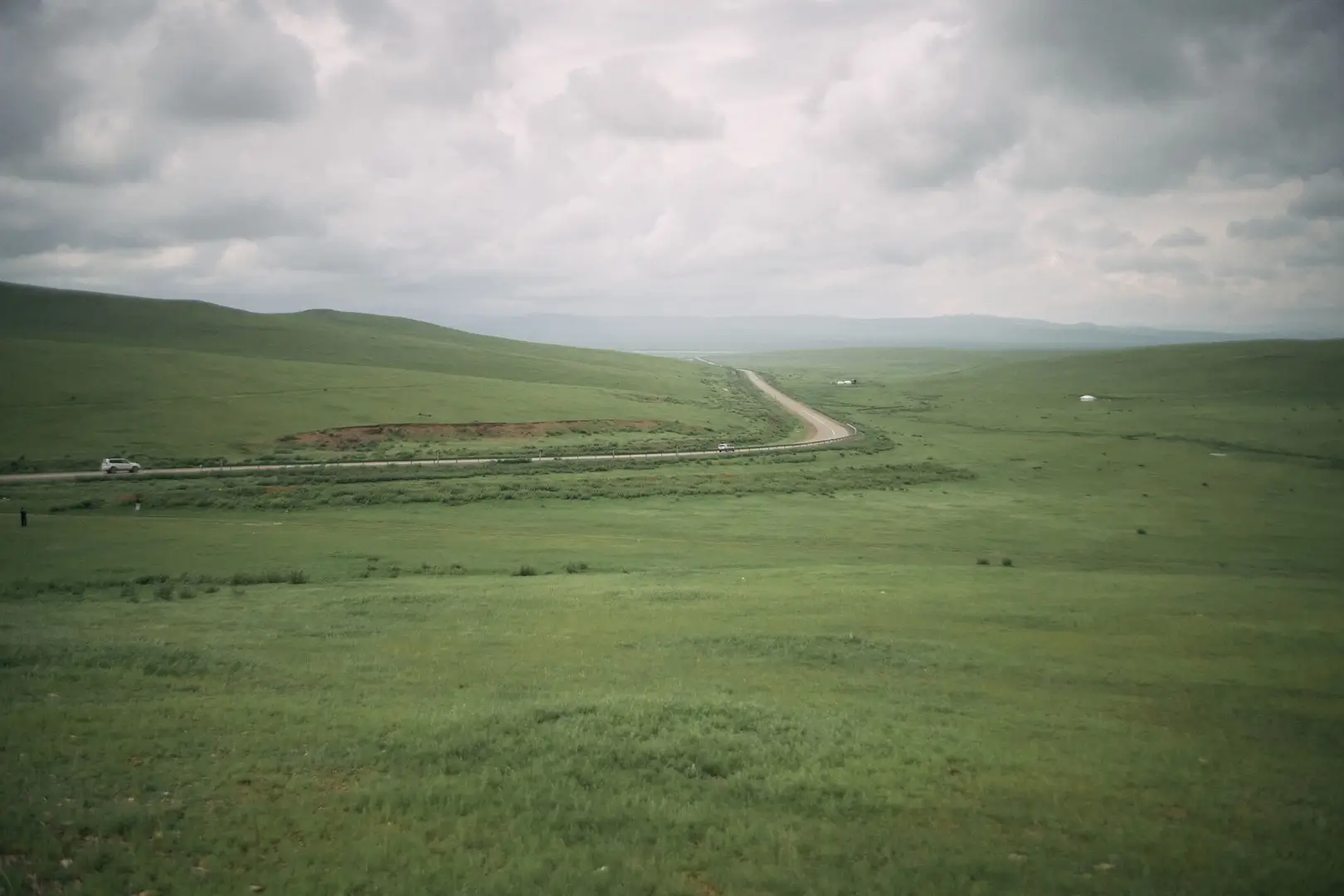
To meet the people behind this extraordinary material, the journey begins in Ulaanbaatar. From the capital, the route stretches nearly 900 kilometers southward, crossing open grasslands, rocky plains, and eventually the austere beauty of the Gobi Desert. The road is rarely straightforward. Flooded paths, broken tracks, and the occasional punctured tire are part of the rhythm of travel across Mongolia’s immense landscape.
Yet these challenges are simply part of the country’s geography. Mongolia’s terrain shifts constantly—green steppe fading into dust-colored hills, distant mountains appearing on the horizon before dissolving again into the flatness of the plains. The scale of the environment is overwhelming, and it becomes clear why nomadic life developed as a necessity rather than a romantic ideal.
Eventually the road leads to the camps of the herders.
flow
Cashmere production in Mongolia is deeply tied to nomadic pastoralism, a lifestyle that has existed for centuries. Families move their animals seasonally, following pasture and water across wide distances. Mobility is essential because the land must recover naturally after grazing.
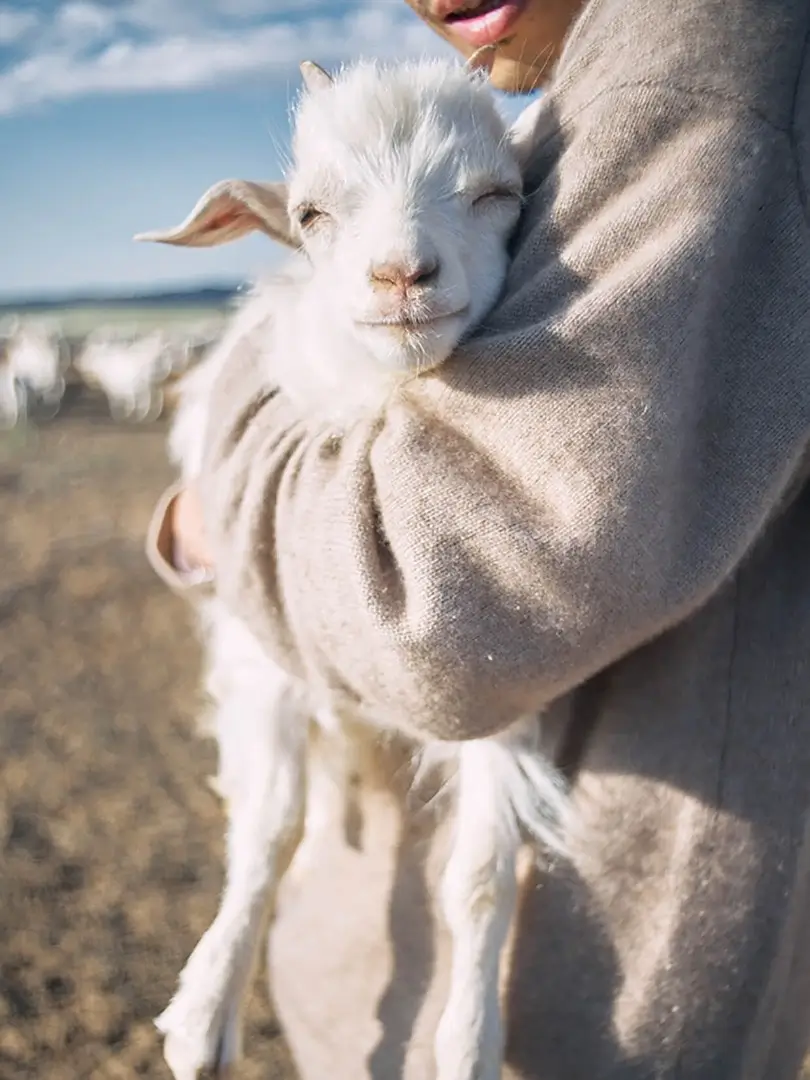
The goats that produce cashmere are hardy animals adapted to Mongolia’s extreme climate. Winters can plunge far below freezing, while summers bring intense heat. To survive the winter cold, the goats develop an incredibly fine undercoat beneath their rough outer hair. This soft underlayer is the cashmere fiber that is collected each spring.
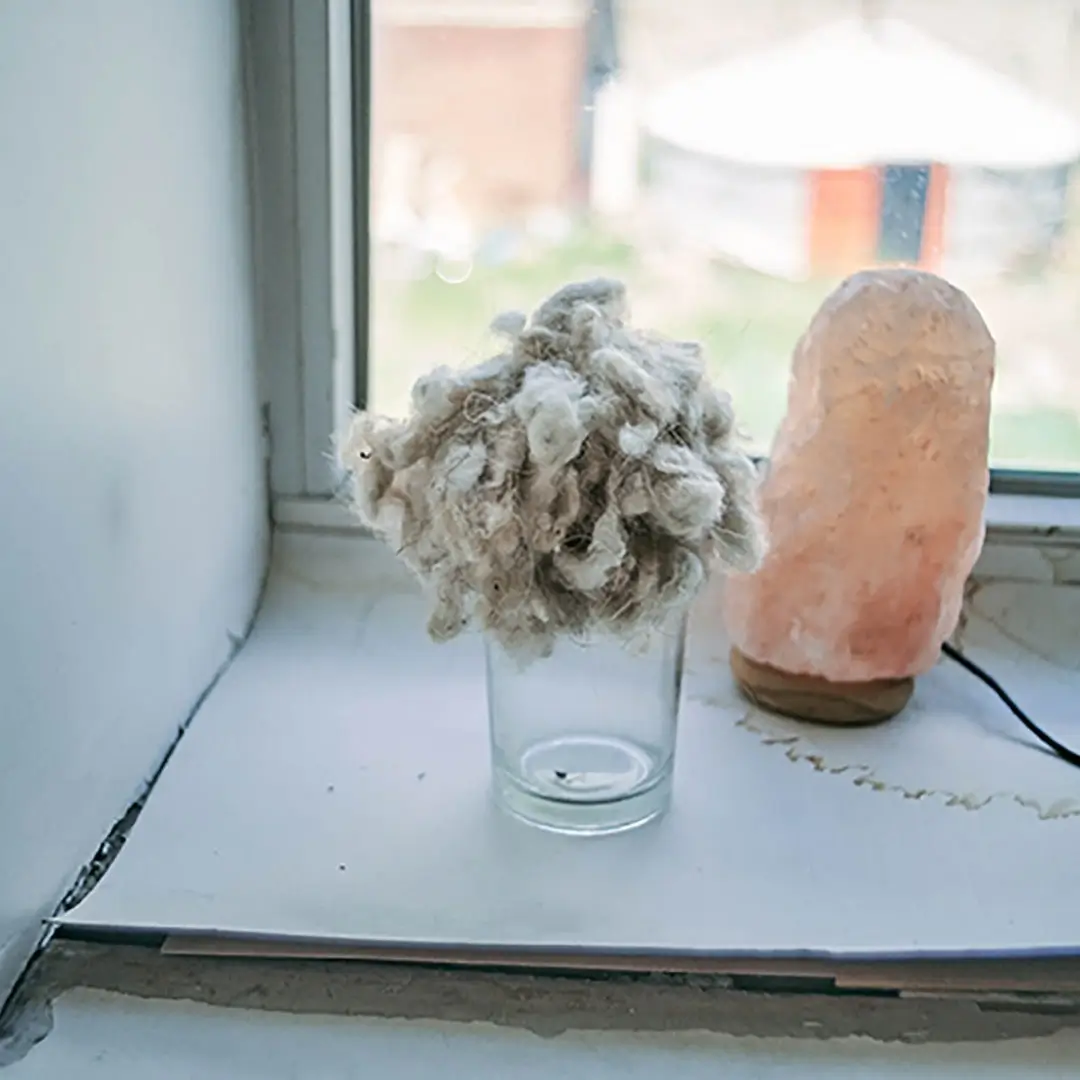
Unlike industrial fiber harvesting, the cashmere is not sheared with machines. Instead, herders comb the goats by hand, carefully separating the fine fibers from the outer guard hairs. The process is slow and labor-intensive, but it preserves the quality of the fiber.
A single goat produces only a small amount of usable cashmere each year, which helps explain the material’s rarity and luxury status.
stir
The nomadic families who raise these goats live in traditional circular dwellings known as gers, sometimes called yurts in the West.
A ger is designed for mobility and efficiency. Its structure consists of a wooden lattice frame covered with layers of felt and canvas. The materials insulate the interior against Mongolia’s brutal winters while remaining breathable in the summer heat.
Inside, the space is carefully organized.
The central stove provides warmth and serves as the heart of the home. Beds and storage chests line the walls. Bright textiles decorate the interior, adding warmth and color to the otherwise minimalist structure. Everything is arranged with precision because the home must be dismantled and transported whenever the family moves to a new pasture.
Despite the remote surroundings, visitors are welcomed with remarkable hospitality.
custom
One of the first gestures offered to guests is a bowl of suutei tsai, Mongolia’s traditional milk tea.
Unlike sweet tea cultures elsewhere in Asia, Mongolian milk tea is savory. It is typically made by boiling tea leaves with water, milk, and a pinch of salt. Sometimes butter or toasted grains are added, giving the drink a nourishing, almost soup-like character.
For nomadic families living in harsh environments, milk tea is more than a beverage—it is a daily source of warmth, hydration, and energy.
The ritual of sharing tea also reflects the strong hospitality embedded in Mongolian culture. Visitors, whether neighbors or travelers who have crossed hundreds of kilometers, are immediately invited to sit, warm themselves, and drink.
event
During the spring season, when the goats naturally shed their winter undercoat, the families begin the delicate process of collecting cashmere.
Herders gather the goats and carefully comb the fibers by hand. The collected wool is then sorted to remove coarse hairs and impurities. Only the softest and finest fibers are retained.
From there, the raw material enters a longer supply chain. The fibers are cleaned, dehaired, and eventually spun into yarn. Many haute fashion houses rely on Mongolian cashmere because the region’s climate produces some of the softest and longest fibers in the world.
Yet seeing the origin of the material in the open landscape of the Gobi Desert reveals a deeper truth. Cashmere is not simply a luxury commodity—it is the result of human knowledge, animal care, and a centuries-old relationship with the land.
geo
The unique qualities of Mongolian cashmere are inseparable from the country’s climate.
Mongolia experiences some of the most extreme temperature swings on Earth. Winters can drop below −40°C, forcing goats to grow a dense insulating undercoat. This natural survival mechanism produces the fine fibers that later become cashmere garments.
The open steppe also allows animals to roam freely and graze naturally, which contributes to fiber strength and quality.
For the nomadic families, however, the environment is both provider and challenge. Droughts, severe winters known as dzuds, and changing climate patterns can threaten livestock survival.
Maintaining the balance between herd size and pasture health has therefore become an increasingly important issue for Mongolia’s cashmere industry.
trail
The fibers gathered in places like the Gobi eventually travel far beyond Mongolia.
Once processed and spun into yarn, the material enters the global textile market, where it may become:
-
knitwear
-
scarves
-
coats
-
opulent sweaters
Some of the world’s most respected fashion labels rely on Mongolian cashmere for their collections. The fiber’s softness, warmth, and lightweight nature make it one of the most coveted natural materials in fashion.
Yet the journey from goat to garment is long.
It begins with the quiet rhythm of nomadic life—the early morning herding of animals, the boiling of milk tea, and the constant movement across the steppe in search of grass and water.
fin
The 900-kilometer drive from Ulaanbaatar into the Gobi Desert is more than a geographic journey. It is an encounter with a way of life that continues largely unchanged despite the pressures of modernization.
Flooded roads, tire punctures, and endless horizons become part of the experience, reminders that Mongolia remains one of the most sparsely populated and untamed landscapes on Earth.
At the end of the journey, however, the nomadic camps appear—clusters of white gers against the open desert.
The families welcome visitors inside.
Milk tea is poured.
And somewhere nearby, the goats that carry the future of cashmere graze quietly beneath the wide Mongolian sky.



No comments yet.