Mortal Shell II Reforges the Body: A Gore PS5 Gameplay Reveal

April 6, 2026
1 hour ago
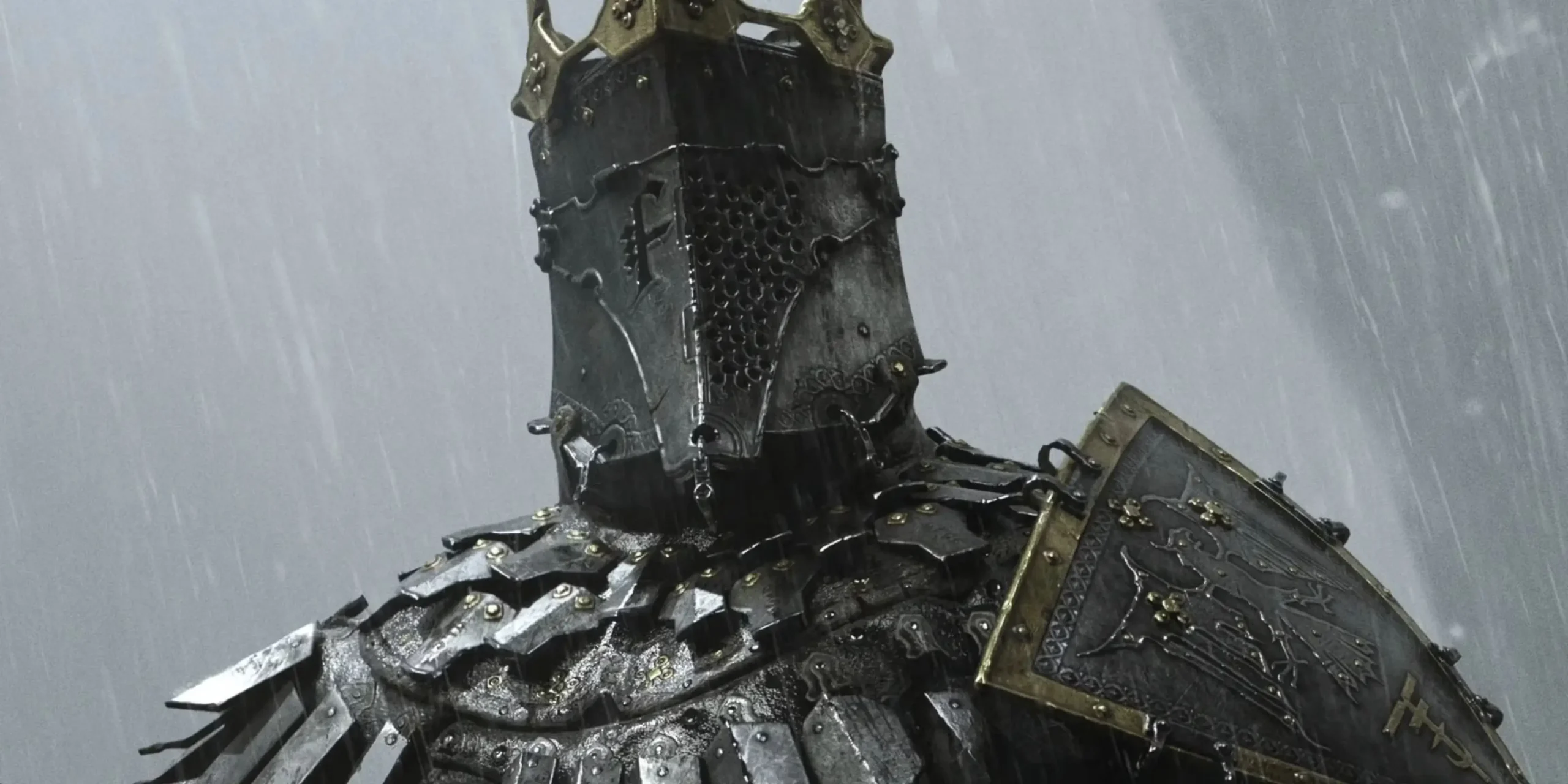
The return of Mortal Shell II doesn’t announce itself quietly. It arrives like a rupture—violent, deliberate, and textural. The gameplay reveal for PlayStation 5 doesn’t simply showcase mechanics; it repositions the series as something more expansive, more feral, and more structurally confident than its 2020 predecessor.
What was once a tightly wound, atmospheric experiment by Cold Symmetry now stretches into something closer to a system—a living, interconnected world where bodies are interchangeable, violence is language, and progression is less about leveling up than about inhabiting difference.
The reveal makes one thing clear: Mortal Shell II isn’t just refining a formula. It’s destabilizing it.
evolve
At the center of Mortal Shell’s identity is its defining mechanic—the ability to inhabit fallen warriors, or “Shells,” each offering distinct attributes, combat rhythms, and narrative fragments. That idea returns in Mortal Shell II, but it feels less like a feature and more like a philosophy.
The gameplay reveal introduces three distinct Shells—each moving through separate trajectories across the same hostile terrain.
This structural decision reframes character selection into something more fragmented and interpretive. You are not choosing a class—you are choosing a perspective.
Each Shell carries:
- A unique combat tempo
- Different stamina and resilience thresholds
- Individual narrative echoes embedded in memory fragments
Possession becomes more than utility. It becomes authorship.
In Mortal Shell II, the body is not yours. It never was. It is borrowed, weaponized, and eventually discarded.
play
Combat remains rooted in the Soulslike lineage—deliberate, punishing, and deeply physical. But the reveal suggests a notable shift in cadence. There is weight here, but also elasticity.
Movements are slower, but transitions are sharper. Impacts land with an almost exaggerated brutality. Weapons feel less like tools and more like extensions of mass.
Where many Soulslikes chase speed, Mortal Shell II leans into resistance.
Encounters emphasize:
- Commitment over reaction
- Positioning over aggression
- Timing as survival rather than advantage
The introduction of expanded ranged combat—crossbows, firearm-like projectiles—adds a new layer of tactical distance, but it doesn’t dilute the tension. Instead, it complicates it.
You are never safe. Distance is just another variable to manage.
And then there is the grotesque detail: enemies folding in on themselves, weapons interacting with flesh in ways that feel almost anatomical. It’s not spectacle—it’s texture.
intent
Perhaps the most significant departure from the original Mortal Shell is its embrace of a compact open world.
The reveal situates players in a reimagined Fallgrim—a landscape now expanded, interconnected, and deliberately structured to reward exploration without overwhelming scale.
This is not open world as excess. It is open world as density.
Cold Symmetry’s approach seems focused on:
- Interwoven pathways rather than vast emptiness
- Meaningful discovery over procedural sprawl
- Environmental storytelling embedded in traversal
More than 60 dungeons are teased, each acting as a node within a larger network of progression.
The implication is clear: Mortal Shell II wants to respect your time, but not your comfort.
Every path leads somewhere—but not always somewhere safe.Atmosphere: Grotesque Beauty and Sonic Violence
If the original Mortal Shell was defined by its oppressive atmosphere, the sequel amplifies that identity into something almost theatrical.
The gameplay reveal is drenched in decay—wet stone, rotting architecture, bodies that feel half-formed and overexposed. There is a constant sense of instability, as though the world itself is collapsing inward.
But it’s not just visual.
Sound design plays a crucial role:
- Metallic echoes stretch longer than expected
- Flesh impacts are dampened, almost suffocating
- Ambient noise feels invasive rather than atmospheric
And then there’s the music—heavy, distorted, almost industrial in its aggression. It doesn’t guide you. It overwhelms you.
The result is a world that doesn’t want to be explored—it wants to be endured.
nar
Mortal Shell II leans further into mythic abstraction. The reveal frames the player as a “Harbinger,” tasked with dethroning false gods and navigating a world already in collapse.
But narrative here is not delivered traditionally.
Instead, it is:
- Fragmented across Shell memories
- Embedded in environmental detail
- Implied through enemy design and world structure
You are not told a story. You assemble it.
The central themes—decay, identity, transcendence—are not explained. They are experienced through repetition and failure.
And crucially, the sequel is positioned as a standalone experience. No prior knowledge of the original is required.
This suggests a shift in accessibility—not in difficulty, but in narrative entry.
strad
One of the most compelling tensions in the gameplay reveal is the balance between expansion and intimacy.
On one hand, Mortal Shell II is undeniably larger:
- More environments
- More dungeons
- More combat options
On the other, it feels more focused.
Encounters are tighter. Spaces are more deliberate. Even the open world feels curated rather than sprawling.
This balance is critical.
The original Mortal Shell was often praised for its atmosphere but critiqued for limited variety.
The sequel appears to respond directly to that criticism—expanding scope without losing identity.
commune
Early reactions to the gameplay reveal reflect a familiar divide within the Soulslike community.
On one side, there’s cautious optimism:
“They definitely tightened what needed to be tightened.”
On the other, skepticism remains:
“Looks like another cookie cutter soulslike…”
This tension is important. Mortal Shell has always existed in the shadow of giants like Dark Souls. Its challenge has never been difficulty—it’s been differentiation.
Mortal Shell II seems aware of this.
The expanded mechanics, the open world structure, the emphasis on identity through Shells—these are not just features. They are attempts to carve out space.
Whether that space feels distinct enough remains to be seen.
tech
The PS5 reveal highlights a noticeable step up in technical fidelity.
Lighting is more dynamic. Textures are more detailed. Animation transitions feel more cohesive. There is a sense of physicality that wasn’t fully realized in the original.
Key improvements include:
- Faster load transitions (almost imperceptible)
- More detailed environmental layering
- Enhanced particle effects during combat
But perhaps the most important upgrade is consistency.
Where the original sometimes felt uneven—brilliant in moments, rough in others—the sequel appears more controlled.
More intentional.
rel
Mortal Shell II is currently slated for release in 2026 across:
- PlayStation 5
- Xbox Series X|S
- PC (Steam)
A collector’s edition is also planned, with PS5 receiving a special “Revered Edition” featuring physical extras like an art book and steelbook case.
No exact release date has been confirmed yet, but the trajectory suggests a late-cycle push—likely aligned with major industry showcases.
fin
The gameplay reveal of Mortal Shell II doesn’t promise revolution. It promises refinement with intention.
It understands what worked:
- The Shell system as identity
- Combat as resistance
- Atmosphere as narrative
And it understands what didn’t:
- Limited scope
- Repetition
- Lack of variety
The result is a sequel that feels heavier—not just in combat, but in concept.
Mortal Shell II is not trying to be everything.
It is trying to be sharper.
More deliberate.
More itself.
And in a genre increasingly defined by imitation, that might be the most radical move of all.