Motorola’s World Cup Razr Turns the Flip Phone Into a Field Pass 2026

March 2, 2026
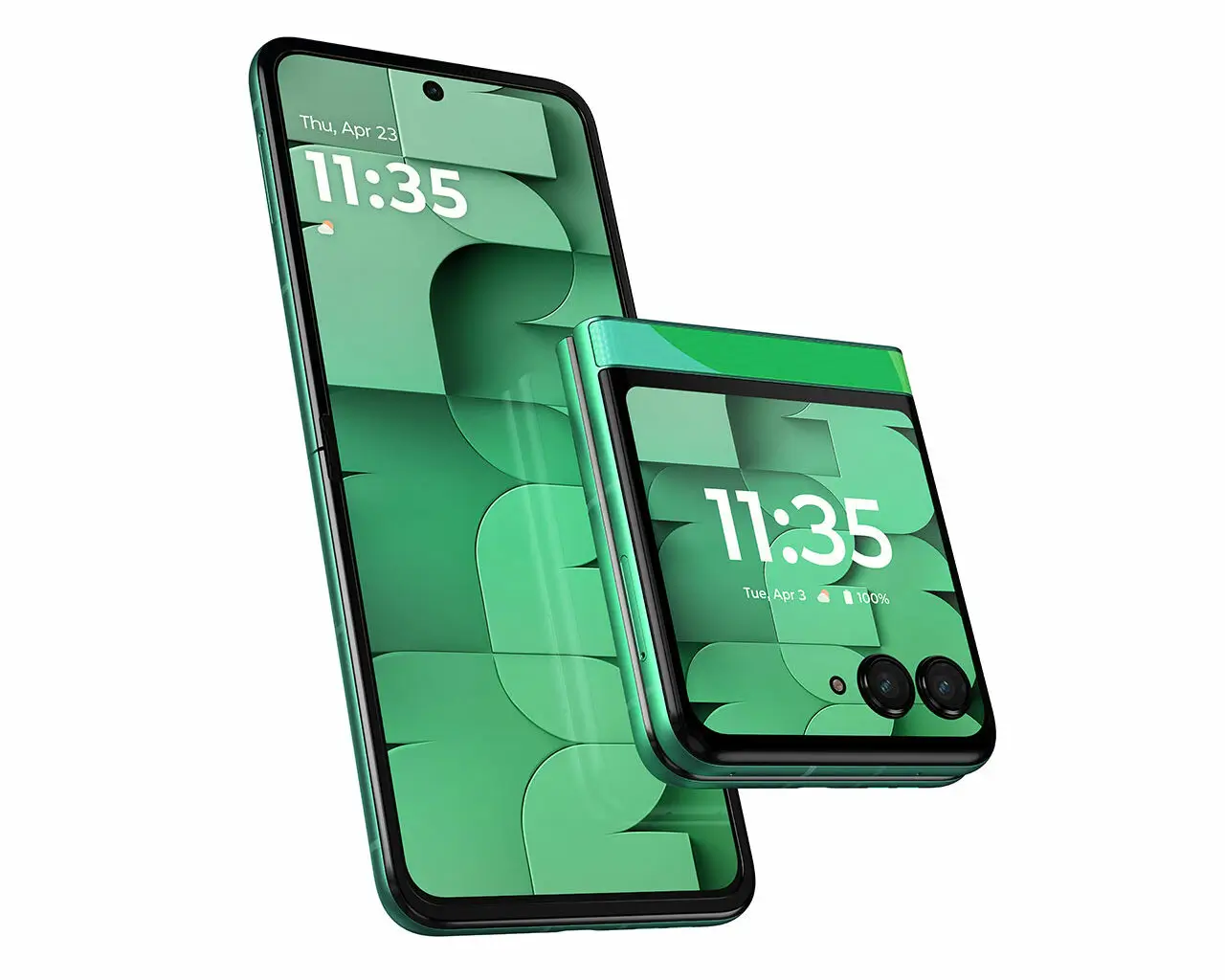
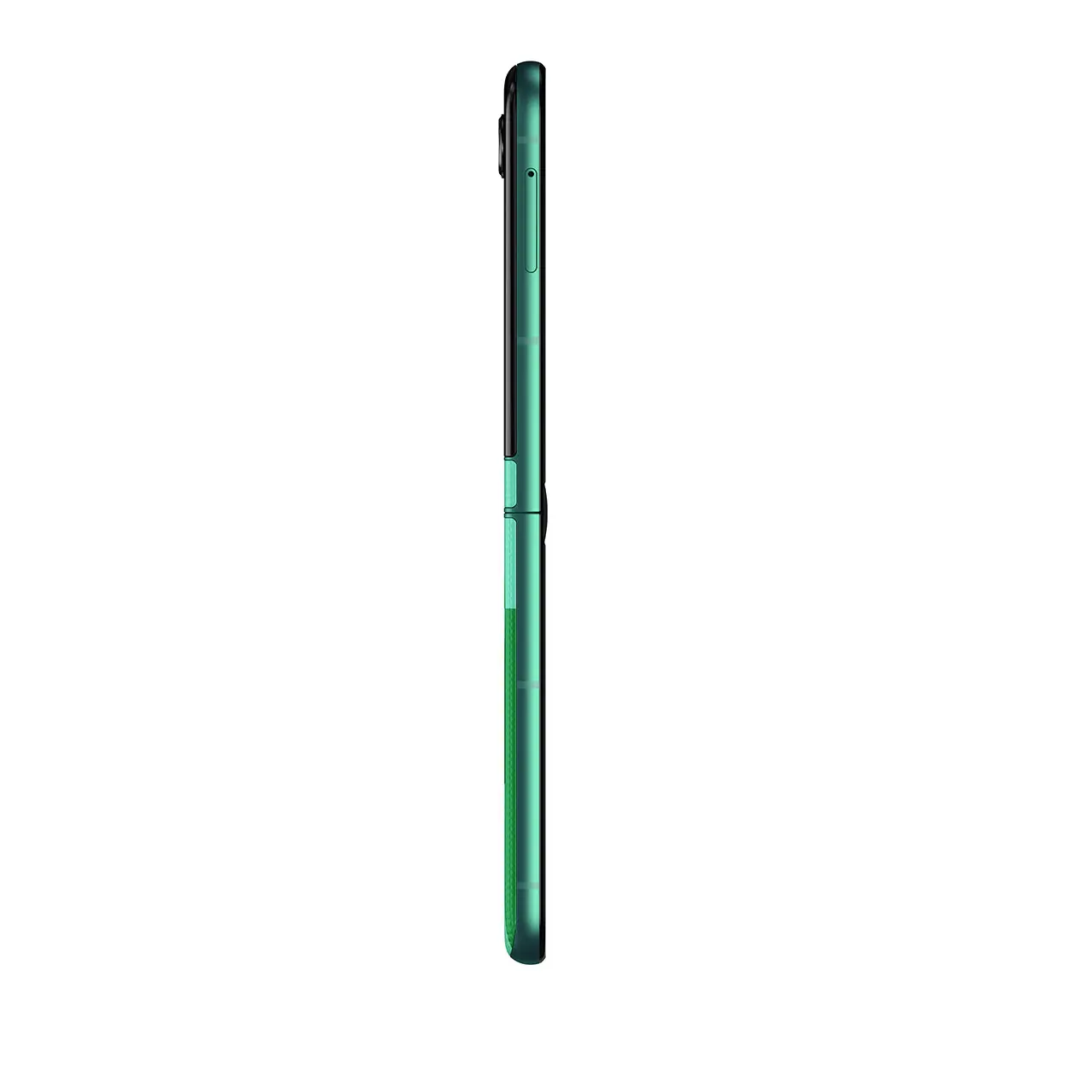
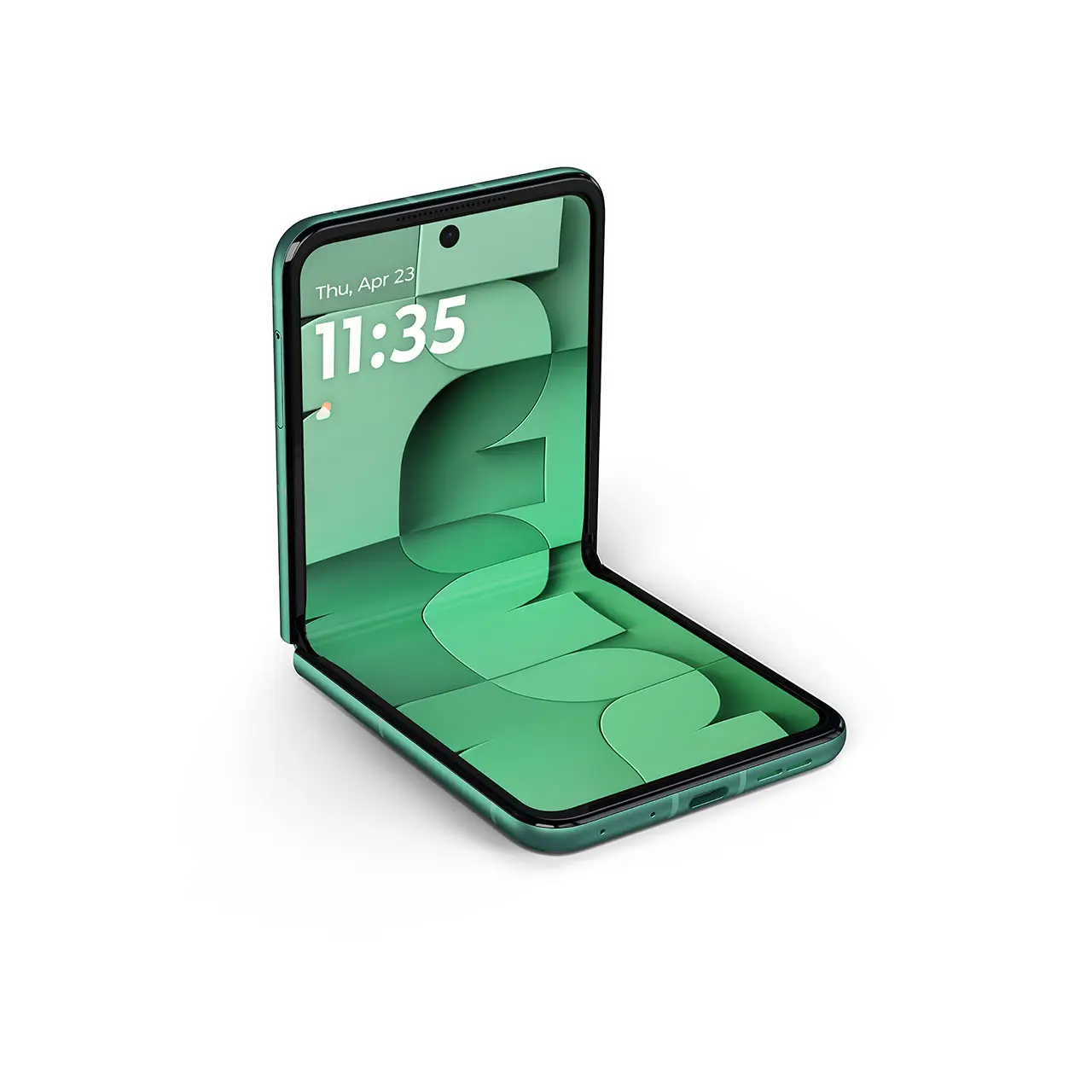
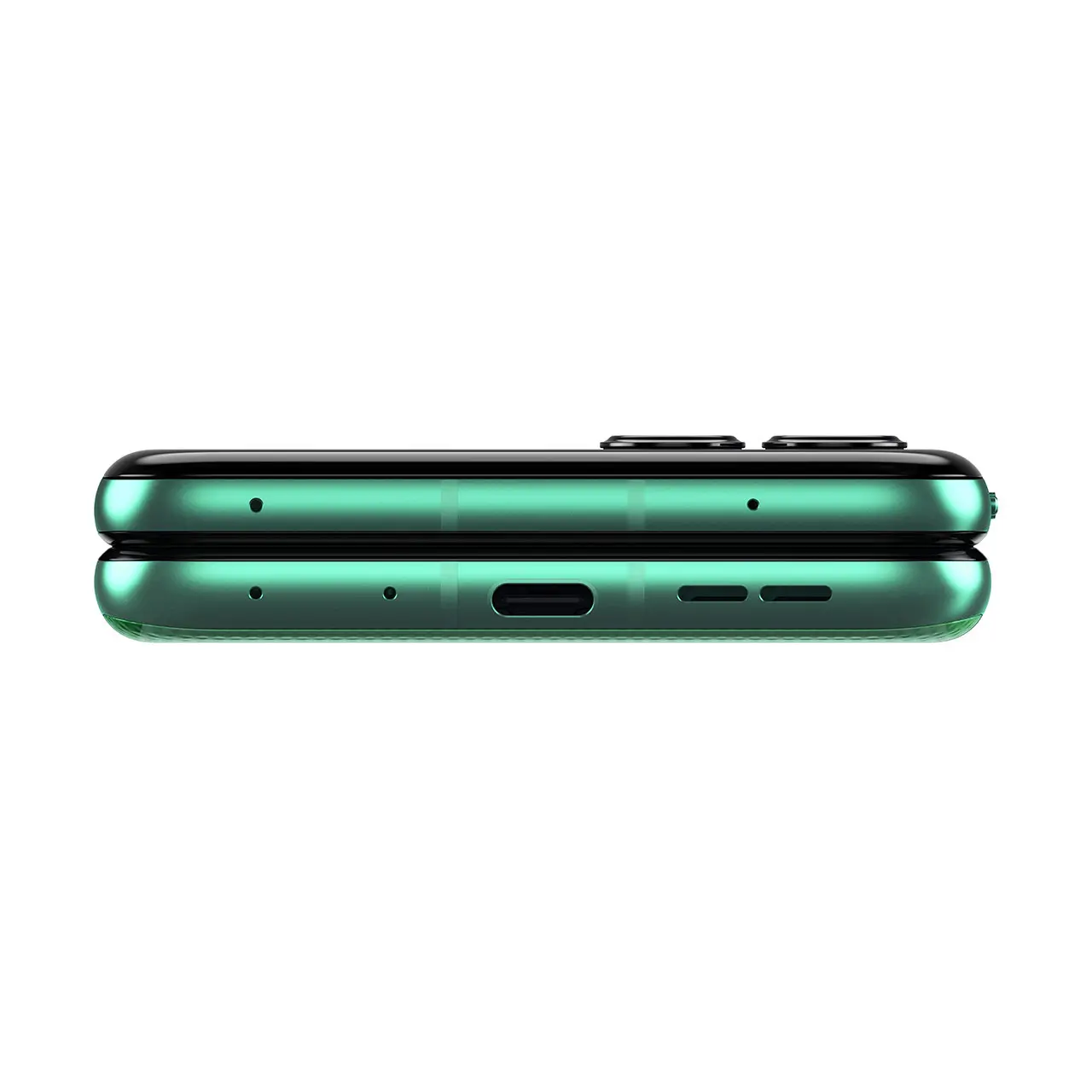
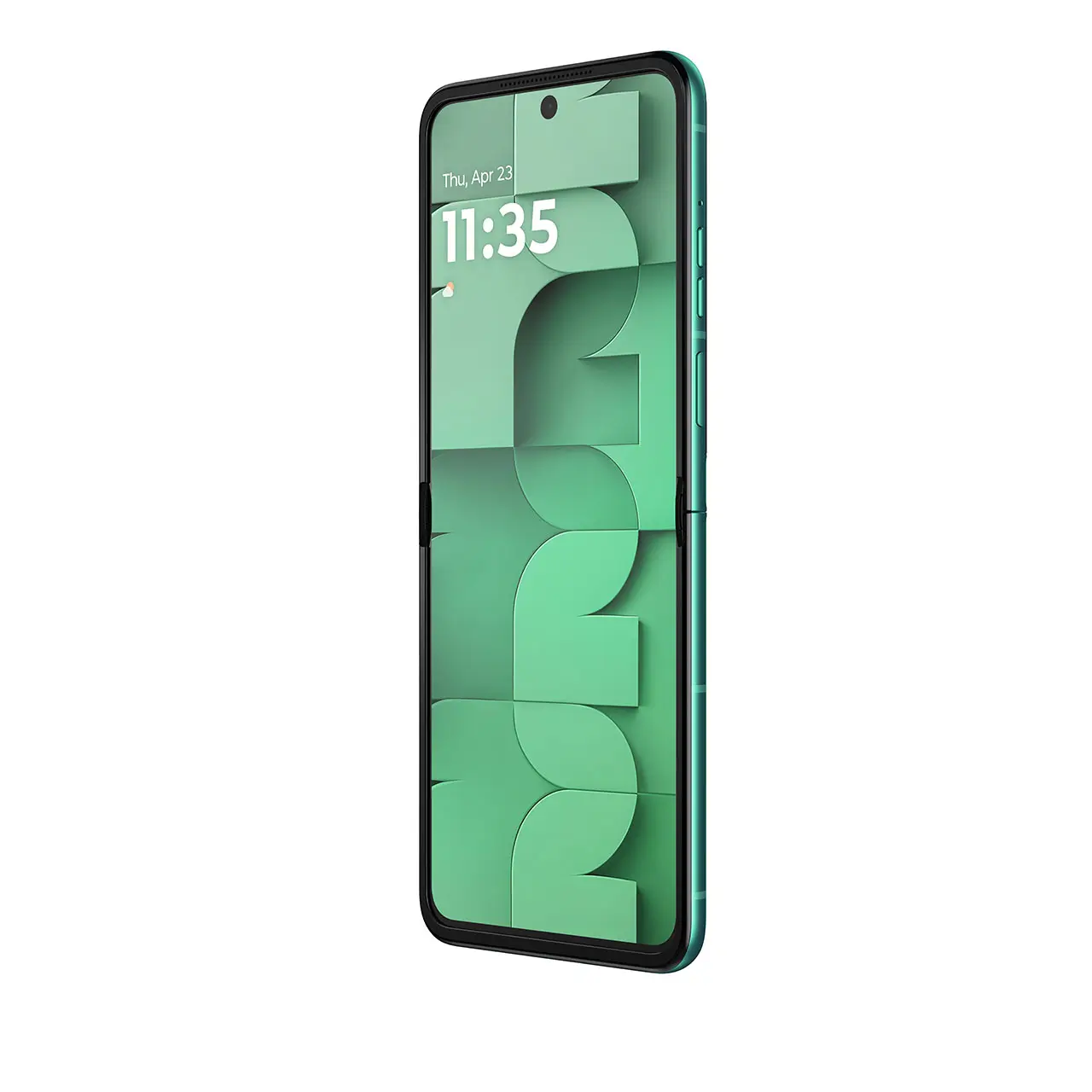
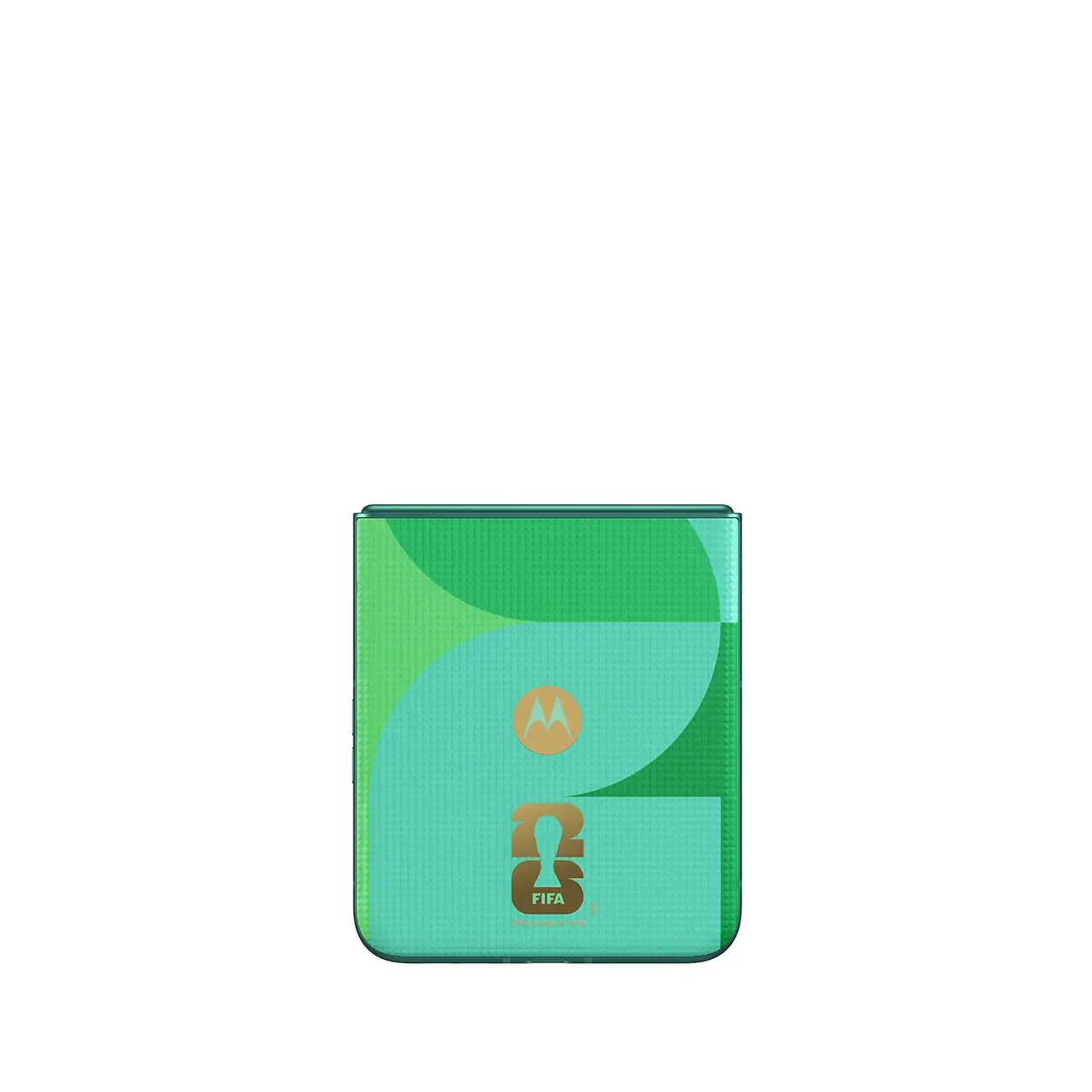
Motorola’s World Cup play is not subtle. It’s not trying to be. The company has taken one of the most symbol-heavy objects in contemporary tech—the Razr flip phone—and dressed it in tournament codes that read instantly as football: grass-green tones, energetic geometry, and official FIFA World Cup 26™ branding. The result, sold as the motorola razr FIFA World Cup 26™ Edition, is less “limited colorway” and more “collectible totem,” a device built to be seen the moment it snaps open.
There’s a reason this approach lands in 2026. The phone market has become a sea of competent rectangles, and even the foldable category—once an adrenaline spike—has settled into predictable silhouettes. Special editions, when they’re thoughtful, reintroduce personality. Motorola has always understood the Razr as a cultural object, not just a spec sheet, and this FIFA World Cup 26™ Edition leans hard into that identity: design first, story always, hardware as the supporting actor.
style
The headline move is the exterior treatment. Motorola frames the device as “field-inspired,” using green tones meant to evoke fresh turf and the atmosphere of match day. Gold-color Motorola and FIFA World Cup 26™ logos add a trophy-case contrast, turning the back panel into something closer to sports memorabilia than consumer electronics.
What makes the look work is restraint inside the exuberance. The finish isn’t neon novelty; it’s “bright yet grounded,” a phrase Motorola uses to communicate that the device is meant to feel optimistic without tipping into toy-like. That matters because football culture—especially at World Cup scale—sits at an intersection of pageantry and seriousness. The design has to perform in both worlds: the casual fan who wants a vibe, and the devoted supporter who wants something that feels official, not gimmicky.
Design media coverage has emphasized the geometric patterning and tone-on-tone green “skin,” describing it as an attempt to freeze-frame motion—energy, momentum, fluidity—using the tournament’s broader visual language as a template. The point isn’t that your phone becomes a jersey; it’s that your phone becomes a graphic system, carrying the event’s branding into daily life the way a scarf or kit would.
vegan
Motorola also makes a tactile argument. The phone is finished in a soft-touch vegan leather meant to feel more like equipment than electronics—closer to the grip and matte textures that show up in sport accessories than to the cold perfection of glass slabs. It’s a small detail, but it’s where “special edition” becomes “designed object.” People don’t just look at a flip phone; they handle it constantly. A textured back turns every interaction into a reminder that this isn’t the standard model.
The choice also speaks to where premium consumer taste has drifted. Leather-like textures in phones aren’t new, but they’ve regained relevance as brands look for warmth and tactility in an era of sterile devices. A World Cup edition that’s meant to feel like a keepsake benefits from that warmth. It wants to live on a desk, on a café table, in a hand during a match—noticed, yes, but also felt.
flow
Motorola doesn’t stop at paint. The FIFA World Cup 26™ Edition leans into themed software touches: exclusive wallpapers, a tournament-themed ringtone, and even a dedicated watermark for photos—small signals that your device is participating in the event rather than merely wearing its logo.
This is the quiet genius of special editions in 2026: the experience layer matters as much as the shell. Wallpapers and ringtones are easy to dismiss as superficial, but they function like rituals. Sports fandom thrives on ritual—chants, kits, pre-game habits, post-goal routines. A phone that greets you with match-day cues is trying to become part of that pattern. And because a flip phone already has a performative gesture—open, close, repeat—the software cues amplify the theater.
collect
For all the symbolism, this is still a phone you’re supposed to use all day. Coverage and retailer listings position it as sharing the same core hardware as the standard Razr model it’s based on, with emphasis on the external display usability and a 50MP camera system in marketing.
Design-focused writeups also call out battery life improvements as part of the “all-day match” idea, framing endurance as a practical counterpart to the nostalgia of flipping shut your device. Whether you’re bouncing between watch parties, grabbing clips for social, or just doomscrolling group chats during stoppage time, the point is to keep the phone alive long enough to matter.
In other words, Motorola is selling a vibe, but it’s anchoring it in usability. That balance is crucial. The worst special editions are museum pieces that live in boxes. The best are objects you can actually integrate into your routine without feeling like you’re “saving” them for some hypothetical future.
strat
The Razr FIFA World Cup 26™ Edition doesn’t exist in isolation. Motorola has been messaging its role as an official smartphone partner of FIFA World Cup 2026, and it’s framing the broader “FIFA World Cup 26™ Collection” as a family of products that keep fans connected to highlights, moments, and content experiences.
This matters because it shows the intent: Motorola isn’t just borrowing the World Cup’s prestige; it’s trying to build a tournament-season ecosystem. In practical terms, that can mean curated content, app integrations, or co-branded experiences that extend beyond a single handset. In brand terms, it’s Motorola positioning itself as the phone you carry when culture peaks—when the group chat becomes global.
The timing also overlaps with Motorola’s renewed push in premium foldables. Separate from the flip-style Razr line, Motorola has been talking up higher-end foldable ambitions in 2026, which makes the World Cup association feel like more than a one-off. It’s a narrative bridge: global spectacle meets premium hardware, fandom meets flagship aspiration.
why
Football has always been a sport of objects. Tickets, scarves, trading cards, match balls, boots, jerseys from specific years that instantly unlock memories. Smartphones, by contrast, are notoriously disposable—upgraded, traded in, forgotten. A special-edition Razr tries to pull the phone back into the “object with memory” category.
The Razr silhouette is uniquely suited to that. It already carries nostalgia, not as a retro gimmick but as a mechanical satisfaction—closing a conversation with a snap. That physical punctuation is rare in modern devices, and it resonates with sports culture, where gestures are everything: a referee’s whistle, a striker’s celebration, the collective rise of a crowd. A flip phone adds punctuation to your day, and during a World Cup, punctuation is the entire emotional grammar.
Motorola’s best move here is acknowledging that the World Cup isn’t only watched; it’s performed. Fans perform their allegiance. Brands perform their presence. The phone becomes another stage, a small one, but a constant one.
lang
One of the more interesting aspects of this edition is how it leans into graphic abstraction rather than literal imagery. No giant trophy graphic. No team crests. Instead, geometric elements suggest motion and energy—visual metaphors for the game’s pace and flow. That’s a smarter path because it avoids the problem of fandom specificity. The World Cup is a tournament of nations; any single flag-heavy aesthetic risks alienating everyone else. Abstract geometry keeps it inclusive, aligning with official branding logic rather than tribal team logic.
The gold accents do the opposite: they are literal status markers. Gold means champion, prestige, “special.” It’s a simple trope, but it works because it’s legible at a glance. In a world where most phones look identical from a few feet away, quick legibility is power.
stir
The FIFA World Cup 26™ Edition has been listed through major carriers/retail channels in the U.S., alongside Motorola’s own store pages that frame it as a collectible celebration of the tournament.
That distribution choice is telling. Motorola doesn’t want this to be a mythic drop that only hardcore collectors can access; it wants it visible, buyable, and wearable. The World Cup is mass culture. A device that commemorates it needs to live at mass scale, even if the edition itself remains finite.
fin
The most successful aspect of Motorola’s re-styled Razr is that it understands commemorative design is about more than slapping on a logo. The field-green palette, the textured vegan leather, the gold accents, the themed software layer—each element reinforces the central idea that this device is a keepsake you can actually use.
If you’re the kind of person who treats the World Cup like a calendar landmark—something you remember by where you watched, who you watched with, what you wore—this Razr is engineered to join that memory system. It’s a small object that wants to carry a very big event.
And in 2026, when our devices so often feel interchangeable, there’s something refreshing about a phone that takes a side: not in terms of teams, but in terms of vibe. It flips open like a celebration. It closes like a conclusion. And it wears the world’s biggest tournament as a design language you can hold.
No comments yet.