Mowalola’s Lotta Cap: Fashion’s Rebellion in One Iconic Headpiece

June 28, 2025
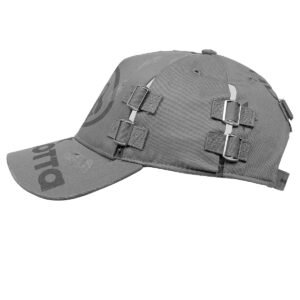
When thinking of contemporary fashion’s most potent symbols, we often imagine monogrammed haute bags or futuristic shoes. Yet, sometimes, it is a simple, wearable accessory that can disrupt an entire fashion landscape. Enter Mowalola’s Lotta cap — a piece that encapsulates a generation’s search for subversive self-expression, the raw energy of streetwear, and the unapologetic futurism of one of London’s most exciting designers.
The Mowalola brand, helmed by Nigerian-British designer Mowalola Ogunlesi, is known for challenging traditional ideas of gender, race, and cultural ownership. Her designs channel rebelliousness, nightlife sensuality, and a global perspective, fusing African influences with London’s underground club energy. The Lotta cap is not merely an accessory; it is a wearable manifesto.
Design and aesthetic breakdown
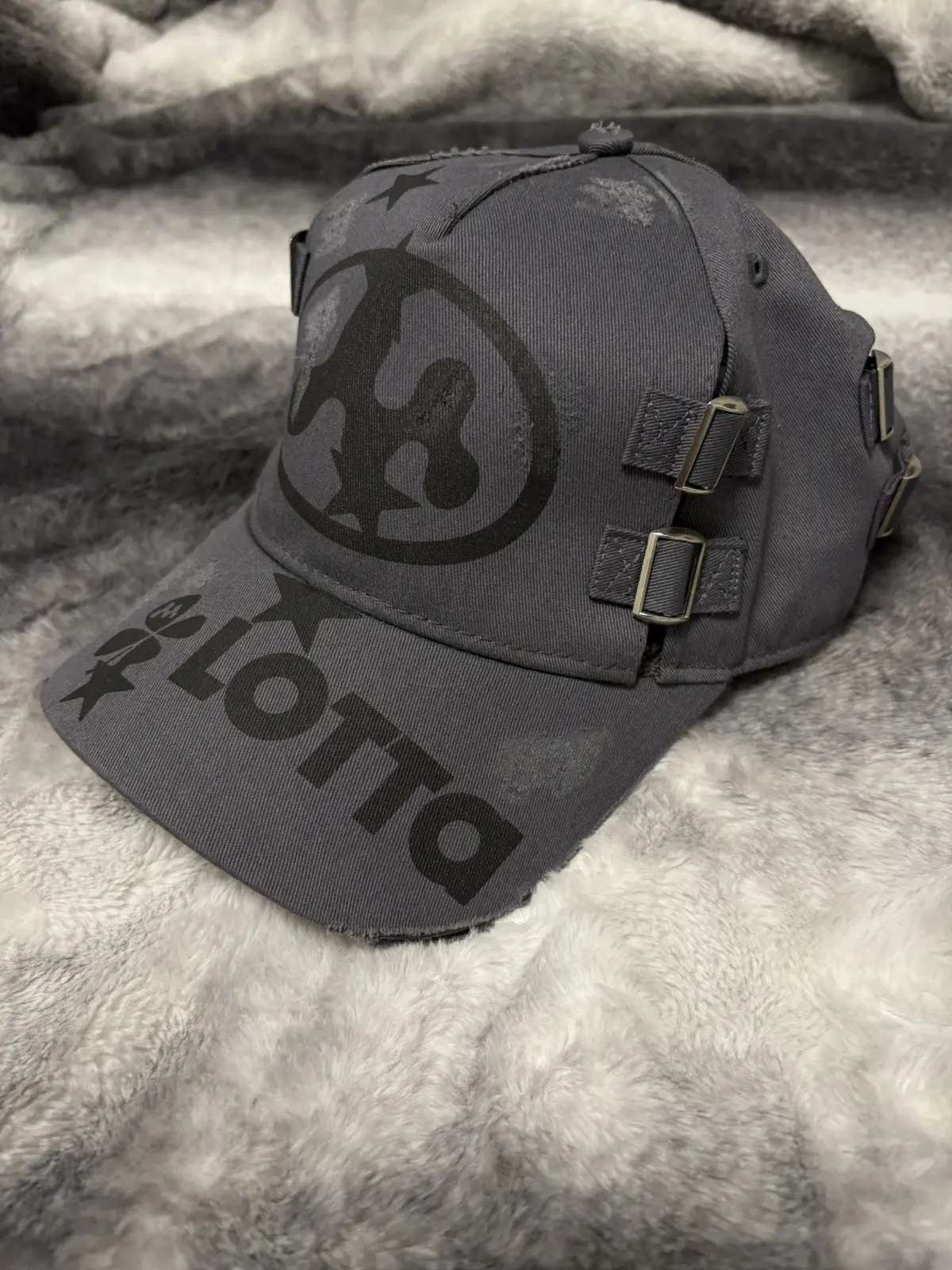
At first glance, the Lotta cap may appear deceptively simple. Constructed from 100% cotton twill, it offers a rugged yet refined canvas. Its muted grayish slate color creates a neutral foundation, but close inspection reveals layers of thought-provoking detail.
Front and center is Mowalola’s signature abstract logo — an emblem reminiscent of fluid shapes, almost as if it were a distorted star or cosmic droplet. Below it sits the bold text “LOTTA,” flanked by smaller stars and a whimsical character that looks both alien and playful.
The sides of the cap feature small metal buckles and cinch tabs, giving it a tactical, utility-inspired edge. Subtle distressing across the panels suggests wear and rebellion, echoing the DIY aesthetic of punk fashion. This combination of damage and design is deliberate, evoking the duality of vulnerability and strength.
Culture
Mowalola’s approach to fashion is deeply informed by her bicultural heritage. Born in Nigeria and educated at Central Saint Martins in London, she blends West African boldness with the avant-garde spirit of London’s club scene. Her collections often explore themes of freedom, androgyny, and fluid identity — concepts vividly present in the Lotta cap.
The cap’s name itself hints at multiplicity: “Lotta” can suggest abundance, excess, or an affectionate nickname. In a deeper sense, it plays on the tension between individuality and collectivity. A single cap worn on a crowded dance floor might signify anonymity or, paradoxically, an amplified individuality.
Literary and symbolic parallels
Throughout literature, headwear has often symbolized power, identity, and transformation. From the crown in Shakespeare’s plays to the bowler hats in Samuel Beckett’s absurdist dramas, headwear can signal a character’s social status, mental state, or even existential position.
The Lotta cap fits within this lineage as a modern talisman of self-statement. Its distressed surface suggests a life lived at high velocity — scraped by the demands of urban existence yet resilient. The metal hardware acts as visual punctuation marks, breaking up the cap’s smooth narrative and hinting at moments of disruption and resistance.
Trend analysis: Caps as cultural statements
In recent years, the cap has evolved from a mere functional accessory to a crucial element of self-expression within streetwear. While haute houses like Gucci and Balenciaga have leaned into logo-heavy dad caps, independent designers have taken a more conceptual route.
Mowalola’s Lotta cap diverges from purely logo-centric trends. Instead, it combines graphical art with subtle cultural codes, embodying a spirit that resonates with the new generation’s desire for authenticity over overt branding. For younger consumers who value fashion as a language rather than a billboard, the Lotta cap is a compelling vocabulary addition.
Streetwear’s intellectual turn
Streetwear has grown beyond skateparks and underground clubs to influence high fashion runways and mainstream wardrobes. As this migration happened, an increasing segment of designers and consumers began craving depth and narrative over mere hype.
The Lotta cap, with its cryptic symbolism and distressed finishes, taps into this movement. It feels as much like an art object as it does an accessory — a piece that invites questions rather than merely offering answers. Who is Lotta? What does the abstract emblem signify? Why the calculated destruction? Each element prompts reflection and dialogue, making the cap more than an afterthought in an outfit.
The DIY spirit and the beauty of imperfection
One of the most striking features of the Lotta cap is its distressed, worn-in look. This aesthetic choice speaks to a broader appreciation of imperfection in contemporary fashion. The Japanese concept of wabi-sabi celebrates beauty that is transient and imperfect, emphasizing authenticity over flawlessness.
In the same way, the Lotta cap’s frayed edges and seemingly random abrasions feel like an intimate diary entry. Each scuff and mark could be read as an emblem of lived experience, an ode to the wearer’s personal journey through city streets, music venues, and late-night adventures.
Sustainability and conscious consumption
While the Lotta cap is not overtly marketed as a sustainable piece, it embodies a subtle challenge to fast fashion’s obsession with pristine newness. By designing a cap that looks pre-worn, Mowalola encourages a rethinking of our relationship to clothing. Pieces need not be disposable; they can be reinterpreted, personalized, and even improved with wear.
This approach dovetails with a broader cultural push toward sustainability, where consumers increasingly seek items with emotional durability and narrative value.
Market positioning and exclusivity
The Lotta cap retails around $80 to $120 USD, depending on the marketplace and condition. Originally available through select high-fashion retailers such as SSENSE and Mowalola’s official site, it quickly sold out, becoming a coveted piece on secondary platforms like Grailed.
This exclusivity enhances its cultural capital. To wear a Lotta cap is not just to signal affiliation with Mowalola’s aesthetic but to proclaim participation in a rarified global conversation about fashion, art, and identity.
More than just a cap
The Mowalola Lotta cap distills the restless spirit of a generation into a single wearable piece. It is rebellious yet thoughtful, rugged yet poetic. Each design decision, from the cryptic graphics to the metal accents and distressed fabric, acts as a brushstroke in a living canvas of cultural commentary.
In a world awash in mass-produced merchandise, the Lotta cap stands out as a beacon of creative resistance — a reminder that fashion can still be art, a challenge, a question mark rather than a period.
To own and wear this cap is to join a lineage of cultural rebels and dreamers who use fashion not as mere decoration but as a language of identity, transformation, and connection.