Review: Mr Motivator and the Fight Against “Bed Poverty”: A Wake-Up Call for the UK

March 21, 2026

when
In a country often associated with stability and developed infrastructure, the idea that thousands of children lack a proper bed may feel jarring. Yet across the United Kingdom, a quiet crisis persists—one that rarely dominates headlines but shapes lives in profound ways. It is called bed poverty, and its implications stretch far beyond discomfort. At its core, bed poverty is not simply about the absence of furniture. It is about the absence of rest, dignity, routine, and, ultimately, opportunity.
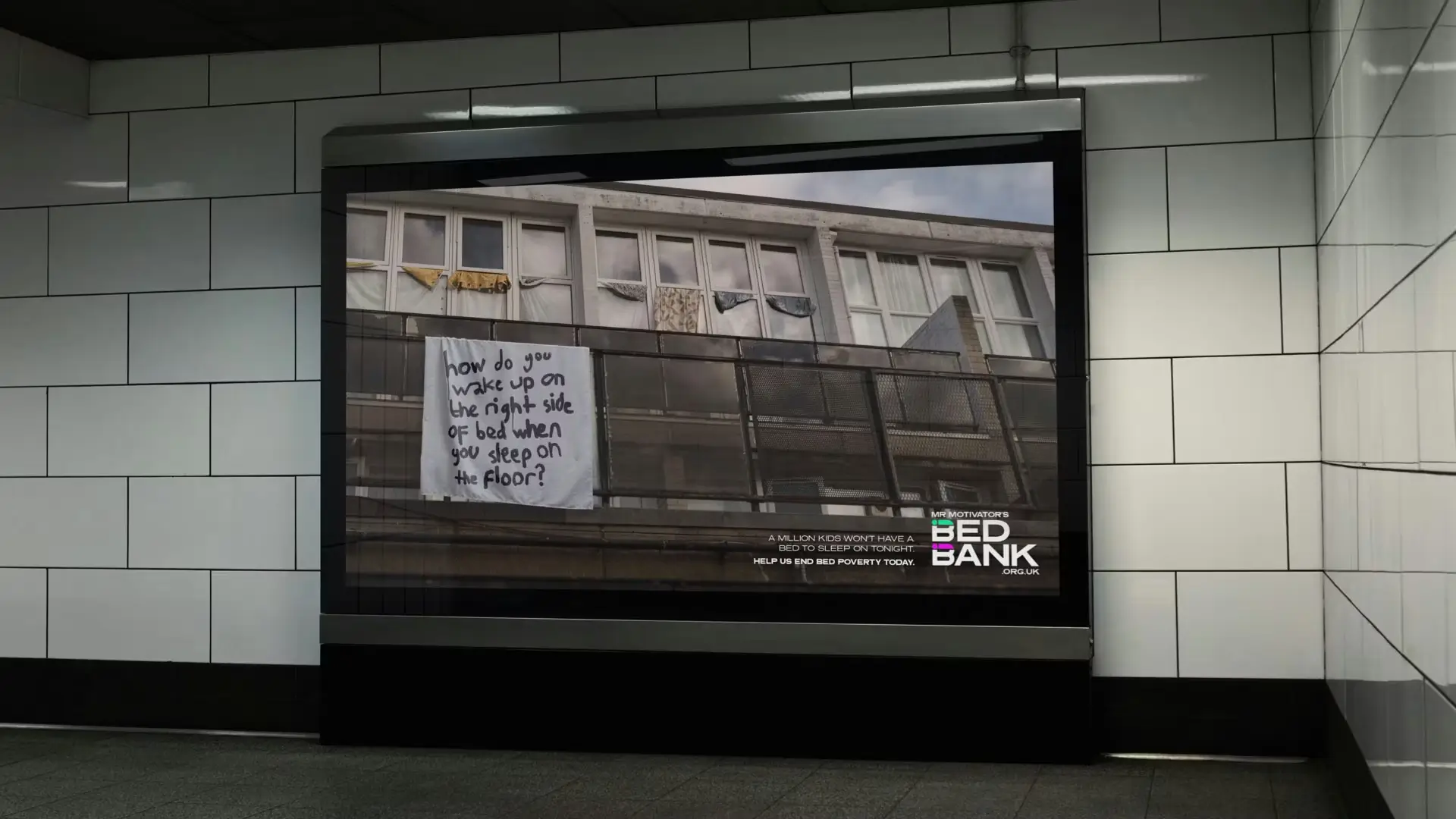
Now, a new campaign led by the iconic British fitness personality Mr Motivator—in collide with Leo UK and the charity Bed Bank—is bringing this issue into the public consciousness with urgency, color, and cultural resonance. The initiative aims to expose the hidden toll of inadequate sleep on children and to mobilize public support toward meaningful change.
This is not just a campaign. It is a cultural intervention—one that reframes sleep as a fundamental right rather than an opulence.
stir
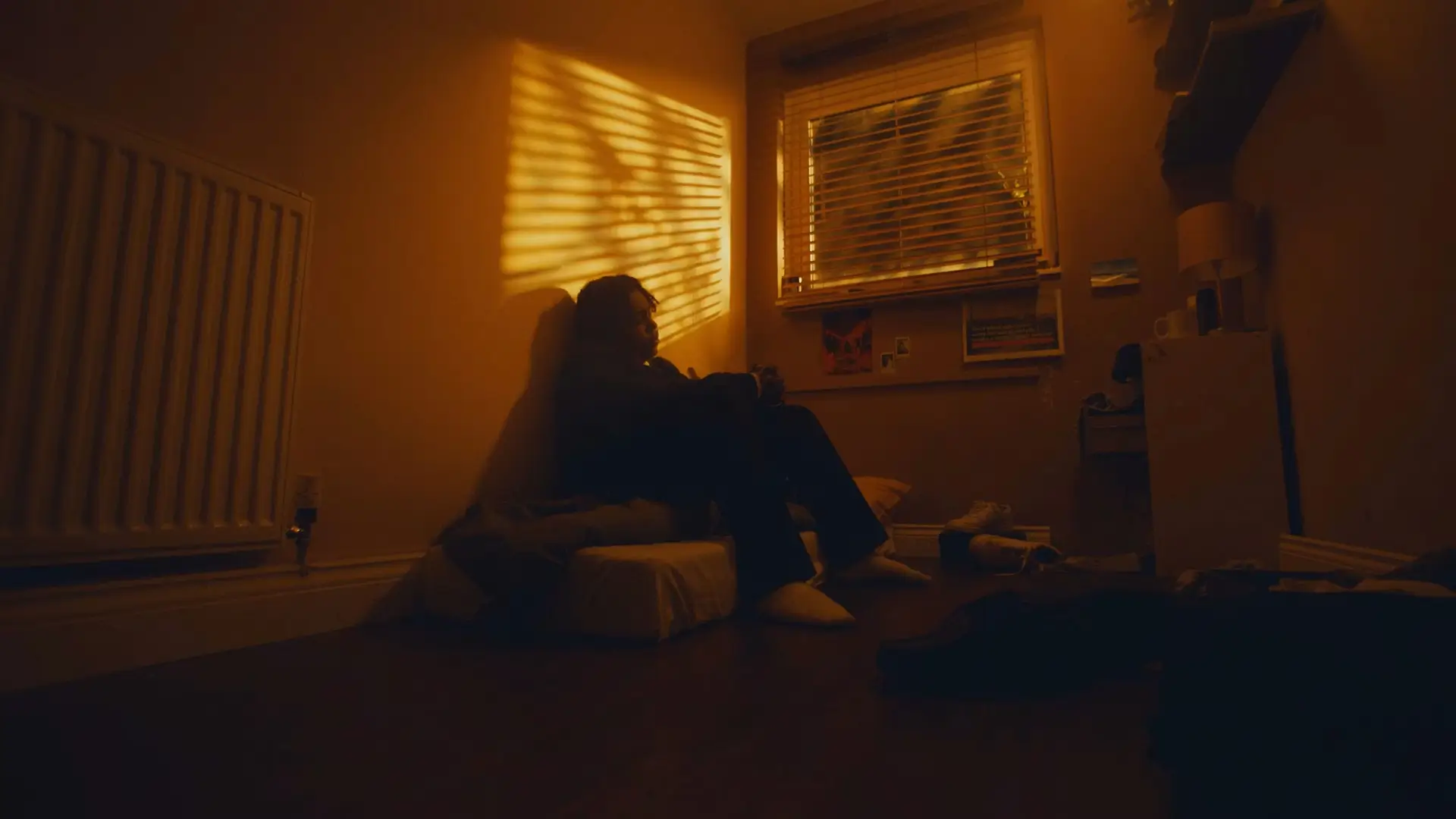
Bed poverty refers to the condition in which individuals—often children—do not have access to a proper bed. This may mean sleeping on floors, sofas, shared mattresses, or makeshift arrangements that fail to support healthy rest. In the UK, rising living costs, housing insecurity, and widening inequality have exacerbated the issue, pushing more families into precarious conditions.
The consequences are far-reaching. Sleep is not a passive state; it is an active, regenerative process essential to cognitive development, emotional stability, and physical health. For children, the stakes are even higher. A lack of consistent, quality sleep has been linked to:
- Impaired concentration and memory
- Lower academic performance
- Increased anxiety and behavioral challenges
- Weakened immune systems
- Delayed physical growth and development
What makes bed poverty particularly insidious is its invisibility. Unlike hunger or homelessness, it often exists behind closed doors, hidden within otherwise functioning households. A child may attend school, interact socially, and outwardly appear stable—yet return home to a sleeping arrangement that undermines every aspect of their well-being.
The campaign confronts this invisibility head-on.
idea
For many, Mr Motivator is synonymous with vibrant leotards, infectious enthusiasm, and morning television workouts that defined a generation. Emerging as a cultural figure in the 1990s, he became a symbol of positivity, movement, and accessible wellness.
His involvement in the Bed Bank campaign is both strategic and symbolic.
On one level, Mr Motivator embodies physical vitality—an advocate for active lifestyles and personal health. On another, his presence introduces a layer of familiarity and trust that cuts across demographics. He is not a distant celebrity; he is a household figure, deeply embedded in British cultural memory.
But perhaps most importantly, his participation reframes the conversation around sleep. Fitness and wellness are often discussed in terms of exercise and diet, yet rest is an equally critical pillar. By aligning his brand with the issue of bed poverty, Mr Motivator expands the definition of health advocacy to include sleep equity.
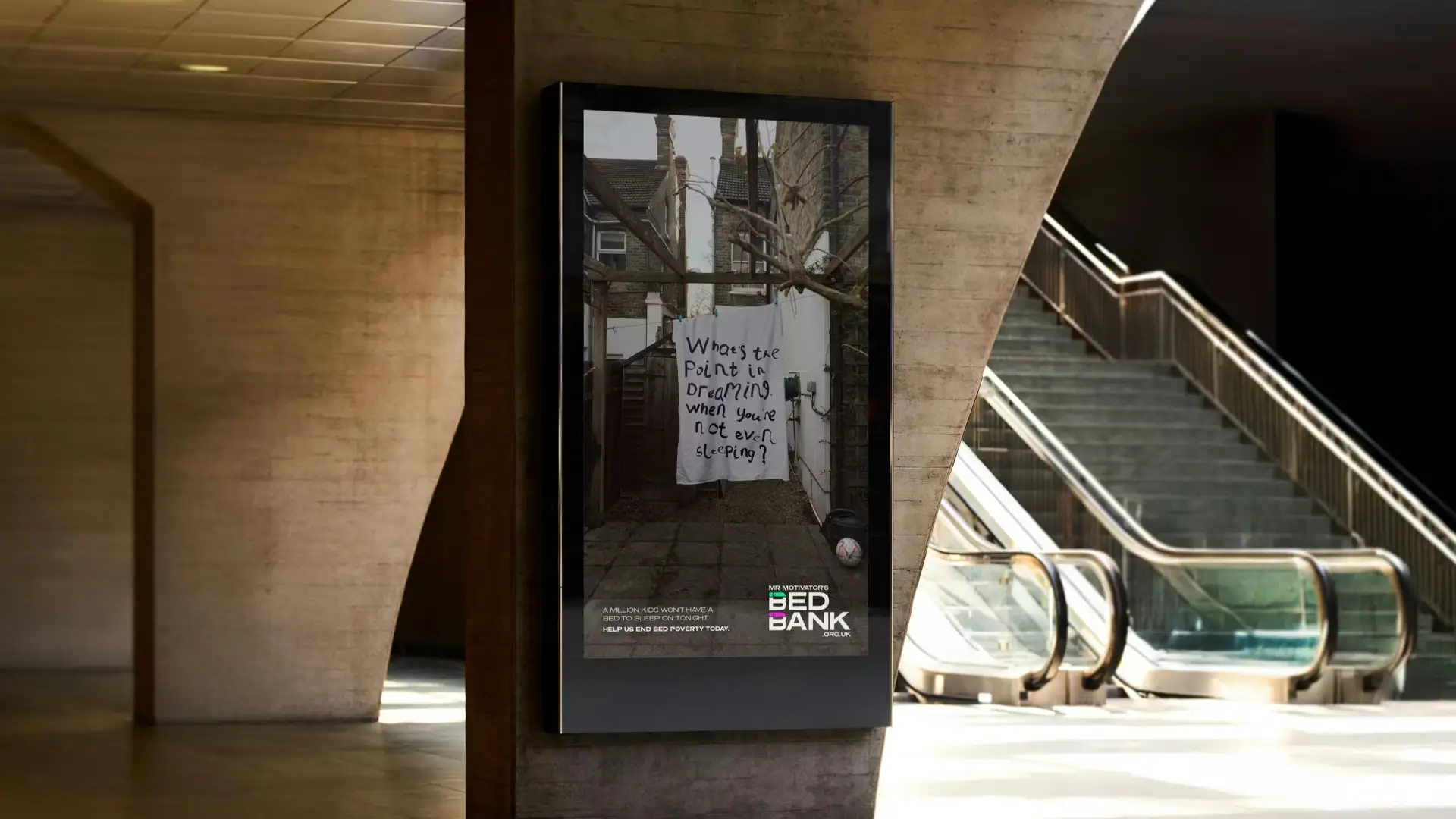
In campaign visuals and messaging, his signature vibrancy contrasts sharply with the stark realities being depicted—creating a tension that is both visually arresting and emotionally impactful.
flow
Behind the campaign’s execution is Leo UK, known for its ability to translate complex social issues into compelling visual narratives. Rather than relying on conventional charity tropes, the agency has crafted a campaign that is both striking and accessible.
The creative direction leans into contrast.
On one side, there is the familiar brightness associated with Mr Motivator—bold colors, dynamic movement, and an almost nostalgic optimism. On the other, there are stark depictions of children’s sleeping environments: bare floors, thin mats, overcrowded spaces.
This juxtaposition serves a dual purpose:
- It captures attention in a crowded media landscape
- It underscores the gap between perceived normalcy and lived reality
The campaign does not rely solely on shock value. Instead, it builds a narrative arc—one that moves from awareness to empathy to action. By humanizing the issue and grounding it in everyday experiences, Leo UK ensures that the message resonates beyond fleeting engagement.
infra
At the midst of the initiative is Bed Bank, an organization dedicated to addressing bed poverty through direct intervention. While awareness campaigns are critical, Bed Bank’s work operates at a logistical level—sourcing, assembling, and distributing beds to families who need them most.
Their model is both practical and scalable.
- Partnerships with local authorities and social services identify families in need
- Donations and corporate support fund the procurement of beds and bedding
- Volunteer networks facilitate delivery and setup
What distinguishes Bed Bank is its focus on dignity. Providing a bed is not framed as charity alone but as restoration—of routine, privacy, and a sense of normalcy. For a child, having their own bed can be transformative, establishing a stable foundation for daily life.
The campaign amplifies this work, positioning Bed Bank not just as a service provider but as a catalyst for systemic awareness.
why
To understand the urgency of the campaign, it is essential to examine the role of sleep in childhood development.
Sleep is when the body repairs itself, consolidates memory, and regulates hormones. For children, it is also when critical developmental processes occur. Growth hormone secretion peaks during deep sleep, while neural pathways associated with learning and emotional regulation are strengthened.
Without adequate sleep, these processes are disrupted.
Children experiencing bed poverty often face irregular sleep patterns, frequent disturbances, and physical discomfort. Over time, this leads to cumulative deficits that affect every aspect of their lives.
Research has consistently shown that sleep deprivation in children is associated with:
- Reduced academic attainment
- Increased risk of mental health issues
- Higher likelihood of obesity and chronic illness
- Impaired social interactions
In this context, the absence of a proper bed becomes more than an inconvenience. It becomes a barrier to potential.
culture
One of the campaign’s most significant achievements lies in its ability to shift bed poverty from a private concern to a public conversation.
Historically, issues related to domestic living conditions have been stigmatized, often framed as personal failings rather than systemic challenges. This has contributed to a culture of silence, where affected families may feel reluctant to seek help.
By leveraging a recognizable figure like Mr Motivator and a bold creative approach, the campaign disrupts this narrative. It invites audiences to reconsider their assumptions and to recognize bed poverty as a collective responsibility.
This reframing is crucial.
Social change often begins with visibility. When an issue enters public discourse, it becomes subject to scrutiny, policy consideration, and community action. The campaign acts as a catalyst for this process, transforming an invisible problem into a shared concern.
view
The visual identity of the campaign play a central role in its impression.
Rather than adopting a muted, somber tone, the imagery embraces contrast. Bright colors clash with dimly lit environments. Movement meets stillness. Energy confronts exhaustion.
This approach achieves several objectives:
- It disrupts viewer expectations
- It creates memorable imagery that lingers beyond initial exposure
- It reinforces the thematic tension between health and deprivation
The use of Mr Motivator as a visual anchor further amplifies this effect. His presence is instantly recognizable, drawing viewers in before revealing the deeper message.
In an era dominated by rapid scrolling and short attention spans, such visual strategies are not just aesthetic choices—they are functional necessities.
show
While the campaign is rooted in awareness, its implications extend into the realm of policy.
Bed poverty intersects with multiple systemic issues, including:
- Housing affordability
- Income inequality
- Social welfare provision
- Child welfare services
Addressing it requires coordinated efforts across these domains.
The visibility generated by the campaign has the potential to influence policymakers, prompting discussions around targeted interventions. This may include increased funding for charities like Bed Bank, integration of sleep-related assessments in social services, and broader measures to alleviate poverty.
In this sense, the campaign operates on two levels:
- Immediate impact through donations and support
- Long-term influence through policy and structural change
commune
Early responses to the campaign suggest a growing awareness of bed poverty as a pressing issue. Social media engagement, public discourse, and increased visibility for Bed Bank all point toward a shift in perception.
But awareness alone is not enough.
The campaign emphasizes actionable steps:
- Donating to support bed provision
- Volunteering with local initiatives
- Advocating for policy changes
- Sharing information to expand reach
This multi-layered approach ensures that engagement translates into tangible outcomes.
spectrum
At its core, the campaign invites a reevaluation of what constitutes a “basic need.”
Food, shelter, and clothing have long been recognized as essentials. Yet sleep—despite its fundamental role in human health—has often been overlooked in this framework.
By highlighting bed poverty, the campaign expands the definition of necessity to include rest. It challenges audiences to consider the conditions required not just for survival, but for thriving.
This shift in perspective has broader implications for how society approaches well-being, equity, and support systems.
sum
The collison between Mr Motivator, Leo UK, and Bed Bank represents a powerful convergence of culture, creativity, and compassion.
It is a reminder that some of the most impressionable campaigns are those that illuminate what has long been overlooked.
Bed poverty may not command the same immediate attention as other social issues, but its effects are deeply embedded in the fabric of everyday life. By bringing it to light, the campaign initiates a process of recognition, empathy, and action.
In doing so, it underscores a simple yet profound truth:
A bed is not just a piece of furniture.
It is a foundation—for rest, for growth, and for possibility.