Netflix Acquires Ben Affleck’s AI Startup, Signaling a New Era for Film Production

March 6, 2026
rare
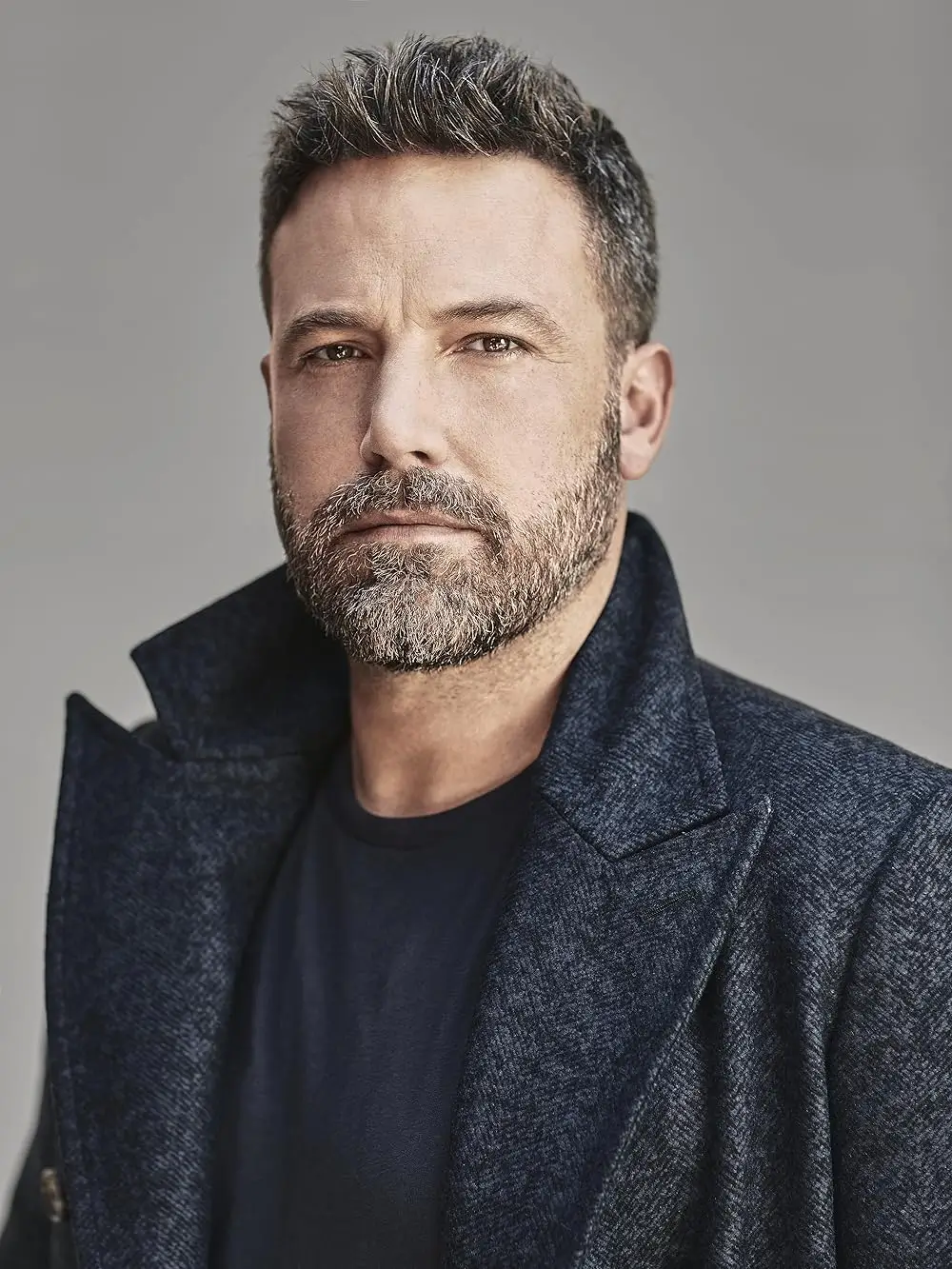
In a move that highlights the growing role of artificial intelligence in filmmaking, Netflix has acquired InterPositive, an AI startup founded by filmmaker and actor Ben Affleck. The deal, first reported by Variety, marks one of the few occasions where Netflix has chosen to purchase a technology company outright.
While the financial terms of the acquisition have not been publicly disclosed, the strategic implications are clear. Netflix is betting that artificial intelligence will play an increasingly important role in the production of films and television—particularly behind the scenes, where technology can help streamline workflows without replacing the creative decisions made by directors, editors, and cinematographers.
Unlike many AI companies emerging in Hollywood, InterPositive is not focused on generating synthetic actors or AI-written scripts. Instead, the startup builds tools designed to assist filmmakers during production and post-production, helping creative teams refine visuals, correct lighting inconsistencies, and improve digital effects.
stir
Affleck emphasized that the purpose of the technology is to support human creativity rather than automate it. In a statement accompanying the acquisition, he underscored the importance of maintaining the human judgment that lies at the heart of storytelling.
“We also need to preserve what makes storytelling human, which is judgment,” Affleck said.
The comment reflects a broader concern within Hollywood about how artificial intelligence should be used in creative industries. Writers, actors, and production crews have raised alarms about the possibility that AI could replace jobs or diminish artistic authenticity. InterPositive’s approach aims to avoid that tension by positioning AI as a technical assistant rather than a creative substitute.
flow
As part of the agreement, Affleck will serve as a senior advisor to Netflix, helping guide the company’s strategy as it integrates AI tools into its production ecosystem. The streaming platform will also retain InterPositive’s entire 16-person engineering and development team, allowing the startup to continue developing its technology from within Netflix’s broader technical infrastructure.
Although the team is relatively small, startups often operate with specialized expertise that larger corporations struggle to replicate quickly. By acquiring the company rather than simply licensing its tools, Netflix gains direct control over the technology and the talent responsible for building it.
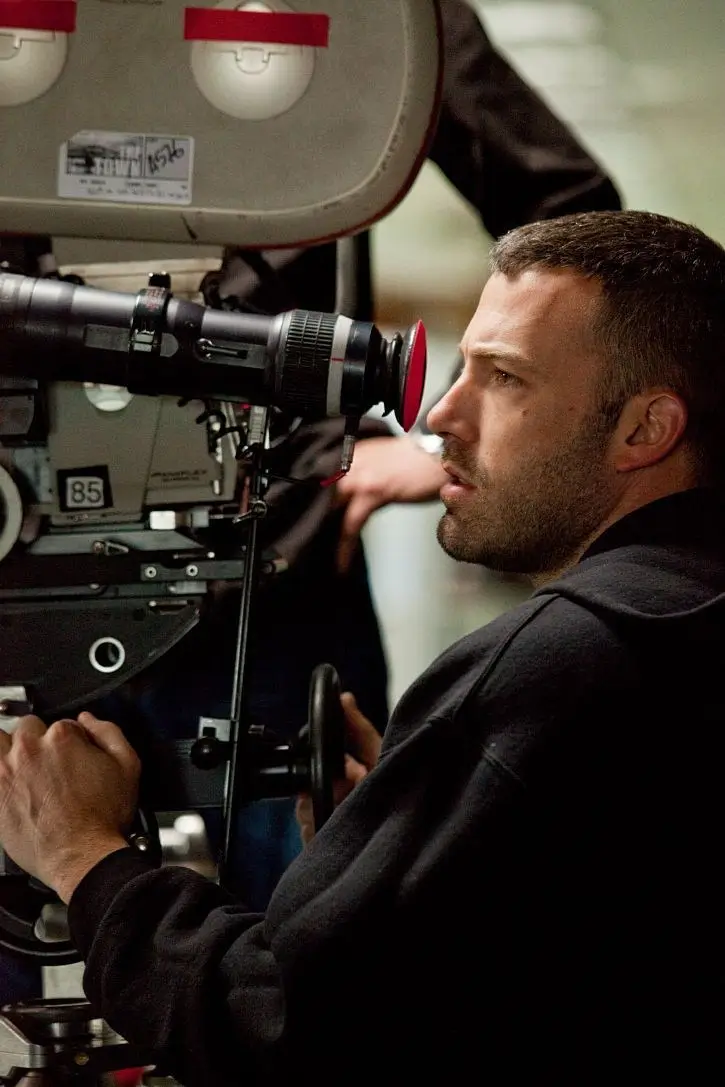
For Affleck, the new advisory role represents an extension of a career that has increasingly blended filmmaking with entrepreneurship. Best known for his work on films such as Good Will Hunting and Gone Girl, he has spent decades navigating both the artistic and business sides of the entertainment industry.
what
InterPositive’s tools focus on improving the technical aspects of filmmaking rather than generating entirely new content. The platform uses machine learning systems to analyze footage and assist with tasks that traditionally require extensive manual work.
For example, AI can identify lighting inconsistencies across different shots and automatically suggest adjustments that maintain visual continuity. In post-production, algorithms can assist visual-effects teams by detecting flaws in digital compositing or optimizing render settings.
These improvements may appear subtle, but they can have significant economic implications. Film production—particularly for large-scale streaming projects—often involves hundreds of crew members working across multiple departments. Even modest efficiencies can translate into major savings in time and cost.
For Netflix, which releases an enormous volume of original content each year, those efficiencies could be transformative.
why
The acquisition of InterPositive arrives at a moment when the entertainment industry is undergoing rapid technological change. Artificial intelligence has already begun reshaping editing, visual effects, and animation workflows, and studios are increasingly exploring how machine learning can support production teams.
Netflix, in particular, has always positioned itself as a technology-first entertainment company. Unlike legacy studios that evolved from theatrical distribution, Netflix was born as a digital platform and built its competitive advantage on software infrastructure and data analysis.
The company already uses AI extensively for content recommendation algorithms, streaming optimization, and audience analytics. Bringing AI deeper into the production pipeline represents a natural evolution of that strategy.
Instead of relying solely on external vendors, Netflix can now experiment with proprietary tools designed specifically for its filmmaking ecosystem.
strat
The InterPositive acquisition also comes shortly after Netflix reportedly abandoned a potential acquisition involving Warner Bros. Discovery. While details surrounding that proposal remain limited, the shift toward smaller technology acquisitions suggests Netflix may be prioritizing innovation over consolidation.
Major studio mergers can be expensive and complex, often involving regulatory scrutiny and integration challenges. By contrast, acquiring specialized startups allows companies to strengthen key capabilities without the risks associated with large-scale corporate deals.
In this case, Netflix gains cutting-edge production technology while preserving its independence from traditional Hollywood conglomerates.
fwd
Artificial intelligence has become one of the most contentious topics in the entertainment industry. During recent labor negotiations, unions representing writers, actors, and production workers pushed for contractual protections regarding the use of AI.
These agreements generally emphasize transparency and human oversight, ensuring that creative professionals remain central to the filmmaking process. InterPositive’s approach—using AI to assist rather than replace human creators—fits within that framework.
By focusing on technical improvements rather than automated storytelling, the company positions itself as a toolmaker for artists rather than a replacement for them.
sum
The integration of AI tools into major studios could fundamentally reshape how films and television shows are produced. Editing software may soon be capable of automatically organizing footage. Lighting adjustments could be performed instantly using real-time analysis. Visual effects could be refined through intelligent algorithms that detect imperfections before audiences ever notice them.
For filmmakers, this could mean spending less time on technical corrections and more time focusing on narrative and creative decisions.
Netflix’s acquisition of InterPositive therefore represents more than a simple corporate transaction. It reflects a broader shift in how technology and storytelling intersect—where artificial intelligence becomes a collaborator in the filmmaking process rather than a replacement for human imagination.
If the strategy succeeds, the streaming platform could pioneer a production model where advanced technology works quietly behind the scenes, allowing directors, actors, and writers to focus on what they do best: telling compelling stories.
In that sense, the deal may mark the beginning of a new chapter for Hollywood—one where creativity remains human, but the tools supporting it are smarter than ever.



No comments yet.