Nicole McLaughlin: Redefining Creativity Through Sustainability and Self-Expression

January 16, 2025
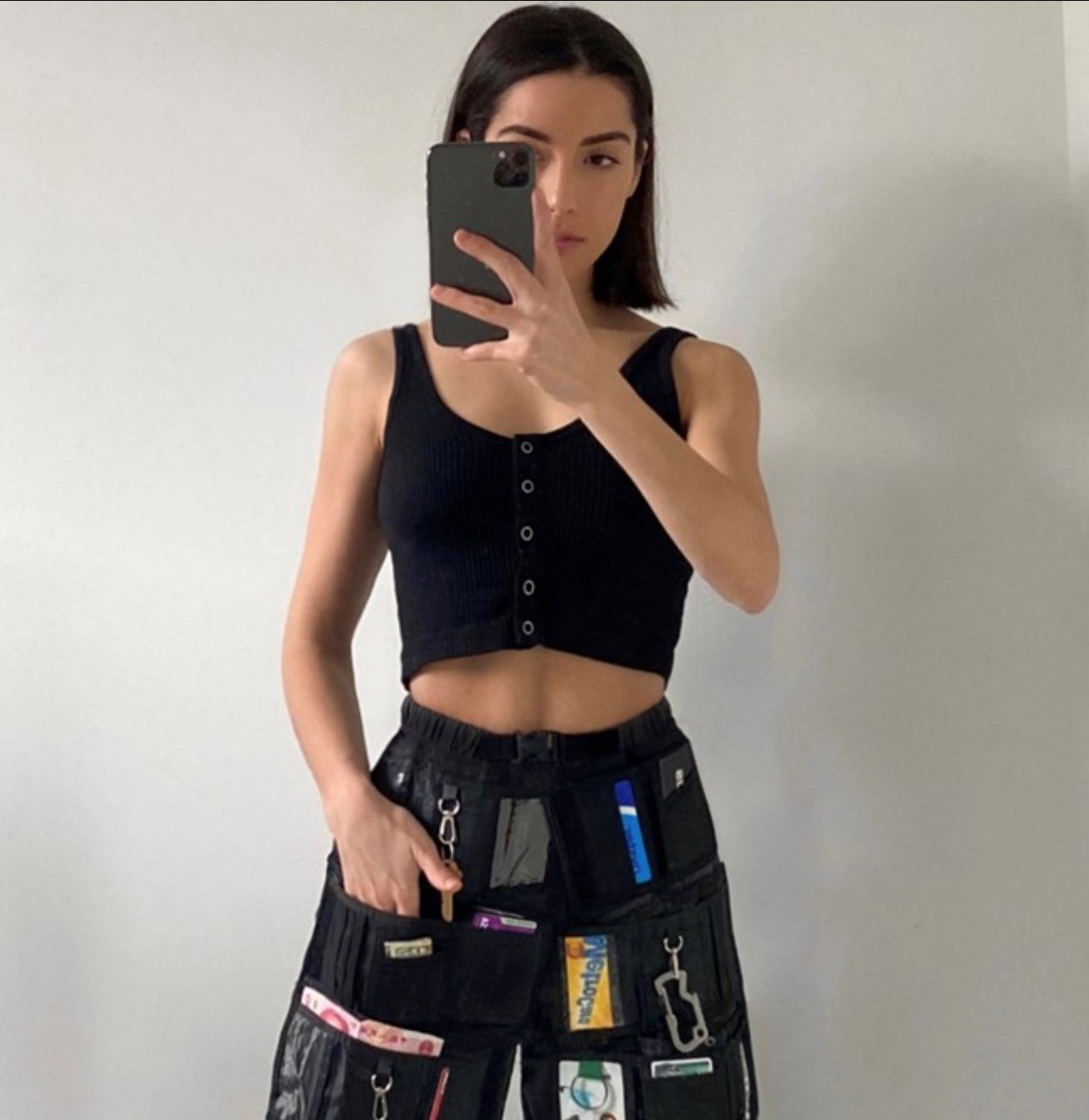
In an era where sustainability, creativity, and self-expression are increasingly intertwined, Nicole McLaughlin stands out as a designer who effortlessly embodies all three. Known for her unconventional and innovative approach to design, McLaughlin has carved a unique niche for herself in the world of upcycling and repurposing materials. Her work transforms discarded objects into functional, whimsical, and thought-provoking creations that transcend traditional design boundaries. With projects ranging from GORE-TEX cacti to wallet chains made from door security chains, McLaughlin’s work is as expansive as her imagination.
Her journey is as much about creative freedom as it is about sustainable practice, and her designs provide a window into her personality. “I think my work and my personality are very similar,” McLaughlin explains. “The thoughts in my brain … I’m able to take them out and turn them into something. If someone wanted to get to know me and they saw my work — that’s my personality.” This synthesis of creativity, sustainability, and personality has propelled McLaughlin into the spotlight, earning her collaborations with major brands such as HOKA, Merrell, and Crocs.
The Foundations of Nicole McLaughlin’s Creativity
At the heart of McLaughlin’s creative process is self-expression. For her, design is more than just an aesthetic pursuit — it’s a way to channel her thoughts, personality, and sense of humor into tangible forms. McLaughlin’s ability to weave playfulness into her work sets her apart in the design world, where seriousness often overshadows creativity. “I enjoy making people laugh. I enjoy laughing,” she says. “It’s a lot of experimenting with things, being funny or quirky … [What you make] doesn’t have to be a joke, but being light-hearted is always important.”
McLaughlin’s design philosophy also embraces the idea of imperfection and experimentation. By repurposing discarded objects, she highlights the beauty of materials often overlooked or deemed worthless. This approach not only brings new life to old items but also challenges conventional perceptions of waste and utility. Her designs often straddle the line between functionality and absurdity, creating pieces that are both practical and conversation-starting.
Sustainability as a Core Principle
Sustainability is not just an aspect of McLaughlin’s work — it is its cornerstone. In a world grappling with the environmental consequences of consumerism and fast fashion, McLaughlin’s commitment to upcycling and repurposing materials is a refreshing and impactful approach. She has a knack for seeing the potential in discarded items, turning them into something entirely new and functional.
For instance, her GORE-TEX cactus, made from scraps of warranty-returned Arc’Teryx jackets, showcases her ability to transform waste into art. This process involves a combination of resourcefulness, creativity, and technical skill, as McLaughlin carefully dissects and reassembles materials to create something unique. “Sustainability isn’t just about using recycled materials; it’s about rethinking the way we approach design,” she says. Her work encourages consumers and designers alike to reconsider their relationship with materials and to see waste as an opportunity rather than a burden.
The Role of Connection in McLaughlin’s Practice
One of the most striking aspects of McLaughlin’s career is her ability to collaborate with some of the biggest names in the industry while maintaining her distinct artistic voice. Brands like HOKA, Merrell, and Crocs have sought out McLaughlin’s expertise, entrusting her to reinterpret their products through her unique lens. These collaborations often result in designs that are playful, unconventional, and highly innovative.
For example, her collaboration with Crocs saw her reimagine the iconic foam clogs in unexpected ways, integrating materials and design elements that pushed the boundaries of what footwear could be. Similarly, her work with Merrell involved rethinking outdoor gear, blending functionality with artistic expression.
These partnerships serve as a testament to McLaughlin’s ability to bridge the gap between artistic experimentation and commercial viability. Her designs not only appeal to niche audiences but also resonate with broader consumer markets, demonstrating the potential for sustainable design to be both innovative and accessible.
Overcoming Creative Blocks
Even the most imaginative designers face moments of creative stagnation, and McLaughlin is no exception. However, she has developed strategies to navigate these challenges and reignite her creative spark. In her installment of Hypebeast Diaries, McLaughlin discussed how she overcomes creative blocks, emphasizing the importance of stepping back and allowing herself the space to experiment without pressure.
“I think it’s about being okay with failure and understanding that not every idea will work,” she says. “Sometimes, the best ideas come from the ones that didn’t work out.” This willingness to embrace failure and view it as a stepping stone rather than a setback is a crucial aspect of her creative process.
Another strategy McLaughlin employs is changing her environment. Splitting her time between Colorado and New York City, she finds inspiration in the contrasting landscapes and cultures of these two locations. Her Colorado workspace provides a sense of calm and focus, while New York offers the energy and diversity that fuel her creativity.
Teaching the Next Generation of Designers
As her profile continues to rise, McLaughlin has also turned her attention to mentoring and teaching. She views this as an extension of her practice, using her experience to inspire and guide the next generation of designers. Teaching allows her to share her philosophy of sustainability and experimentation, encouraging students to think outside the box and challenge traditional design norms.
“I think the future of design is about collaboration and education,” she says. “It’s about creating spaces where people can learn, experiment, and grow together.” This vision reflects McLaughlin’s belief in the transformative power of design, not just as a means of creating products but as a way of fostering community and sparking change.
The Future of McLaughlin’s Practice
Looking ahead, Nicole McLaughlin shows no signs of slowing down. Her ambitions extend beyond design, encompassing education, activism, and further exploration of sustainable practices. She envisions a future where her work continues to evolve, pushing the boundaries of what design can achieve while inspiring others to do the same.
“I want to keep experimenting and trying new things,” she says. “There’s so much potential in the world of design, especially when it comes to sustainability. I want to be part of that conversation and help shape the future.”
Thoughts
Nicole McLaughlin’s creative process is a masterclass in self-expression, sustainability, and innovation. Her ability to see potential in discarded materials and transform them into functional art is a testament to her ingenuity and vision. By blending playfulness with purpose, she has redefined what it means to be a designer in the 21st century, proving that sustainability and creativity can go hand in hand.
Through her connections with major brands, her commitment to teaching, and her dedication to pushing the boundaries of design, McLaughlin continues to make an indelible mark on the industry. Her work not only challenges conventional ideas of waste and utility but also inspires others to think differently about their own creative potential. As she continues to explore new possibilities, Nicole McLaughlin’s impact on the worlds of design and sustainability is sure to endure.

No comments yet.