NIGO’s Heritage Meets Global Pop Culture in the Latest HUMAN MADE × Coca-Cola Capsule

March 31, 2026
2 hours ago
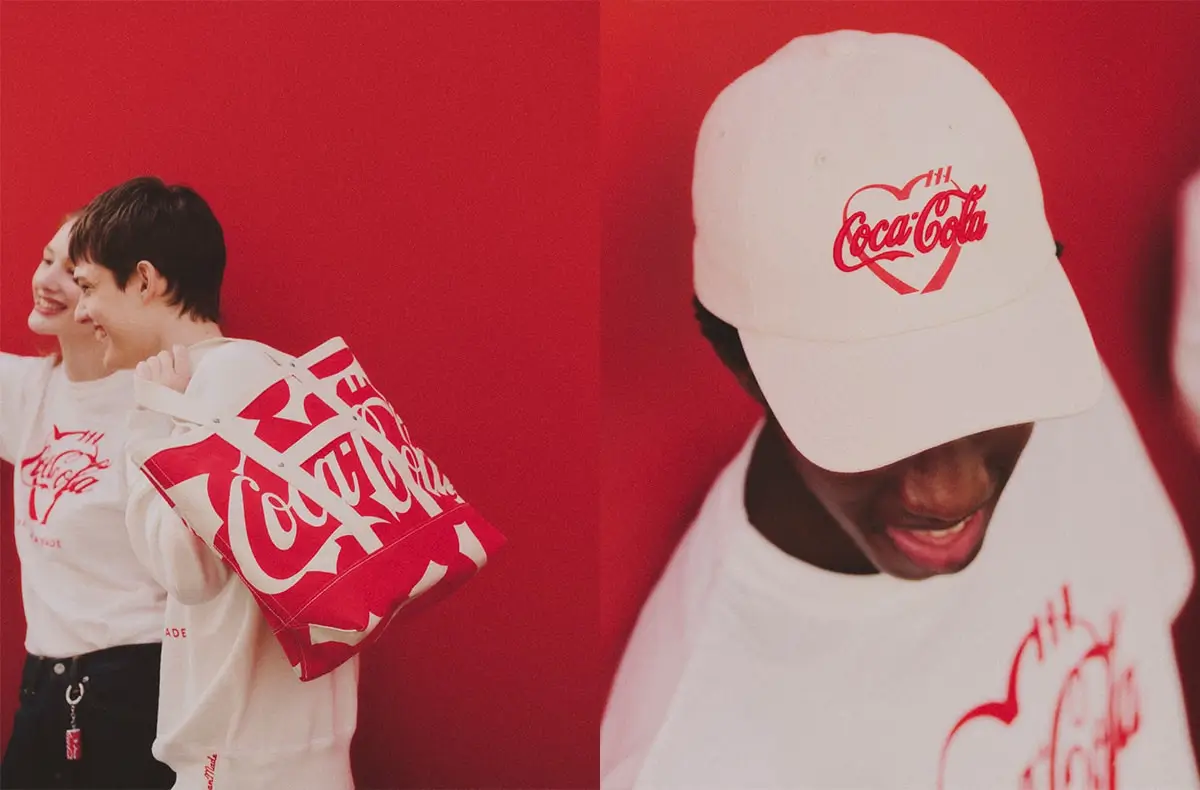
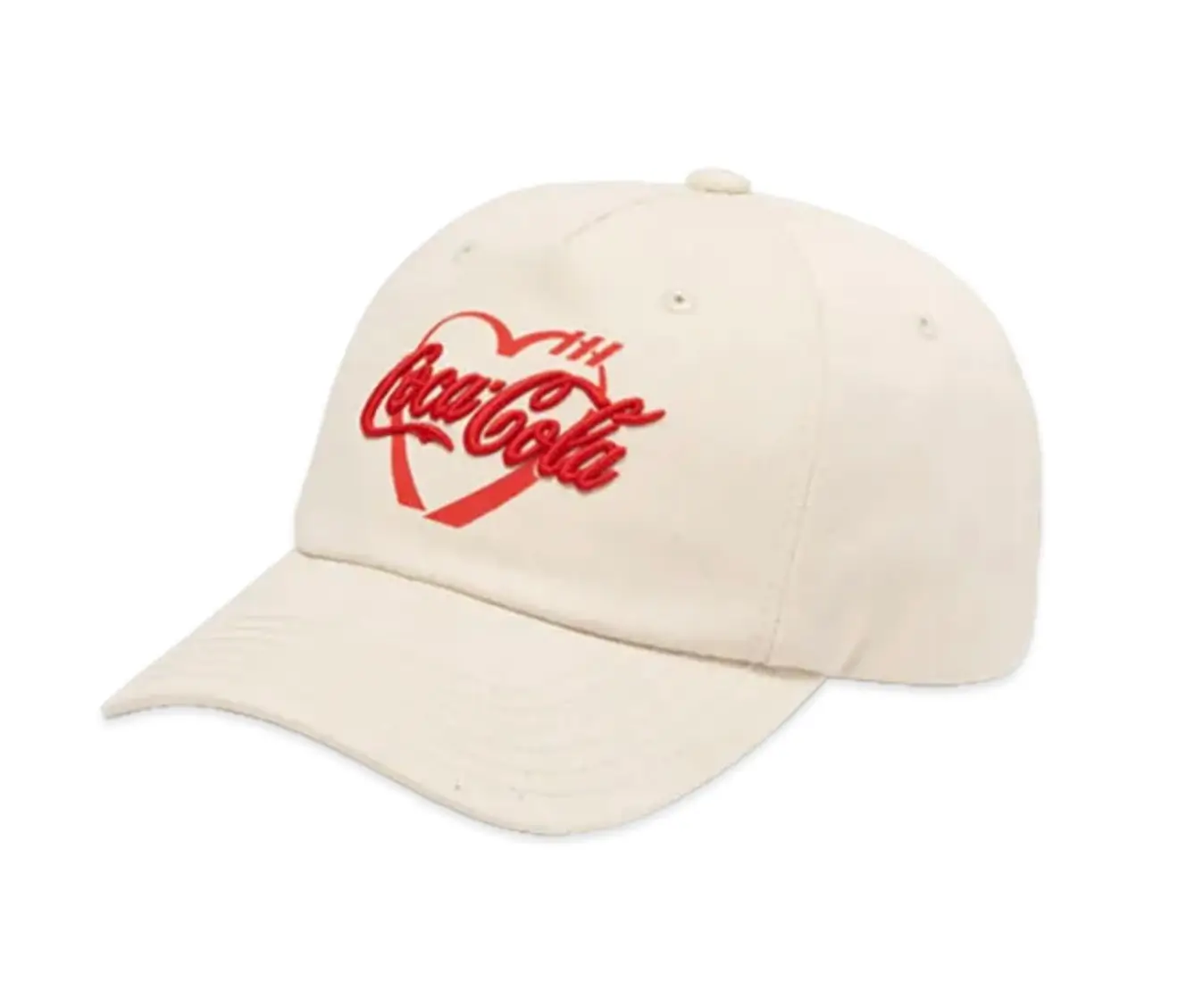
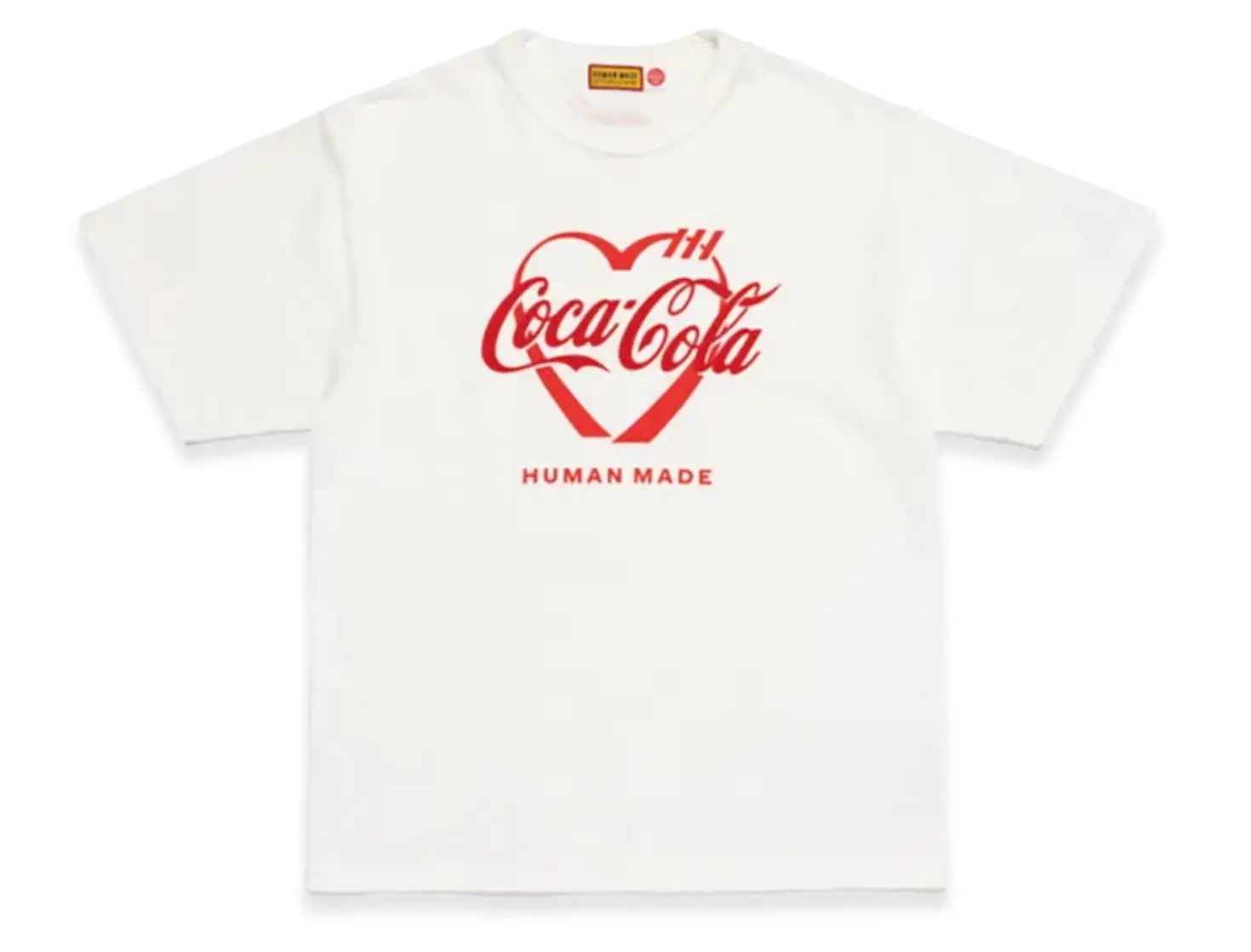
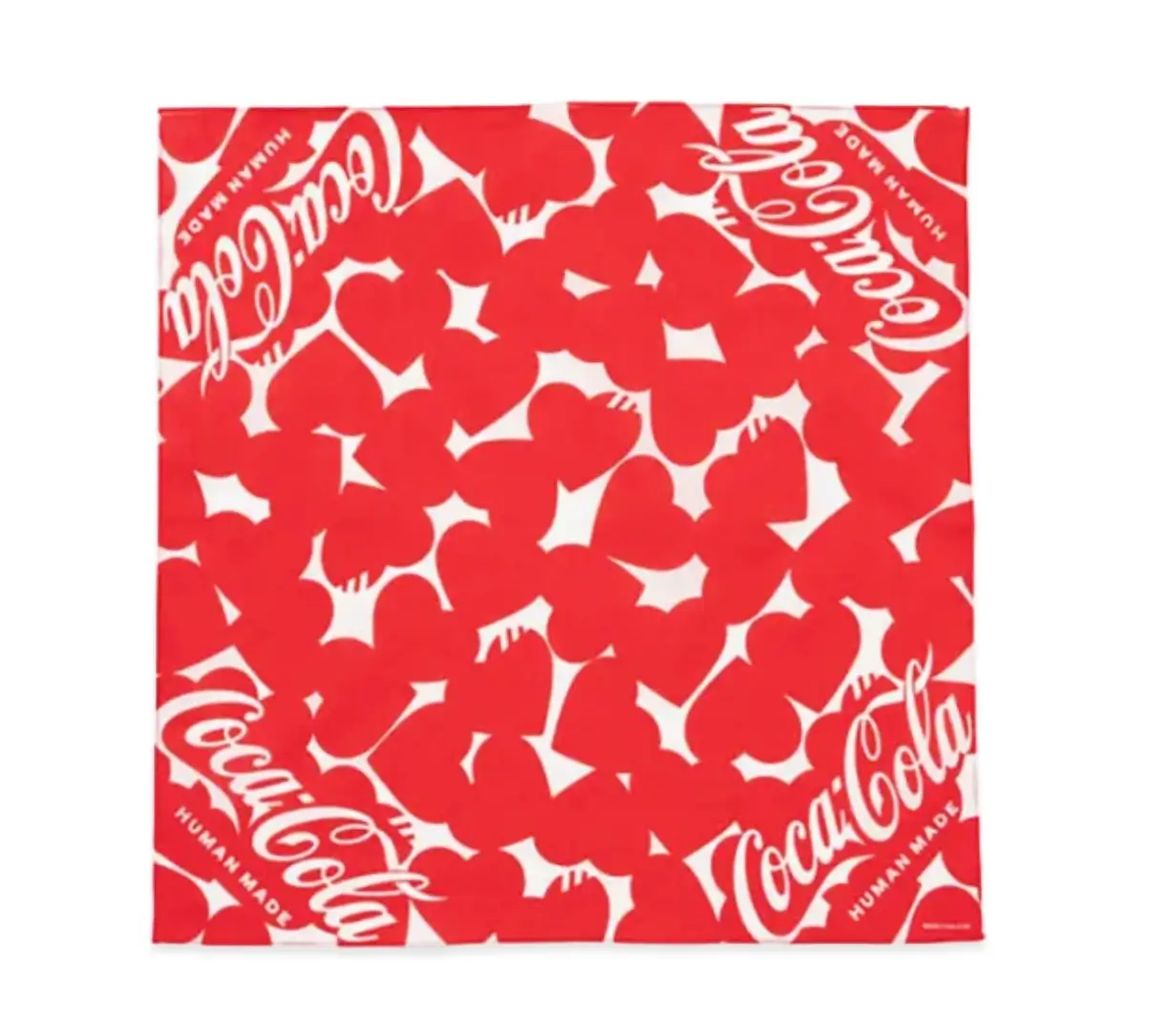
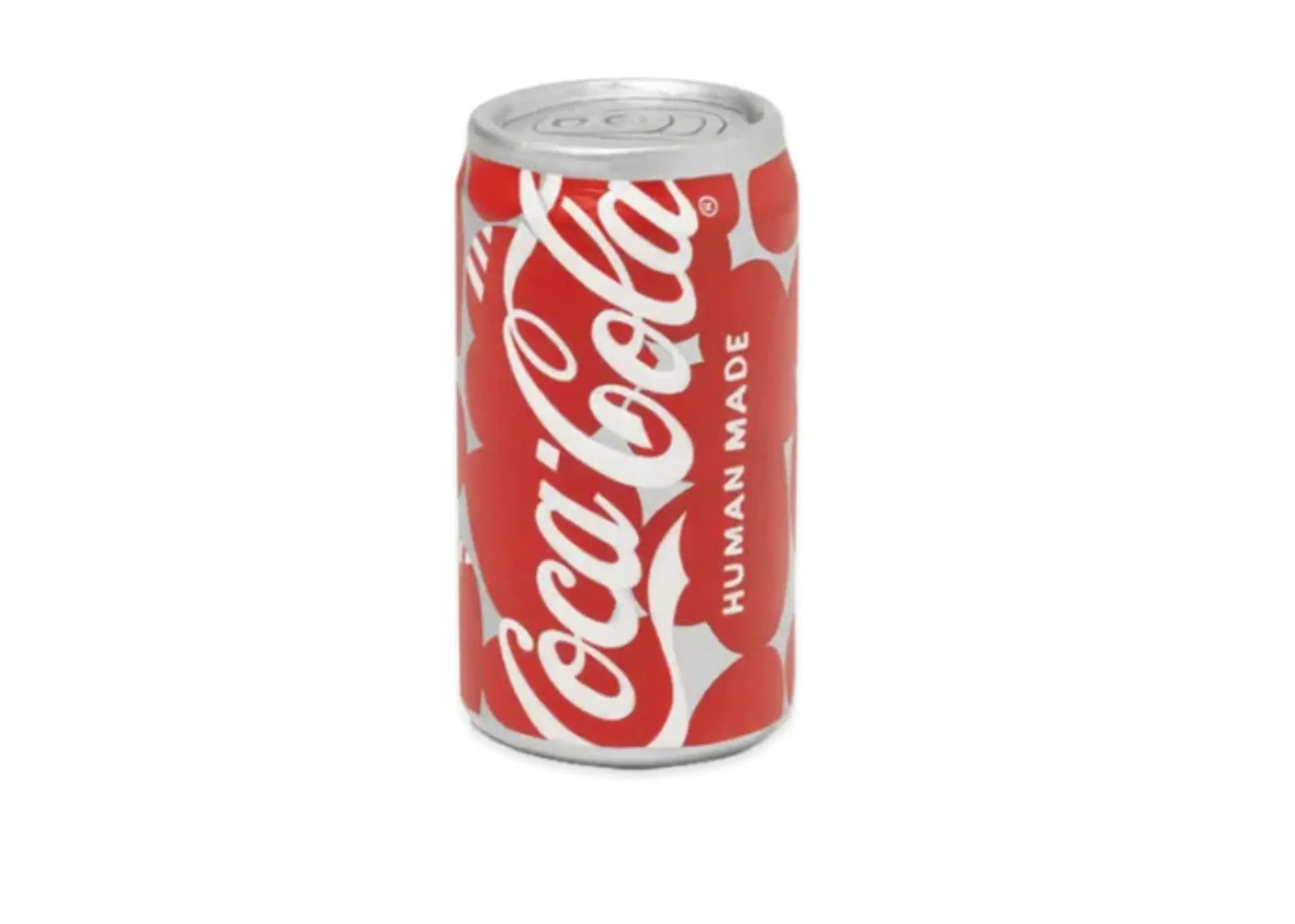
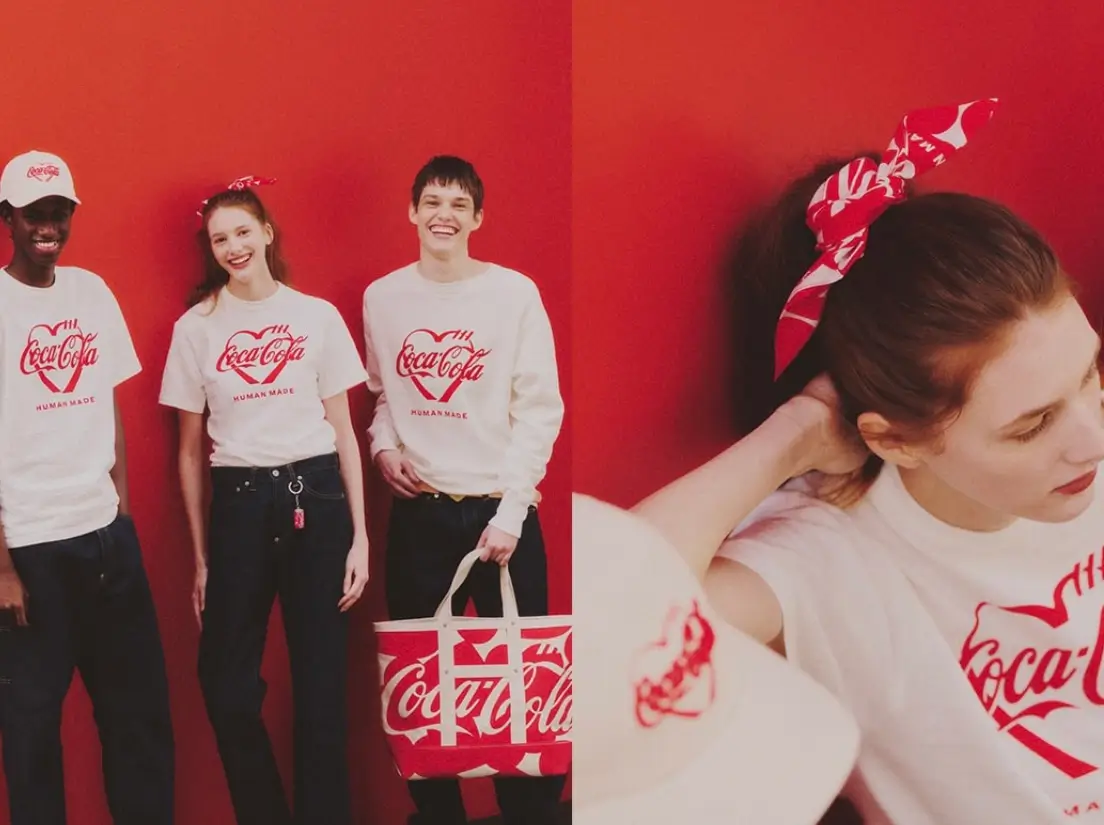
There is a distinguish fluency to how NIGO approaches collisions—one that resists spectacle for its own sake and instead builds continuity between eras, objects, and symbols. The latest capsule between Human Made and Coca-Colareads less like a conventional co-branded drop and more like a cultural splice: Americana filtered through post-war Japanese craft, rendered in the language of contemporary streetwear.
At first glance, the pairing feels inevitable. Both brands traffic in iconography that is instantly legible across continents. Yet what distinguishes this release is not merely the visual merging of logos, but the way it recontextualizes them—placing the globally ubiquitous Coca-Cola script into a slower, materially sensitive framework that Human Made has carefully cultivated since its inception.
This is not nostalgia. It is preservation, reframed through use.
stir
Founded by NIGO after his departure from A Bathing Ape, the label operates less like a trend-driven brand and more like an archive in motion. Its references—mid-century Americana, workwear, military surplus, diner culture—are not simply aesthetic cues but historical anchors.
Coca-Cola, in this sense, becomes more than a collaborator. It is a primary artifact of the same era Human Made continually revisits. The brand’s visual language—its Spencerian script, its saturated red, its glass-bottle silhouette—has remained remarkably stable over more than a century. It represents a rare continuity in global consumer culture.
What this capsule does is collapse geographic distance. It takes an American icon and subjects it to a distinctly Japanese methodology: attention to detail, reverence for process, and an insistence on tactility in an increasingly digital landscape.
The result is not just a blend, but coexistence.
View this post on Instagram
collection
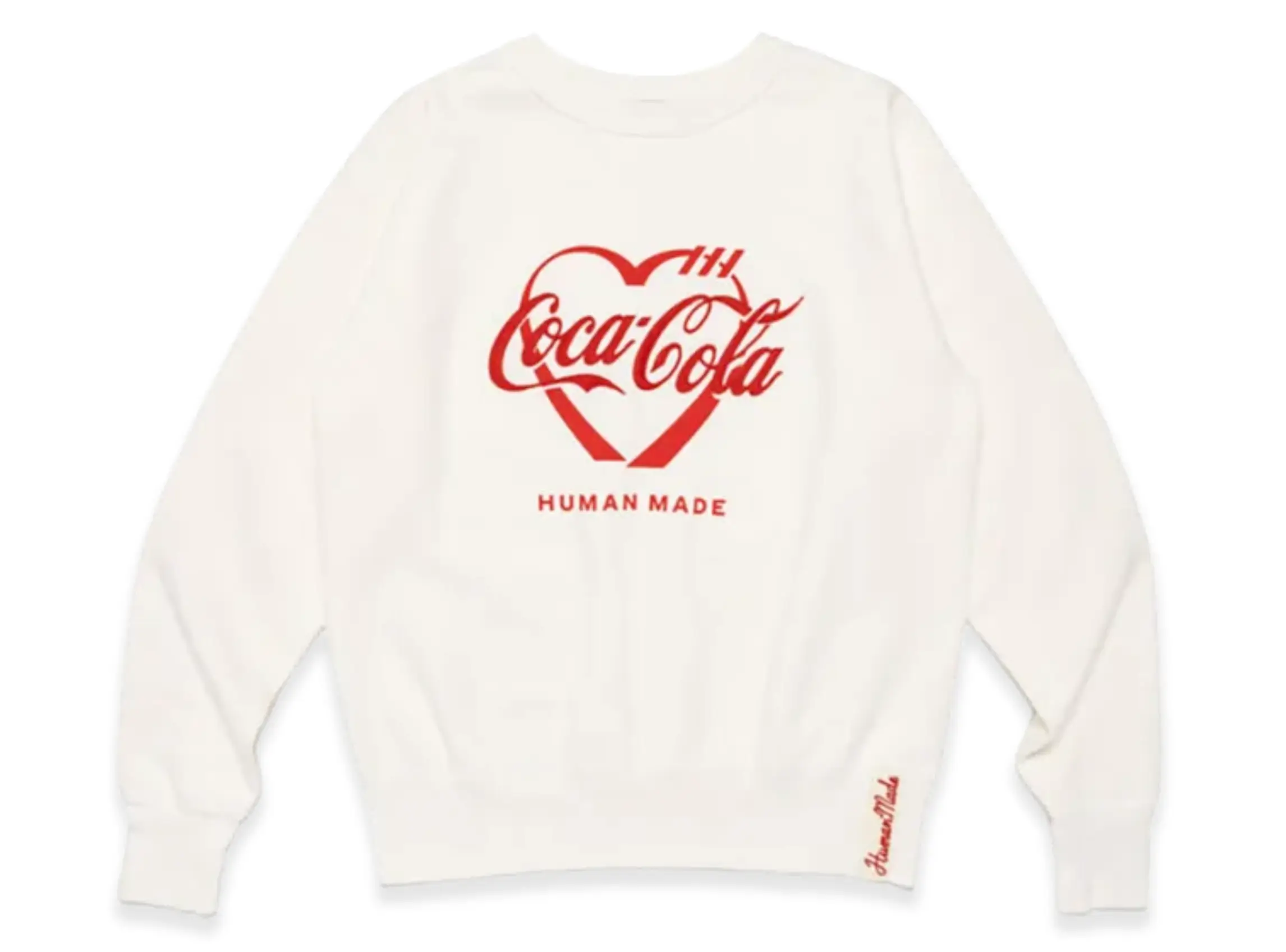
The capsule unfolds across seven pieces, each calibrated to balance accessibility with collectibility. The apparel—primarily sweatshirts and T-shirts—forms the backbone of the release. Here, the interplay between the two brands becomes most explicit. Graphics oscillate between direct logo integration and more subtle reinterpretations, where Coca-Cola’s curves are absorbed into Human Made’s typographic system.
The color palette is anchored, predictably yet effectively, in Coca-Cola Red. But within that constraint, there is variation: faded washes that evoke archival garments, crisp prints that suggest newness, and textures that bridge the two.
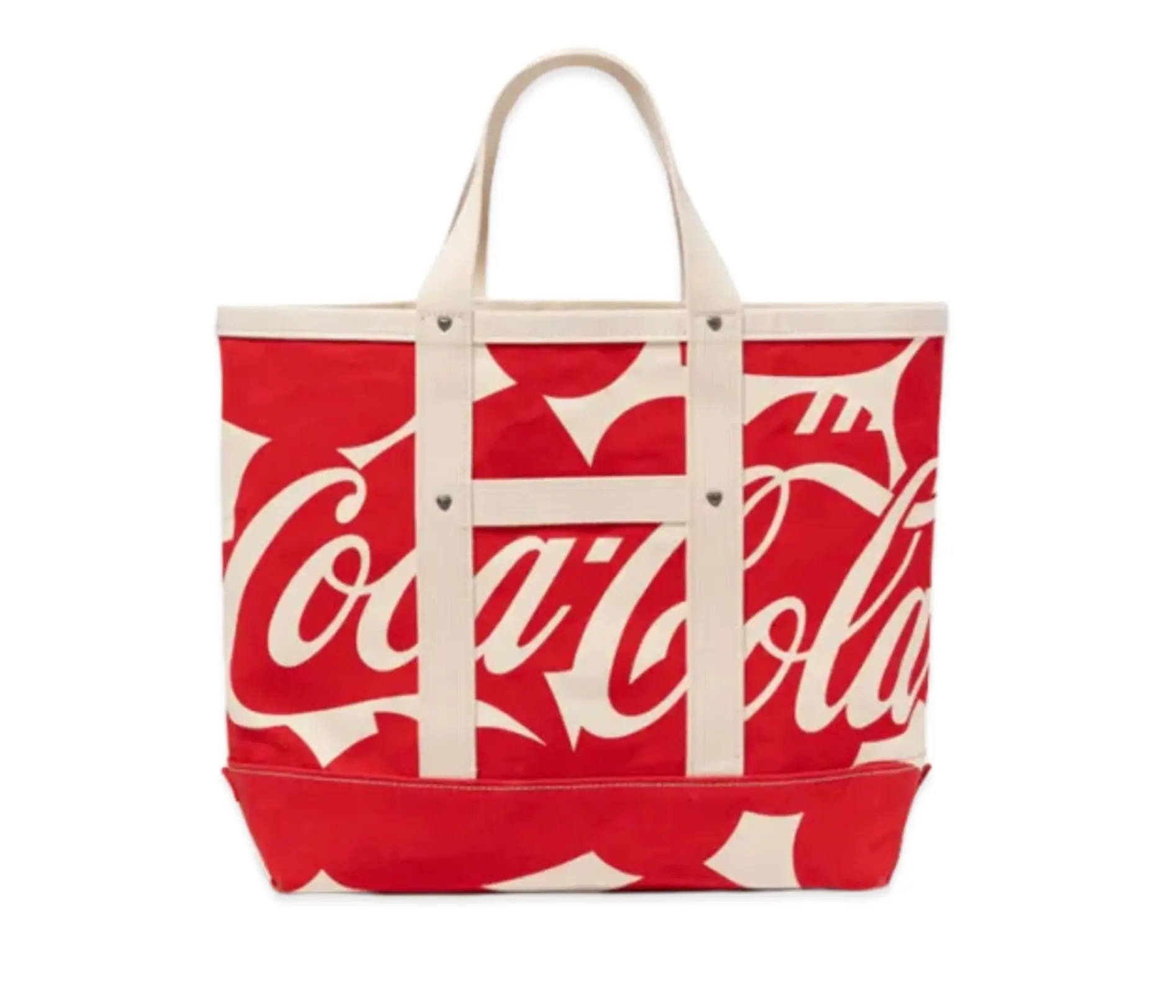
Beyond apparel, the collection extends into lifestyle objects. A tote bag continues Human Made’s long-standing interest in utilitarian accessories—items designed not for display, but for circulation. It is here that the brand’s philosophy becomes tangible: objects should move through daily life, accruing wear as a form of authorship.
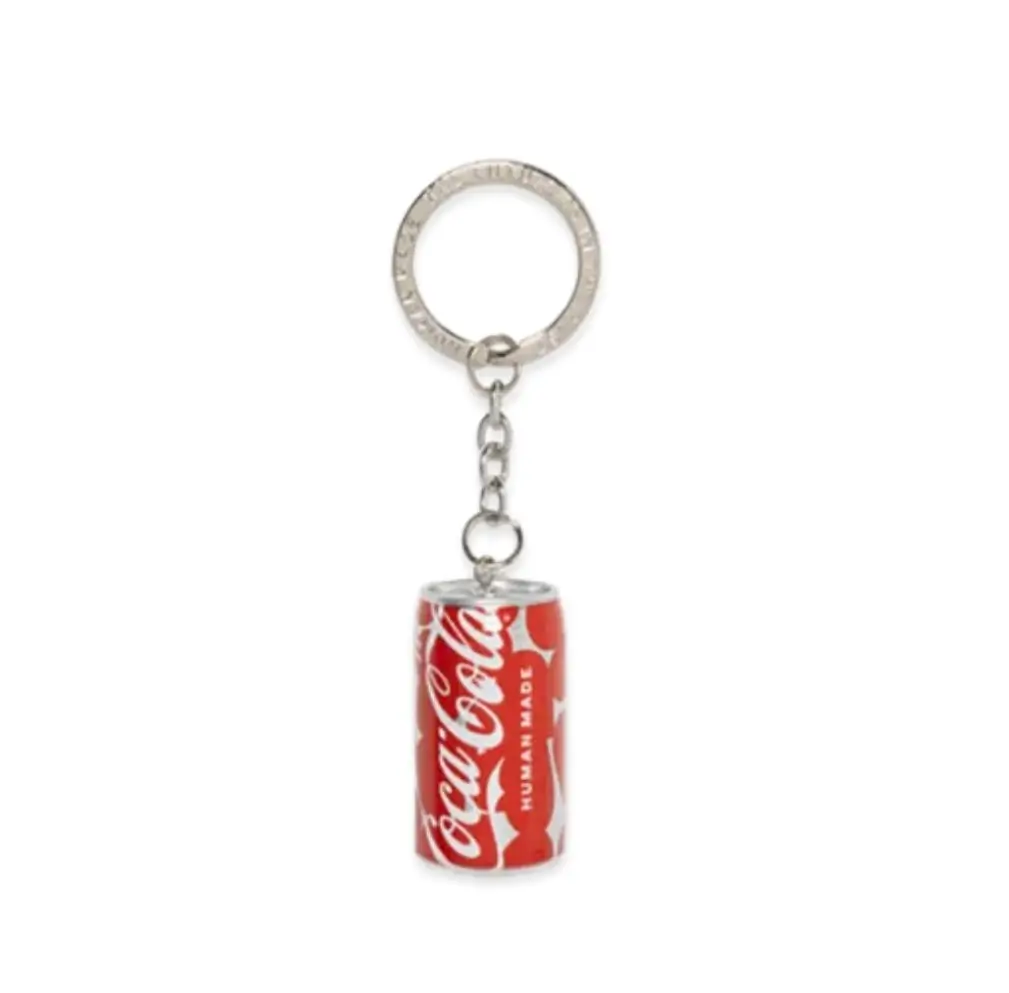
The most conceptually resonant piece, however, is the hariko keyring. Produced using traditional Japanese papier-mâché techniques, it introduces a layer of craft that disrupts the otherwise graphic-heavy collection. Hariko, historically used to create folk toys and ceremonial objects, carries with it an implicit connection to regional identity and manual labor.
Placed alongside Coca-Cola branding, it creates a productive tension. Industrial scale meets handmade irregularity. The global meets the local. The result is quietly radical.
flow
What makes this collision particularly compelling is its refusal to resolve the contradiction between craft and mass production. Coca-Cola, by design, is ubiquitous—its success predicated on consistency and scale. Human Made, by contrast, often leans into irregularity, into the idea that objects should bear the imprint of their making.
Rather than dilute one to accommodate the other, the capsule allows both to remain intact.
This is most evident in the treatment of materials. Even the more straightforward pieces—T-shirts and sweatshirts—carry subtle indicators of Human Made’s approach: slightly heavier cotton, considered fits, and a finish that suggests longevity over disposability. These are garments intended to age, not expire.
In this context, Coca-Cola’s branding undergoes a shift. Removed from billboards and vending machines, it becomes something closer to a motif—an aesthetic element rather than a purely commercial signal. It is still recognizable, but its function changes.
It becomes collectible.
View this post on Instagram
idea
NIGO’s broader influence on global streetwear cannot be overstated. From his early work with A Bathing Ape to his ongoing role at Human Made, his practice has consistently revolved around sampling—drawing from existing cultural artifacts and reassembling them into new configurations.
What distinguishes his method is restraint.
Where many contemporary collaborations rely on maximalism—layering logos, colors, and references until they collapse under their own weight—NIGO tends to edit. He selects, isolates, and repositions. The HUMAN MADE × Coca-Cola capsule follows this logic precisely.
There is no overproduction of ideas here. Seven pieces, each with a clear function. The collaboration does not attempt to redefine either brand. Instead, it creates a temporary alignment, a moment where their respective histories intersect.
This is, perhaps, why the collection feels cohesive. It is not trying to be everything at once.
view
Red, in this collection, operates as more than a brand color. It becomes a shared language.
For Coca-Cola, red signifies energy, visibility, and emotional immediacy. It is designed to capture attention, to stand out in crowded environments. For Human Made, red often appears as an accent—used sparingly to punctuate otherwise muted palettes.
In the capsule, these meanings converge. The saturation of Coca-Cola Red is tempered by Human Made’s material sensibility, resulting in pieces that feel vibrant without tipping into excess. It is a delicate balance, one that underscores the broader theme of the collaboration: coexistence without compromise.
Color, here, is not decorative. It is structural.
wear
Positioned for the Spring/Summer season, the collection aligns with a broader shift toward ease in contemporary dressing. After cycles dominated by technical fabrics and performance-driven silhouettes, there is a renewed interest in simplicity—garments that prioritize comfort, familiarity, and emotional resonance.
The HUMAN MADE × Coca-Cola pieces fit neatly within this landscape. They are not overly engineered. They do not demand attention through complexity. Instead, they offer a kind of visual clarity: recognizable graphics, straightforward silhouettes, and a palette that feels both seasonal and timeless.
This is clothing designed for movement—through cities, through routines, through climates that fluctuate between cool mornings and warmer afternoons.
The tote bag, in particular, embodies this shift. It is practical, adaptable, and understated in its function, even as its branding remains bold. It reflects a growing emphasis on accessories that support daily life rather than simply decorate it.
rare
While the collection is accessible in its design, it is unlikely to remain widely available for long. Human Made has built its reputation on controlled releases—drops that prioritize intention over volume.
This approach aligns with a broader recalibration within streetwear. The era of oversaturation, of endless collaborations and rapid turnover, is giving way to something more measured. Consumers are increasingly selective, drawn to pieces that offer narrative depth as much as visual appeal.
The HUMAN MADE × Coca-Cola capsule satisfies both criteria. It carries the weight of two established histories while remaining grounded in everyday usability. It is, in effect, a collection that can be worn without diminishing its significance.
That balance is rare.
sum
What ultimately distinguishes this release is its sense of continuity. It does not position itself as a disruption, nor does it attempt to forecast the future of fashion. Instead, it looks sideways—toward parallel histories, shared symbols, and the quiet intersections between them.
In doing so, it offers a different model for collaboration. One that values alignment over amplification, depth over breadth, and material presence over digital noise.
For NIGO, this is consistent. His work has always operated within these parameters, even as the broader industry shifts around him. The HUMAN MADE × Coca-Cola capsule simply makes that philosophy more visible.
It is not a statement piece.
It is a continuation.