Nike Air Max 90 “Korea” Reframes Football Culture for Summer 2026

April 6, 2026
1 hour ago
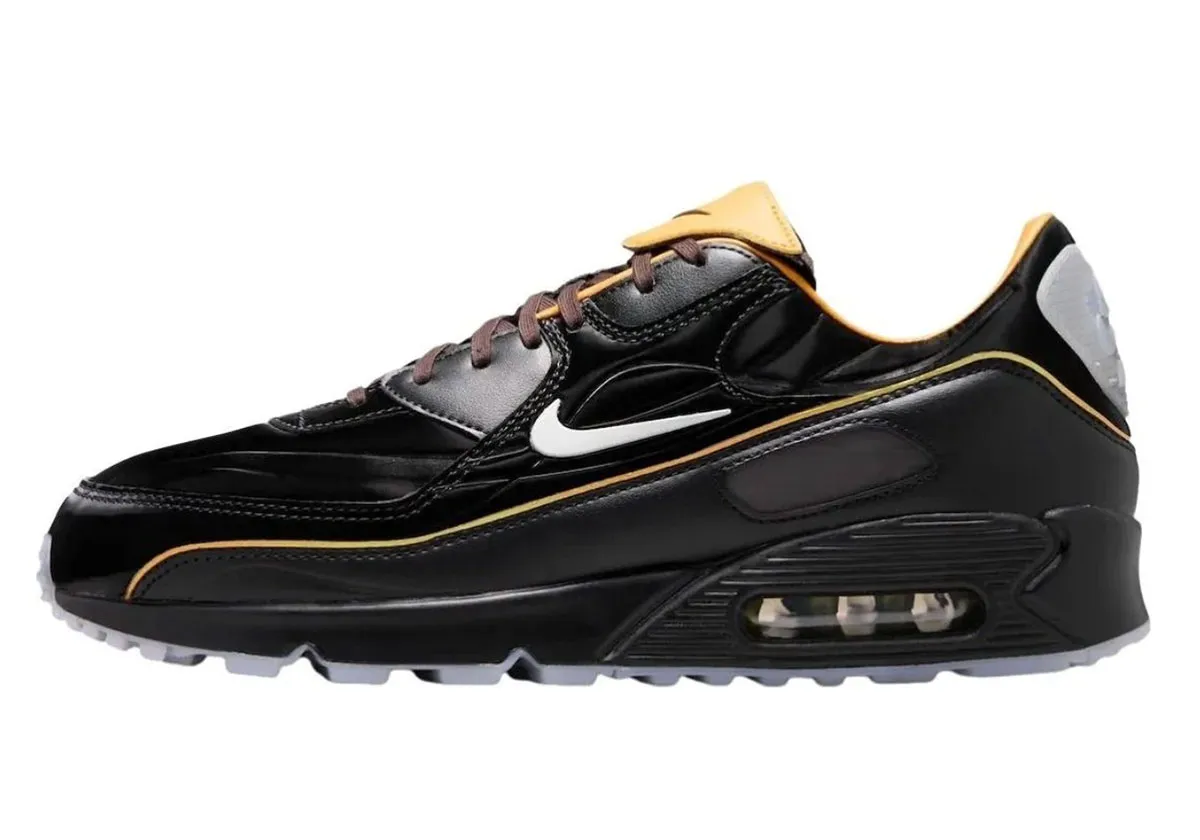
Football doesn’t just return every summer—it reorganizes everything around it. Product cycles tighten, references sharpen, and brands begin speaking in systems rather than statements. The upcoming global stage has already triggered that shift across PUMA, adidas, and especially Nike, where storytelling rarely arrives as a single object.
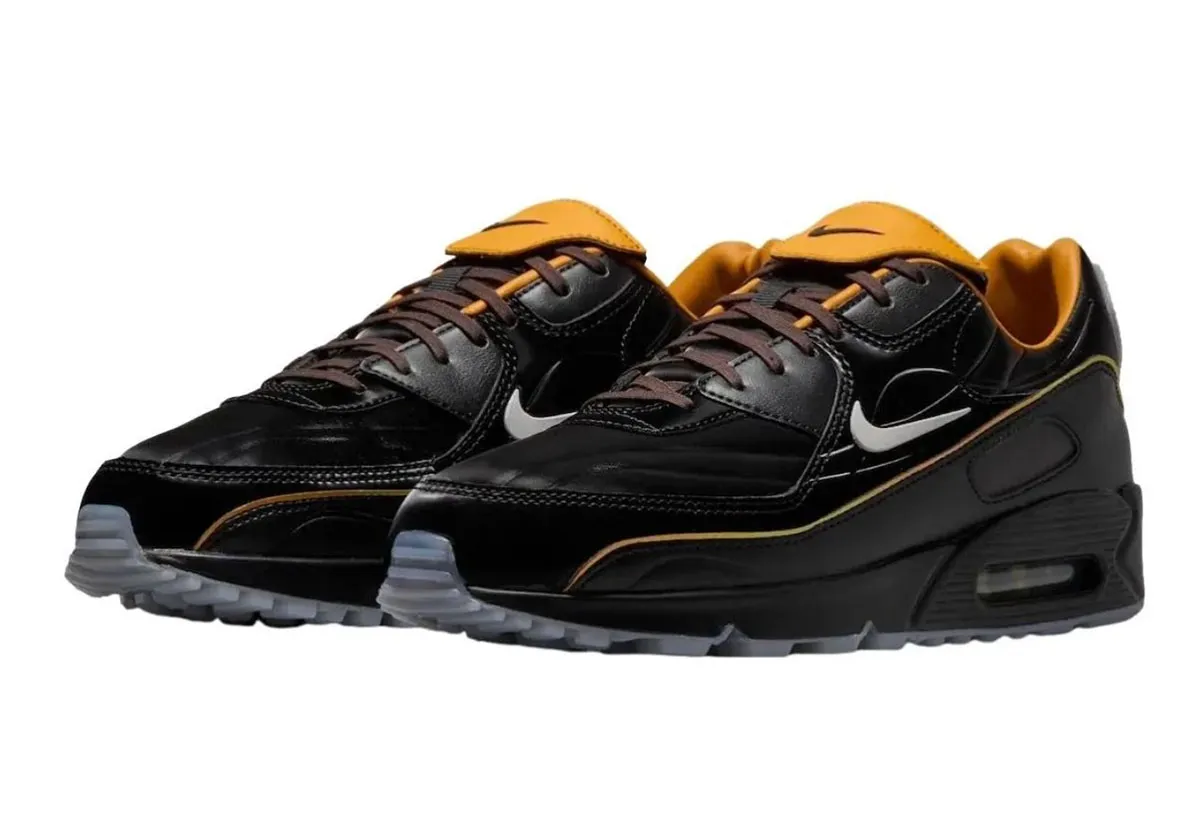
The Air Max 90 “Korea” sits inside that larger movement. Not as a centerpiece, but as a continuation—part of a growing “Korea” pack that includes the Air Max 95 and Astrograbber. Three silhouettes, one shared language. The structure is cumulative.
idea
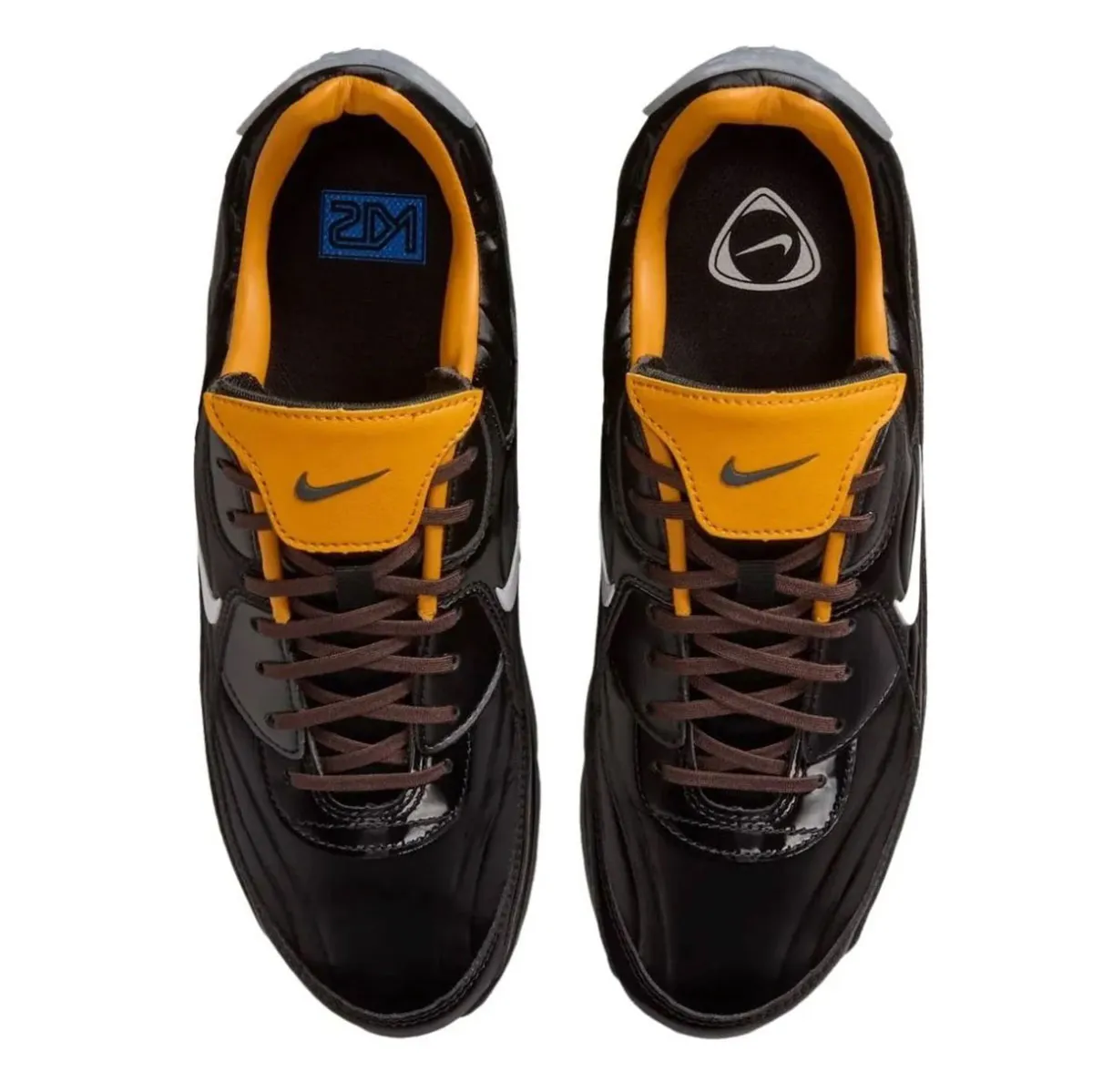
The palette leads. Brown leather dominates—rich, slightly aged in appearance, chosen less for trend and more for behavior. It will crease, soften, carry wear. It introduces time into a category often built on immediacy.
Orange edges trace the shoe’s construction. Not filling panels, but outlining them. It’s a directional choice—less about color blocking, more about revealing how the shoe is built.
Together, they create contrast without noise. A controlled tension.
View this post on Instagram
show
The reference to Cristiano Ronaldo’s Mercurial Vapor 1 runs through the details rather than the silhouette. Sidewall textures echo the original boot’s emphasis on speed—subtle ridges, directional lines, surfaces designed to move.
On the pitch, those elements served function. Here, they serve memory.
The Air Max 90 doesn’t perform like a football boot. It doesn’t need to. What it carries instead is the residue of performance—translated into a lifestyle object that still holds the imprint of speed.
The tongue follows that shift. Slightly reworked, more structured, enough to alter stance without disrupting identity.
stir
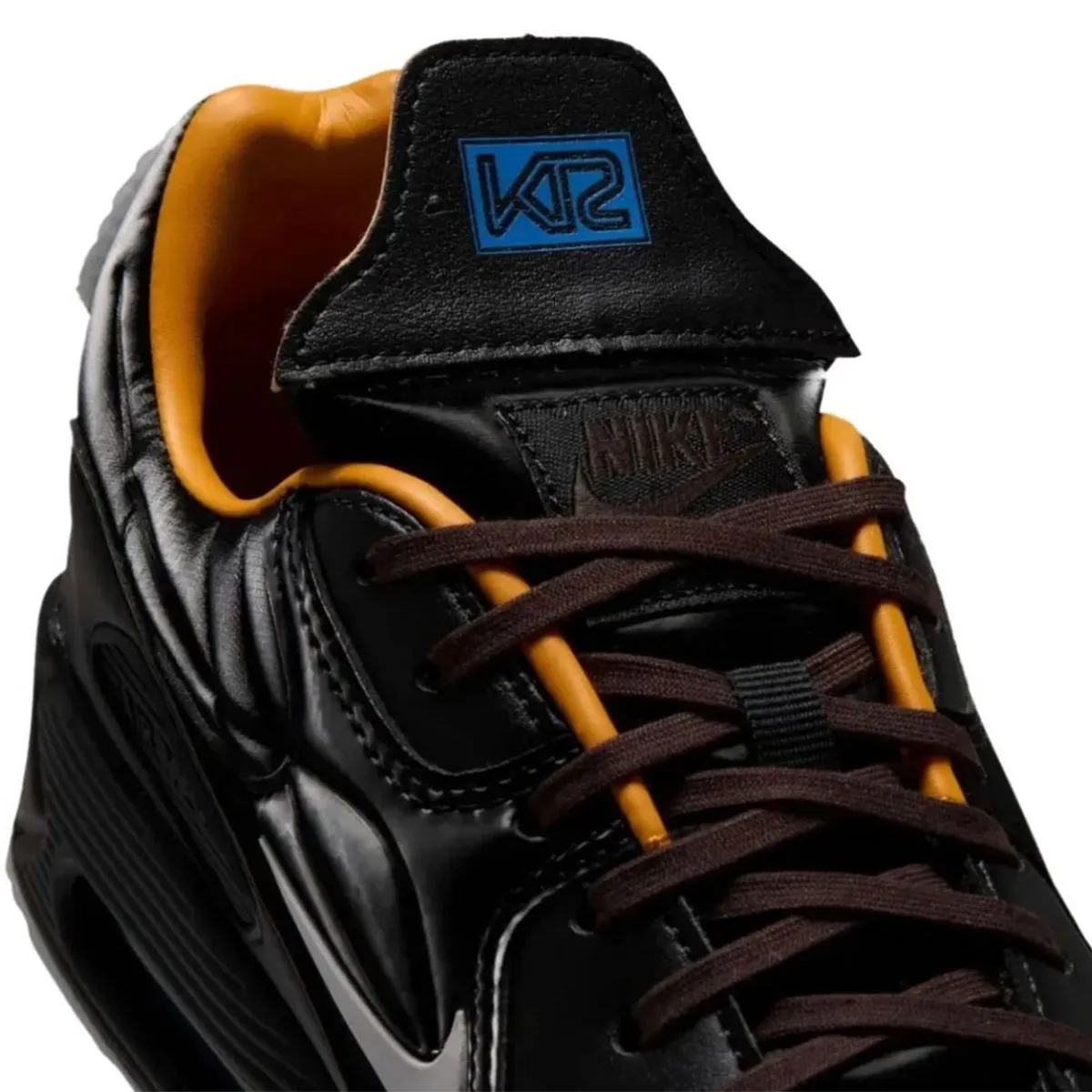
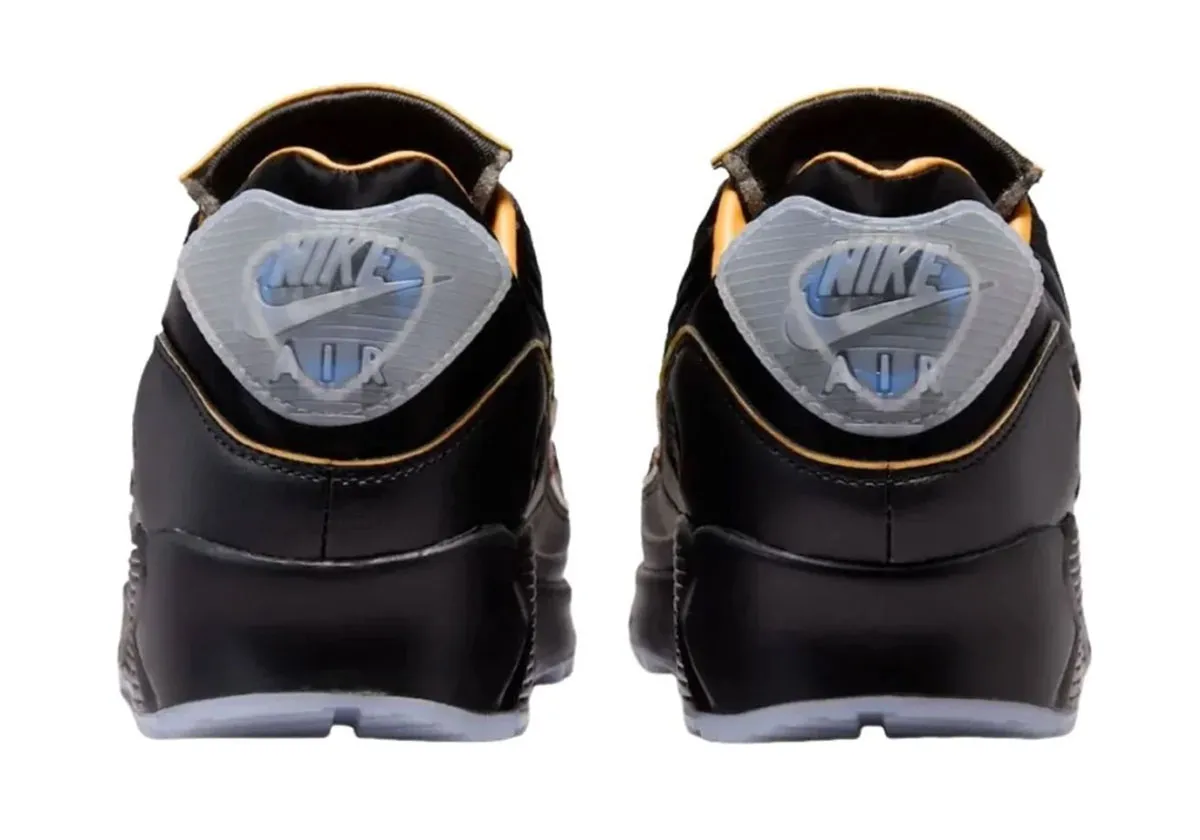
At the heel, the “KR” logo appears again—off-tone royal blue, intentionally out of sync with the rest of the palette.
It doesn’t anchor the design. It interrupts it.
Placed at the back, it resists immediate recognition. No crest, no flag, no overt explanation. Just a signal—quiet, delayed, and more effective because of it.
why
The Nike Air Max 90 operates as a stabilizer. It’s familiar, structurally balanced, and capable of carrying reinterpretation without losing itself.
Nike doesn’t overhaul it here. The visible Air unit remains unchanged. The proportions stay intact. What shifts are the surfaces, the textures, the small recalibrations that reframe the shoe without rewriting it.
This isn’t transformation. It’s adjustment.
the collide
The “Korea” pack works because it doesn’t rely on a single entry point.
- The Air Max 95 layers the concept—more anatomical, more segmented
- The Astrograbber connects directly to football’s functional roots
- The Air Max 90 translates everything into everyday wear
Each model carries the same material story, the same coded references, but applies them differently. The result isn’t a drop—it’s a system.
Nike’s strength here is continuity. Where others push visibility, Nike extends narrative. You don’t need to see everything at once. You encounter it over time.
moment
As Summer 2026 unfolds, releases tied to football will arrive in waves. Some loud, some immediate, some built for the moment.
The Air Max 90 “Korea” operates differently.
It doesn’t try to capture the spectacle of the game. It captures what lingers after—the movement, the memory, the way football reshapes daily life beyond the stadium.
It’s footwear as afterimage.
fin
There’s restraint here, but it isn’t passive. Every decision—material, color, reference, placement—feels directed.
In a landscape saturated with product, that control reads clearly. The shoe doesn’t compete for attention. It holds it, gradually.
And that’s the distinction.
The Air Max 90 “Korea” isn’t built to peak at release. It’s built to persist—across wear, across context, across a summer that will move quickly, whether you notice it or not.