Nike Diamond Standout MCS “Jackie Robinson”: A Cleat Built for the Acute Pivot

April 10, 2026
3 hours ago
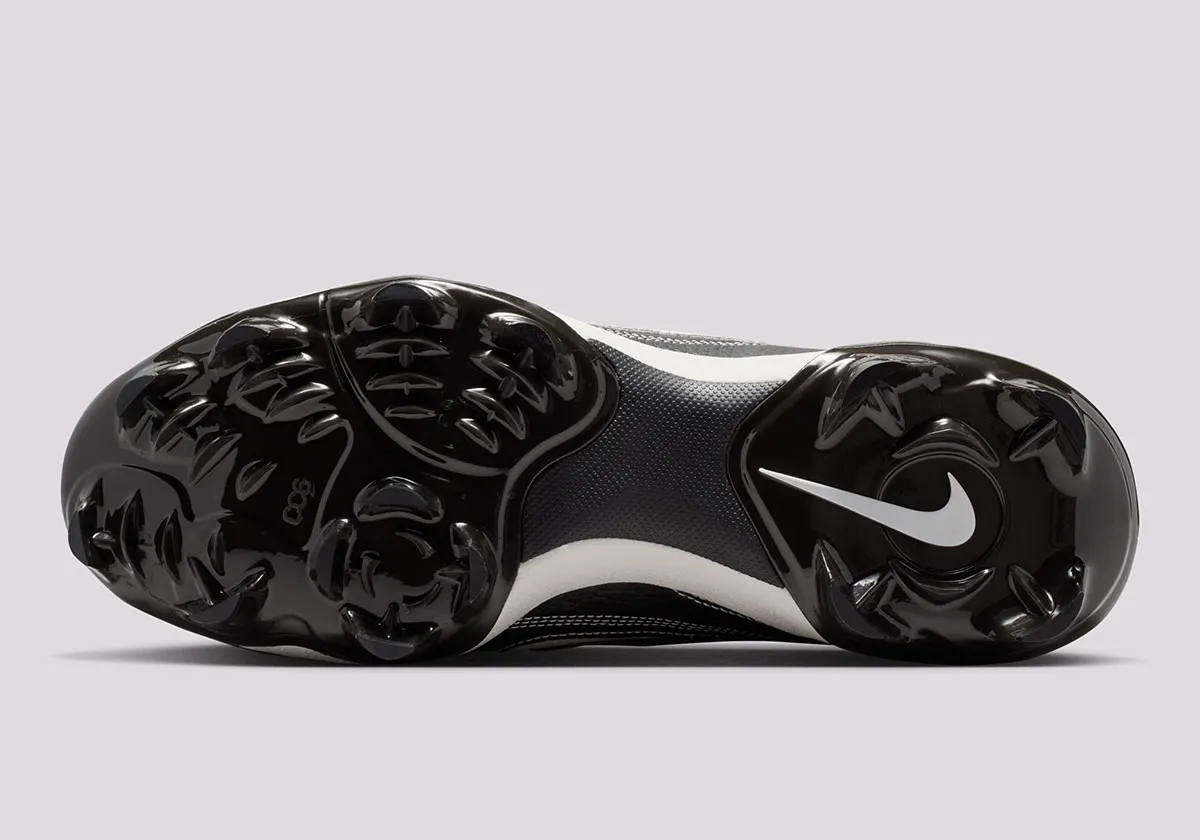
There are dates in sports that operate like checkpoints—predictable, repeatable, easy to schedule around. And then there are dates that resist becoming routine, even as they return every year. April 15 belongs to the latter.
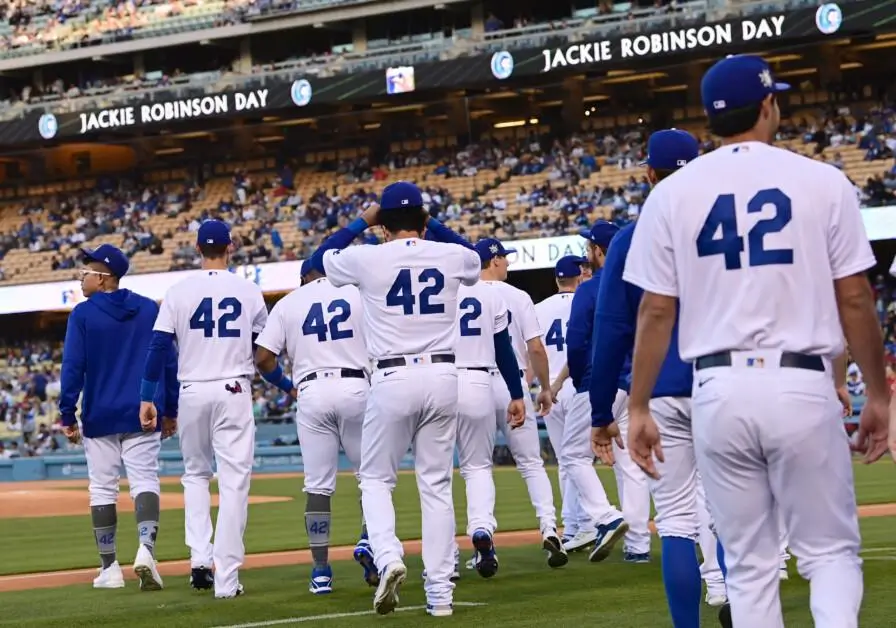
Each season, Major League Baseball pauses to honor Jackie Robinson—not just as a player, but as a structural force who permanently altered the trajectory of the game. Every player wears #42. Every field becomes, briefly, a site of shared recognition.
And every year, Nike builds something around that moment.
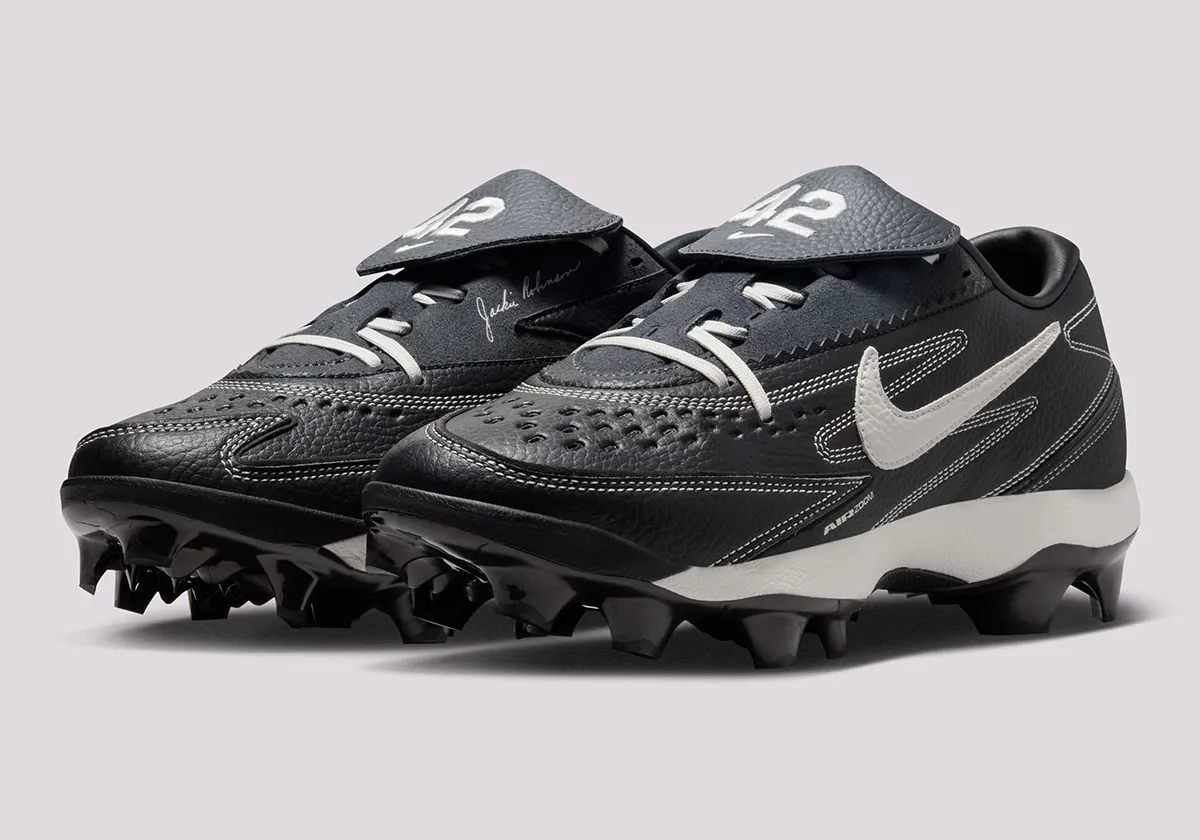
For 2026, that expression arrives in the form of the Nike Diamond Standout MCS “Jackie Robinson,” a cleat that doesn’t try to dramatize history—but instead encodes it into form, material, and movement.
flow
The Diamond Standout MCS is a relatively new silhouette within Nike’s baseball ecosystem, but its design language feels grounded in a very specific idea: acceleration as identity.
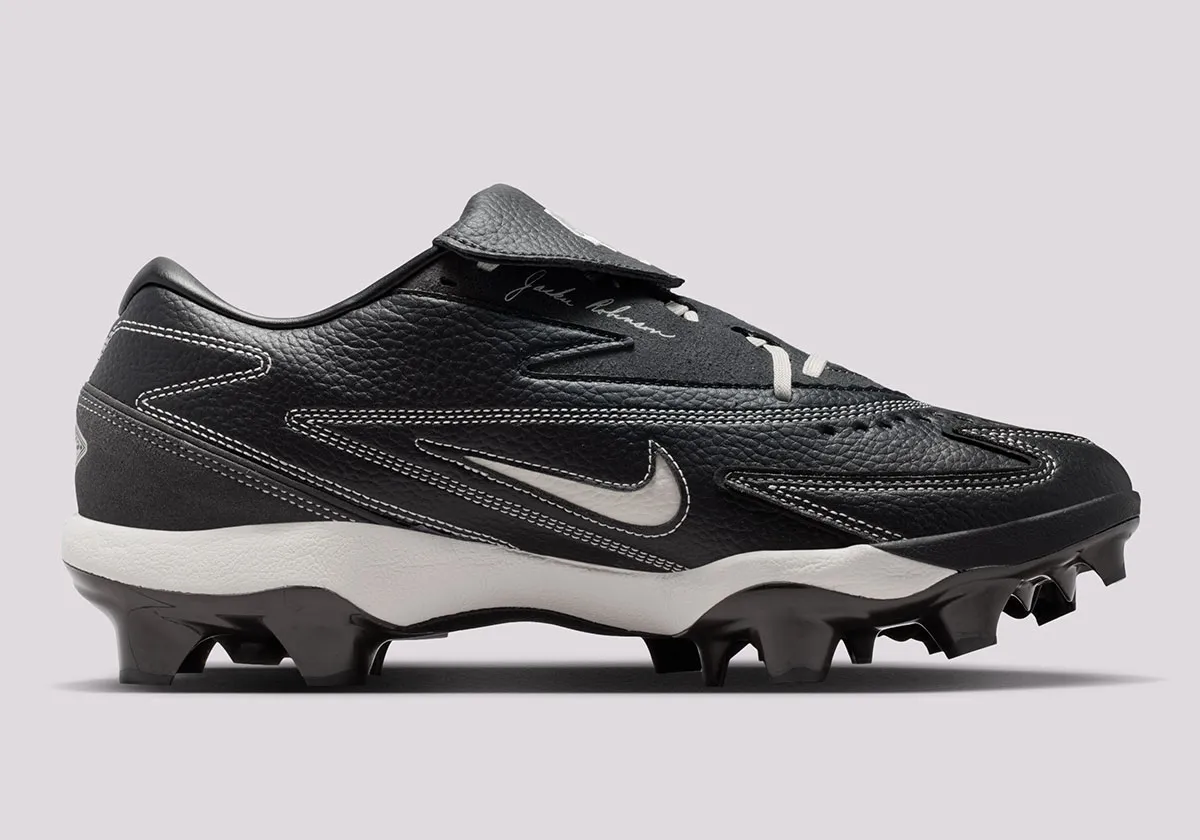
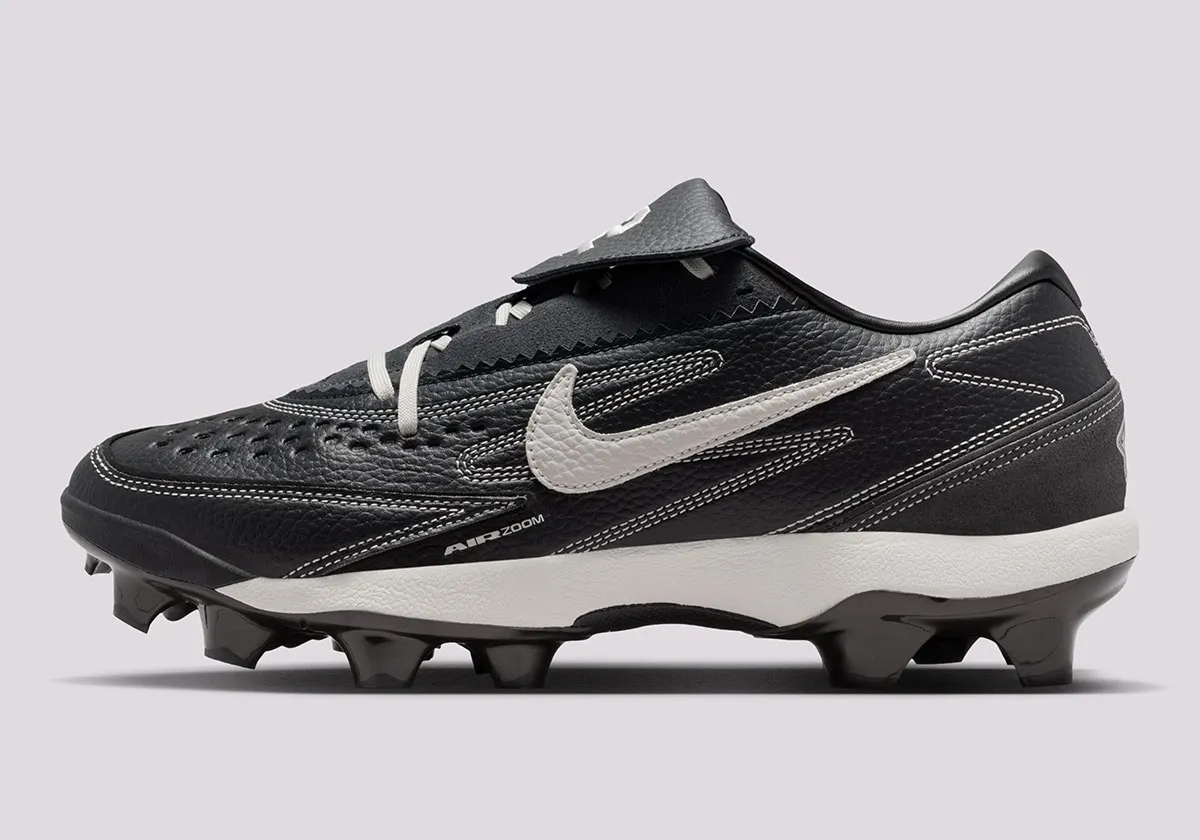
At the core is a split-plate outsole—engineered to support explosive first steps. It’s a detail that matters less in isolation and more in context. Baseball is not constant motion; it’s sudden motion. A break from the bag. A read off the pitcher. A decision that happens before the body fully commits.
That’s where this cleat lives.
And in the context of Jackie Robinson, that design choice becomes more than performance—it becomes reference. Robinson’s game was defined by calculated risk, by movement that disrupted expectation. The split plate doesn’t replicate that history, but it gestures toward it.
It suggests readiness.
a return
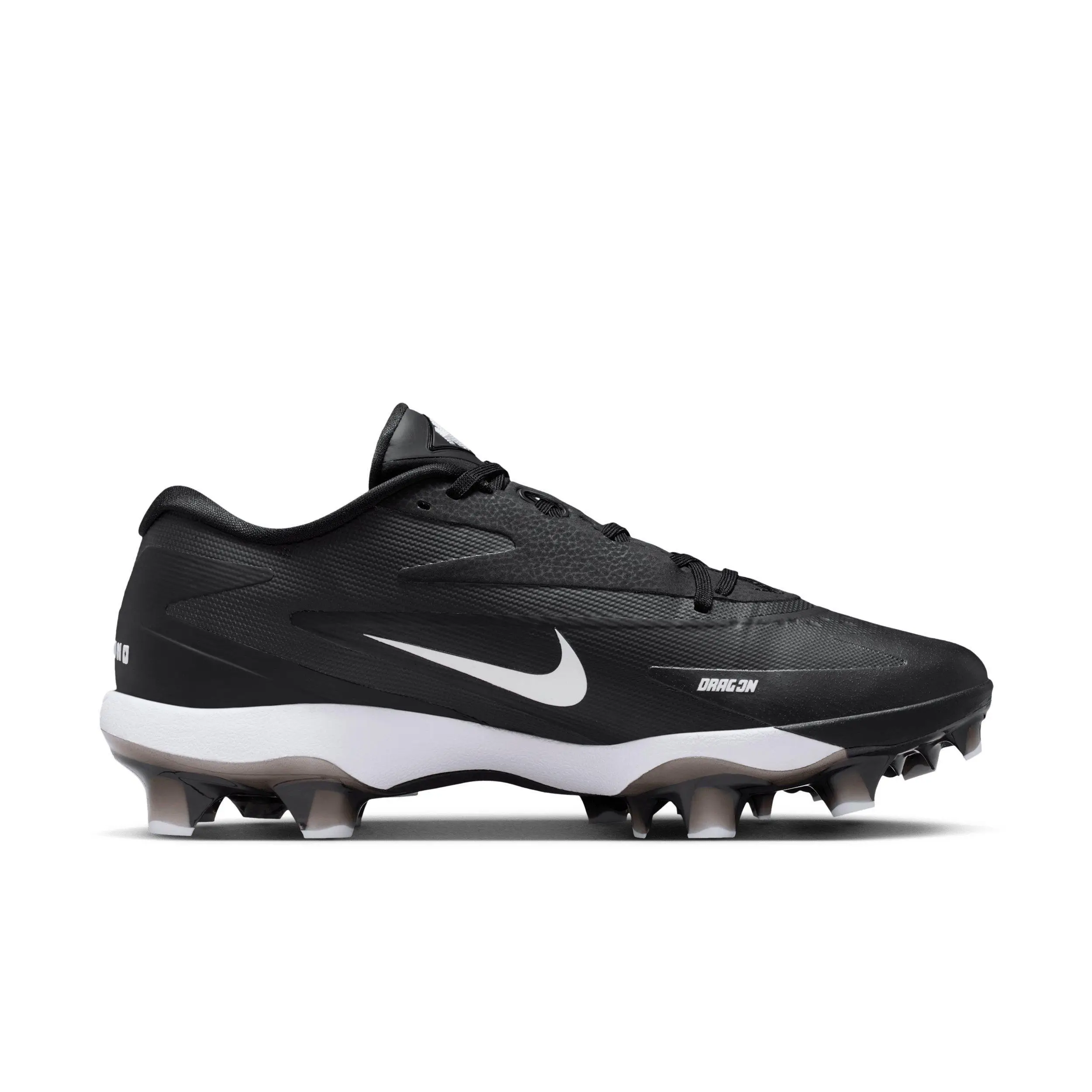
Where standard versions of the Diamond Standout MCS lean into lightweight mesh, this edition moves in the opposite direction.
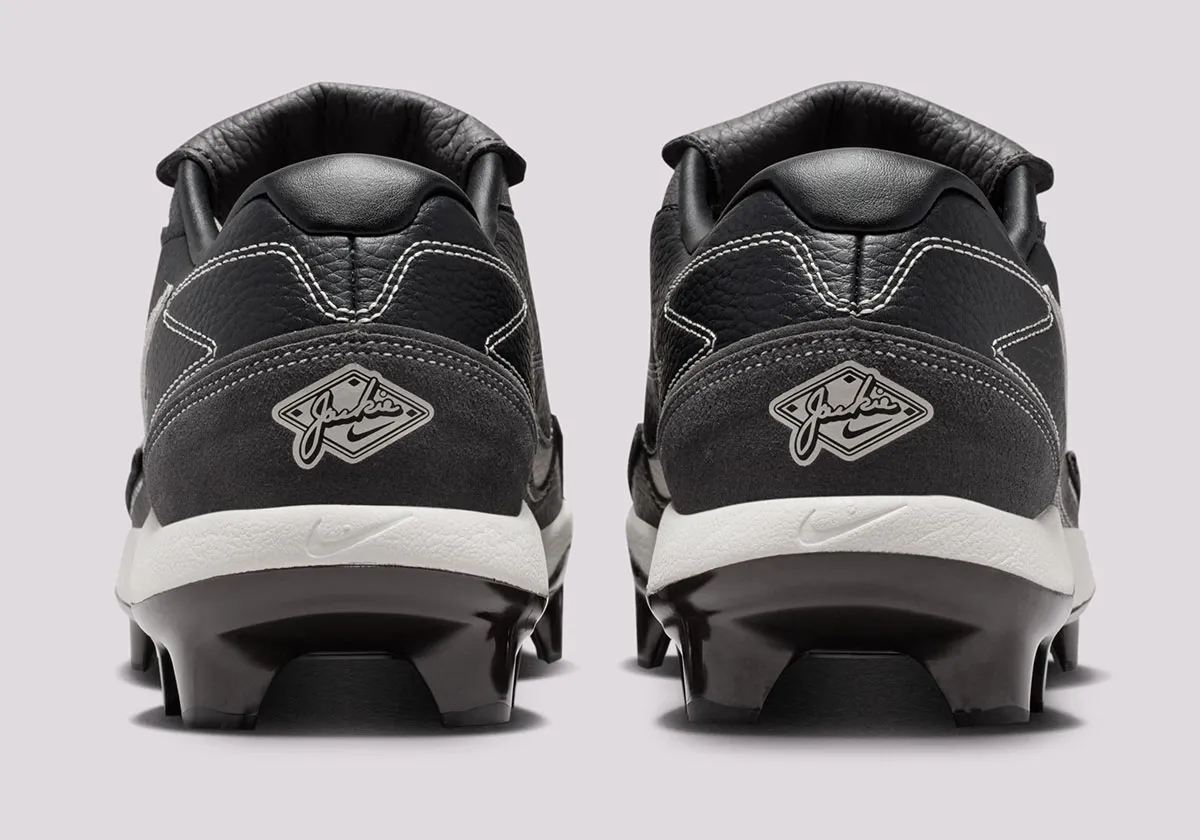
The upper is constructed from all-black leather—substantial, tactile, slightly resistant. It carries weight, both physically and visually. White contrast stitching traces the structure, emphasizing seams, edges, and transitions. Zig-zag paneling introduces rhythm, while serrated detailing around the eyelets adds a sharper, almost industrial finish.
There’s a quiet archival pull here.
For those who remember Nike’s baseball output from the late ’90s and early 2000s, this construction feels familiar. Before Flyknit, before engineered mesh dominance, there was leather—durable, grounded, less concerned with weight reduction and more with longevity.
This cleat revisits that space without becoming nostalgic.
It doesn’t recreate the past.
It borrows its language.
stir
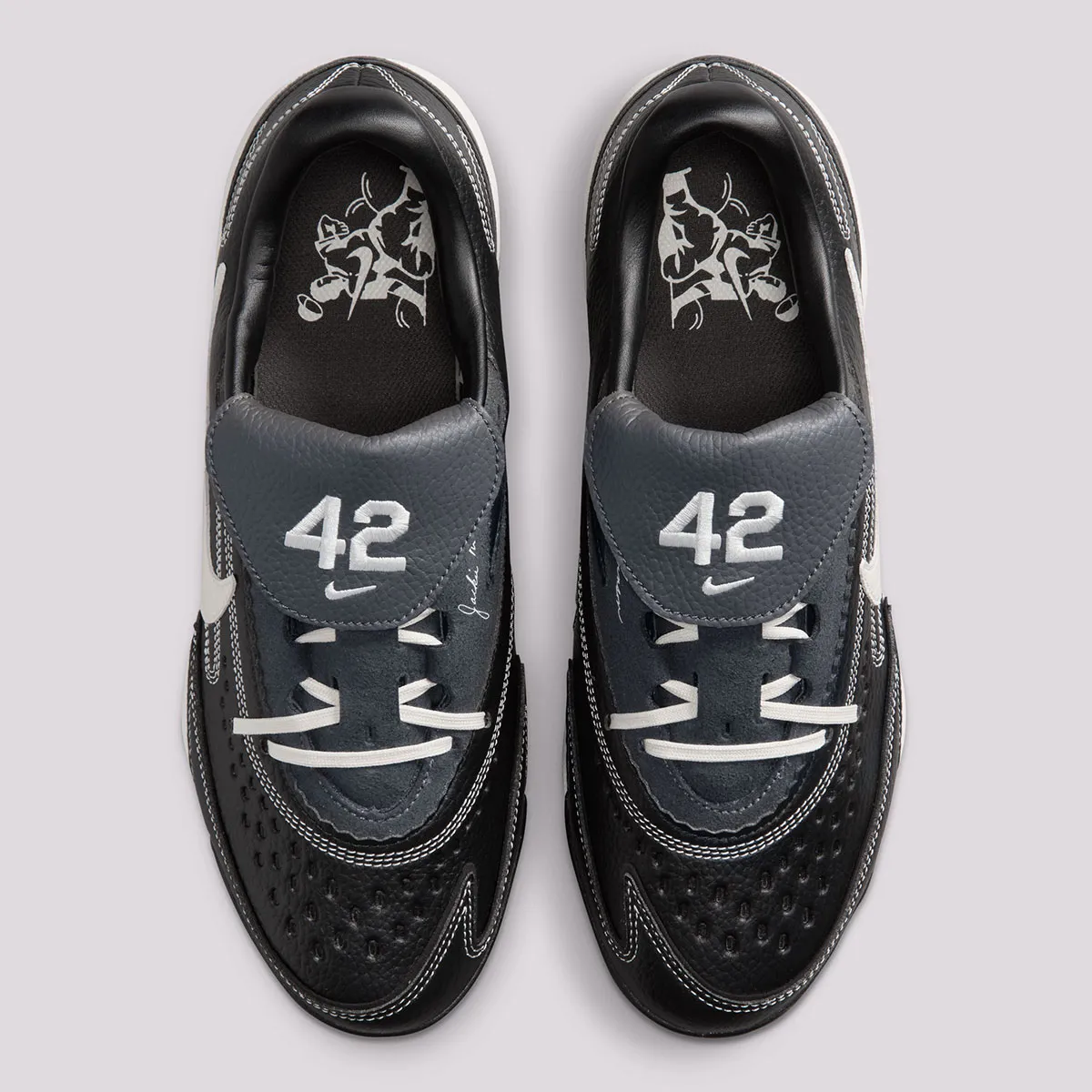
The most immediate marker of the theme is, of course, #42.
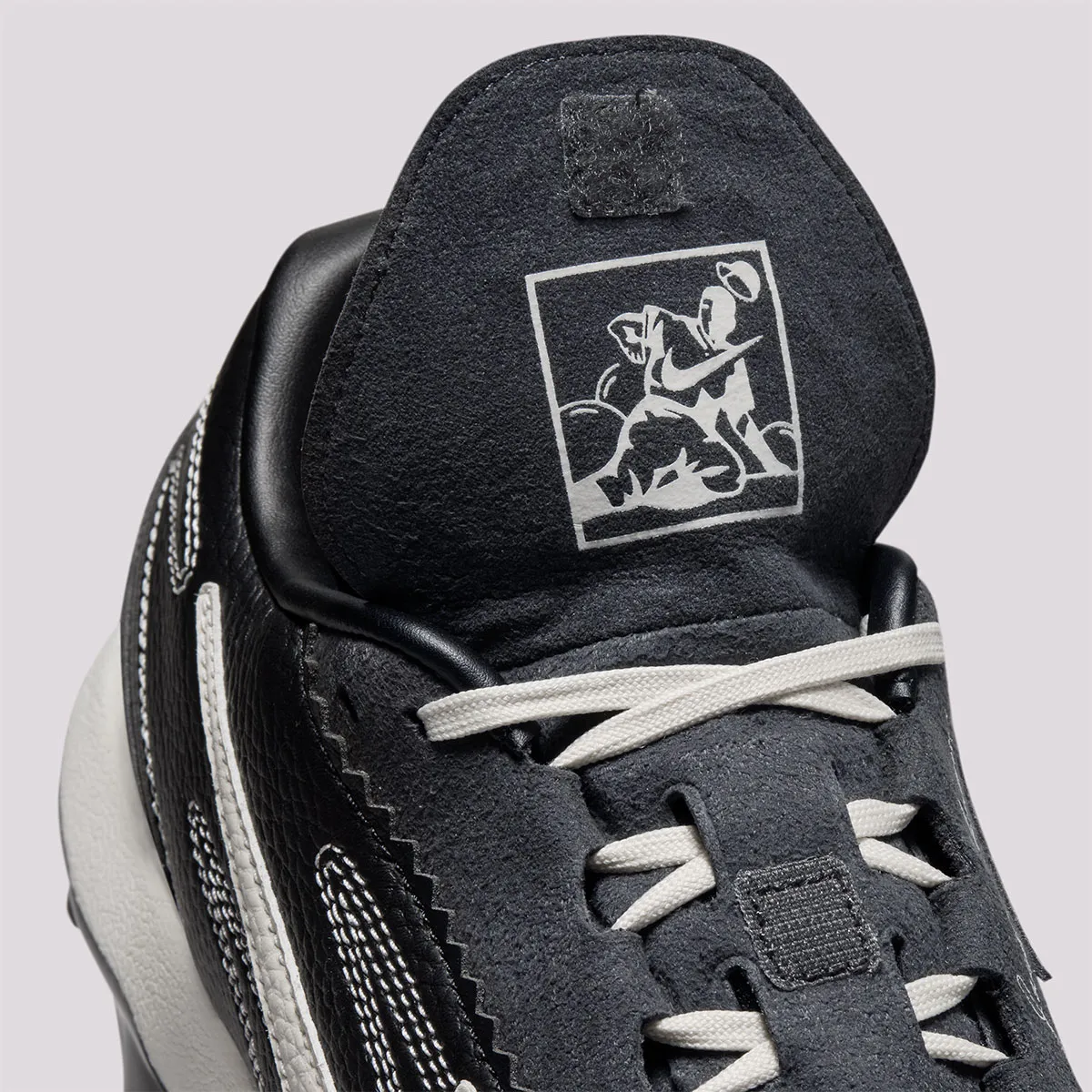
But here, it doesn’t function as a loud graphic or oversized branding element. It’s integrated—placed with intention, scaled to be seen but not shouted. This restraint matters. It keeps the number from becoming ornamental.
Alongside it is a graphic of Robinson swiping a bag—a direct reference to one of the most debated plays in baseball history: his steal of home during Game 1 of the 1955 World Series.
It’s a moment that still holds tension.
A split-second decision. A call that could have gone either way. Yogi Berra famously contested it, and the argument has outlived both the play and the game itself.
Embedding that moment into the cleat does something subtle.
It connects performance footwear—built for speed—with a historical act defined by risk.
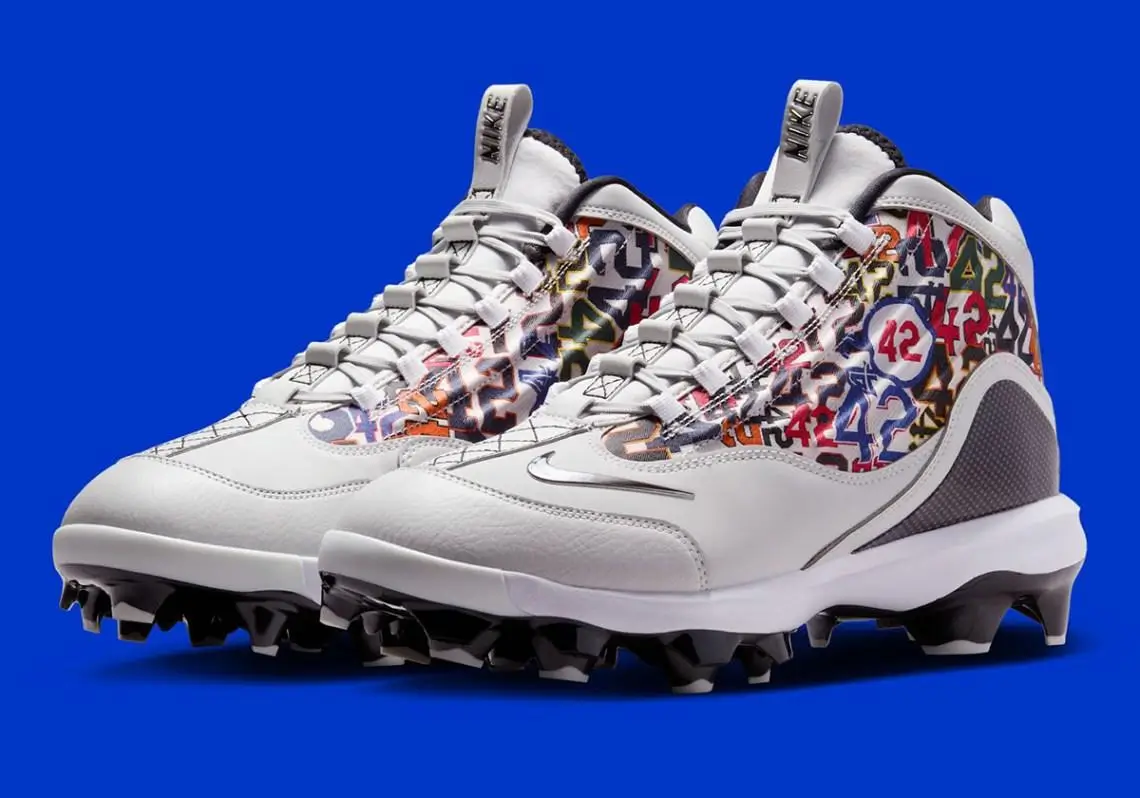
Nike Griffey 2 MCS Baseball Cleats Honoring Jackie Robinson 2025
blur
Nike’s Jackie Robinson Day releases rarely exist in isolation. They are part of a broader system—on-field gear, off-field apparel, lifestyle pieces that extend the narrative beyond the diamond.
The Diamond Standout MCS sits at the center of that system.
It’s designed for use, not just display. It will touch dirt. It will be worn in motion. It will exist within the game that Robinson helped reshape.
At the same time, it operates as a collectible object. A date-specific release. A piece tied to a moment that returns annually but never repeats in the same way.
This duality—performance and symbolism—is where Nike tends to be most effective.
The product doesn’t explain the history.
It carries it.
View this post on Instagram
fwd
What makes this cleat resonate is not a single detail, but the alignment of several small decisions.
The split plate suggests acceleration.
The leather upper introduces weight and durability.
The stitching and paneling reference a different era of design.
The #42 and base-stealing graphic anchor the narrative.
Individually, these elements are straightforward.
Together, they create a layered object—one that operates across timelines. Past and present. Archive and innovation. Memory and movement.
This is not a commemorative piece in the traditional sense.
It doesn’t freeze Robinson in place.
It keeps him in motion.
rel
The Nike Diamond Standout MCS “Jackie Robinson” releases on April 15th in alignment with Jackie Robinson Day across Major League Baseball.
Availability: Nike and select baseball retailers
fin
There’s always a risk with annual commemorations: repetition can dull impression. Familiarity can flatten meaning.
But certain symbols resist that.
#42 is one of them.
Not because it changes—but because the context around it does. Each season brings new players, new narratives, new interpretations of what it means to step onto the field wearing that number.