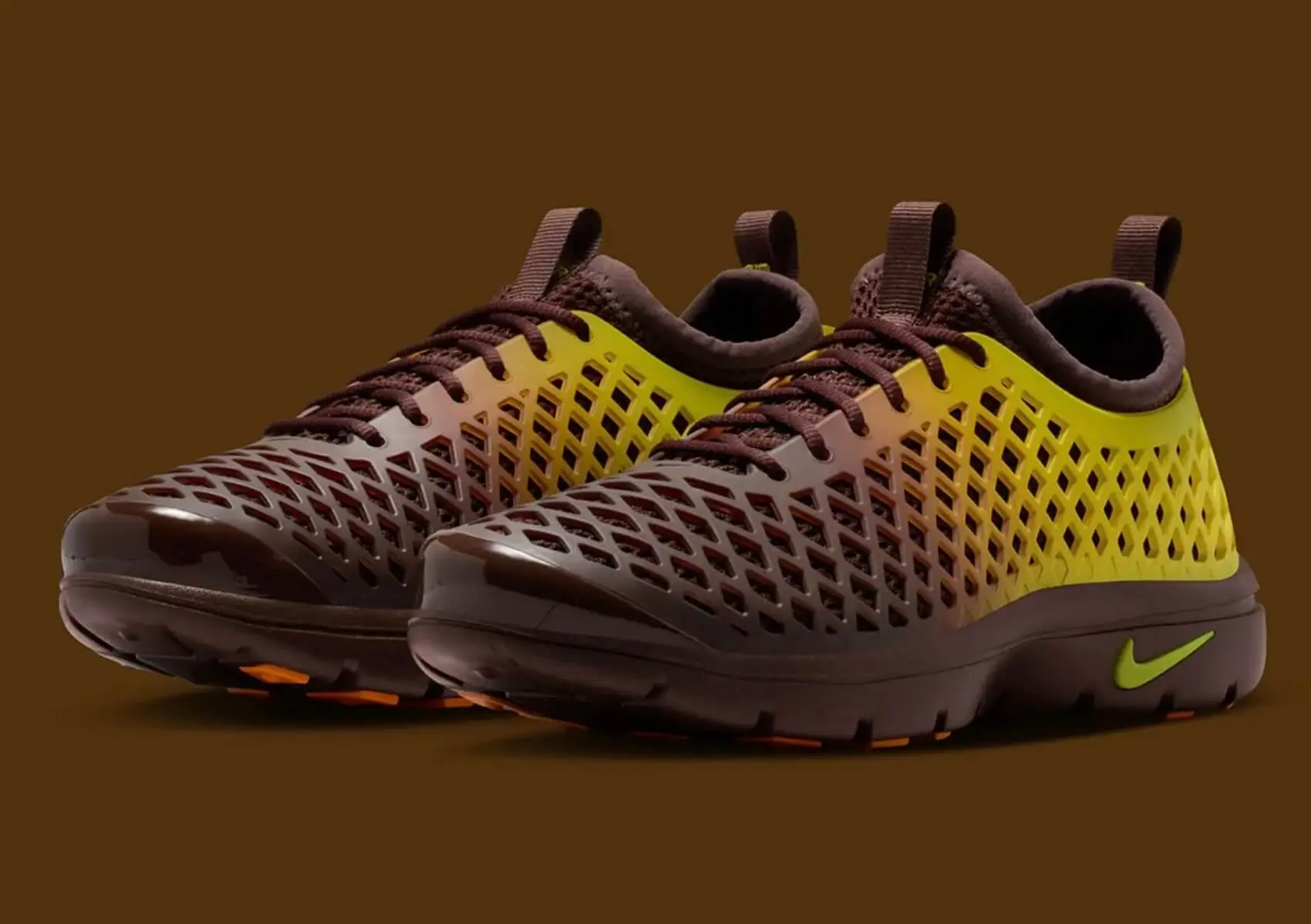
In the ever-evolving universe of sneaker design, few categories have experienced a revival as striking as recovery footwear. Once relegated to locker rooms and post-workout routines, this segment has now become a legitimate canvas for experimentation, design language, and cultural expression. At the center of this shift stands the Nike Rejuven8 Run Retro, a silhouette that merges performance comfort with a futuristic modular aesthetic. Its newest iteration—featuring gradient exteriors—signals that the shoe’s comeback is not just about nostalgia but about reinvention.
Originally introduced during the late-2000s running boom, the Rejuven8 Run was designed as a recovery-focused shoe meant to support athletes after intense activity. Today, its retro revival places it firmly within the contemporary shoe conversation, where design, customization, and lifestyle appeal are as important as performance. The gradient-clad version, often referred to by collectors as the “Rust Factor” colorway, pushes the concept further with bold transitions of color across the shell, reinforcing the idea that recovery footwear can also be visually striking.
a retro
The reintroduction of the Rejuven8 Run Retro reflects a broader shift within shoe culture. In recent years, comfort-driven footwear has risen dramatically in popularity. Slides, recovery shoes, and foam-based silhouettes have become everyday staples, blurring the line between athletic gear and casual fashion.
For Nike, the Rejuven8 lineage traces back to the 2008 Beijing Olympics era, when the brand introduced the Rejuven8 Run as a post-performance solution for athletes seeking relief after competition. The concept was simple but effective: create a shoe that provided maximum cushioning, ventilation, and ease of wear without sacrificing durability.
Fast-forward nearly two decades, and the design suddenly feels prescient. The modern footwear landscape is dominated by footwear emphasizing comfort technology and effortless style. From foam runners to hybrid slides, consumers increasingly value recovery-inspired silhouettes that double as everyday footwear.
The Rejuven8 Run Retro fits perfectly into this environment. Rather than reinventing the wheel, Nike revisits a concept that was ahead of its time—now updated for a generation accustomed to experimental footwear aesthetics.
redefine
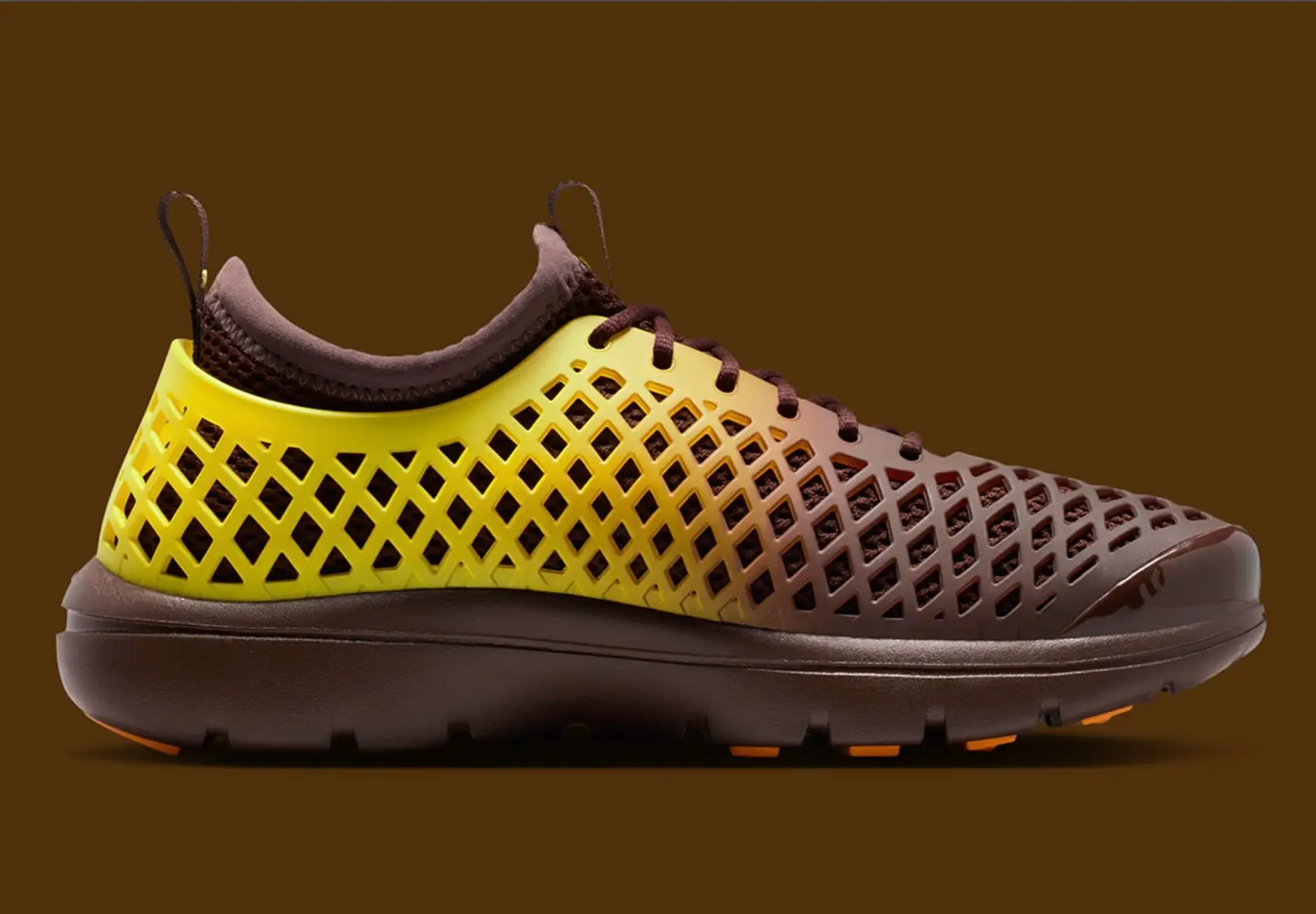
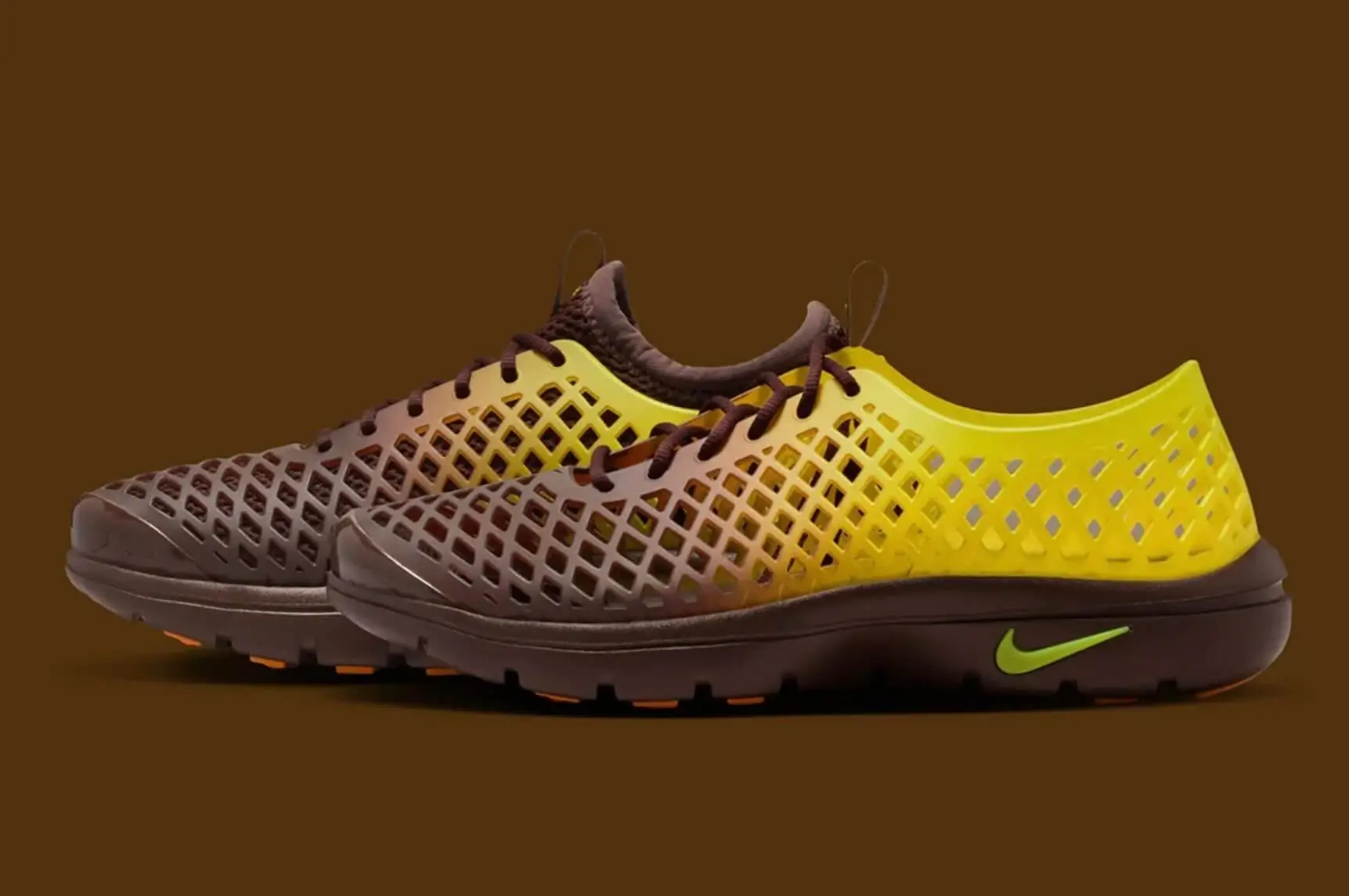
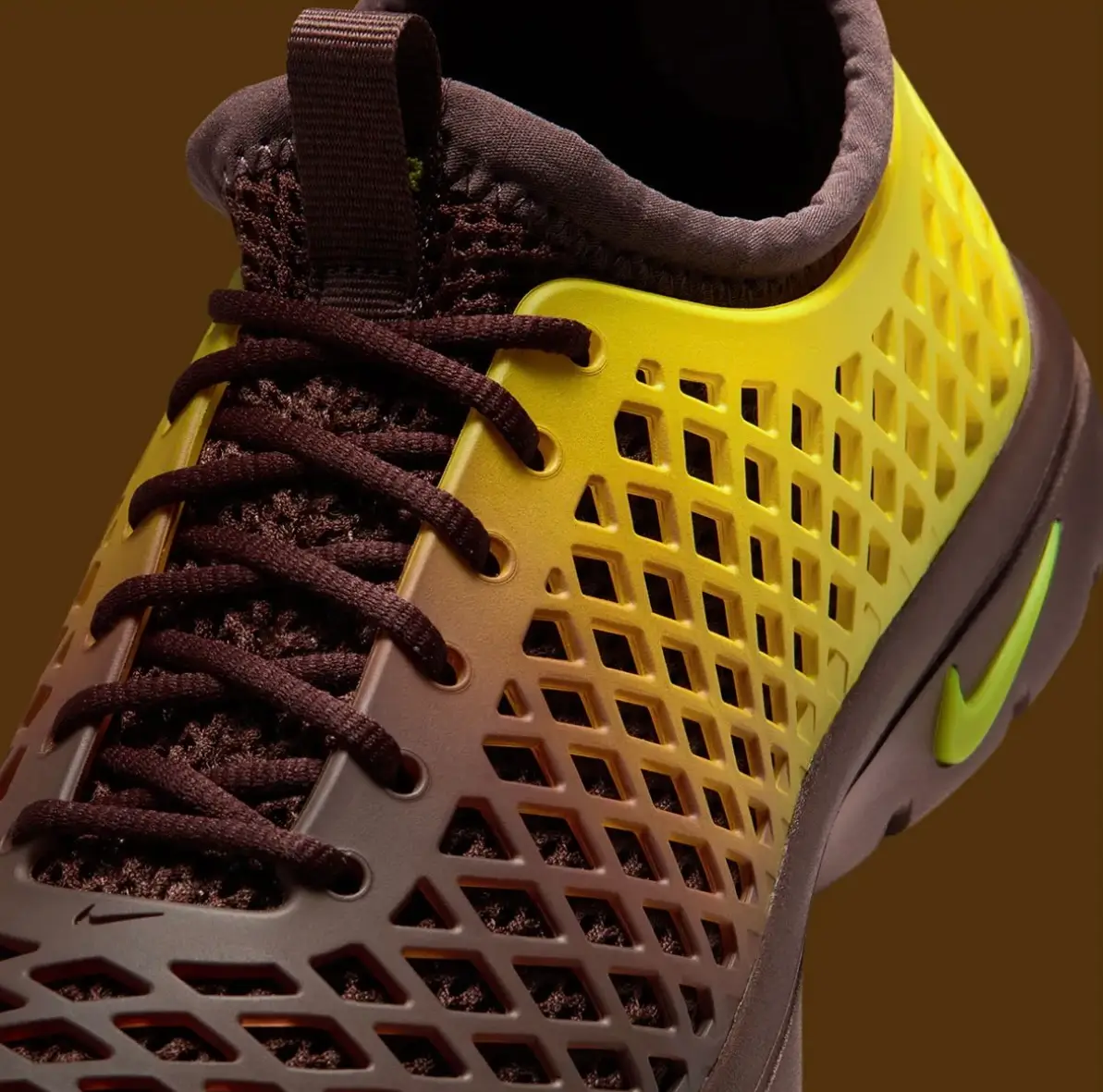
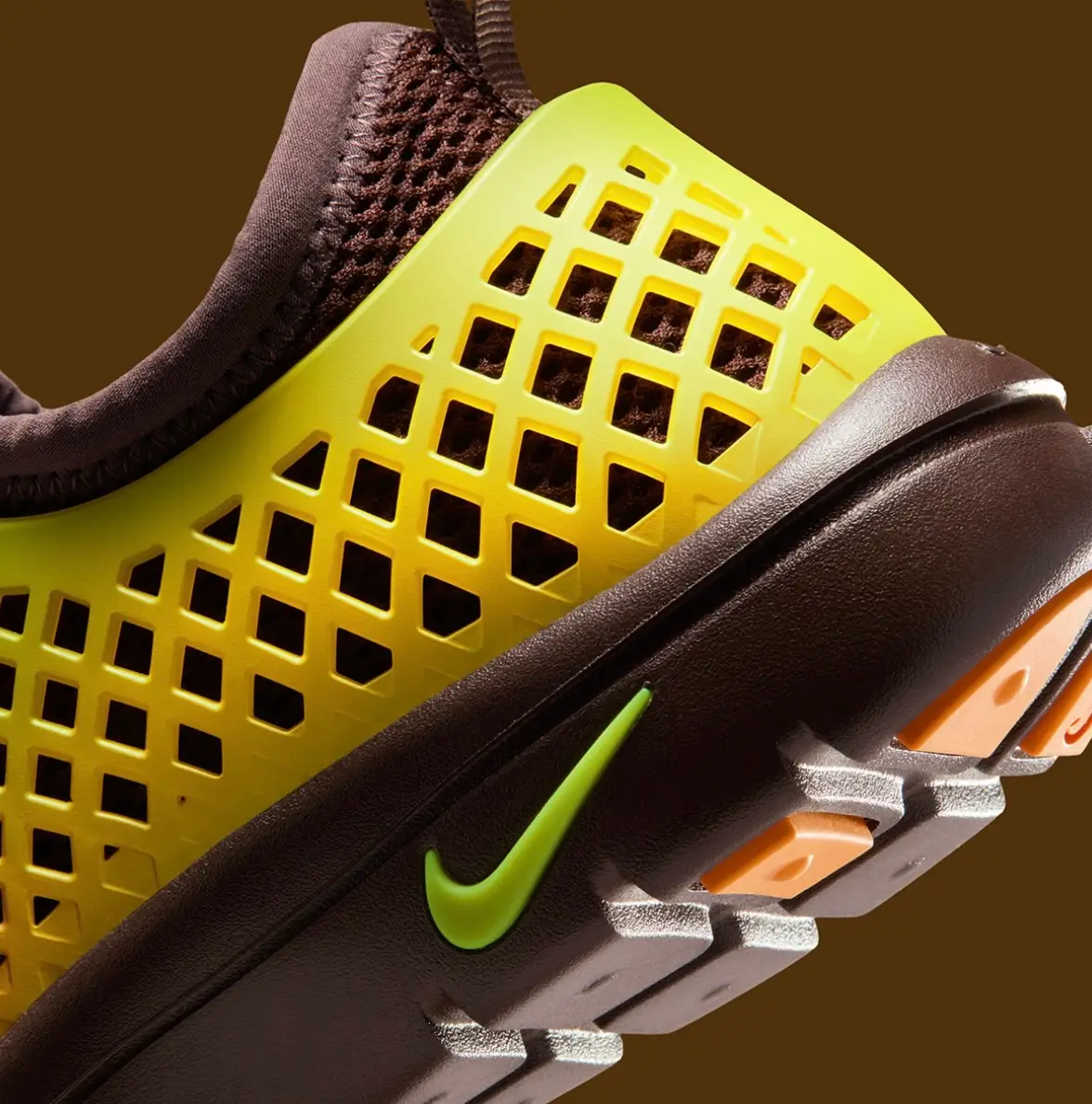
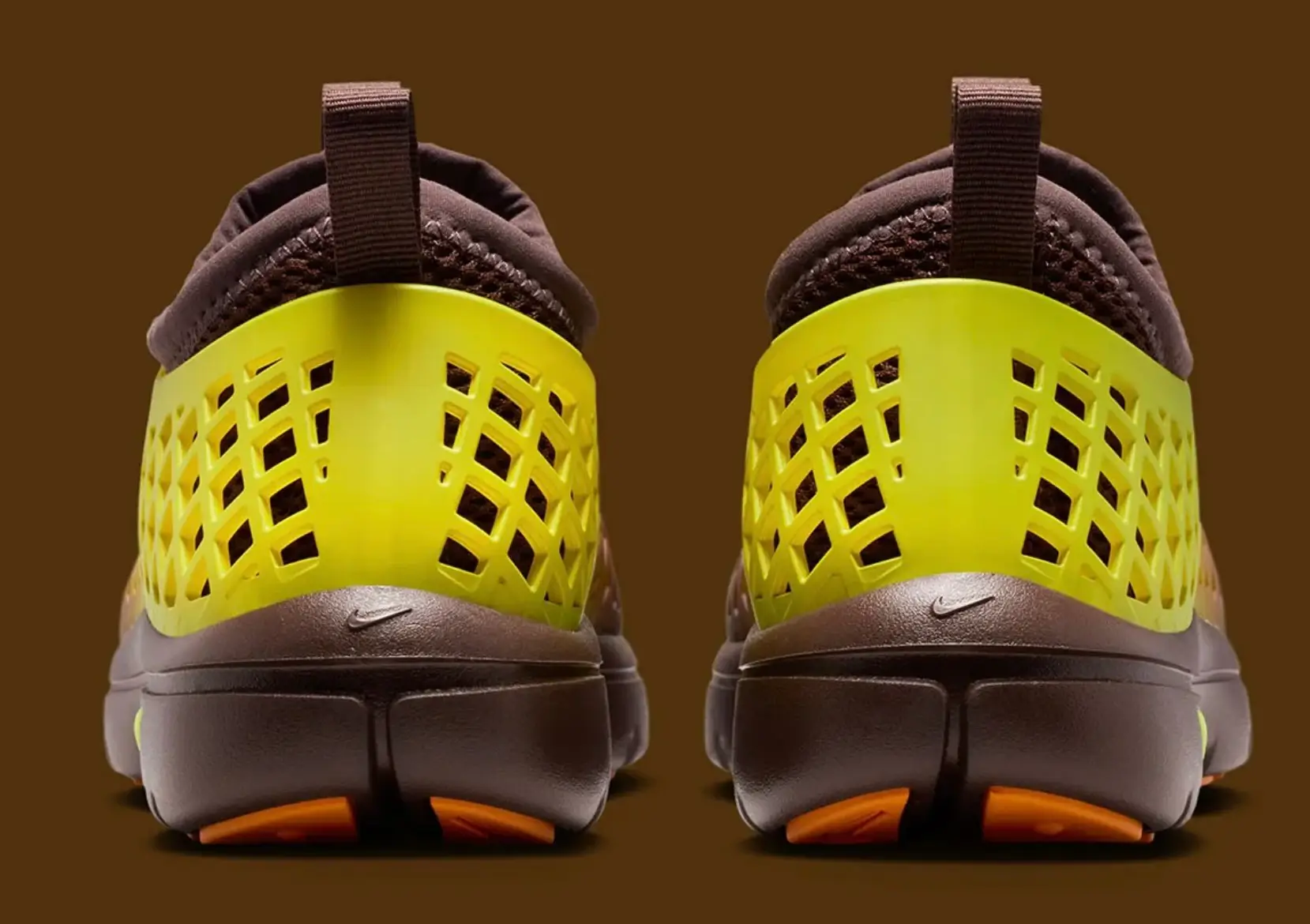
What truly distinguishes the latest Rejuven8 Run Retro release is its gradient exterior shell. In the “Rust Factor” iteration, the shoe transitions between shades of deep red, burnt orange, and earthy tones, creating a layered color fade that feels dynamic and sculptural.
Gradient treatments have appeared across many sneakers over the years, but here they take on a unique role. Instead of being applied to fabric uppers or printed panels, the color shift moves across a molded outer shell, emphasizing the shoe’s sculptural construction.
This shell acts almost like armor around the foot. Its smooth curves and aerodynamic lines give the shoe a futuristic appearance, reminiscent of concept footwear or industrial design prototypes. When combined with the gradient finish, the effect is striking—transforming the shoe into something that feels both retro and forward-looking.
The bold exterior is complemented by a matching red outsole, which anchors the color palette while maintaining the sleek visual flow of the design. The result is a shoe that stands out without relying on heavy branding or loud graphics.
struct
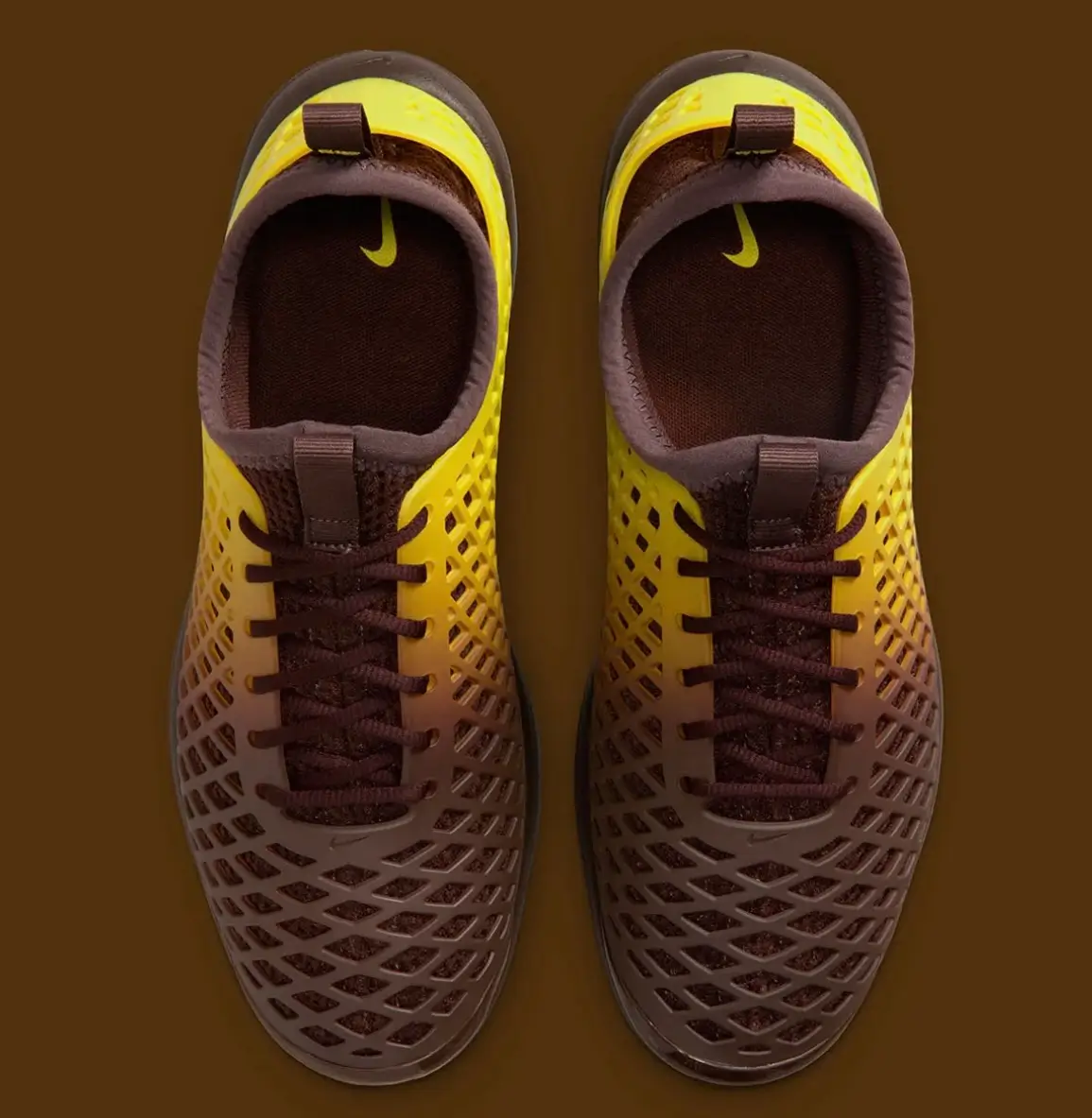
Perhaps the most distinctive element of the Rejuven8 Run Retro is its modular structure. Unlike traditional shoes, this model separates into two major components:
• a rigid outer shell
• a removable inner mesh bootie
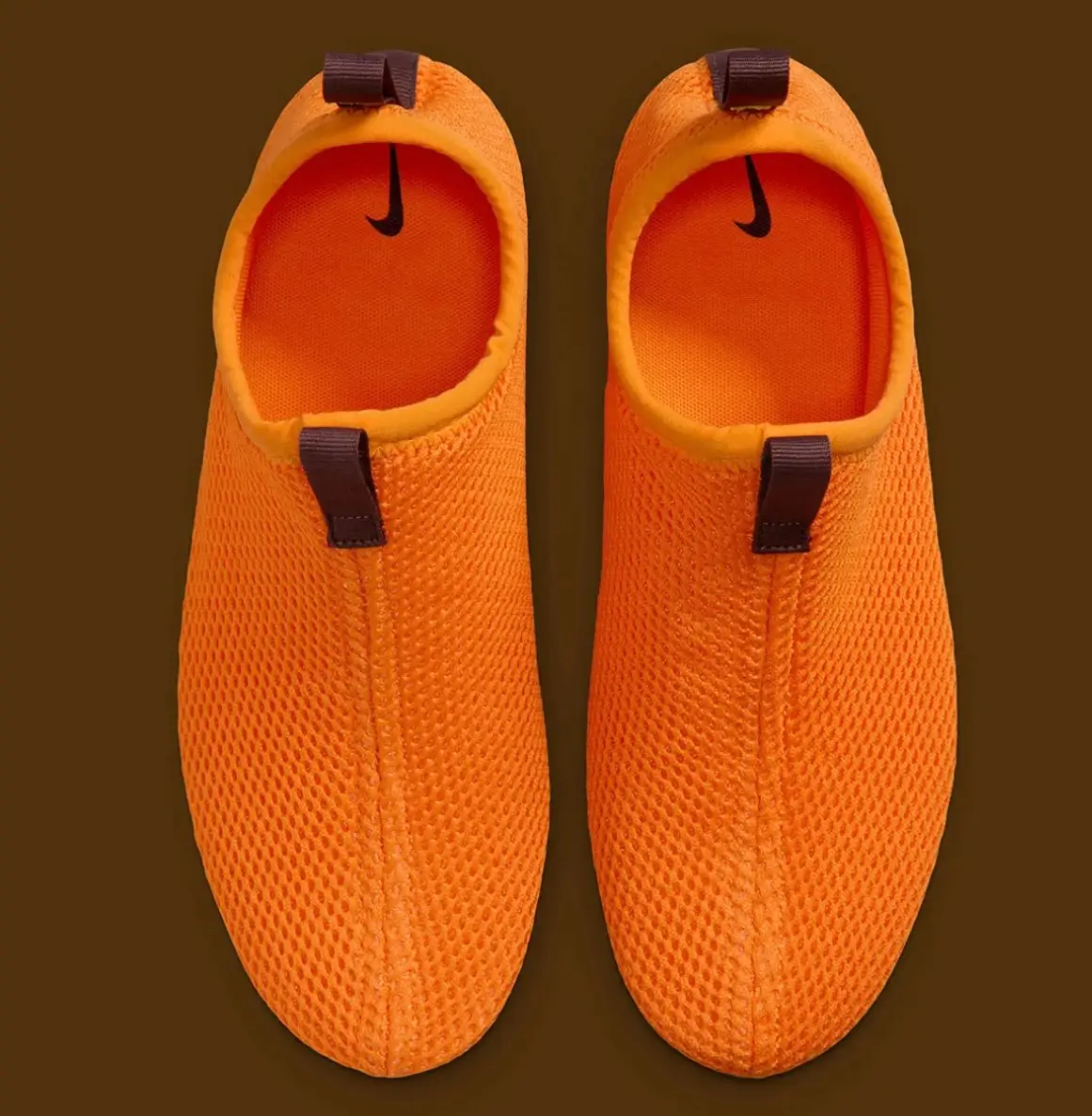
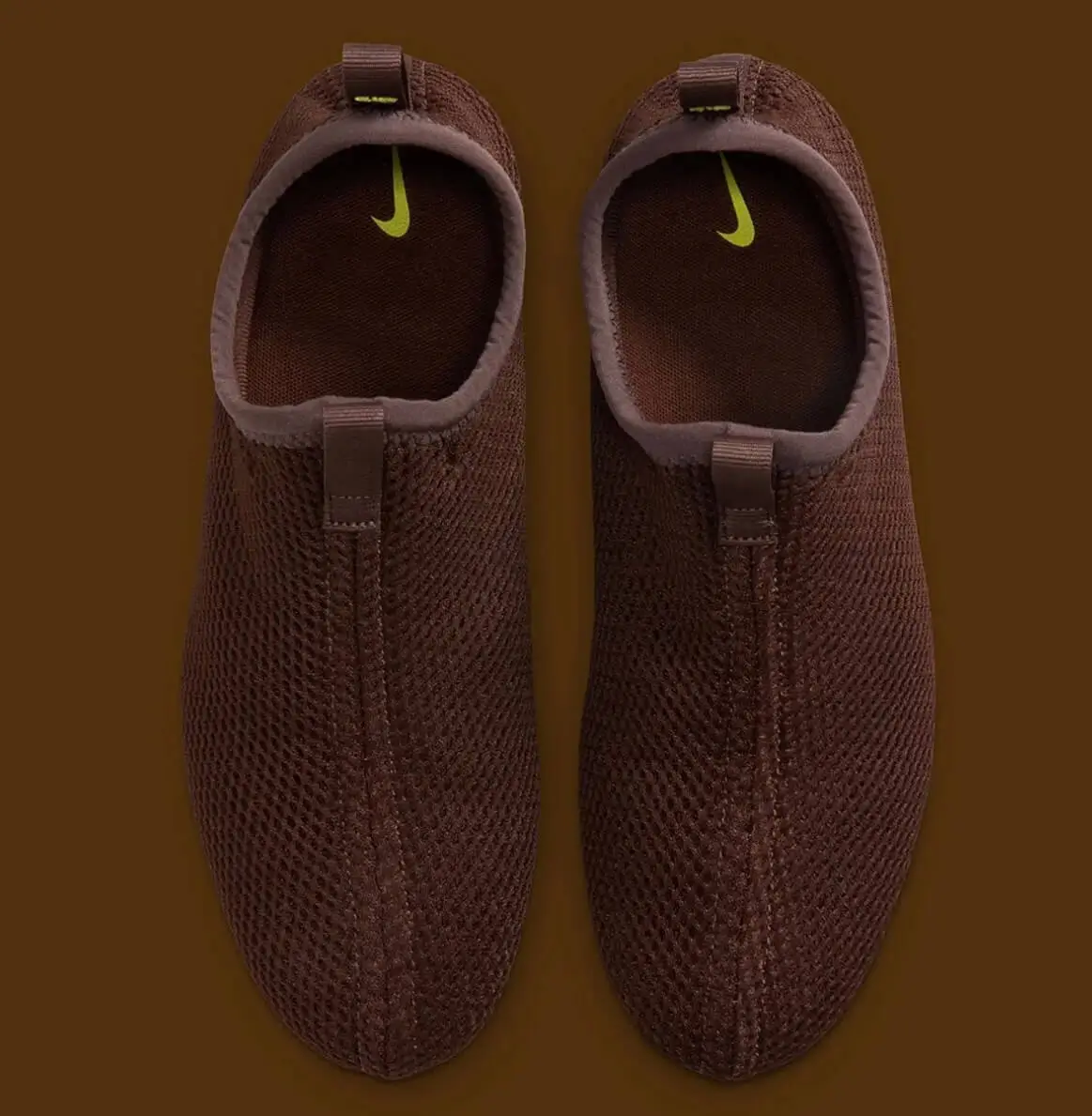
This design allows wearers to swap interior components, giving the sneaker a customizable feel rarely seen in performance footwear. In the Rust Factor edition, Nike includes two bootie options—one in red mesh to match the outsole and another in black for contrast.
The concept is surprisingly practical. The mesh inner layer provides breathability and comfort, while the shell offers structural support and protection. Because the two pieces can be separated, the shoe also becomes easier to clean or modify.
More importantly, this modular approach aligns with contemporary shoe culture’s fascination with personalization. Consumers today often look for ways to make footwear feel unique, whether through lace swaps, removable accessories, or customizable color schemes. The Rejuven8 Run Retro anticipates that desire with a built-in interchangeable system.
show
While aesthetics conjure a major role in the model’s resurgence, the Rejuven8 Run Retro remains rooted in its original purpose: recovery.
Nike has long experimented with cushioning technologies designed to reduce fatigue and support the foot after intense training. In the broader Rejuven8 lineup, features such as responsive foam midsoles, roomy forefoot construction, and ventilated uppers aim to deliver a comfortable, relaxed fit.
These elements translate seamlessly into the Retro version. The design prioritizes ease of wear, making it ideal for situations where athletes—or everyday wearers—need relief after extended activity.
Ventilation holes and mesh materials allow airflow, preventing overheating and maintaining comfort throughout the day. Meanwhile, the wider toe box accommodates a variety of foot shapes, reinforcing the shoe’s reputation as a recovery-focused silhouette.
This emphasis on comfort helps explain why the Rejuven8 Run Retro resonates beyond sports. In a lifestyle context, the same features that benefit athletes also appeal to anyone seeking relaxed, supportive footwear.
culture
The Rejuven8 revival arrives at a moment when recovery footwear is undergoing a cultural transformation.
For decades, shoes were primarily defined by performance or heritage design. Running shoes emphasized speed, basketball shoes highlighted agility, and retro models celebrated nostalgia. Recovery footwear, however, was often overlooked.
That perception has changed dramatically in recent years. Slides, foam clogs, and comfort-focused shoes have become staples of modern streetwear. The shift reflects broader lifestyle trends, including:
• increased focus on wellness and athletic recovery
• demand for casual, easy-to-wear footwear
• the merging of athletic gear with fashion
Nike has embraced this shift with products that blur categories. The Rejuven8 Run Retro sits alongside other experimental silhouettes that emphasize comfort while maintaining a strong visual identity.
lang
One of the most fascinating aspects of the Rejuven8 Run Retro is its aesthetic identity. At first glance, the shoe feels futuristic, almost like something from a speculative design studio. Yet its origins date back to the mid-2000s, giving it a subtle retro undertone.
This combination creates a design language that could be described as retro futurism.
The smooth molded shell evokes early experiments with performance footwear, when designers explored new materials and structural forms. Meanwhile, the gradient color treatment reflects modern visual trends influenced by digital art and contemporary streetwear.
Together, these elements create a sneaker that feels both nostalgic and forward-looking—a quality that resonates strongly with today’s collectors.
rel
Nike has confirmed that the gradient “Rust Factor” version of the Rejuven8 Run Retro will retail at approximately $135 in women’s sizing, with releases expected through Nike’s SNKRS platform and select retailers.
Although originally positioned as a women’s model, the bold design and comfort-focused structure have attracted attention from a broader audience. As with many modern sneakers, sizing boundaries are increasingly fluid, and the silhouette’s appeal extends well beyond its intended demographic.
The shoe community’s response has been notably positive. Enthusiasts appreciate the blend of nostalgia and experimentation, while casual consumers are drawn to the shoe’s comfort and distinctive look.
sum
The Nike Rejuven8 Run Retro’s gradient revival demonstrates how a once-forgotten concept can evolve into something entirely new. By combining modular construction, striking color transitions, and recovery-driven comfort, the shoe bridges multiple worlds—performance, lifestyle, and design experimentation.
For Nike, the silhouette represents more than just another retro release. It highlights the brand’s willingness to revisit overlooked ideas and reinterpret them through a contemporary lens.