Nike SB Air Force 1 Low “Light Orewood Brown” in Muted Form

April 6, 2026
22 seconds ago
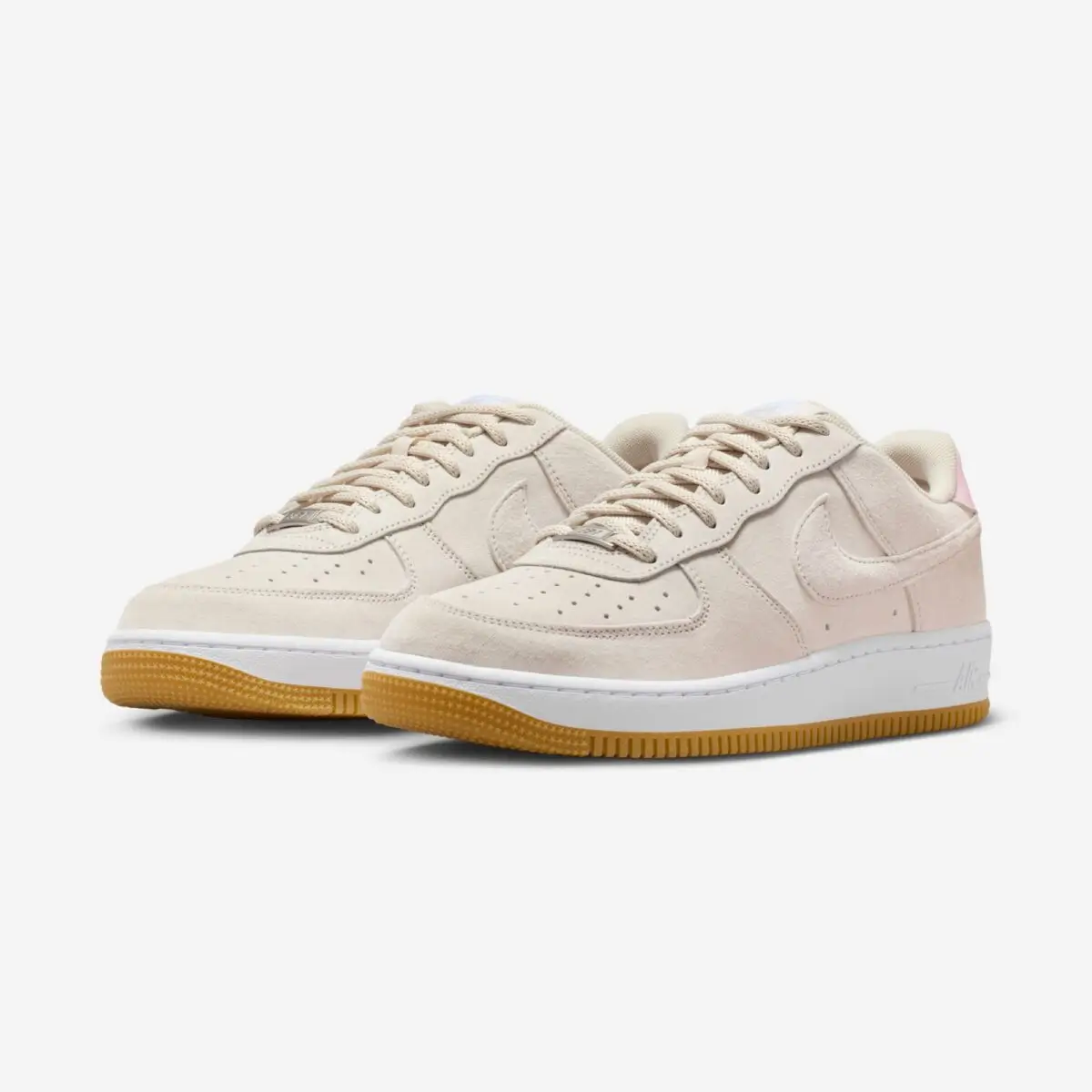
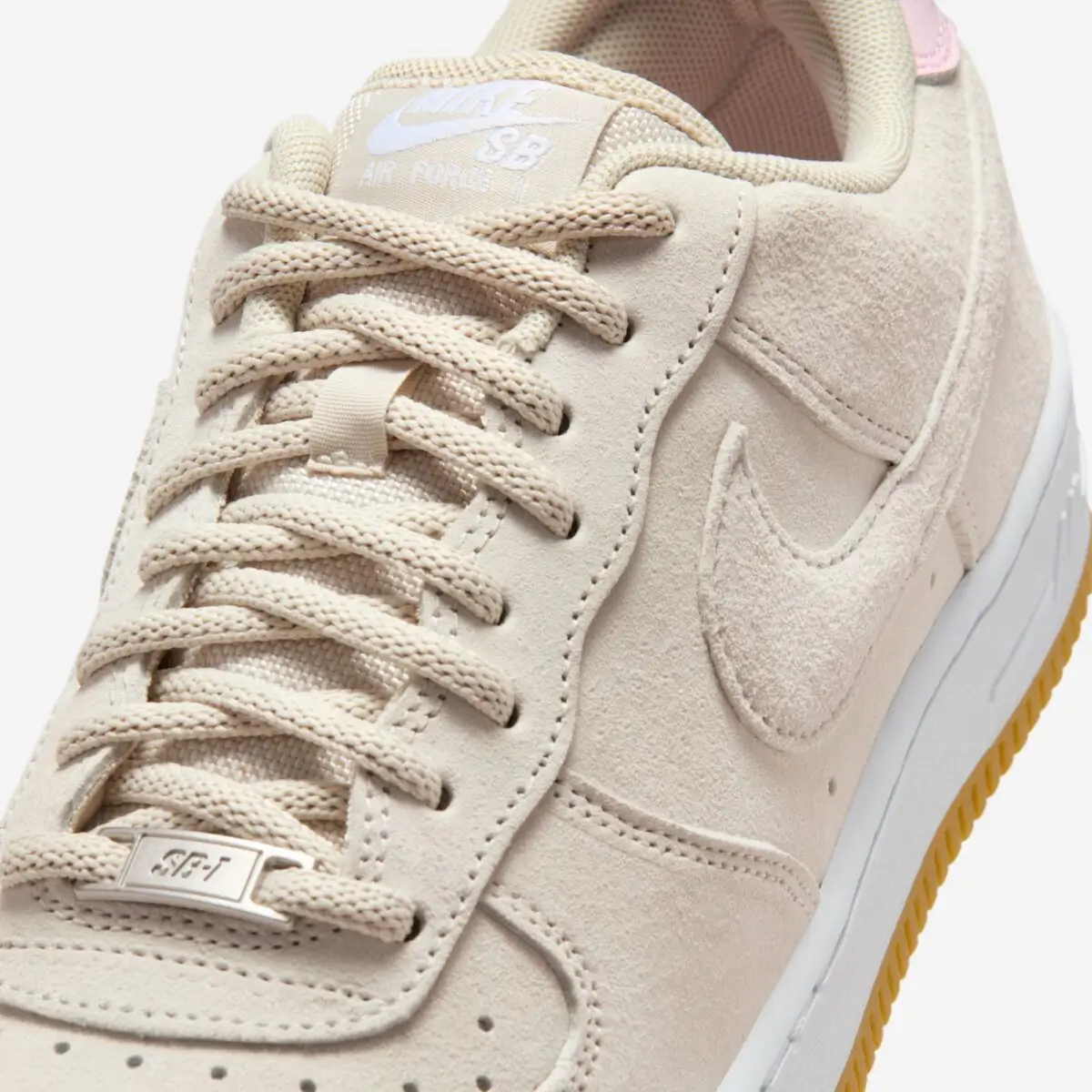
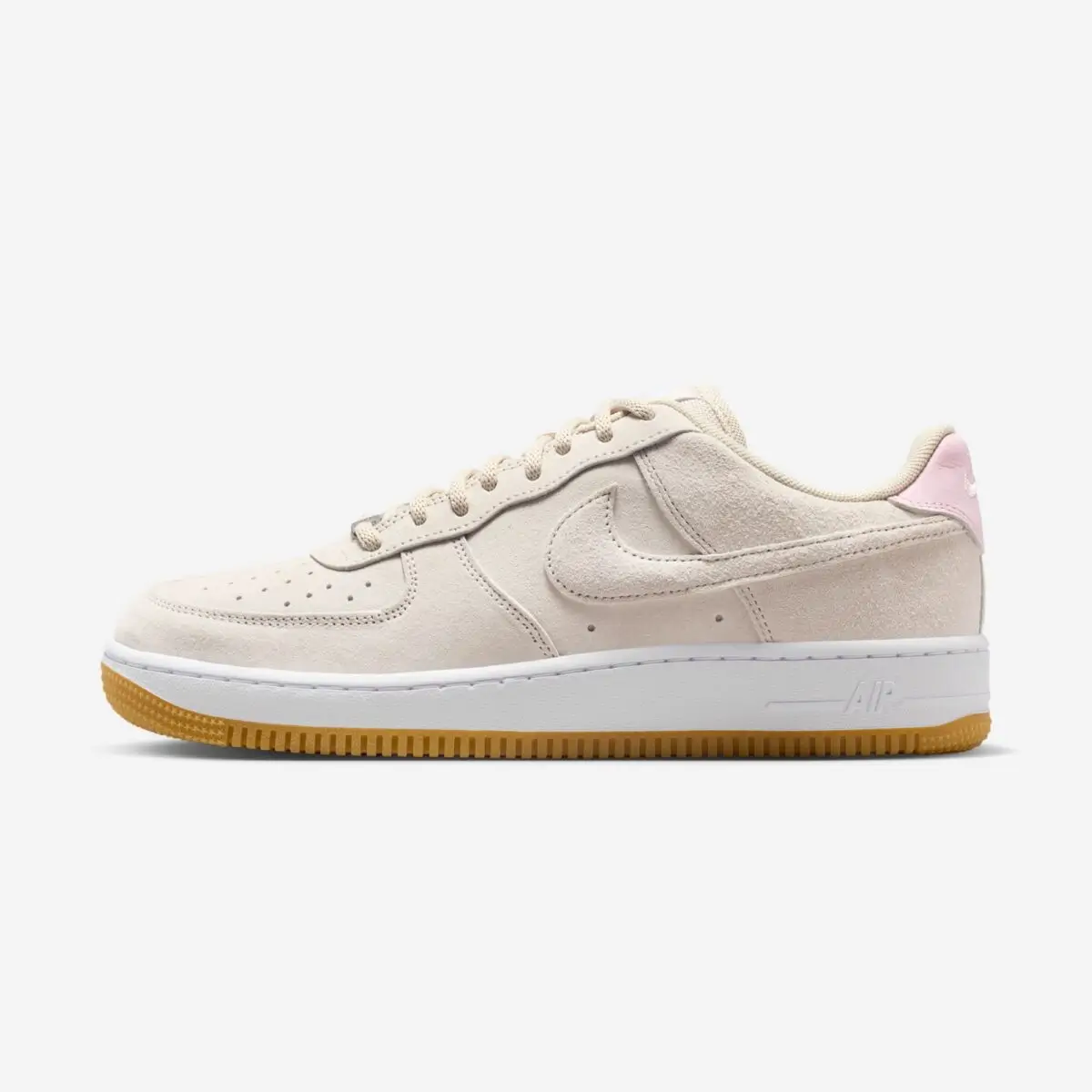
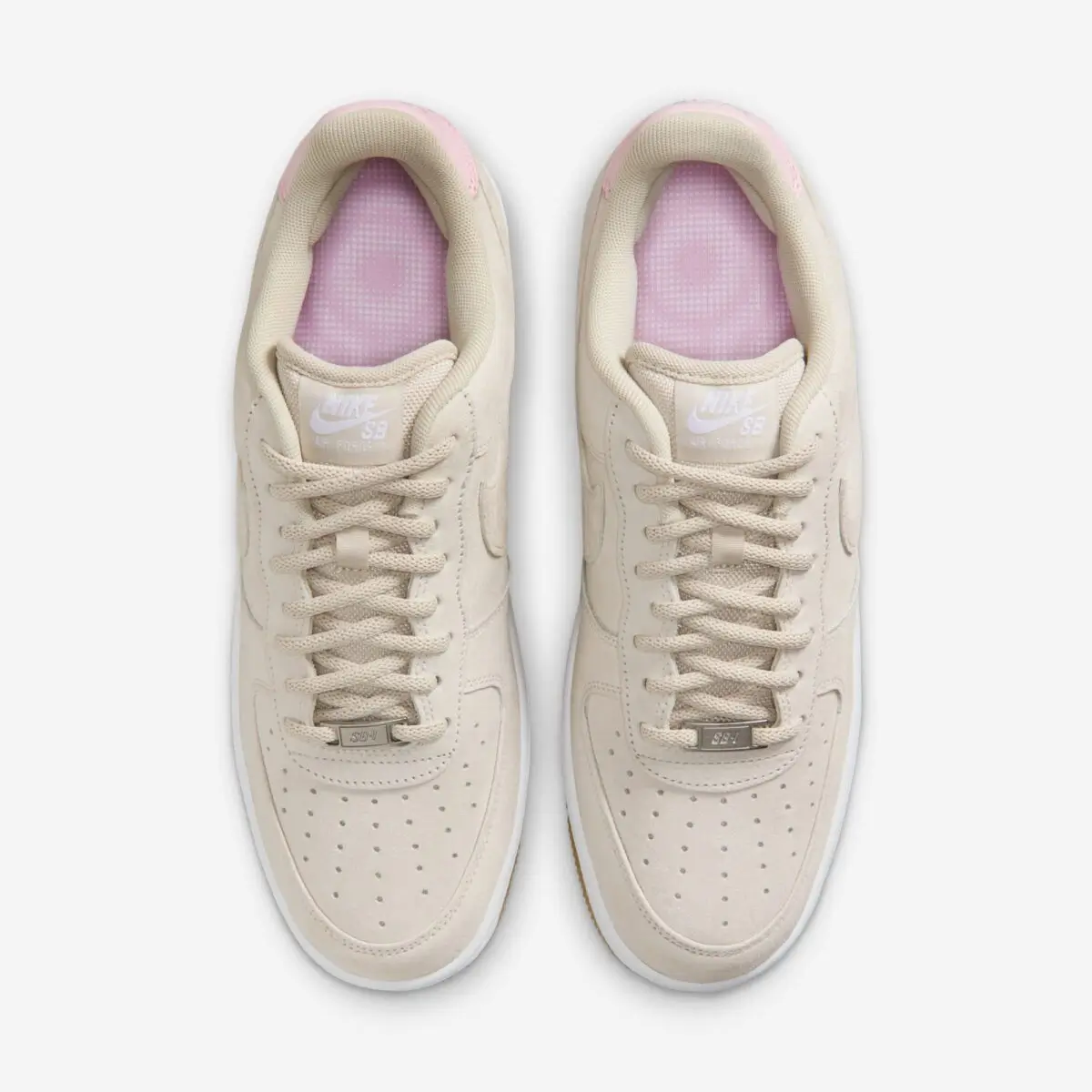
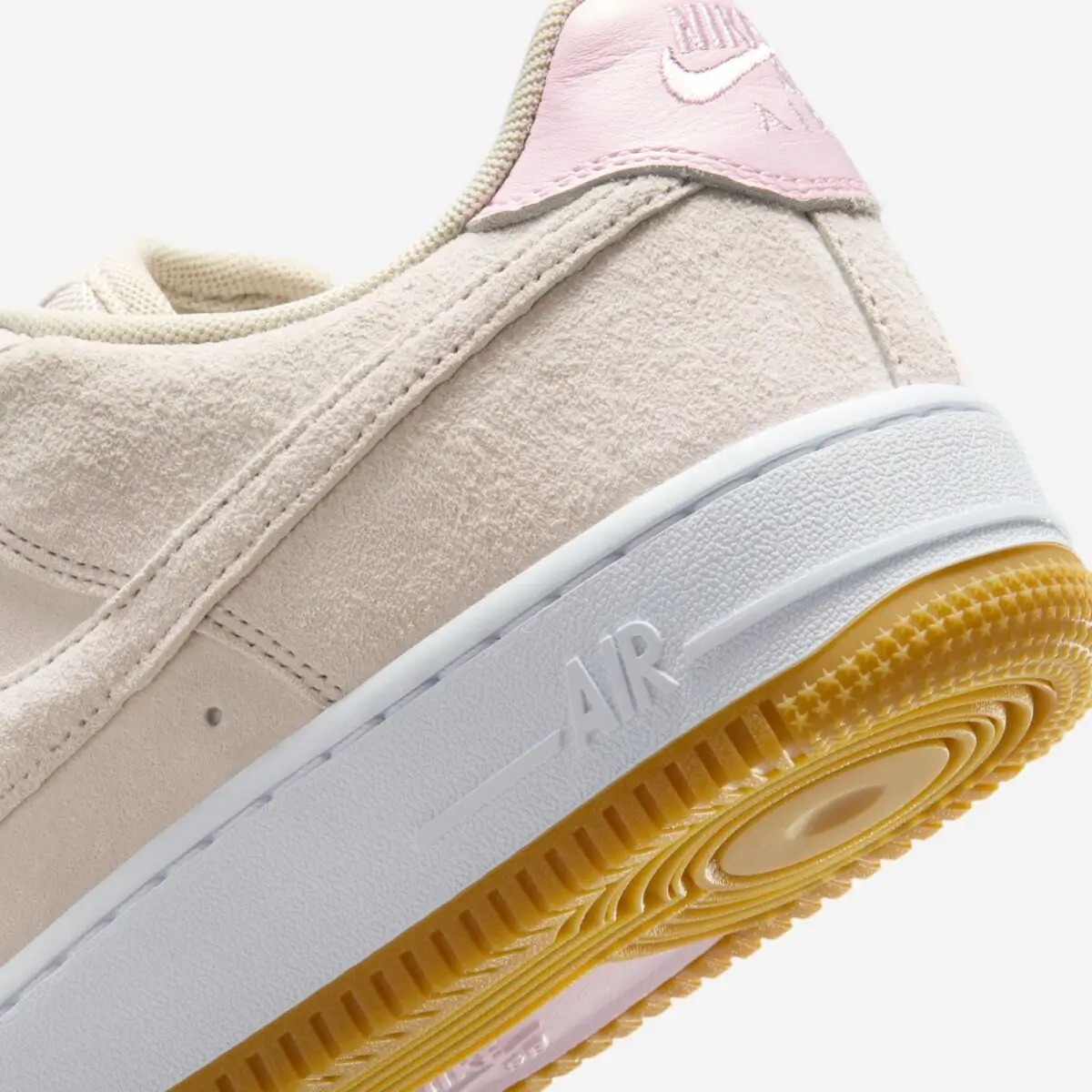
There is something quietly deliberate about the way Nike SB continues to revisit the Air Force 1 Low. Not as nostalgia, and not quite as reinvention either—but as calibration. Each iteration feels like a negotiation between what the shoe has always been and what it needs to become when filtered through skateboarding’s functional demands. The “Light Orewood Brown” edition sits firmly in that space: restrained, tactile, and engineered with subtle intent rather than spectacle.
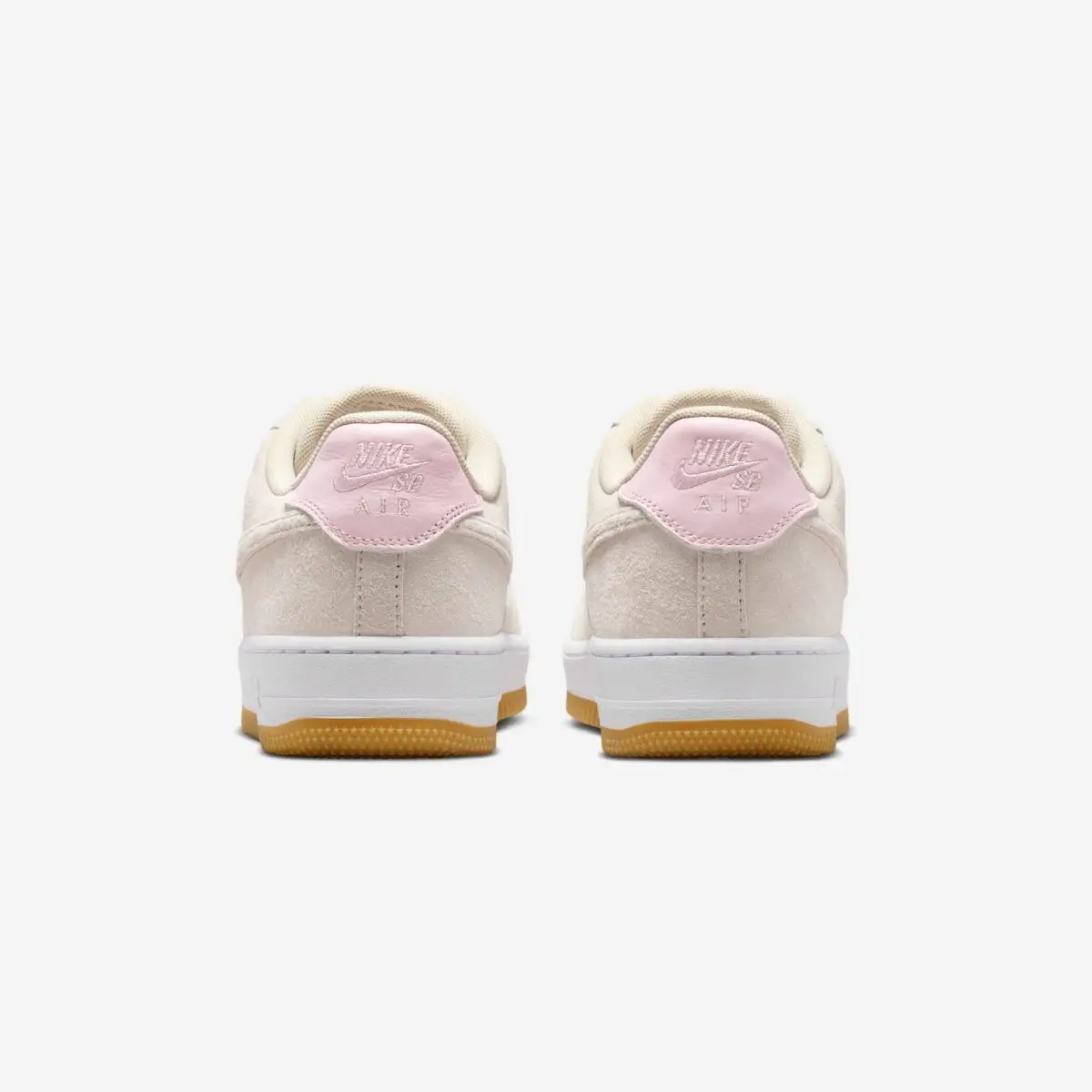
At first glance, the color reads as neutral—almost indistinct. A soft beige, hovering between sand and chalk, diffused enough to resist categorization. But that ambiguity is precisely the point. “Light Orewood Brown” doesn’t announce itself; it absorbs context. It takes on the environment—concrete, asphalt, indoor ramps—and softens against it, creating a visual quietness that feels aligned with skate culture’s more introspective edge.
flow
The upper is constructed primarily in suede, but not the overly brushed, delicate kind often reserved for lifestyle releases. Instead, this suede carries density. It feels compact, slightly resistant, built to withstand abrasion rather than simply age into it. The tactility matters here: skateboarding is not gentle, and every material choice is a negotiation with friction.
Paneling remains faithful to the original Air Force 1 blueprint, yet the execution is sharpened. Edges feel cleaner, transitions tighter. There’s a sense that the shoe has been refined not through redesign, but through pressure—tested, worn, adjusted, and then quietly perfected.
The Swoosh integrates seamlessly into the tonal palette, offering contrast only through texture rather than color. This is where Nike SB’s design language becomes evident: restraint as a form of control. Nothing is exaggerated. Nothing is unnecessary.
fx
What separates a Nike SB Air Force 1 from its standard counterpart is not immediately visible—but it is deeply felt. Internally, the modifications speak to performance: a padded tongue that feels more substantial, offering both protection and stability; a Zoom Air unit embedded in the heel, designed to absorb impact without disrupting board feel.
This is the paradox Nike SB continues to refine—cushioning without disconnection. The rider needs protection, but not at the expense of sensitivity. The board must still be read, understood, responded to in real time. The “Light Orewood Brown” delivers that balance with precision.
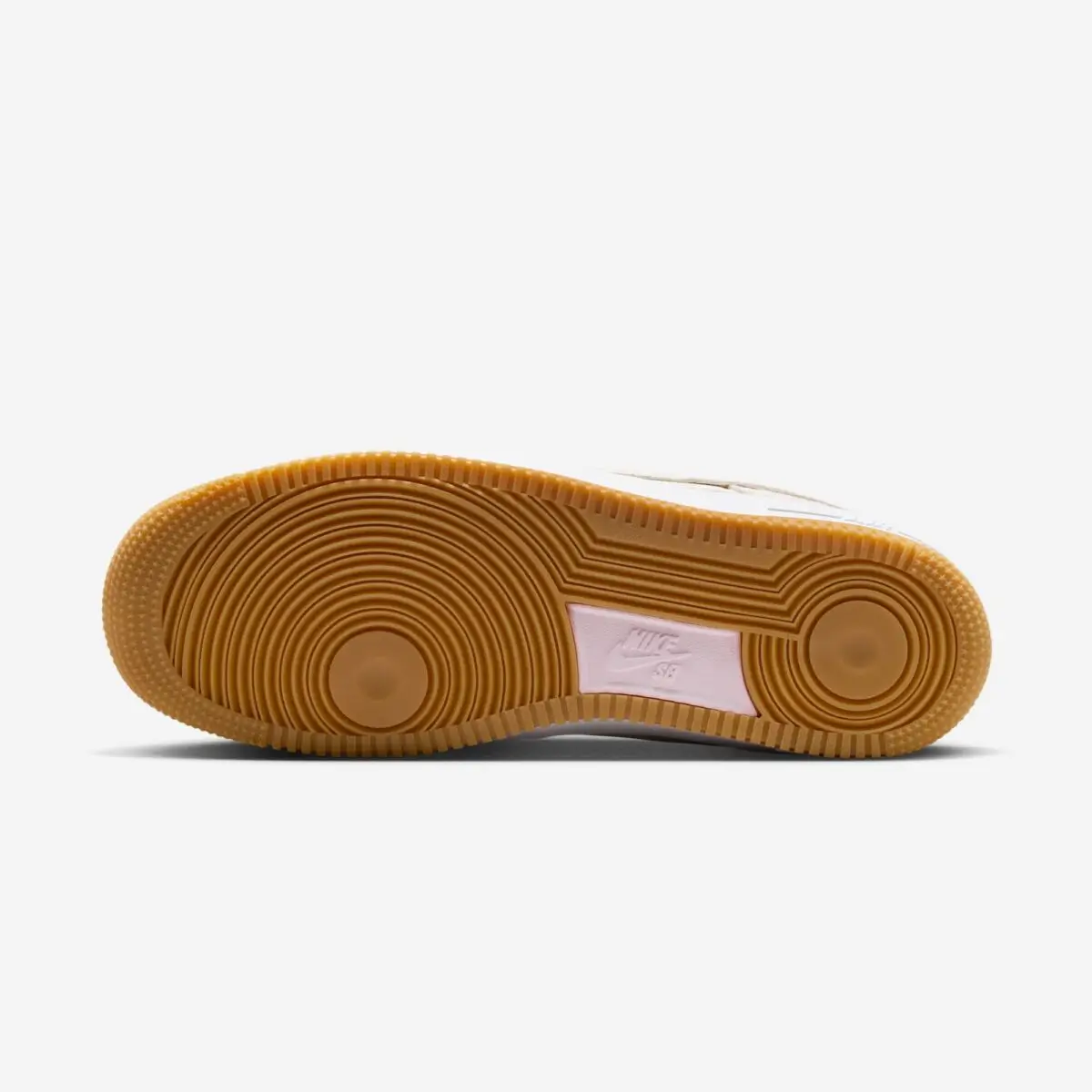
The outsole, finished in a gum rubber tone, reinforces this duality. Aesthetic warmth meets functional grip. Gum soles have long been associated with skateboarding not just for their visual appeal, but for their reliable traction. Here, it anchors the upper’s softness with something more grounded, more tactile against the pavement.
View this post on Instagram
show
“Light Orewood Brown” is less a colorway and more a condition. It operates within a spectrum of neutrality that feels intentional in today’s overstimulated release landscape. Where many sneakers rely on contrast and saturation to capture attention, this pair does the opposite—it withdraws.
That withdrawal becomes its strength. It allows the wearer to define the shoe, rather than the other way around. In motion, on-foot, the color shifts subtly depending on light and setting. Under harsh sunlight, it leans warmer, almost sandy. In shadow, it cools, taking on a more muted, greyed tone.
This adaptability mirrors the environments it’s designed for. Urban skate spots are rarely static—they are layered, textured, constantly shifting. A shoe that can exist within those fluctuations without dominating them feels more aligned with the culture itself.
trade
The Nike Air Force 1 has always carried weight—culturally, historically, stylistically. Translating that into skateboarding is not a simple process. It requires restraint, but also a willingness to alter fundamentals.
Nike SB doesn’t overwrite the Air Force 1. It edits it. Reinforces stress points. Adjusts proportions internally. Softens certain areas while strengthening others. The result is a version of the AF1 that feels familiar, yet distinctly recalibrated.
In the “Light Orewood Brown,” that recalibration is particularly refined. There’s no reliance on storytelling gimmicks or overt collaborations. Instead, the focus remains on execution—material, construction, performance.
stance
Perhaps the most compelling aspect of this release is how it anticipates wear. Suede, especially in lighter tones, is inherently reactive. It darkens, scuffs, evolves. Over time, the “Light Orewood Brown” will not remain pristine—and it isn’t meant to.
Each mark becomes part of the shoe’s identity. A record of movement, impact, repetition. In this sense, the design extends beyond its initial form. It is incomplete until worn.
This aligns with skateboarding’s broader ethos: nothing remains untouched. Surfaces are meant to be altered, reinterpreted, used. The shoe becomes an extension of that philosophy—not just a tool, but a participant.
idea
Within Nike SB’s broader output, the “Light Orewood Brown” sits on the quieter end of the spectrum. It doesn’t compete with high-profile collaborations or concept-driven releases. Instead, it offers something more enduring—a foundational model that prioritizes longevity over immediacy.
In a market often driven by urgency—limited drops, rapid sellouts, constant turnover—this kind of release feels almost resistant. It suggests a different pace. One where value is derived not from scarcity, but from sustained use.
That positioning is increasingly relevant. As sneaker culture matures, there is a growing appreciation for pieces that can exist beyond the initial moment of acquisition. Shoes that improve with time, rather than simply depreciate.
fin
There is a confidence in restraint, and the Nike SB x Air Force 1 Low “Light Orewood Brown” embodies that principle fully. It doesn’t attempt to redefine the silhouette, nor does it rely on external narratives to justify its existence.
Instead, it focuses inward—on construction, on feel, on the relationship between material and movement.
It is, ultimately, a shoe that understands its context. Not just within Nike’s archive, but within skateboarding itself. It recognizes that performance does not need to be loud, and that design does not need to be overstated to be effective.