Nike Sports Research Lab London: Performance, Rendered in Public Form

March 31, 2026
3 minutes ago
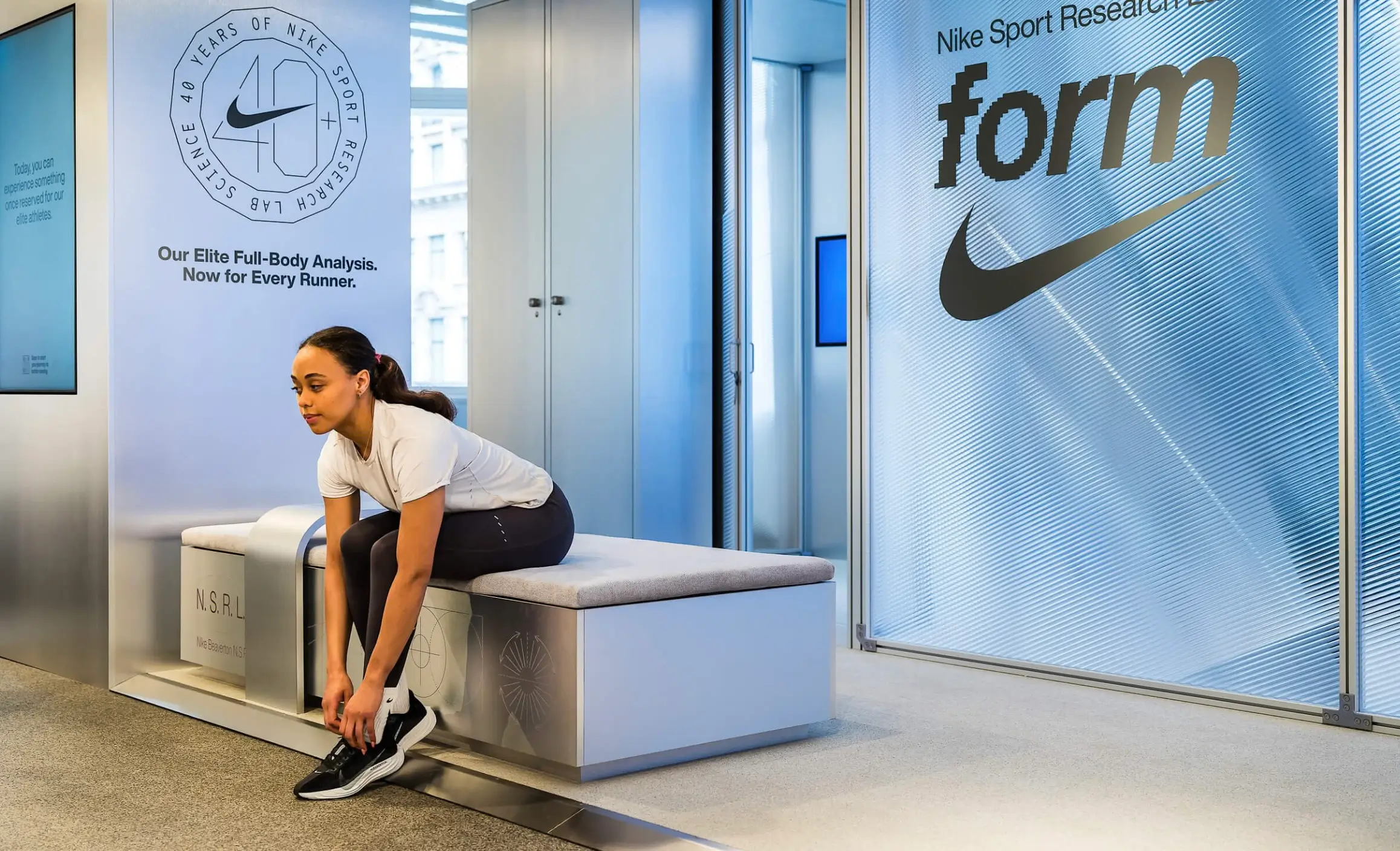
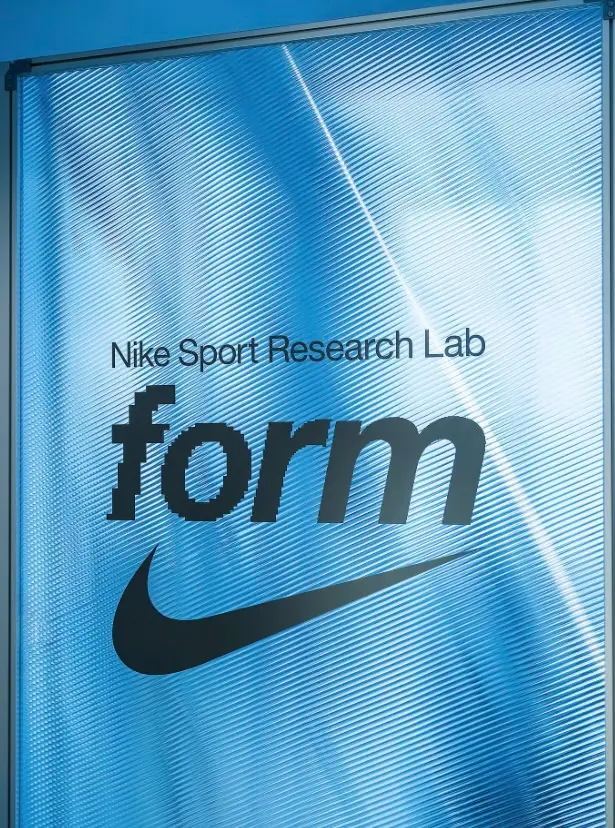
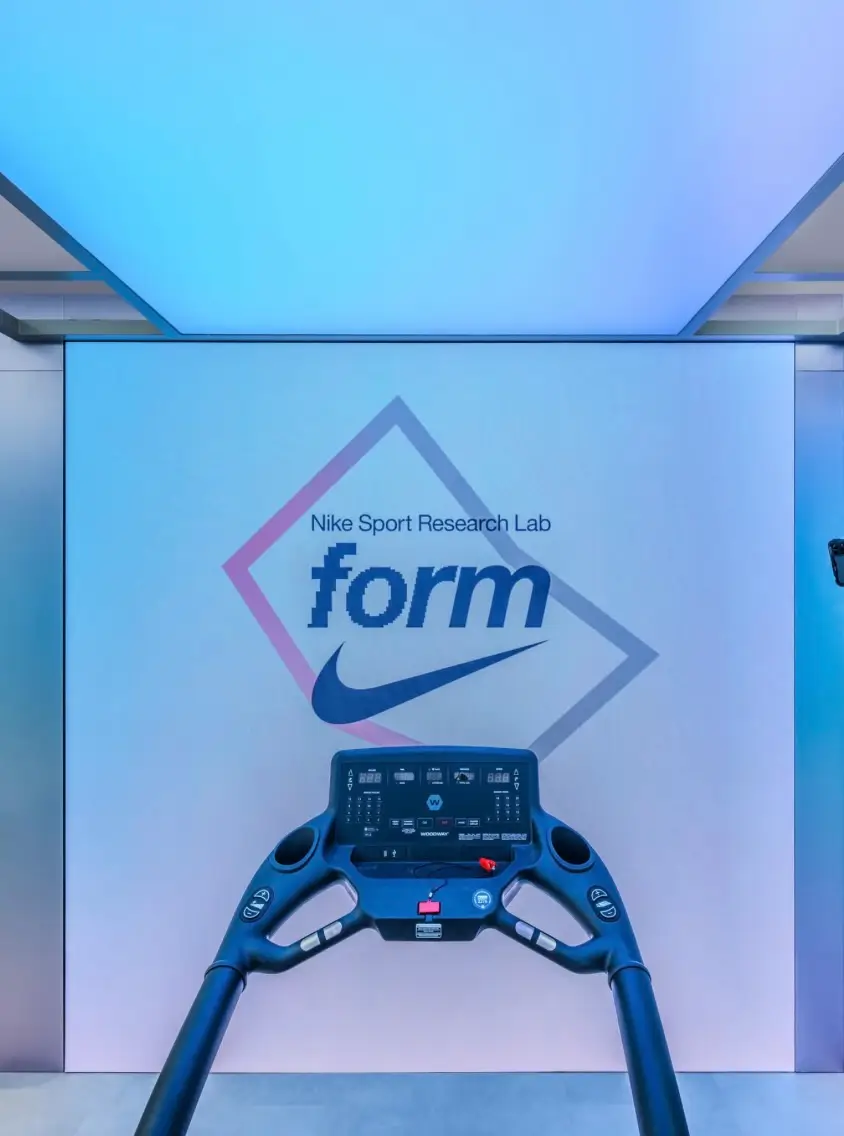
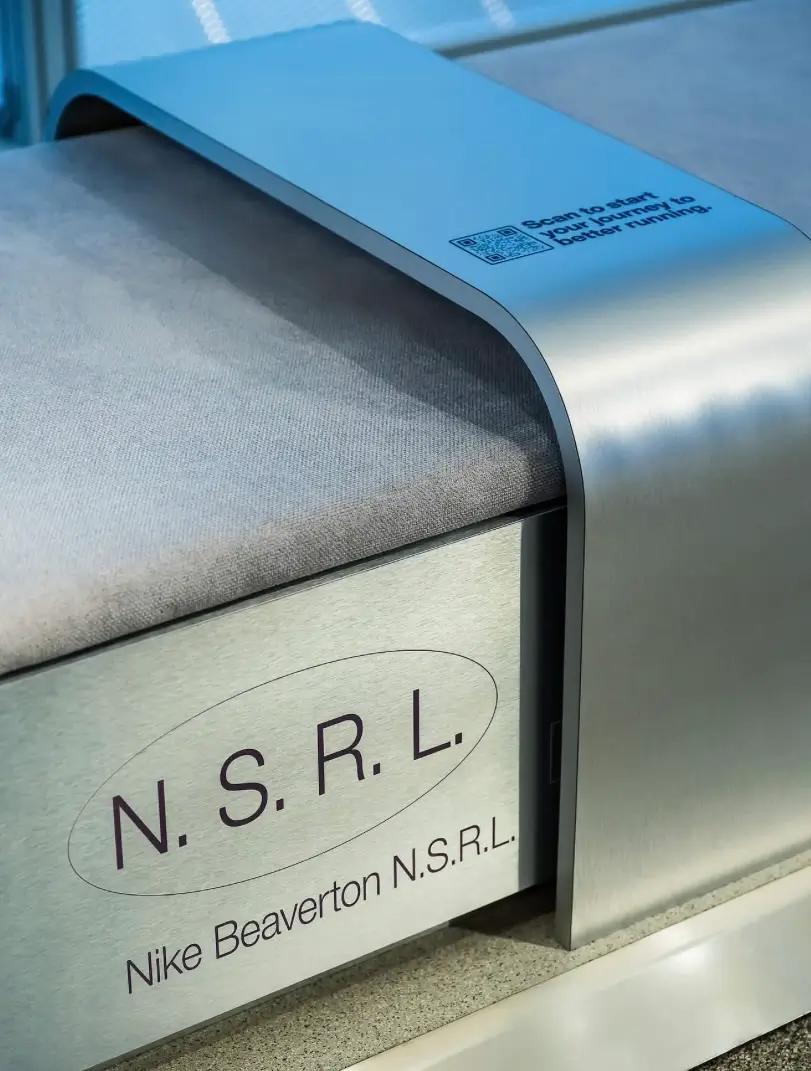
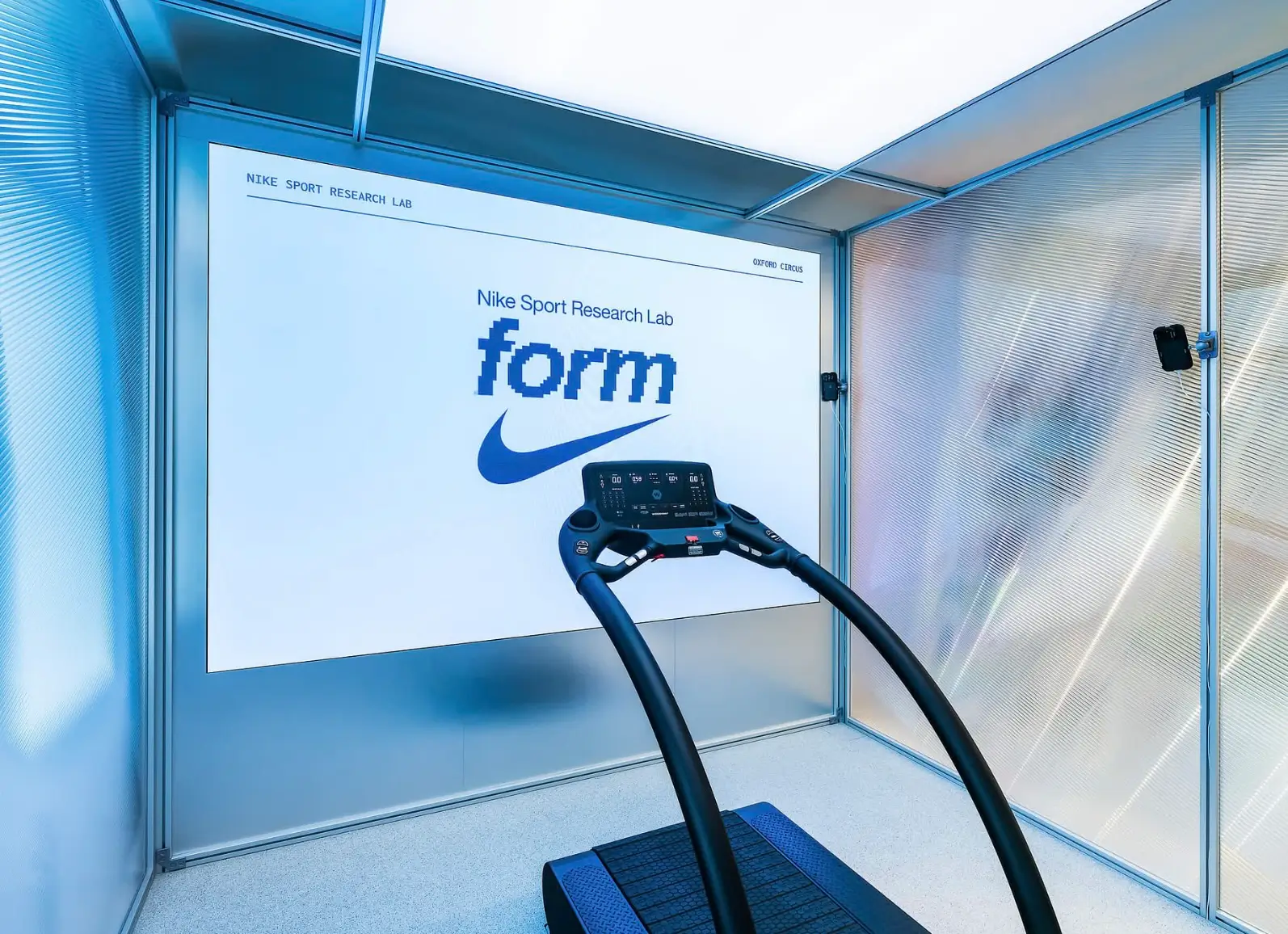
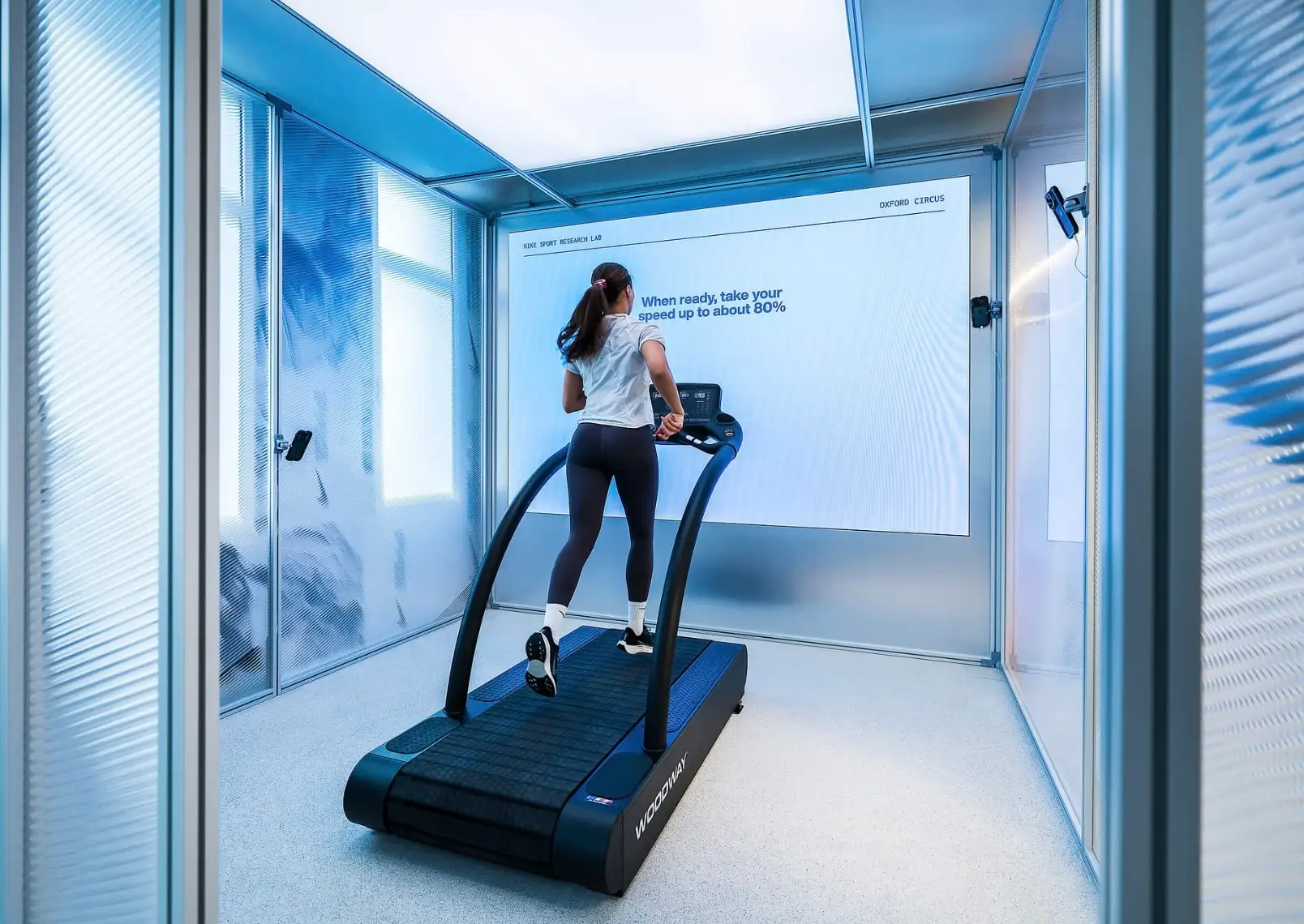
At the intersection of spectacle and science, Nike’s Sports Research Lab activation at Oxford Circus reframes the retail environment as a living system. Not static, not transactional, but kinetic—responsive to bodies, data, and attention. In 2026, the expectation of a store has dissolved into something more elastic. The NSRL pop-up answers that shift with precision.
Set against one of London’s most trafficked intersections, the space operates less like a flagship and more like a hypothesis. What happens when performance science is made visible? When consumer interaction becomes input? When retail ceases to sell and instead tests, measures, and adapts?
The answer is not a singular experience, but a sequence—each visitor moving through zones that feel closer to a laboratory protocol than a merchandising floor.
View this post on Instagram
a study
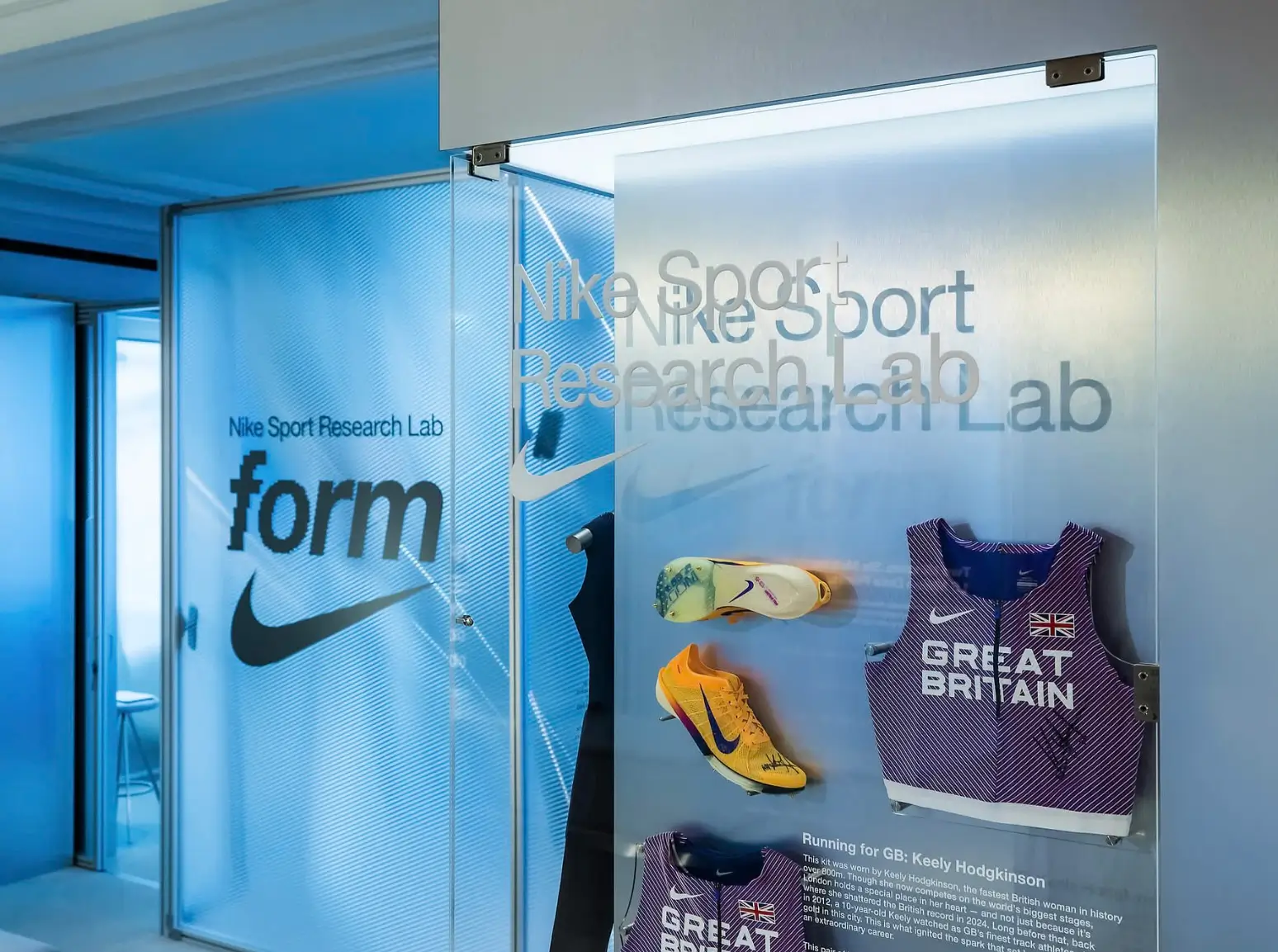
From the street, the NSRL activation reads as both architectural intervention and coded message. A restrained yet unmistakable façade interrupts the visual noise of Oxford Circus. The familiar Swoosh is present, but treated almost clinically—less logo, more marker.
There is no excess ornamentation. Instead, the exterior leans into material clarity: glass, steel, light. Transparency becomes both literal and conceptual. Passersby are offered glimpses inside—figures in motion, bodies under analysis, surfaces reacting to touch.
In a retail landscape often defined by maximalist visual capture, Nike opts for something more deliberate. The restraint functions as contrast. It invites curiosity not through overload, but through absence—suggesting that what lies inside is not decoration, but process.
flow
Crossing into the space feels less like entering a store and more like stepping into a controlled environment. The acoustics shift. Lighting narrows. Surfaces soften underfoot, calibrated to subtly alter gait and perception.
The architecture does not guide with signage but with flow. Visitors are pulled forward by movement—screens responding to proximity, zones revealing themselves sequentially. The choreography is intentional. There is no immediate access to product racks or checkout counters. Instead, the visitor is initiated into a system.
This is retail reconfigured as narrative. The opening act is not acquisition, but orientation.
cept
At the core of the NSRL concept lies its most compelling feature: the athlete testing stations. These are not symbolic installations, but functional interfaces—bridging consumer curiosity with the methodologies of Nike Sports Research Labitself.
Participants are invited to engage directly. Foot pressure mapping reveals the unseen architecture of movement. Motion capture rigs translate stride into data visualizations. Reaction time tests reduce instinct to measurable intervals.
The experience is immediate, almost confrontational. Visitors see themselves rendered as systems—inputs and outputs, inefficiencies and optimizations.
What distinguishes this from traditional retail technology is its lack of simplification. The data is not overly aestheticized or gamified. It retains a degree of complexity, signaling that this is not entertainment disguised as science, but science made accessible.
In doing so, Nike collapses the distance between elite athlete research and everyday consumer engagement. The lab is no longer hidden in Beaverton or reserved for professionals. It is here, in the center of London, operating in real time.
show
Product exists within the space, but never as static inventory. Instead, it is embedded within responsive environments. Footwear walls shift illumination based on movement patterns captured in the lab zones. Apparel displays animate according to biomechanical data streams.
The effect is subtle yet profound. Products are not merely presented; they are contextualized within performance narratives. A running shoe is not just seen—it is linked to stride efficiency, pressure distribution, energy return.
This approach aligns with a broader 2026 trend: the dissolution of the passive display. Retail environments are increasingly expected to respond, to adapt, to communicate. Nike extends this logic further, positioning merchandise as outputs of research rather than isolated objects.
stir
The NSRL activation resists the temptation toward sensory overload—a common pitfall in experiential retail. Instead, it operates within a controlled spectrum. Sound design is directional, not ambient. Light is precise, not theatrical. Screens are informative, not decorative.
This calibration reflects a deeper understanding of attention. In an era of constant stimulation, restraint becomes a form of luxury. The space allows for focus—on movement, on data, on interaction.
The result is an environment that feels both immersive and composed. Visitors are engaged, but not overwhelmed. The experience unfolds at a pace that mirrors the body’s own rhythms.
region
To situate the NSRL pop-up at Oxford Circus is to engage directly with one of the most complex retail ecosystems in the world. The location is not incidental. It is strategic.
Oxford Circus operates as a convergence point—of tourists, commuters, shoppers, and cultural observers. It is a site of constant motion, where attention is fragmented and competition is relentless.
By inserting a research-driven activation into this environment, Nike performs a kind of spatial inversion. The chaos of the street is met with the control of the lab. The unpredictability of urban flow is countered by the precision of performance science.
This tension becomes part of the experience. Visitors move from disorder into system, from noise into clarity. The contrast amplifies the impact of the space.
View this post on Instagram
xp
The NSRL activation does not emerge in isolation. It is part of a broader recalibration of retail in 2026—where experience is no longer an added value, but a baseline expectation.
Consumers have grown accustomed to environments that offer more than products. They seek interaction, personalization, narrative. The success of a space is measured not only in sales, but in engagement, in memorability, in shareability.
Nike’s approach acknowledges this shift, but avoids the superficiality that often accompanies it. The experience is not layered onto the product; it is derived from the same principles that inform the product’s design.
This coherence is critical. It ensures that the activation feels authentic, not performative.
narrative
At its core, the NSRL pop-up is an exercise in storytelling—but one grounded in function rather than fiction. The narrative is built from data, from movement, from the mechanics of the body.
Each zone contributes a chapter. The testing stations reveal the individual. The visual merchandising contextualizes the product. The architecture frames the experience.
Together, they form a cohesive narrative arc: from analysis to application. The visitor becomes both subject and participant, moving through a story that is partially authored by their own interaction.
This form of storytelling aligns with Nike’s broader brand ethos—where performance is not just a claim, but a process.
imagine
The photographic documentation of the NSRL activation captures more than surfaces. It records the interplay of bodies and systems, of light and motion.
Images of the exterior emphasize contrast—the controlled façade against the unpredictability of the street. Interior shots focus on detail: the curvature of surfaces, the precision of interfaces, the moments of interaction between visitor and machine.
What emerges is a visual language that mirrors the space itself—clean, focused, dynamic. The photographs do not attempt to dramatize the environment; they reveal its inherent energy.
In doing so, they extend the experience beyond the physical location, allowing it to circulate within digital spaces.
encounter
Perhaps the most significant shift embodied by the NSRL pop-up is the repositioning of the consumer. No longer a passive observer, the visitor becomes an active participant.
This shift has implications beyond retail. It reflects a broader cultural movement toward agency—where individuals seek to understand, to measure, to optimize their own performance.
Nike taps into this impulse, offering tools and interfaces that make the invisible visible. The body becomes data, but not in a reductive sense. Instead, it becomes a site of exploration.
The experience is both empowering and humbling. It reveals capability, but also limitation. It invites improvement, but resists simplification.
implement
The NSRL activation is temporary by design, but its implications are enduring. It signals a direction for retail that is increasingly hybrid—part store, part laboratory, part cultural space.
Future environments may extend this model further, integrating real-time data, adaptive architecture, and deeper levels of personalization. The boundary between research and retail will continue to blur.
Nike’s experiment at Oxford Circus offers a glimpse of this trajectory. It demonstrates that retail can be more than a point of sale. It can be a site of discovery, of interaction, of transformation.
exam
In the end, the NSRL pop-up functions as a controlled experiment conducted in one of the most uncontrolled environments imaginable. It tests not only products and technologies, but behaviors, expectations, and perceptions.
The results are not quantified in the traditional sense. They are felt—in the movement of bodies through space, in the engagement of visitors, in the resonance of the experience.
Nike does not present conclusions. It presents a system, and invites participation.
fin
What lingers after leaving the NSRL activation is not a specific product or feature, but a sense of precision. Every element of the space—architectural, technological, narrative—feels considered, calibrated, intentional.
In a retail landscape often driven by immediacy and excess, this precision stands out. It suggests a different approach—one that values depth over surface, process over spectacle.
At Oxford Circus, Nike does not simply occupy space. It defines it, reshapes it, and, for a moment, brings the logic of the lab into the rhythm of the city.