Nike Total 90 III SE “Barbed Wire”: A Graphic Recode of a Football Classic

April 7, 2026
1 hour ago
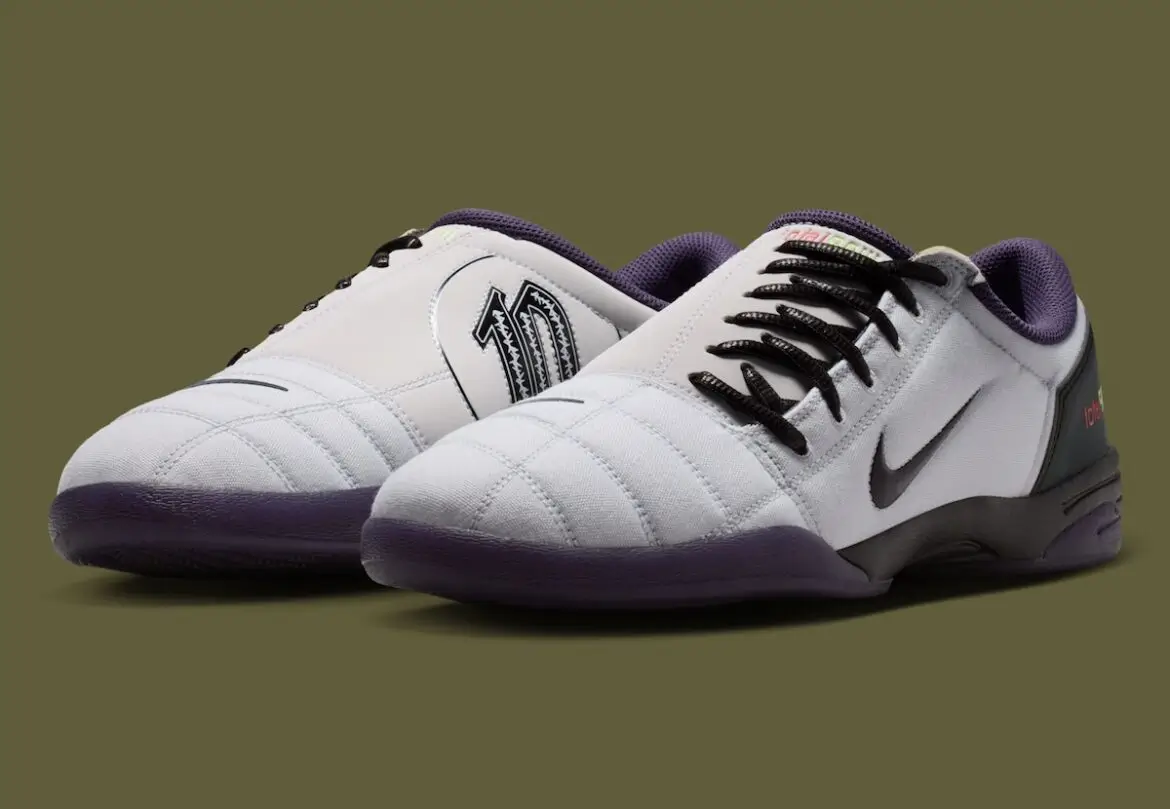
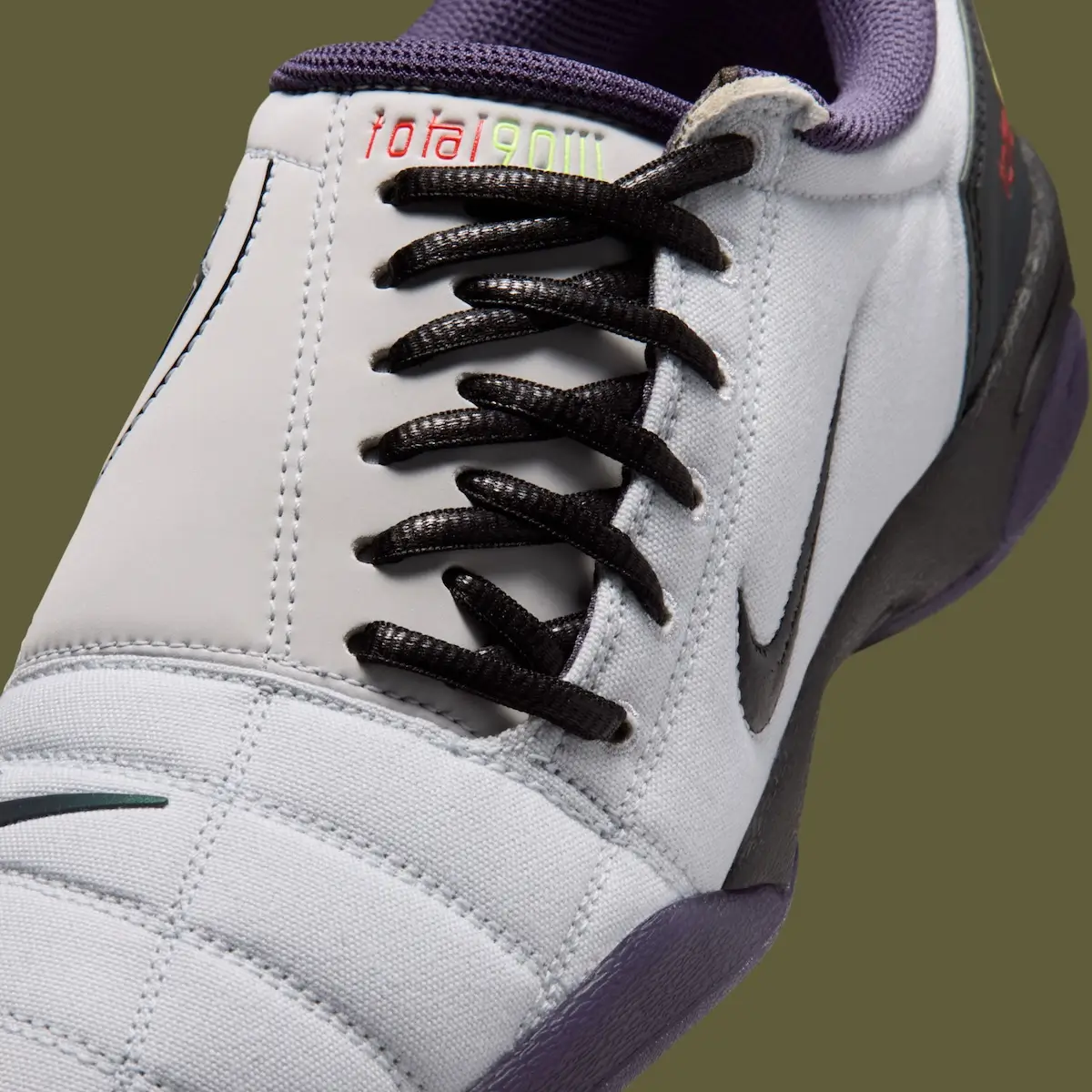
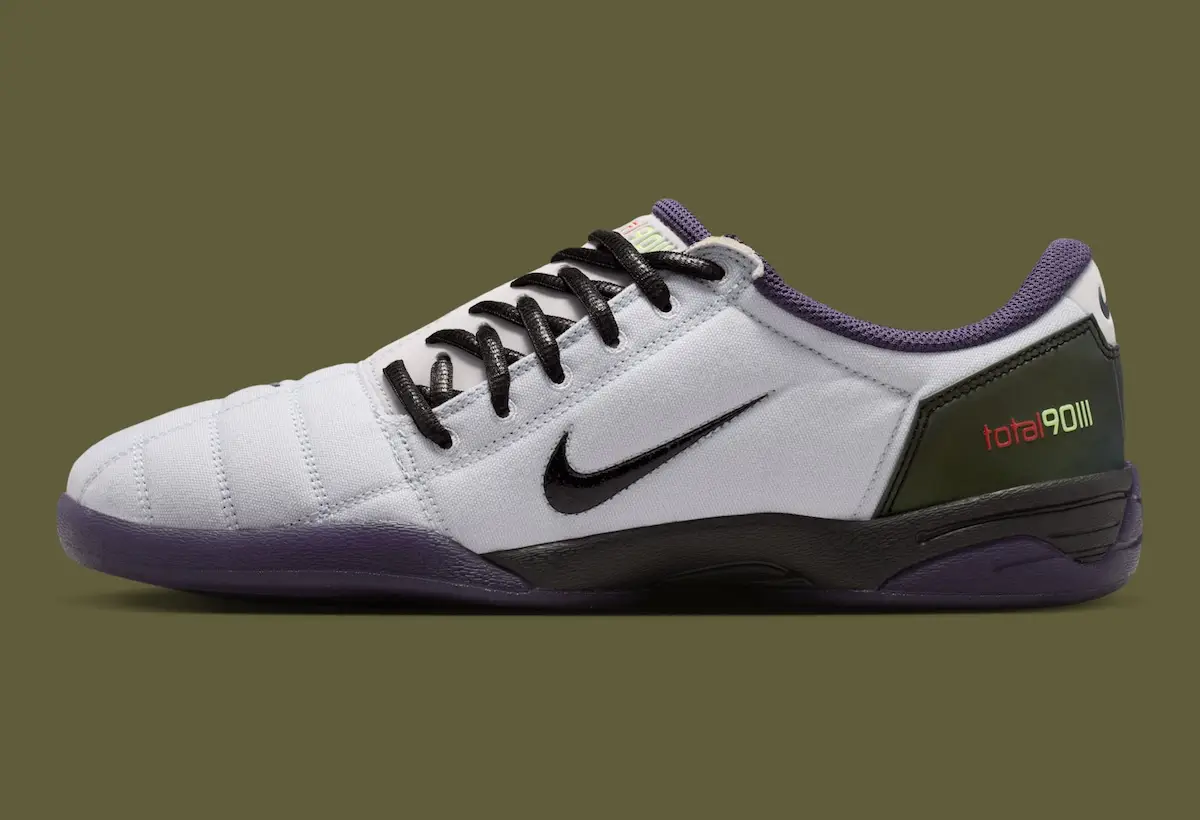
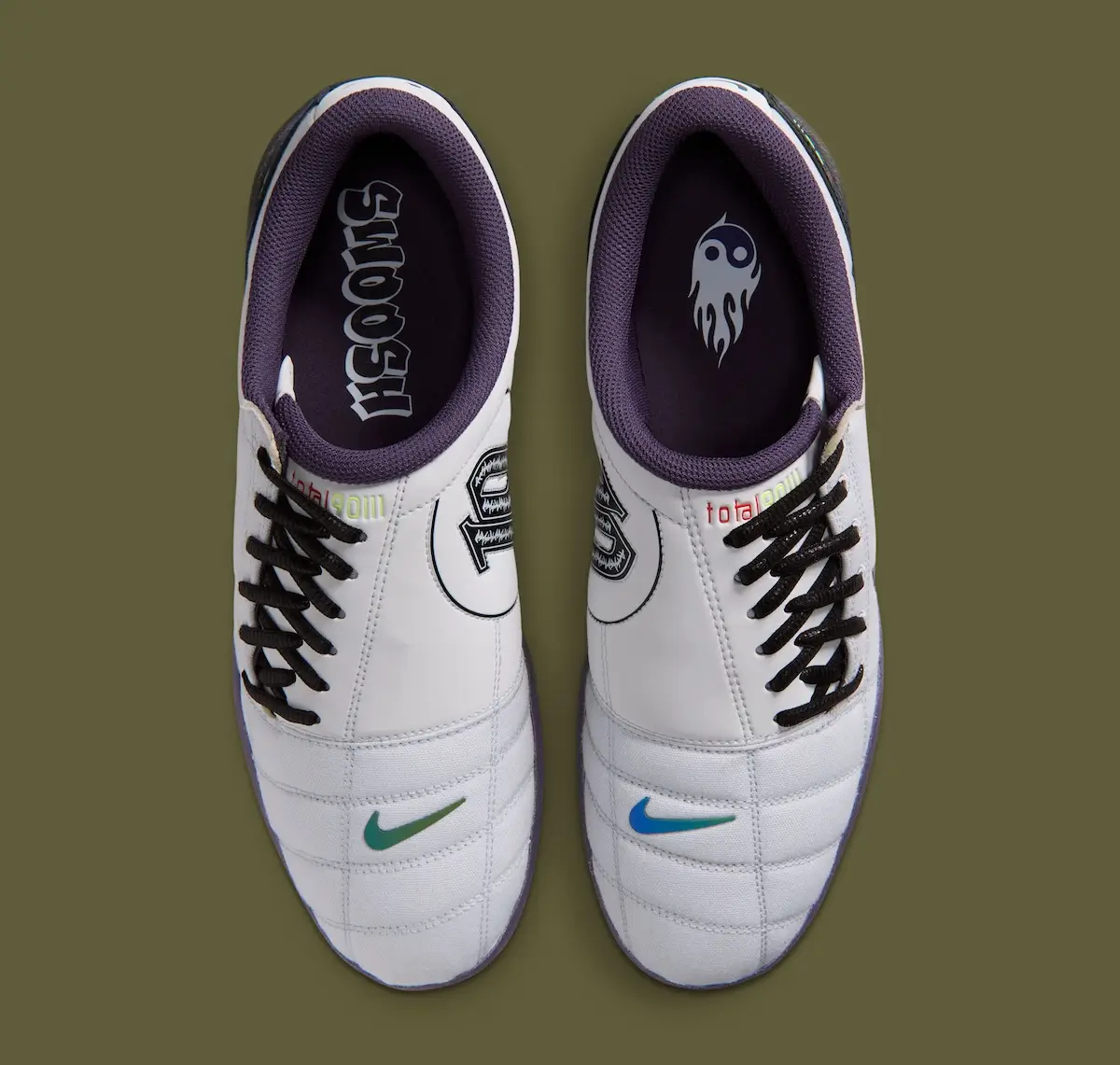
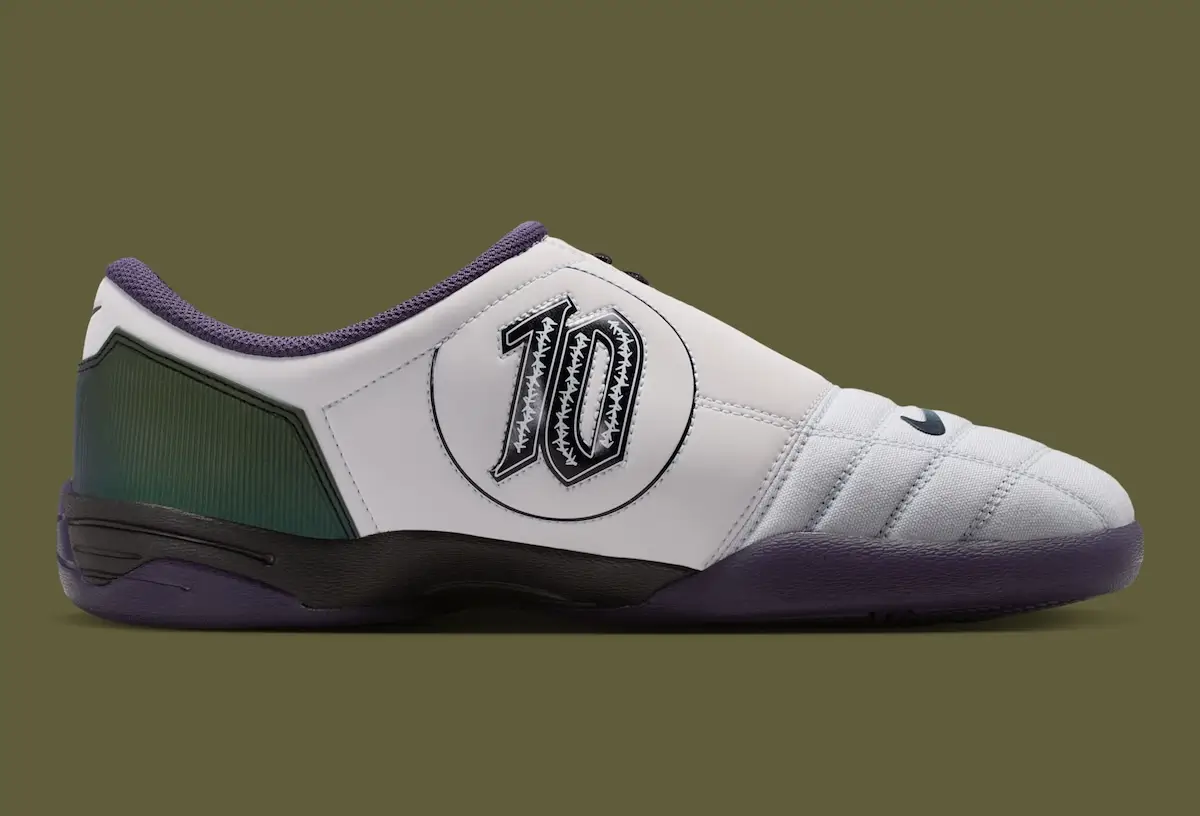
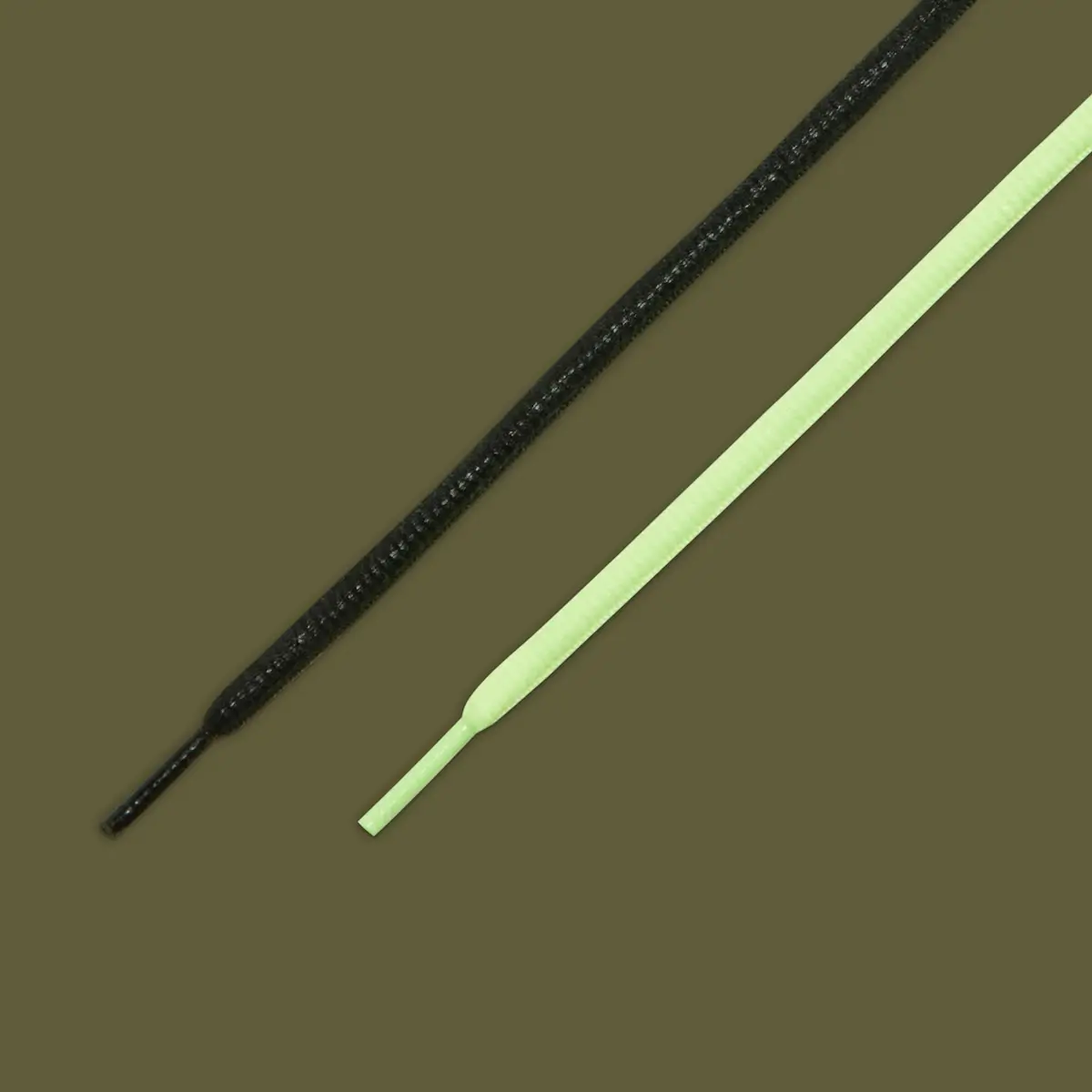
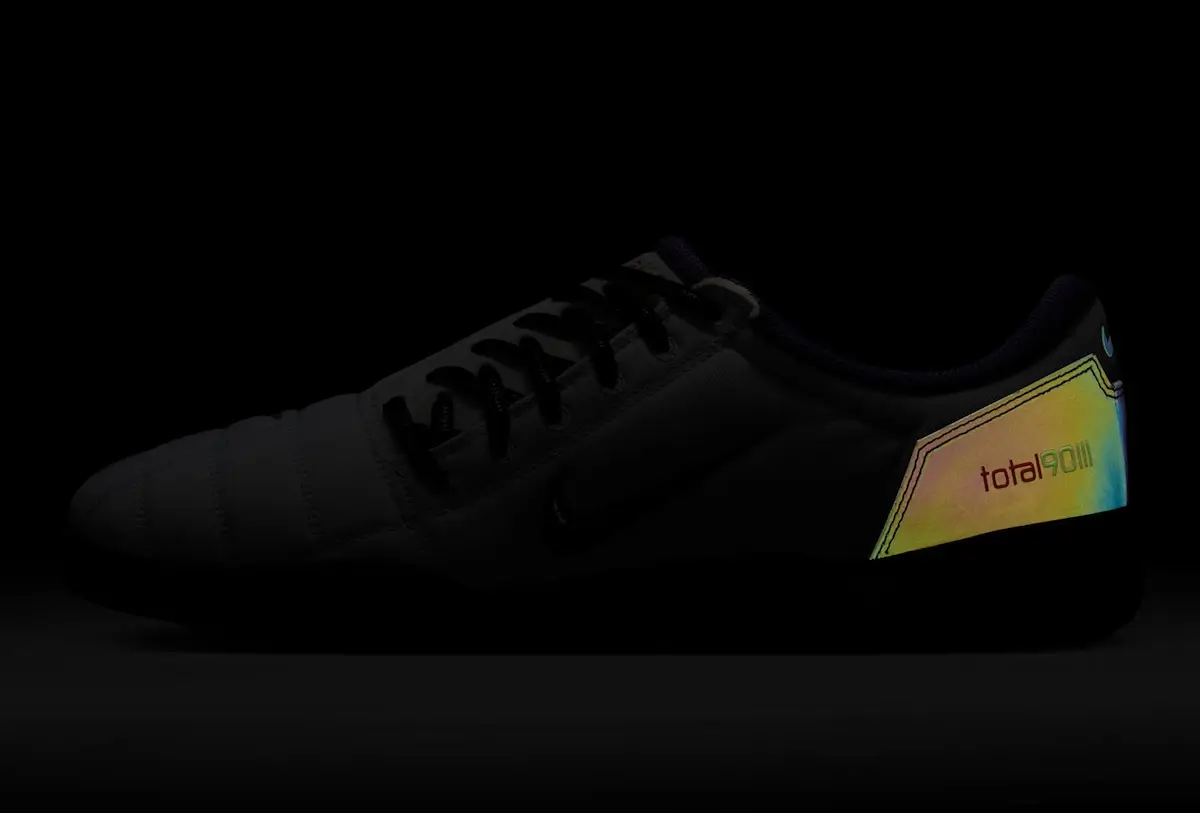
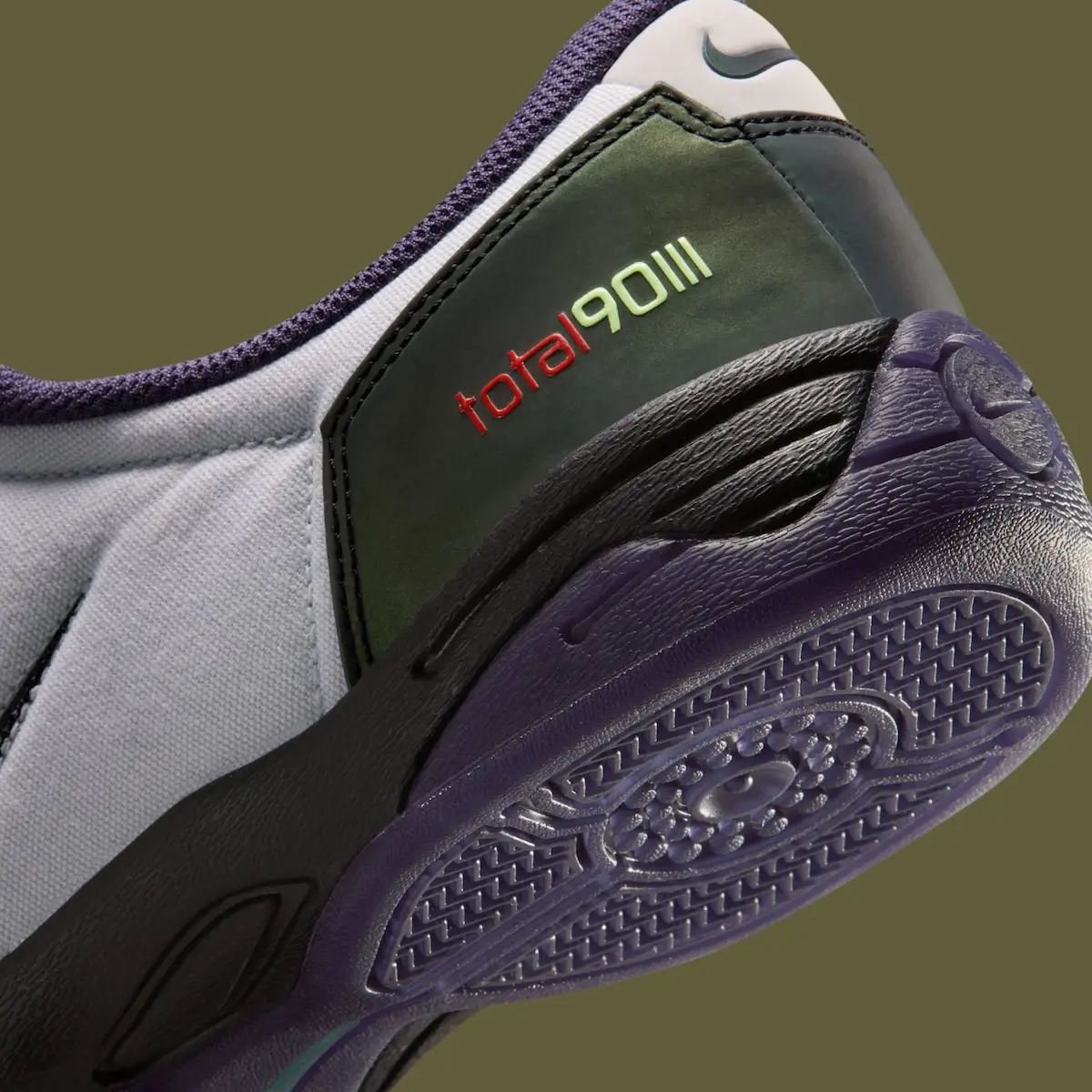
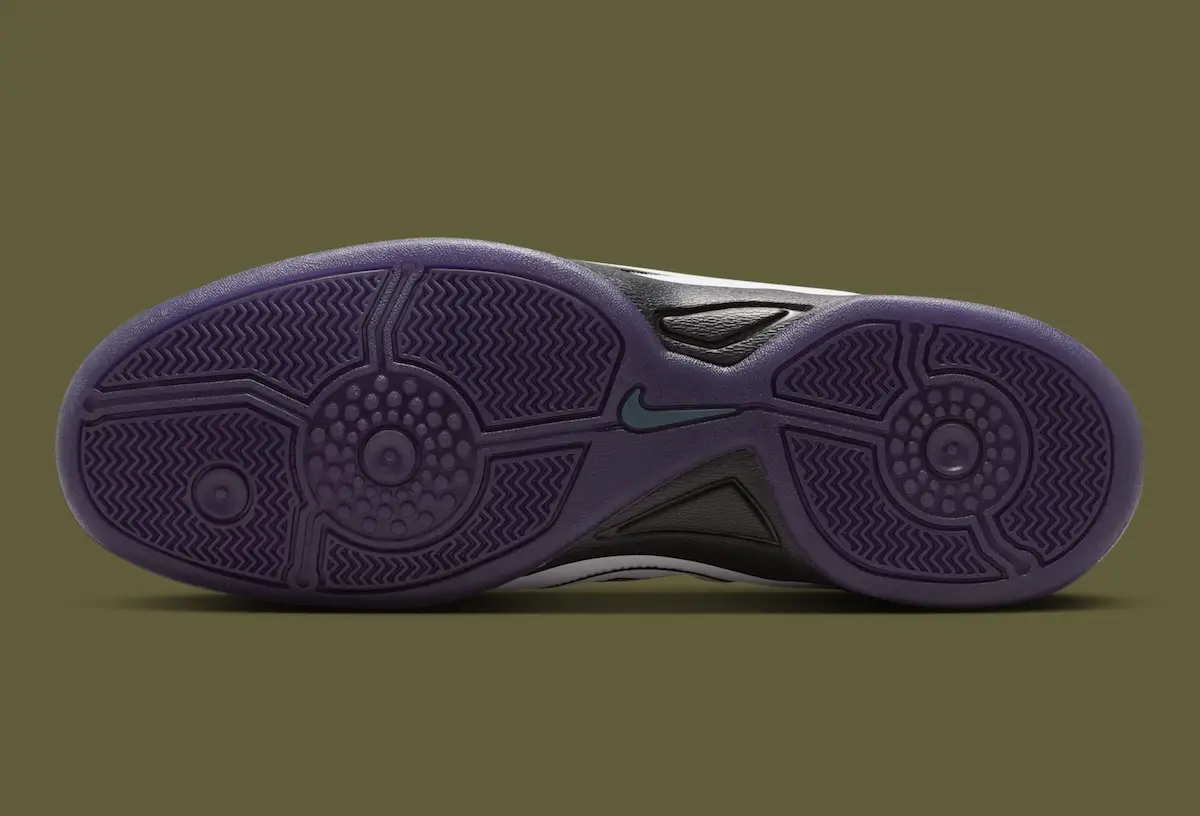
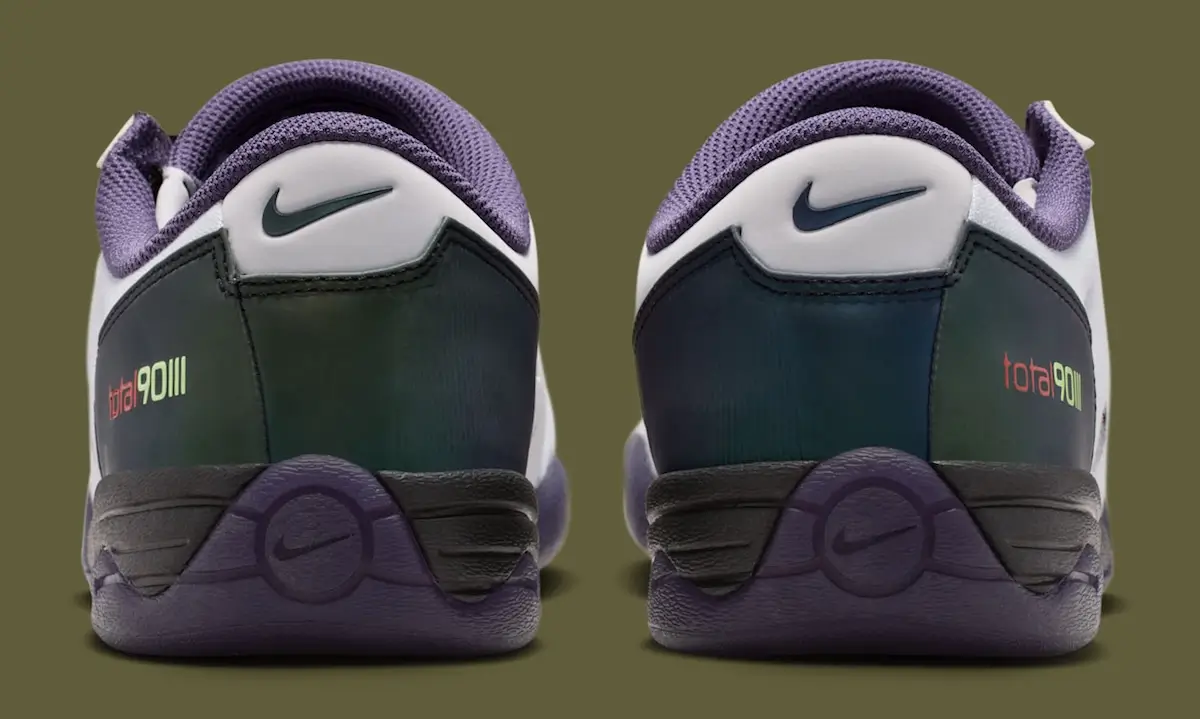
The return of the Total 90 isn’t just another retro cycle—it’s a recalibration. What began as a performance-first football boot in the early 2000s has quietly become one of the most culturally loaded silhouettes in Nike’s archive. And with the Nike Total 90 III SE “Barbed Wire,” that transition from pitch to pavement becomes explicit—less revival, more reinterpretation.
This is not nostalgia in its purest form. It’s nostalgia interrupted.
sil
Before the graphics, before the narrative, the base matters. The Total 90 III remains intact in its most recognizable language: quilted upper, asymmetrical lacing, low-profile stance. That DNA is non-negotiable.
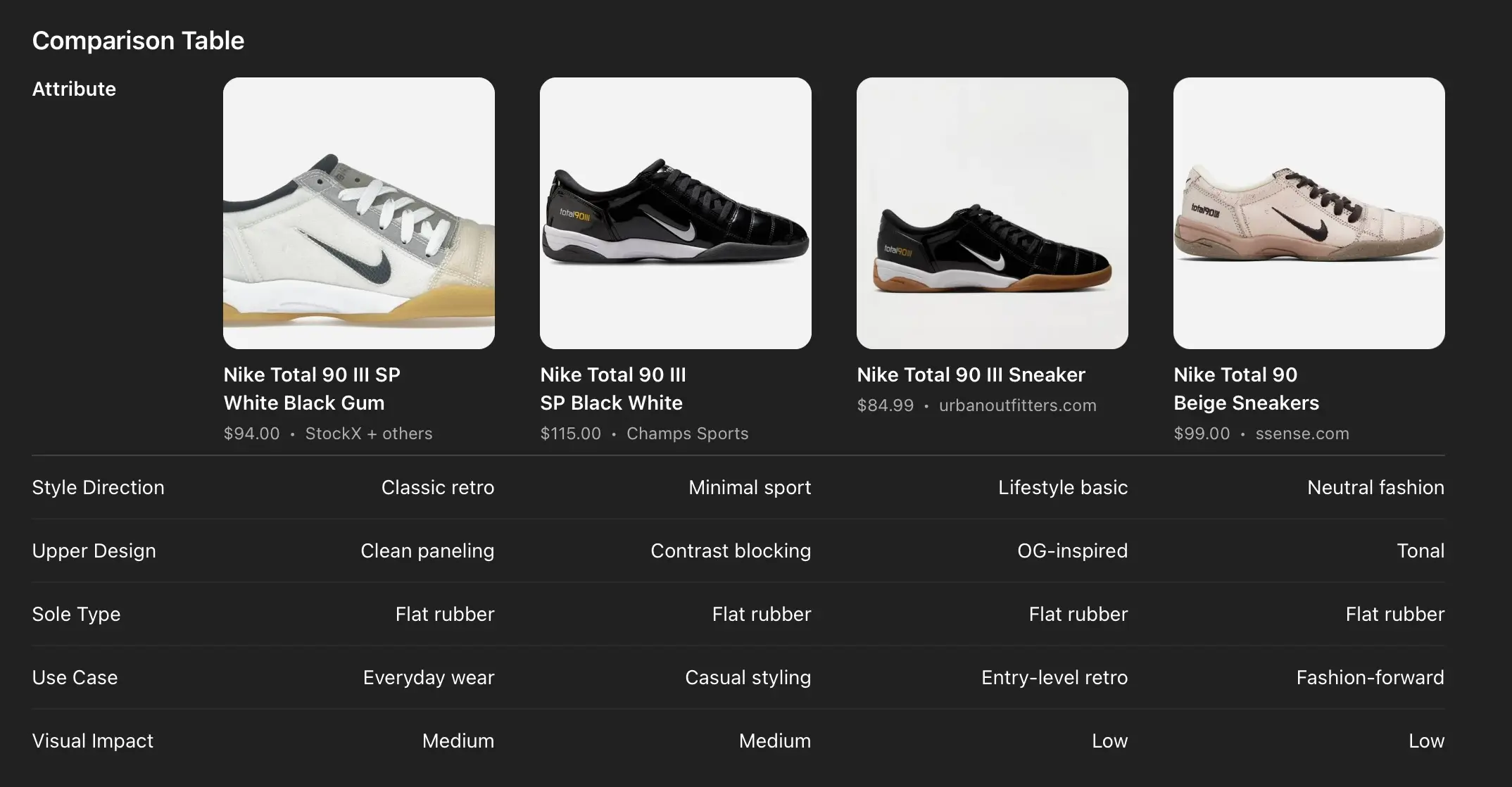
Nike has already reintroduced the Total 90 as a lifestyle sneaker—removing the cleated sole, flattening the tooling, and positioning it for everyday wear rather than matchday precision . The result is a silhouette that carries its athletic past without being bound to it.
The “Barbed Wire” edition doesn’t redesign the structure—it overlays it. That distinction is important. This isn’t a remix; it’s a surface intervention.
show
The defining feature is immediate: barbed wire wrapping across the upper, layered alongside graffiti-style treatments and symbolic motifs. It feels closer to visual culture than sportswear—something pulled from street tagging, underground zines, or early internet graphics.
This is where the shoe shifts from archival to expressive. The Total 90, historically clean and purpose-driven, becomes chaotic. The surface tells a different story than the structure beneath it.
The inclusion of barbed wire isn’t subtle. It signals tension—containment, resistance, edge. Not decorative, but declarative.
Alongside it, Nike introduces additional graphic elements: rough typography, fragmented iconography, even yin-yang symbolism in some executions . The result is layered, almost overstimulated, intentionally so.
idea
Perhaps the most telling change is the replacement of the iconic “90” branding with a stylized “10.”
Originally, “Total 90” referenced the full duration of a football match—90 minutes, endurance, completeness. Swapping that for “10” reframes the meaning entirely. Now it points toward the player, not the game. The individual, not the system.
In football culture, the number 10 carries weight: creativity, authority, unpredictability. It’s worn by playmakers, by icons.
Here, Nike leans into that mythology. The shoe becomes less about performance time and more about personality—an identity marker rather than a functional signifier .
stir
Despite the graphic overload, the underlying material language remains consistent with the Total 90 lineage. Synthetic leather uppers, stitched paneling, and that signature quilted forefoot maintain a sense of structure.
This tension—between controlled construction and chaotic overlay—is what makes the shoe work.
The reflective details add another layer, catching light in unpredictable ways, amplifying the sense of movement even when static . It’s a small detail, but it reinforces the idea that this is a shoe meant to be seen, not just worn.
theory
The Total 90’s original context was hyper-specific: football performance, early 2000s, precision striking. Its reintroduction reframes it as a lifestyle object, but the “Barbed Wire” edition pushes that even further.
This is no longer a football shoe adapted for the street—it’s a street shoe that references football.
That distinction matters. It aligns with a broader shift in sneaker culture where performance heritage is used as raw material for aesthetic storytelling rather than functional necessity.
The flat rubber outsole, now standard in the lifestyle version, reinforces this. Grip remains, but the purpose changes. Walking replaces sprinting. Styling replaces scoring.
sub
The “Barbed Wire” execution doesn’t feel like a mainstream release. It carries the energy of something more niche—possibly a .SWOOSH project, a player-exclusive narrative, or a limited seasonal drop .
That ambiguity works in its favor. It positions the shoe between official product and cultural artifact.
There’s also a subtle alignment with current fashion movements—particularly the resurgence of early 2000s aesthetics filtered through a darker, more distressed lens. Think less clean Y2K revival, more post-Y2K reinterpretation.
The graphics feel almost anti-polished. Intentionally rough. As if resisting the sleekness that dominates contemporary sneaker design.
style
The Total 90 III SE “Barbed Wire” isn’t versatile in the traditional sense. It doesn’t aim to disappear into an outfit. It interrupts it.
Best worn with restraint elsewhere—neutral trousers, washed denim, minimal outerwear. Let the shoe carry the visual weight.
Alternatively, lean fully into the chaos: layered textures, graphic-heavy pieces, distressed finishes. Treat it as part of a larger visual system rather than a standalone highlight.
Either way, the shoe demands intention. Passive styling won’t work.
cept
With an expected price point around $125 , the “Barbed Wire” sits in an interesting space. It’s accessible, but conceptually dense.
This isn’t a luxury sneaker, but it operates with a similar level of narrative layering. You’re not just buying a shoe—you’re buying into a reinterpretation of a legacy.
That balance—affordability paired with conceptual ambition—is part of what makes the current Total 90 revival compelling.
sum
The Nike Total 90 III SE “Barbed Wire” doesn’t ask to be understood in the same way as its predecessors. It doesn’t rely on heritage alone. It challenges it.
Where earlier Total 90 retros leaned into nostalgia—clean colorways, faithful reproductions—this version introduces friction. It complicates the narrative.
And that’s exactly why it works.
Because the most interesting revivals aren’t the ones that look backward perfectly. They’re the ones that interrupt the past—reshape it, distort it, and make it relevant again.