Nintendo Experiments With Accessibility: A Free, Kid-Friendly Yoshi Experience Across Mobile and Switch

April 10, 2026
20 hours ago


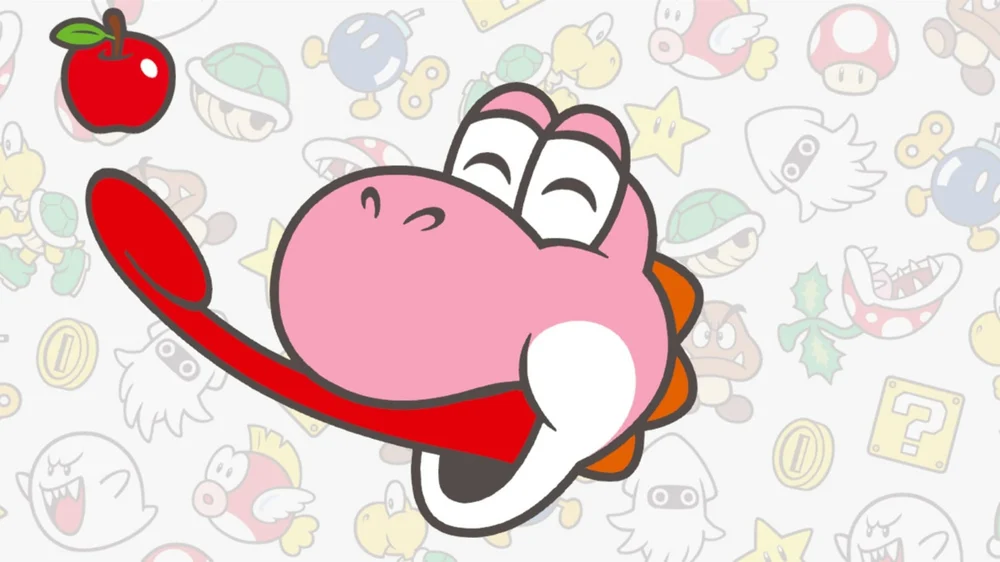
In a move that signals a continued shift toward accessibility and cross-platform play, Nintendo is leaning into one of its most universally recognizable characters—Yoshi—with a free, kid-friendly gaming experience designed for both mobile devices and the Nintendo Switch ecosystem.
While Nintendo has historically been cautious with mobile expansion, this latest Yoshi-focused release (or initiative) reflects a broader recalibration: one that merges low-barrier entry with brand storytelling, and introduces younger audiences to Nintendo’s world without the friction of upfront cost. It’s less about disruption and more about invitation.
I’m a little outside the age range to put hours into this lol, but kids would probably love this if they liked Hello Mario.
I think it’s a pretty perfect game to play with your kid… Seems family friendly. No gimmicks or weird in app payment things is far. pic.twitter.com/wQDOvrZYPD
— Misha Fitton, Turtle Island CTO* 🐢 (@MishaTurtleX) April 9, 2026
new
For decades, Nintendo has operated within a premium model—carefully curated releases, tightly controlled hardware ecosystems, and minimal reliance on free-to-play structures. But mobile gaming has reshaped expectations. Accessibility now defines discovery.
A free Yoshi game changes the equation.
Yoshi, as a character, exists in a uniquely flexible space within Nintendo’s portfolio. Unlike Mario, who carries legacy weight and mechanical precision, Yoshi embodies softness—rounded design, forgiving gameplay, and an aesthetic language rooted in color and tactility. Titles like Yoshi’s Crafted World and Yoshi’s Woolly World already leaned into this identity, favoring exploration over difficulty.
A free mobile/Switch hybrid extends that philosophy further. It lowers expectations while expanding reach.
The likely structure is intuitive: short-form levels, touch-friendly mechanics, and drop-in play sessions. For mobile, this means swipe-based movement, tap-to-interact elements, and simplified objectives. For Switch, the same experience can scale—adding controller precision without fundamentally altering the design language.
This duality is key. Nintendo isn’t building two games. It’s building one ecosystem.
flow
Yoshi games have always operated as visual counterpoints to more intense platformers. Where other titles emphasize speed, precision, or difficulty spikes, Yoshi titles embrace tactility—felt textures, cardboard landscapes, stitched edges.
That language carries over here.
Expect environments that feel handmade rather than rendered. Paper cutouts. Foam-like terrain. Objects that appear assembled rather than generated. It’s a deliberate aesthetic choice that communicates safety. There are no sharp edges in a Yoshi world—visually or mechanically.
For younger players, this matters. The absence of harsh penalties or overwhelming visual noise creates a space where exploration feels encouraged rather than tested. Mistakes don’t punish; they redirect.
And for older players, the appeal becomes nostalgic rather than challenging. It’s a return to slower conjure. A reminder that games don’t always need escalation to remain engaging.
stir
Nintendo’s previous mobile ventures—like Super Mario Run and Mario Kart Tour—demonstrated a tension between monetization and brand identity. The company has historically avoided aggressive microtransactions, opting instead for limited unlock systems or one-time purchases.
A free Yoshi game would likely follow a similar philosophy.
Instead of pay-to-win mechanics, monetization (if present) would center around cosmetic elements: alternate Yoshi colors, themed environments, or collectible visual variants. Progression would remain intact regardless of spending, preserving the integrity of the experience.
This matters for brand trust. Nintendo’s audience—particularly parents introducing games to children—expects a level of safety not always found in mobile ecosystems. A Yoshi title, by design, reinforces that expectation.
It becomes less of a product and more of a gateway.