Notre Dame Receives Transformative Gift of Fine Art from the Ernestine Morris Carmichael Raclin Estate

September 28, 2024
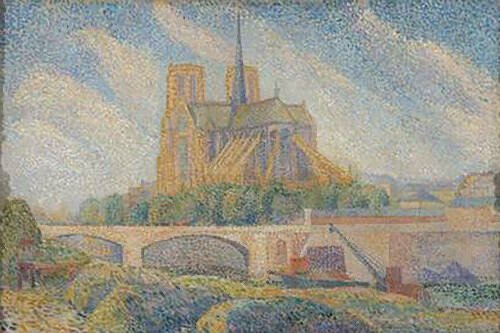
The recent gift to the University of Notre Dame’s Raclin Murphy Museum of Art from the estate of Ernestine Morris Carmichael Raclin represents a significant addition to the museum’s collection, not just in terms of quantity but also in the breadth and quality of the works. The donation includes a collection of paintings, sculptures, and decorative art objects from some of the most renowned European and American artists spanning from the 15th to the early 20th centuries. This transformative bequest not only enriches the museum’s holdings but also positions it as an academic and cultural hub for the appreciation of classical and modern art.
Raclin’s legacy is intricately tied to her deep passion for the arts and her lifelong commitment to the University. A key figure in the development of the museum, Raclin was the first female Trustee at Notre Dame and contributed to various projects that sought to enhance the University’s engagement with the arts. Her latest donation, however, goes beyond monetary contributions—it is a testament to her vision of cultivating a space where art can be a conduit for intellectual exchange and cultural enrichment.
One of the most notable aspects of Raclin’s collection is its emphasis on 18th-century European art. This period, marked by a distinct shift in artistic style and subject matter, saw the rise of the Rococo movement in France and the development of grand portraiture in England. Raclin’s collection features masterpieces by Thomas Gainsborough and Sir Joshua Reynolds, both of whom were key figures in British art. Gainsborough’s works, known for their evocative landscapes and character studies, offer a glimpse into the social fabric of 18th-century Britain, while Reynolds’s portraits exemplify the grandeur and technical brilliance of the period. The inclusion of these works not only bolsters the museum’s existing collection but also creates new opportunities for academic inquiry and public appreciation of British portraiture.
French art is similarly well-represented in the collection. Portraits by Jean-Baptiste Greuze, who is celebrated for his portrayal of domestic scenes and emotive character studies, provide a counterpoint to the idealized elegance of French Rococo masters like Nicolas Lancret and François Boucher, who are also featured in the collection. A standout piece is Jean-Antoine Houdon’s patinated terra cotta portrait bust, a delicate portrayal of his infant daughter, which brings an intimate and personal dimension to the collection. This diversity in artistic styles and subjects within Raclin’s donation enhances the museum’s capacity to present a comprehensive view of 18th-century European art, encompassing both public and private spheres of life.
The 19th-century works in Raclin’s collection further deepen the museum’s already strong holdings in this area. Notable additions include landscapes by Camille Corot and Johan Jongkind, artists whose depictions of nature presaged the Impressionist movement’s radical departure from traditional academic painting. Corot’s atmospheric landscapes, characterized by their loose brushwork and delicate interplay of light and shadow, are juxtaposed with Jongkind’s bolder, more structured compositions. These works exemplify the dynamic evolution of landscape painting in the 19th century and highlight the complex interplay between realism and abstraction that would come to define the Impressionist and Post-Impressionist movements.
Raclin’s collection is not confined to European art alone. It also includes significant works by American artists, such as John White Alexander’s “Reflection.” This painting stands out for its synthesis of avant-garde trends and stylistic ambiguity, blending elements of Symbolism, Art Nouveau, and Tonalism. Alexander’s work, often characterized by its enigmatic figures and ethereal quality, invites viewers to engage with art that defies easy categorization. This piece, along with others in the collection, will undoubtedly serve as a focal point for discussions about the intersections of European and American art in the late 19th and early 20th centuries.
Beyond the individual works, the significance of Raclin’s bequest lies in its potential to transform the Raclin Murphy Museum into a premier destination for art enthusiasts and scholars alike. The donation is part of the University’s broader “150 for 150” initiative, which aims to celebrate the sesquicentennial of Notre Dame by securing 150 major gifts to bolster the museum’s collections. This campaign underscores the museum’s mission to serve not only as a repository of art but as a dynamic space for research, education, and community engagement.
The Raclin bequest will play a crucial role in achieving the campaign’s goals, particularly in its support of collecting priorities such as European and American art before 1900, Indigenous American art, and international modern and contemporary art. The donation’s diverse range of artworks provides a strong foundation for future acquisitions and exhibitions, ensuring that the museum remains a vital resource for exploring a wide array of artistic traditions.
This gift also enhances the museum’s capacity to engage with the local and regional communities. The Raclin Murphy Museum of Art has long been a cultural cornerstone for Notre Dame and the surrounding areas, drawing more than 11,000 K-12 students annually from a three-state area. The addition of Raclin’s collection will enable the museum to offer new educational programs, exhibitions, and research opportunities, further solidifying its role as an accessible and inclusive institution dedicated to the arts.
Moreover, the Raclin bequest sets a precedent for other benefactors to contribute to the museum’s growth. As noted by Joseph Antenucci Becherer, director and curator of sculpture, Raclin’s commitment to the museum and her desire to share her personal collection with the public imbue the museum with a spirit of generosity and passion for the arts. Her gift is a powerful reminder of the transformative impact that private philanthropy can have on public institutions, inspiring others to support the arts in meaningful ways.
The donation from the estate of Ernestine Morris Carmichael Raclin is more than just a collection of valuable artworks—it is a legacy that reflects her deep commitment to the arts and the University of Notre Dame. This gift enriches the Raclin Murphy Museum of Art’s collections, fosters academic and cultural engagement, and serves as a catalyst for future growth and development. As the University celebrates its sesquicentennial, Raclin’s bequest will undoubtedly leave a lasting mark on Notre Dame’s artistic and cultural landscape, ensuring that her love of art continues to inspire and educate future generations.