Oakley Jacket Eyewear and Japan Field Gear: The Architecture of Fit in Post-Performance

March 23, 2026


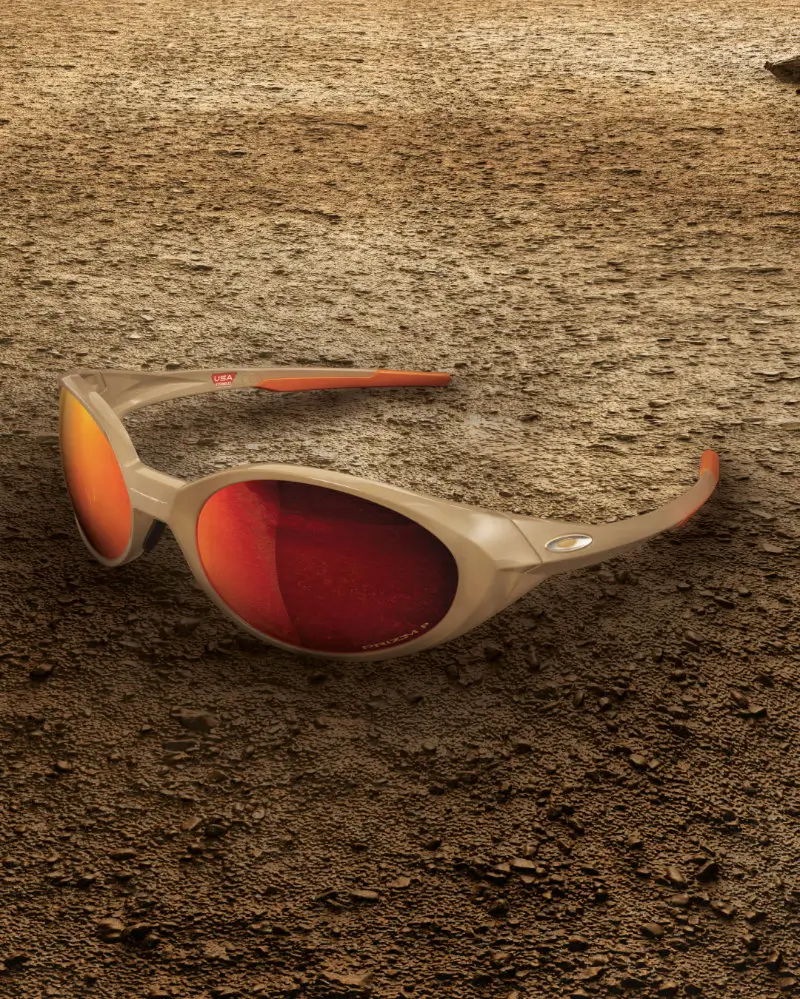
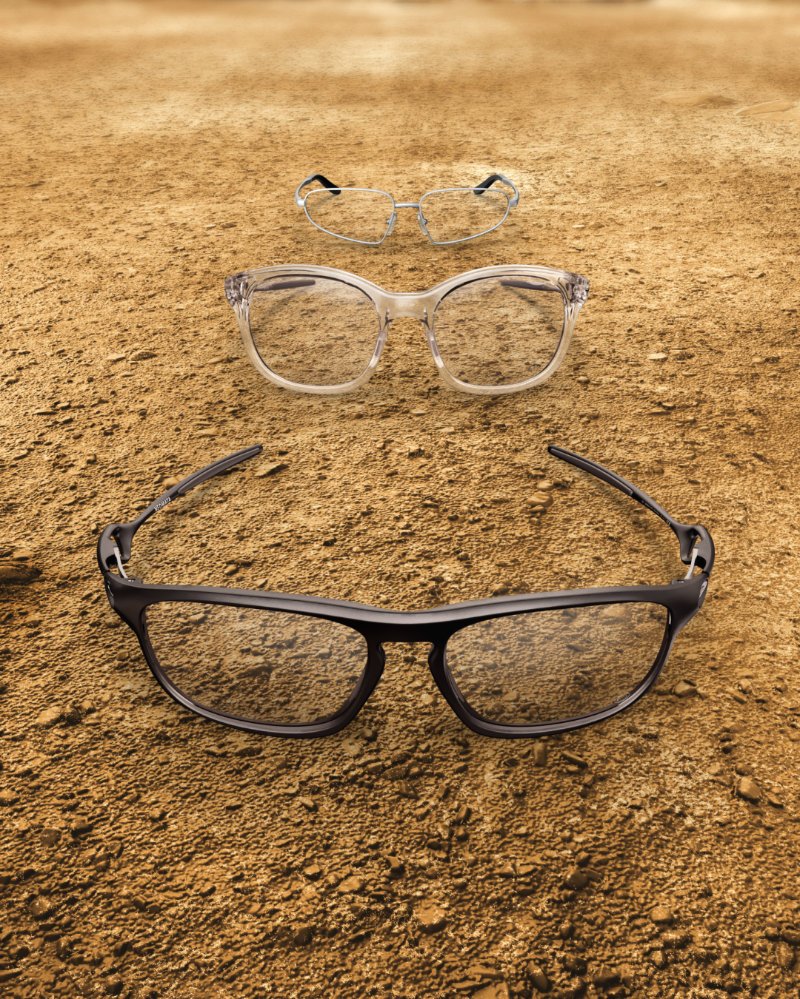
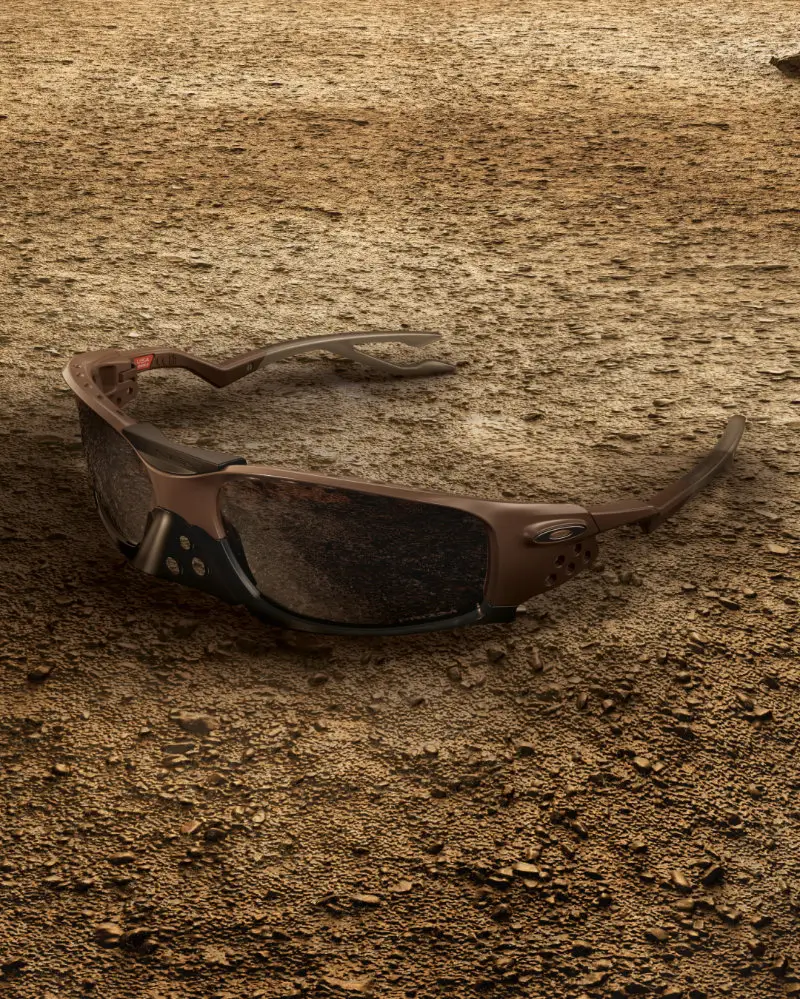
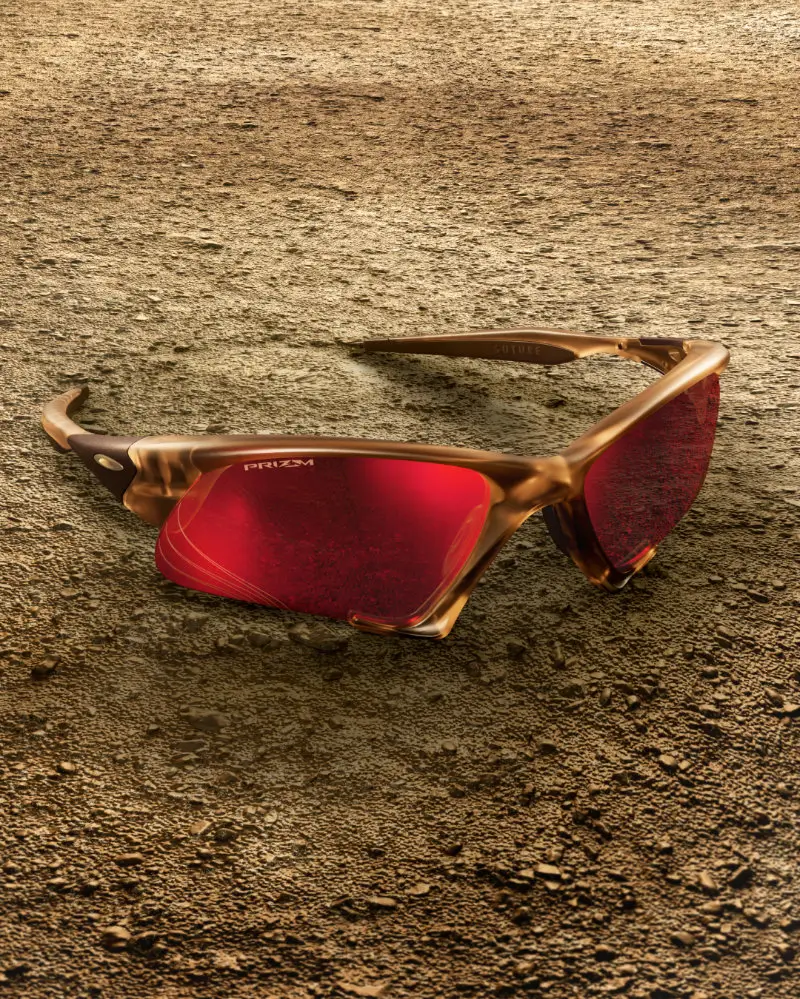
In an place or time where design increasingly oscillates between spectacle and utility, Oakley has chosen a third path—one rooted in anatomical precision, material innovation, and an almost obsessive commitment to fit. The new Jacket Eyewear series, paired with the quietly radical Japan Field Gear Line Collection, signals not just a product launch but a philosophical reset.
The premise is deceptively simple: eyewear should fit the face the way apparel fits the body. Yet within that simplicity lies a profound shift. It reframes eyewear not as an accessory, but as a structural extension of the wearer—adaptive, responsive, and deeply personal.
This is Oakley returning to its experimental DNA, but filtered through the lens of contemporary culture, where performance and lifestyle are no longer separate categories, but overlapping realities.
cept
The term “Jacket” is not incidental. It implies layering, protection, adaptability—qualities traditionally reserved for garments. In this context, the Jacket eyewear line introduces a modular philosophy to optics.
Rather than forcing the wearer to adapt to a fixed frame, the frame adapts to the wearer.
Key innovations include:
- Interchangeable nose bridges that alter fit geometry
- Adjustable temple lengths for different head shapes
- Wraparound curvature calibration for varied facial structures
- Lens swap systems that respond to light conditions in real time
This modularity echoes the logic of tailored clothing. Just as a jacket contours to shoulders and torso, Oakley’s eyewear now contours to cheekbones, nasal bridges, and peripheral vision.
The result is a product that feels less like something you wear and more like something that integrates.
View this post on Instagram
sil
At the core of the Jacket line is Oakley’s continued investment in optical engineering. Technologies such as Prizm™ lens tuning—which enhances contrast and color specificity—are not new, but their integration within a customizable framework is.
Here, optics become architectural.
The lens is no longer a static surface but a responsive interface between environment and perception. Whether on asphalt, trail, or urban pavement, the eyewear recalibrates how the world is seen—sharpening edges, amplifying textures, and reducing visual noise.
This aligns with a broader shift in performance design: from passive protection to active enhancement.
In that sense, the Jacket eyewear doesn’t just shield the eyes—it edits reality.
evolve
Running parallel to the eyewear is the Japan Field Gear Line Collection, a study in restraint and precision. If the Jacket series is expressive and visibly technical, the Field Gear line is its understated counterpart.
Rooted in Japanese design principles—minimalism, modularity, and respect for material—the collection reimagines outdoor apparel through an urban lens.
Key characteristics include:
- Neutral, desaturated palettes: stone, graphite, moss
- Technical fabrics with water resistance and breathability
- Modular pocket systems designed for functional carry
- Ergonomic cuts that allow unrestricted movement
This is not outdoor gear in the traditional sense. It’s not built for spectacle or even for extreme environments. Instead, it occupies a liminal space—equally suited for city navigation and off-grid exploration.
The garments are quiet, but intentional. Every seam, every pocket, every fabric choice serves a purpose.
flow
What makes this release particularly compelling is not the individual products, but the dialogue between them.
The Jacket eyewear and Japan Field Gear line are designed to function as a system.
- The ergonomic logic of the eyewear mirrors the tailoring philosophy of the apparel
- The modularity of the frames echoes the adaptability of the garments
- The technical materials in both categories prioritize performance without sacrificing aesthetics
This convergence reflects a broader cultural movement: the dissolution of boundaries between categories.
Eyewear is no longer separate from apparel. Apparel is no longer separate from equipment. Everything becomes part of a unified interface between body and environment.
design
Visually, the collection operates in a tension between two aesthetics:
- Futurism: expressed through the sculptural lines and reflective surfaces of the eyewear
- Restraint: embodied in the muted, almost monastic simplicity of the apparel
This duality is intentional.
It allows the wearer to oscillate between visibility and invisibility—between standing out and blending in. The eyewear becomes a focal point, while the apparel provides a grounded, cohesive backdrop.
Together, they create a silhouette that feels both advanced and timeless.
show
To understand the significance of this release, it’s important to situate it within a broader cultural shift.
We are living in a moment where:
- Athletic performance influences everyday style
- Outdoor gear is recontextualized for urban environments
- Technology is embedded seamlessly into daily objects
Brands across fashion and sportswear have responded to this shift, but Oakley’s approach feels distinct. It doesn’t simply aestheticize performance—it engineers it into the core of the product.
This is not performance as branding. It is performance as infrastructure.
influ
The Japan Field Gear line, in particular, reflects a set of design values deeply rooted in Japanese culture:
- Kaizen (continuous improvement): iterative refinement rather than radical overhaul
- Ma (negative space): allowing design to breathe, avoiding excess
- Wabi-sabi: embracing imperfection and material honesty
These principles manifest in subtle ways:
- A pocket placed exactly where the hand naturally falls
- A fabric that ages gracefully rather than deteriorates
- A silhouette that accommodates movement without exaggerationThis approach contrasts sharply with the maximalism often seen in Western outdoor gear, offering instead a quieter, more considered alternative.
stir
Both the eyewear and apparel collections emphasize materials not just for their technical properties, but for their sensory qualities.
- Frames that feel lightweight yet durable
- Lenses that reduce glare without distorting color
- Fabrics that balance structure and softness
This focus on tactility is significant. It acknowledges that performance is not শুধ about metrics—weight, durability, resistance—but about experience.
How something feels on the body matters as much as how it performs under stress.
consider
While not overtly positioned as a sustainability initiative, the design philosophy inherently supports it.
- Modular components can be replaced rather than discarding the entire product
- Durable materials extend product lifespan
- Timeless design reduces the pressure of trend cycles
This approach shifts the conversation from recycling to longevity—from end-of-life solutions to extended use.
tred
In practice, the collection lends itself to a range of styling scenarios:
- Urban exploration: paired with minimalist sneakers and layered outerwear
- Active commuting: integrated into cycling or running setups
- Travel: adaptable to shifting climates and environments
The versatility is key. It reflects the reality of modern life, where boundaries between activities are fluid.
clue
Oakley’s latest release is best understood not as a collection, but as a system.
A system that integrates:
- Eyewear and apparel
- Performance and lifestyle
- Technology and design
By rethinking fit as a holistic concept, Oakley challenges long-standing assumptions about what eyewear can be—and what it can do.
In doing so, it doesn’t just introduce new products. It introduces a new way of thinking.
One where the line between what we wear and how we see begins to dissolve.