On Opens Its Largest Flagship Store in China at Shenzhen’s MixC World

March 15, 2026
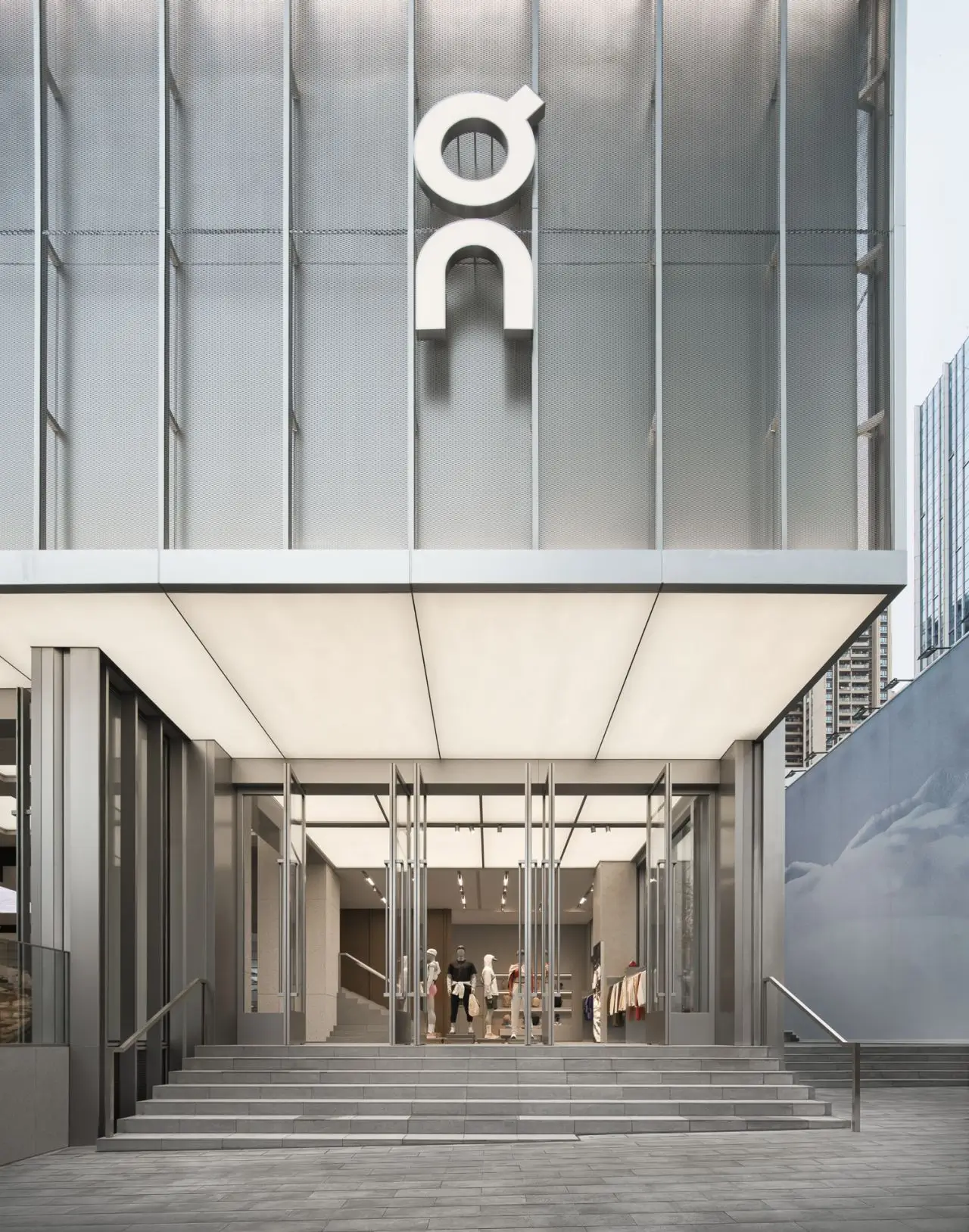


Swiss performance brand On Running has steadily transformed from a niche running startup into one of the most culturally influential sportswear companies of the modern era. Known for its distinctive CloudTec cushioning and minimalist design language, the brand has cultivated a reputation that bridges elite athletics, contemporary design, and lifestyle culture. With the unveiling of its largest flagship store in China at MixC World, the company signals a deeper commitment to the region and to the evolution of experiential retail.
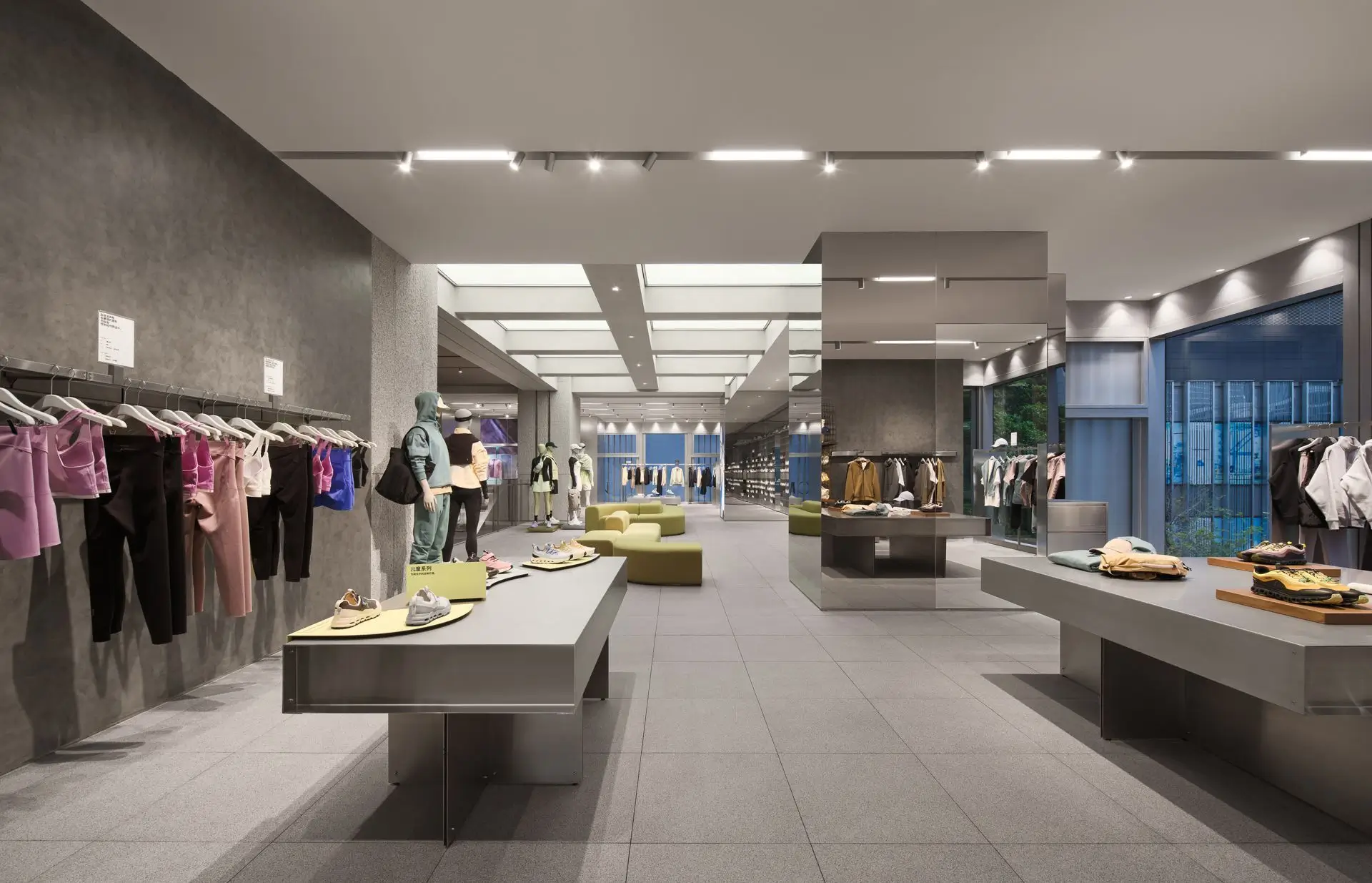
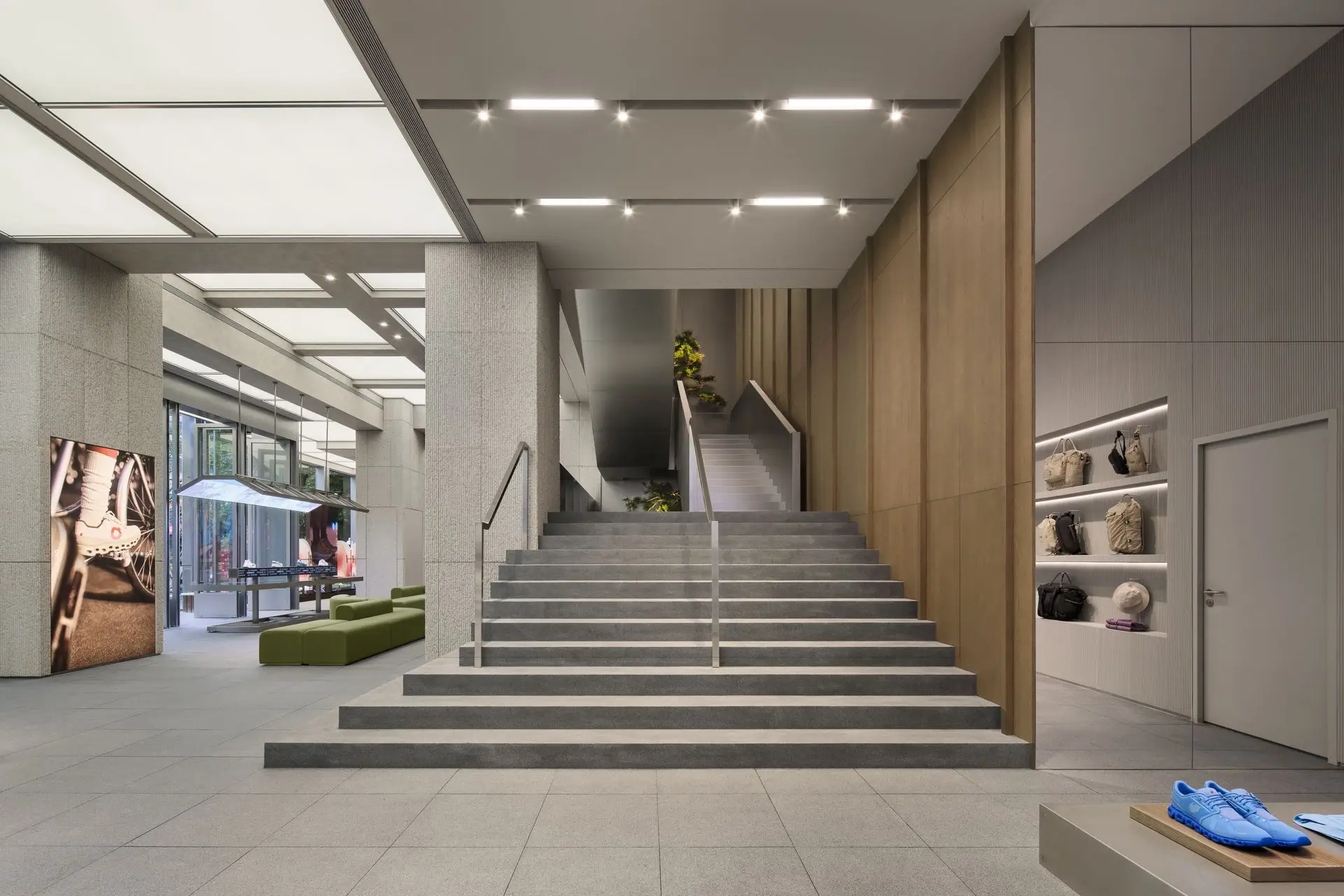
Spanning two floors and encompassing approximately 802 square meters, the new location represents more than a retail space. It functions as an architectural interpretation of movement, a community hub for runners, and a brand environment that merges performance innovation with the rhythms of urban life.
Developed in collab with the renowned Dutch display studio Hans Boodt Mannequins, the flagship introduces a sculptural retail experience that places the human body, athletic motion, and spatial storytelling at its center.
In a city like Shenzhen—often described as one of the most technologically progressive urban centers in the world—the store reflects a synthesis between innovation and nature, echoing both the brand’s Swiss origins and the dynamic landscape of southern China.
innov
Few cities embody the intersection of technology, commerce, and modern urbanism quite like Shenzhen. Once a modest fishing village, the metropolis has transformed over the past four decades into one of the world’s most influential technology capitals. Home to companies ranging from hardware giants to emerging startups, the city represents a culture of relentless innovation.
For a brand like On, whose identity is built on engineering-driven performance footwear, Shenzhen offers a symbolic stage. The company’s products—defined by precision manufacturing and biomechanical research—align naturally with a city that celebrates technological progress.
Yet Shenzhen is not defined solely by its infrastructure. Green spaces, waterfront promenades, and mountainous parks thread through the dense urban environment. It is a city where jogging paths run alongside skyscrapers and where nature remains integral to daily life.
This duality—technology and ecology—became the guiding inspiration behind the flagship’s architecture.
influ
The design narrative of the store draws heavily from the Swiss roots of On. Switzerland’s design culture traditionally emphasizes clarity, balance, and precision—principles visible in the brand’s footwear silhouettes and visual identity.
Rather than reproducing Alpine imagery literally, the flagship translates those sensibilities into spatial gestures.
Natural materials and textures evoke the tactile calm of mountainous landscapes. Soft lighting and flowing pathways encourage visitors to move through the environment in a rhythm reminiscent of running itself. Architectural forms echo the curved geometry of On’s CloudTec sole units, subtly embedding product DNA into the physical environment.
This restrained aesthetic contrasts with the visual overload common in many contemporary sports retail spaces. Instead of spectacle, the flagship pursues a sense of quiet sophistication.
The result is a store that feels simultaneously futuristic and grounded.
role
The partnership with Hans Boodt Mannequins conjures a cardinal role in shaping the store’s visual storytelling.
Founded in the Netherlands, Hans Boodt is internationally recognized for redefining the concept of retail mannequins. Rather than static display figures, their designs emphasize expressive posture, anatomical realism, and narrative composition. In haute ashion environments across Europe and Asia, their mannequins function almost as sculptural artworks.
For the On flagship, the mannequins embody athletic movement. Runners appear captured mid-stride, bodies tilted forward in momentum. Tennis players extend arms toward imaginary serves. Outdoor athletes lean into invisible terrain.
These poses transform the store into a kinetic environment. Customers encounter representations of motion at every turn, reinforcing the brand’s core philosophy: movement as a form of human expression.
The mannequins also reflect the diversity of contemporary athletic culture. Instead of traditional heroic physiques, they represent a range of body types and genders, acknowledging that modern running culture embraces inclusivity.
View this post on Instagram
flow
The flagship’s two floors are carefully organized to guide visitors through a progression of athletic experiences.
The ground floor introduces the brand’s core identity. Here, visitors encounter the full range of running products, including performance footwear designed for road racing, marathon training, and daily jogging.
Footwear displays emphasize tactile interaction. Shoes rest on sculptural platforms that allow customers to examine their CloudTec sole structures from multiple angles. Interactive information points explain the science behind the cushioning system and the brand’s Speedboard propulsion technology.
This level also houses lifestyle products—garments and sneakers designed for everyday wear. Over the past decade, On has expanded beyond pure performance gear into a broader category of urban lifestyle apparel. The flagship reflects this shift, positioning the brand as equally relevant on city streets as on athletic tracks.
The second floor transitions toward specialized sports categories.
Tennis equipment occupies a dedicated zone highlighting the brand’s growing presence in the sport. Training apparel and gym-focused footwear appear in another area, emphasizing versatility for indoor workouts.
Outdoor exploration products complete the floor’s offering, presenting trail-running footwear and performance garments designed for mountainous terrain.
The organization mirrors a narrative arc—from city running to broader athletic exploration.
stir
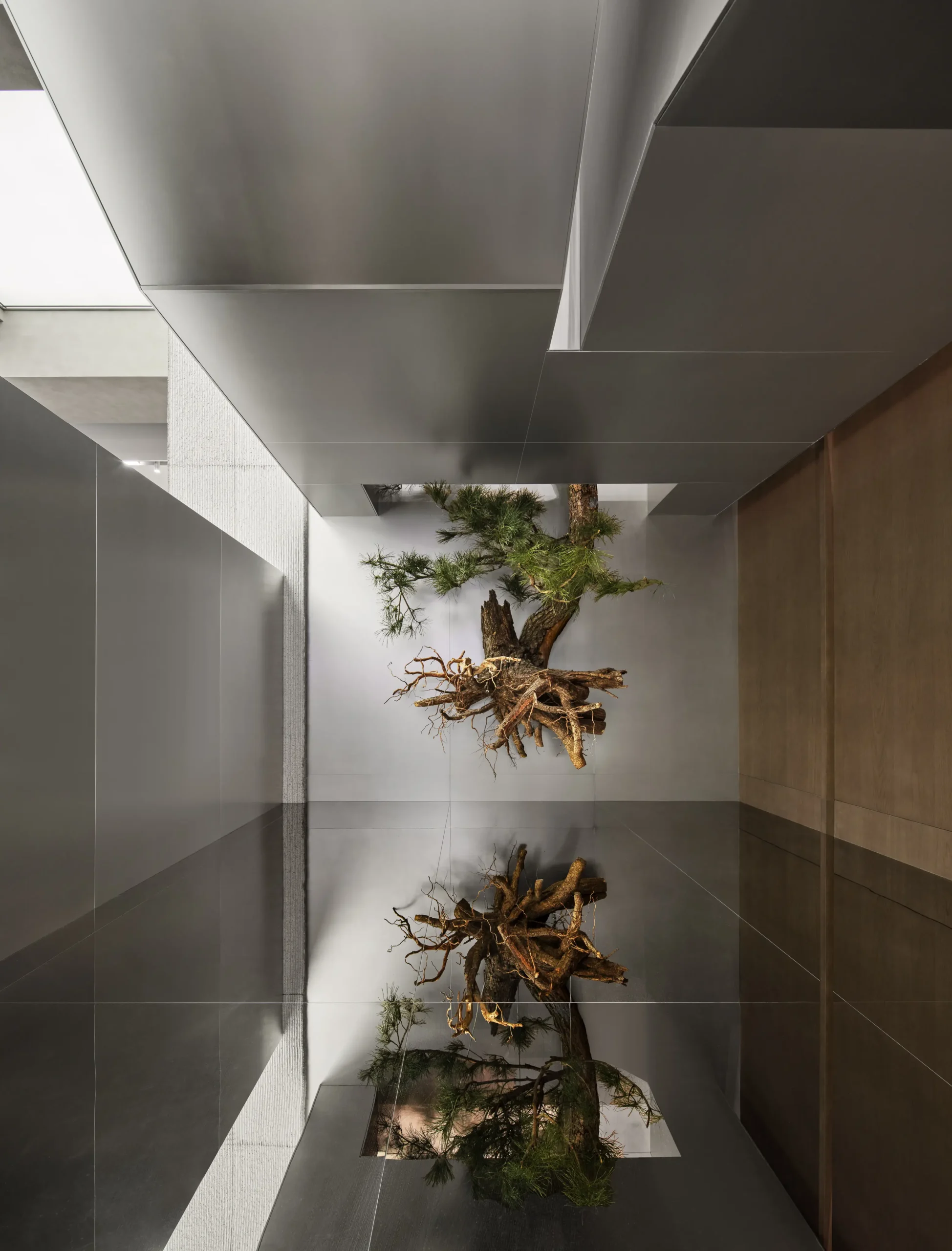
One of the most distinctive aspects of the flagship is its deliberate incorporation of natural elements.
Planters with sculptural greenery punctuate the interior architecture, softening the lines of display structures. Stone-textured surfaces appear alongside metallic fixtures, creating a dialogue between organic and industrial materials.
Lighting plays an important role in reinforcing this atmosphere. Rather than harsh retail illumination, the store employs diffused lighting designed to mimic natural daylight.
This approach aligns with broader trends in contemporary retail architecture. Increasingly, brands recognize that immersive environments encourage longer visits and deeper emotional engagement.
In this context, the flagship becomes more than a shop—it becomes a sensory landscape.
commune
Perhaps the most important feature of the flagship is its communal space, designed to host group runs, events, and social gatherings.
Running culture has evolved dramatically over the past decade. What once appeared primarily as a solitary activity has become a social phenomenon. Running clubs have emerged across major cities, turning the sport into a form of urban community building.
On has actively embraced this shift. Across cities like Zurich, New York, and Tokyo, the brand has supported running collectives and organized events that bring athletes together.
The Shenzhen flagship expands this philosophy within China.
The communal area functions as a meeting point for local runners before training sessions. Workshops on performance techniques and product innovation can take place here, along with community discussions about wellness and outdoor culture.
By integrating this social infrastructure into the retail environment, On transforms the store into a cultural platform for movement.
idea
Modern flagship stores increasingly function as physical narratives. They communicate brand identity not through advertising slogans but through architectural language.
In the case of On, the Shenzhen flagship expresses several key themes:
Movement
Innovation
Community
Nature
These themes appear in every design detail—from the posture of mannequins to the curvature of display tables.
The store’s open layout encourages visitors to circulate fluidly, echoing the rhythm of running strides. Visual sightlines allow glimpses between floors, reinforcing a sense of upward progression.
Even the soundscape contributes to the experience. Subtle ambient audio evokes outdoor environments, reinforcing the connection between urban retail space and natural landscapes.
culture
The opening of this flagship also reflects broader shifts in the global sports industry.
China’s running community has expanded dramatically over the past decade. Large-scale marathons in cities such as Beijing, Shanghai, and Shenzhen attract thousands of participants, while recreational running groups have proliferated across urban centers.
For international brands, China represents not only a large market but also a rapidly evolving culture of athletic participation.
On’s investment in such a substantial flagship store signals confidence in the region’s future role in performance sports.
Moreover, Shenzhen’s reputation as a center for technological experimentation aligns closely with the brand’s engineering-focused identity. It is a city where innovation is both economic driver and cultural ethos.
evolve
Founded in 2010 by former professional athlete Olivier Bernhard and partners David Allemann and Caspar Coppetti, On began with a simple but radical idea: to reinvent the feeling of running.
Their CloudTec cushioning system—characterized by hollow pods that compress upon impact—quickly attracted attention among athletes seeking both softness and responsiveness.
In the years since, the company has expanded far beyond footwear.
Apparel collections, tennis partnerships, and collaborations with high-profile athletes have broadened the brand’s reach. Partnerships with figures such as tennis champion Roger Federer have helped introduce On to audiences beyond the running community.
The Shenzhen flagship demonstrates how the brand now operates at the intersection of performance sports, lifestyle design, and cultural experience.
xp
The opening of the Shenzhen store arrives during a period when physical retail is undergoing profound transformation.
Online shopping has reshaped consumer habits worldwide. Yet flagship stores remain crucial because they offer something digital platforms cannot replicate: physical immersion.
By combining architectural storytelling, community engagement, and product innovation, On’s flagship demonstrates how brick-and-mortar retail can remain relevant.
Instead of simply displaying merchandise, the store offers visitors a sense of belonging to a movement-oriented culture.
Customers leave not only with shoes or apparel but with a deeper understanding of the brand’s philosophy.
clue
The largest On flagship store in China represents far more than a retail milestone.
It is an architectural reflection of the brand’s identity and of Shenzhen’s role as a city defined by innovation and momentum. Through its collaboration with Hans Boodt Mannequins, its nature-inspired design language, and its emphasis on community engagement, the space embodies a vision of sport as both physical and cultural practice.
Within its 802 square meters, the store captures a broader transformation occurring across global retail: the shift from transaction to experience.
Here, running is not merely a product category. It becomes an idea, a social ritual, and a design philosophy.
As On continues expanding across international markets, the Shenzhen flagship stands as a powerful symbol of how architecture, athletics, and community can converge within a single environment—one that invites visitors not just to shop, but to move.

No comments yet.