Encased in Motion: OTTO 958 Rewrites the ASICS Runner as Object

March 28, 2026
37 minutes ago
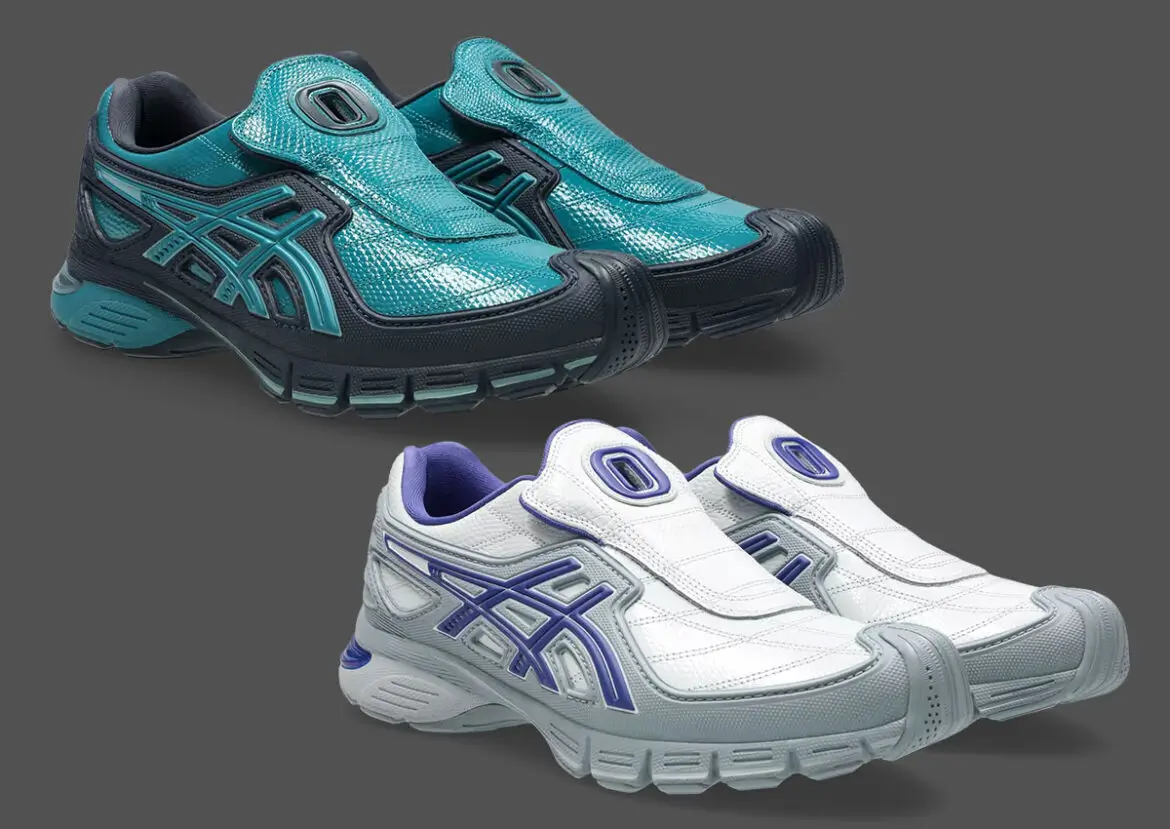
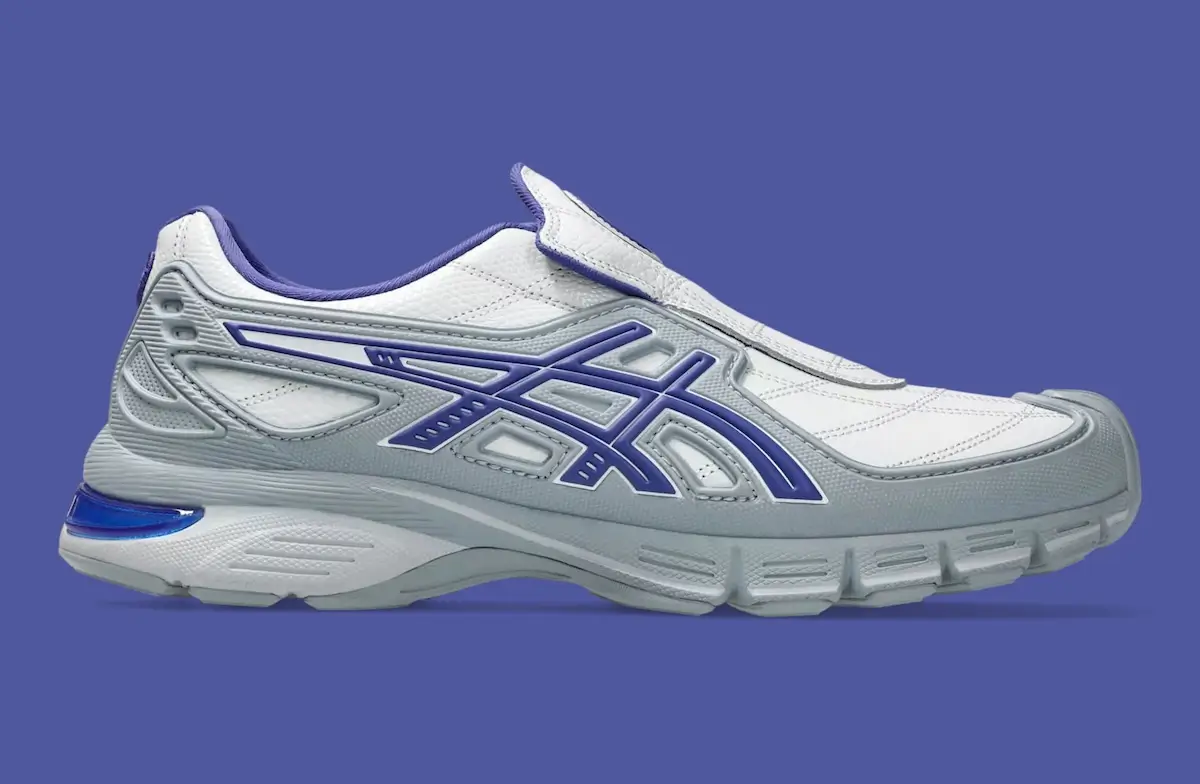
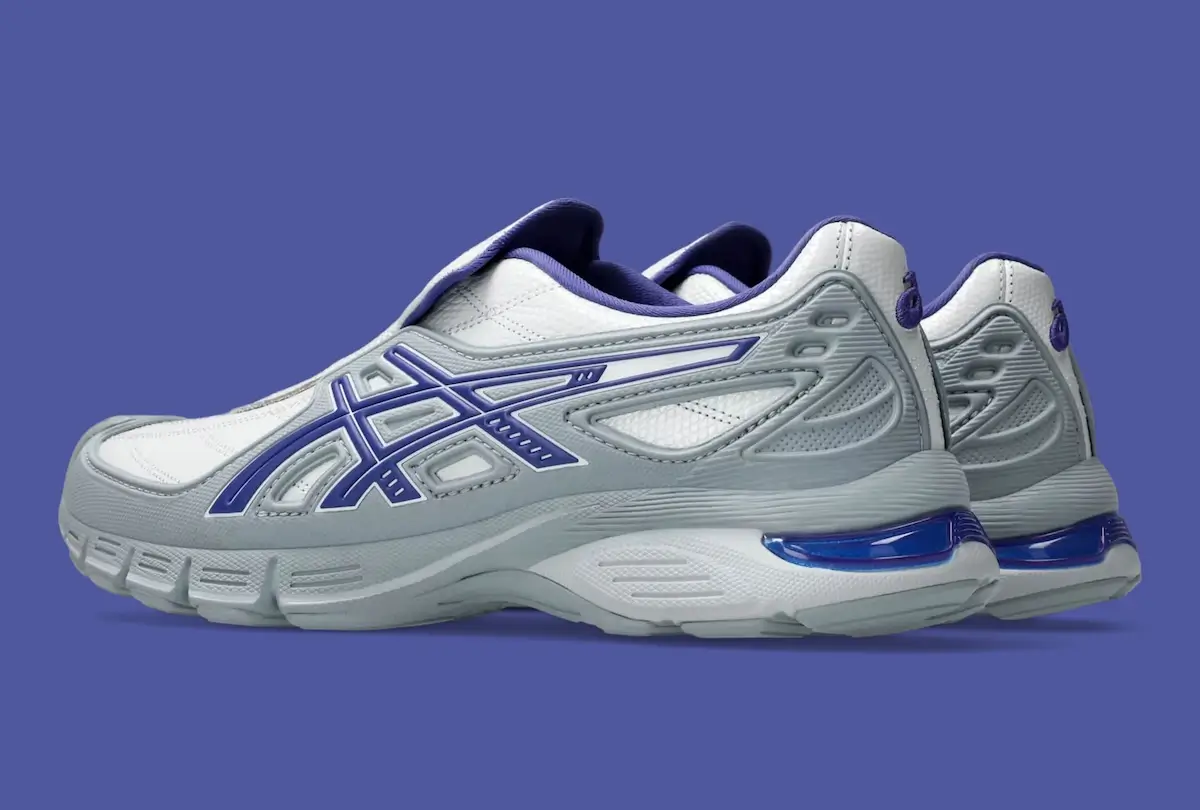
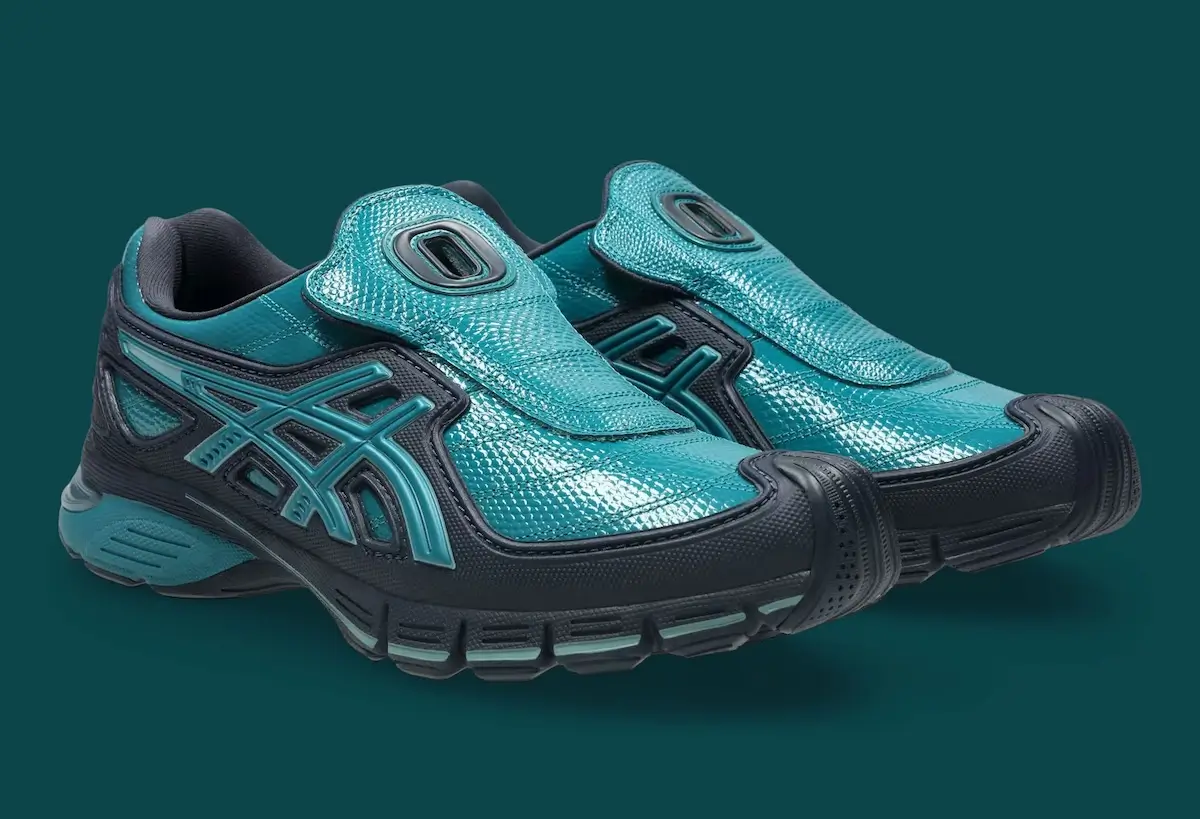
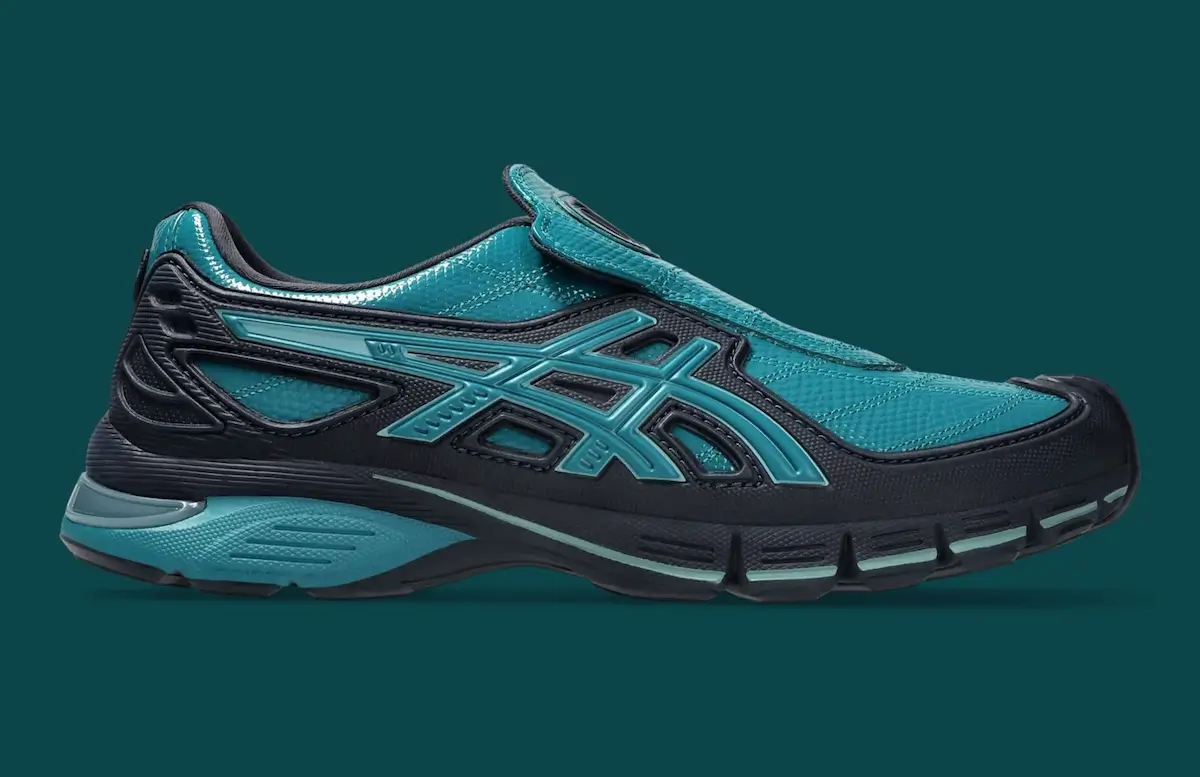
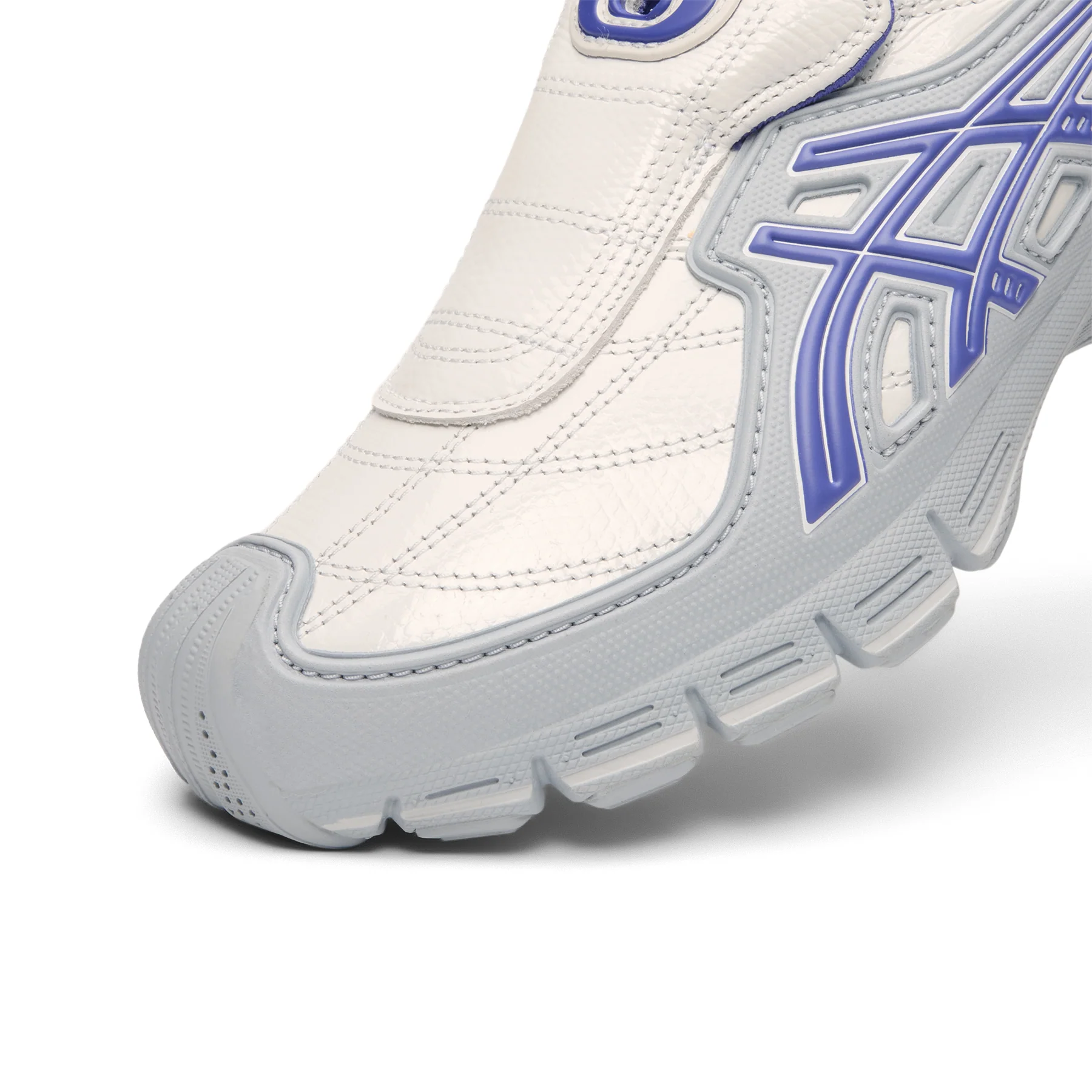
There is something quietly radical about taking a familiar running silhouette and removing the very elements that define it. Laces, structure, expected lines of tension—gone. What remains is not simply a reinterpretation, but a reorientation. Through OTTO 958, Kiko Kostadinov continues his long-standing dialogue with ASICS, this time in collab with Moran Moran, to produce something that sits closer to sculpture than sport. The result arrives as the OTTO 958 x ASICS Gel-SD Arzachotto Pack—a shoe that does not merely evolve the runner, but actively resists it.
View this post on Instagram
flow
The foundation here is the Gel-SD Lyte, a silhouette historically grounded in performance logic. Its proportions, paneling, and construction all speak to movement—forward motion, friction, control. Yet the Arzachotto disrupts that language almost immediately. Where the original was defined by openness and breathability, this new iteration closes itself off, wrapping the foot in a continuous form that feels intentional, even protective.
The laceless construction is the most immediate shift. It removes the adjustable, functional entry point typical of running shoes and replaces it with a slip-on system that prioritizes ease over customization. But this isn’t convenience in the conventional sense. It’s a conceptual decision. Without laces, the shoe becomes less about performance tuning and more about containment. The foot is not strapped in; it is held.
That distinction matters. It reframes the wearer’s relationship to the shoe—from active participant to something closer to occupant.
lang
At the core of the Arzachotto’s design language is an unusual reference point: the egg. It’s a form that carries both fragility and strength, a natural structure engineered for protection. This duality becomes central to the shoe’s identity.
The outer shell reads as firm, almost molded. It curves around the foot in a way that feels uninterrupted, creating a silhouette that is smooth yet slightly uncanny. There are no aggressive angles, no overt performance cues. Instead, the shape leans organic, as though it has grown rather than been assembled.
Inside, the implied softness contrasts this exterior. While not immediately visible, the construction suggests a layered approach—rigidity on the outside, comfort within. It’s a familiar principle in product design, but here it’s exaggerated to the point of narrative. The shoe tells a story about protection, about enclosure, about the balance between exposure and safety.
material
Two colorways anchor the release, each emphasizing different aspects of the design. The first arrives in a glossy teal finish, offset by black structural components. It’s the more expressive of the two, leaning into the sculptural nature of the silhouette. The sheen catches light in a way that amplifies the curves, making the shoe feel almost liquid in motion.
The second colorway shifts toward restraint. A white and grey base introduces clarity, while subtle blue accents provide just enough contrast to keep the palette from flattening out. Here, the form becomes the focus. Without the distraction of high-gloss color, the viewer is drawn to the contours, the transitions between materials, the way each element flows into the next.
In both versions, the forefoot stitching plays a crucial role. It doesn’t simply hold panels together—it extends into the elongated tongue flap, creating a visual continuity that reinforces the wrapped aesthetic. Synthetic overlays and the iconic ASICS Tiger Stripes remain present, but they are subdued, integrated rather than emphasized. They act as structural anchors rather than branding statements.
show
In an era where collaboration often equates to visual overload, the Arzachotto takes a quieter approach. Branding is present, but it operates in the margins.
A cut-out “O” on the tongue offers a subtle nod to OTTO 958, functioning as both a graphic element and a point of identity. It’s minimal, almost cryptic, requiring a second glance to fully register. Meanwhile, the insoles carry OTTO 958 branding more directly, but this remains largely hidden during wear.
This restraint feels deliberate. It aligns with the broader philosophy of the project—less about overt recognition, more about form and experience. The shoe doesn’t need to announce itself loudly; its silhouette does that work.
straddle
What makes the Arzachotto particularly compelling is its position between categories. It is, undeniably, a shoe. It can be worn, walked in, integrated into daily life. Yet it also resists being reduced to function alone.
The collision with Moran Moran underscores this tension. As a gallery known for engaging with contemporary art practices, its involvement signals an intention beyond retail. The Arzachotto is not just a product—it’s a piece within a broader conversation about design, form, and context.
This is where Kostadinov’s influence becomes most apparent. His work has consistently blurred the lines between fashion and object, between utility and abstraction. With ASICS, that approach finds a particularly fertile ground. The brand’s technical heritage provides a framework that can be deconstructed, reassembled, and ultimately reimagined.
emotive
Much of today’s sneaker landscape remains anchored in nostalgia. Retro silhouettes dominate, often reissued with minor tweaks or updated materials. The Arzachotto moves in the opposite direction. It doesn’t look backward; it sidesteps the timeline entirely.
There are traces of the original Gel-SD Lyte, but they are obscured, almost hidden beneath layers of reinterpretation. This isn’t about honoring the past—it’s about using it as raw material. The result feels contemporary in a way that avoids trend-chasing. It’s not trying to fit into an existing category; it’s creating its own.
scale
Of course, this raises a question that sits at the center of many experimental designs: how does it perform in real life? The slip-on construction suggests ease, but the enclosed form may challenge expectations around breathability and flexibility. The sculptural shape, while visually compelling, introduces a certain rigidity.
Yet perhaps that tension is the point. The Arzachotto isn’t designed to replace your daily runner. It’s designed to coexist with it, offering an alternative mode of engagement. It asks the wearer to consider footwear not just as equipment, but as expression.
rel
The OTTO 958 x ASICS Gel-SD Arzachotto Pack is available now through OTTO 958 and Kiko Kostadinov flagship locations, with a wider release scheduled via ASICS on April 4, 2026. Priced at $190 USD, it positions itself within the premium segment—not just in terms of cost, but in concept.
Product Details:
- Name: OTTO 958 x ASICS Gel-SD Arzachotto
- Color: White/Blue-Grey
- Style Code: 1203A925-100
- Release Date: April 4, 2026
fin
What emerges with the Arzachotto is not simply another collaborative shoe, but a study in what happens when familiar frameworks are pushed beyond recognition. It challenges the assumption that performance footwear must look a certain way, or behave within certain visual boundaries.
By stripping away expected elements and introducing an entirely new form language, Kostadinov and his accept have created something that feels both immediate and slightly alien. It’s a reminder that innovation in footwear doesn’t always come from new technology. Sometimes, it comes from rethinking the shape of the object itself.
And in that sense, the Arzachotto doesn’t just stand out—it stands apart.