Packing Up for a New Life: How Small Towns and Distant Villages Are Luring Newcomers With Big Promises

April 27, 2025
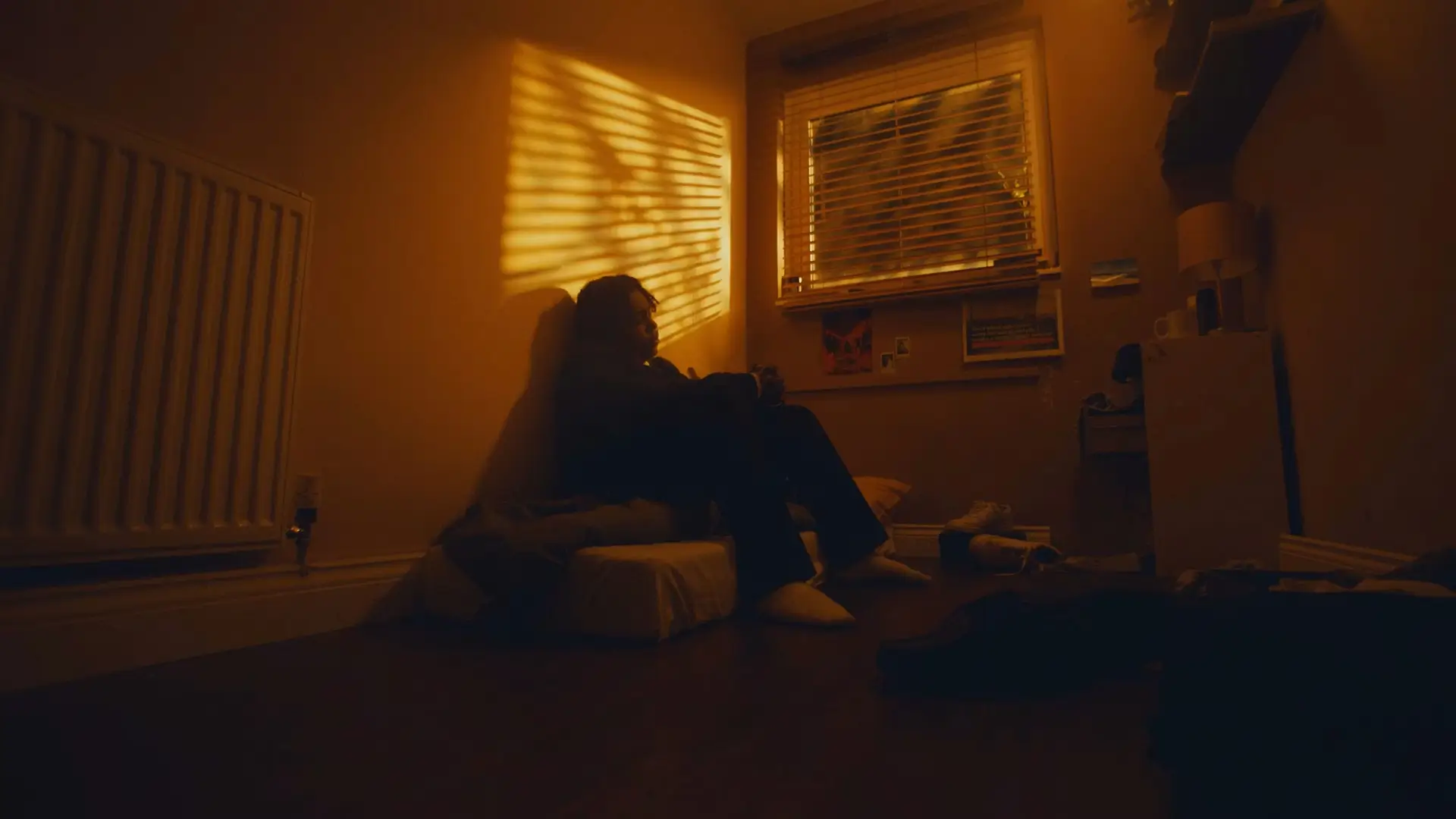
It’s a classic daydream: sell everything, blast Rusted Root’s “Send Me On My Way,” and leave behind the familiar for something entirely different. Maybe it’s a quieter life. Maybe it’s a cheaper one. Maybe it’s simply a second chance.
In some parts of the world — and increasingly, in corners of America — that dream isn’t just alive; it’s more achievable than ever.
Take Pawnee City, Nebraska — population: just under 900. In March 2025, town officials announced Vision 2030, an aggressive initiative offering $50,000 in down payment assistance to people willing to relocate there, buy a home, and invest in the community’s future.
This isn’t just about filling empty houses. It’s about survival — and about the radical reinvention of what “the American Dream” can mean in a new era.
Why Pawnee City (and Places Like It) Are Making Big Moves
Small towns across America are hurting. Pawnee City’s case is typical:
- The downtown district has seen steady decline.
- Businesses shuttered.
- The town recently lost its only bar — a major blow to community life.
- Young people, facing limited job prospects, move away.
- Aging populations remain, creating a looming demographic crisis.
Vision 2030 isn’t just generous — it’s existential. If Pawnee City doesn’t attract new residents soon, the town risks slipping past a point of no return.
By offering $50,000 toward a home purchase, Pawnee City is betting that a meaningful cash incentive can counterbalance the perceived drawbacks of rural life — isolation, fewer amenities, limited entertainment — and attract individuals or families craving affordability, safety, and simplicity.
And it’s working: as of March 27, 115 people had already applied.
The Larger Trend: A Global Push for Revitalization
Pawnee City isn’t alone. Across the world, small towns and rural communities are aggressively wooing newcomers.
Italy: The One-Euro House Movement
Italy’s one-euro home program made international headlines over the past few years — and not just for the jaw-dropping price tag.
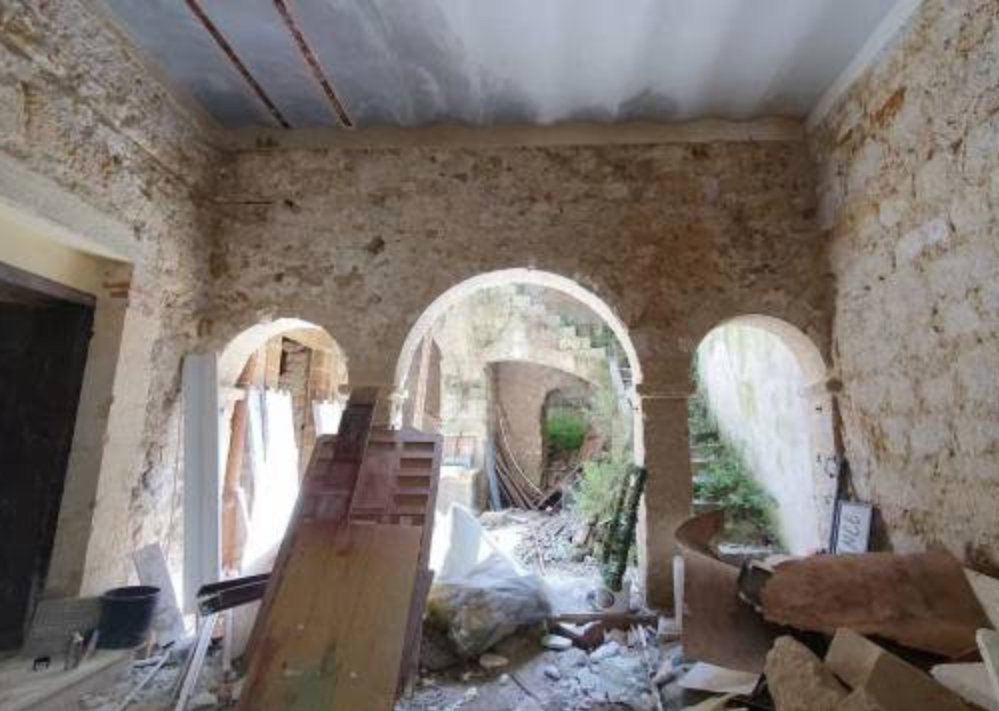
Small towns, especially in Sicily and Sardinia, struggling with crumbling historic centers and population decline, offered ancient homes for 1 euro to foreigners. The idea? Save their villages by enticing dreamers to come, renovate, and stay.
Mayors even directly marketed these opportunities to American audiences, hoping to tap into post-election migration energy. As Francesco Columbu, a mayor in Sardinia, bluntly put it: “We’re ready to welcome those who seek a fresh start.”
But there’s always a catch:
- These homes are often in severe disrepair — partially collapsed or missing roofs.
- Buyers commit to investing tens of thousands of dollars in mandatory restoration.
- Projects must comply with strict regulations to preserve traditional architecture.
Still, for those with patience and vision, it’s an opportunity to own a piece of history at a fraction of the typical cost.
Ireland: Remote Worker Recruitment
Ireland’s rural areas have faced similar struggles. To combat depopulation, towns began offering relocation grants — around €30,000 — to remote workers willing to move into rural “digital hubs” scattered across the countryside.
The pitch is simple:
- Breathtaking landscapes
- Tight-knit communities
- Affordable real estate compared to Dublin or Cork
The government, seeing remote work as a permanent trend post-pandemic, seized the moment to reimagine rural life for a new generation of digital nomads.
Japan: The Fight Against “Akiya”
Japan’s akiya problem — abandoned homes left empty due to urban migration and low birth rates — led local governments to offer extreme incentives.
Some villages offered houses for free or nearly free, sometimes throwing in renovation grants to sweeten the deal. Young families and entrepreneurs were especially encouraged, with the goal of breathing life back into ghost towns.
But again, many of these homes require serious repairs. The process is bureaucratic. And cultural integration in remote Japan can be challenging for outsiders.
The Fine Print: Dreams vs. Reality
The marketing images are alluring: sun-drenched villas, cozy thatched cottages, misty rural valleys. But the reality behind these incentives is more complicated.
Restoration Costs Are High
- A one-euro house in Italy might require $50,000 to $100,000 or more in renovations.
- Rural Japanese homes often need complete infrastructure updates — plumbing, wiring, heating.
Bureaucracy Is Real
- Foreign buyers in Italy and Japan face complex paperwork.
- Approval processes can be slow and riddled with local requirements.
Lifestyle Shocks
- Small-town life moves slowly.
- Services you take for granted — medical care, public transport, fast Wi-Fi — might be limited.
- Integration into local communities can be challenging, especially if language and cultural differences are significant.
Economic Realities
- Remote work opportunities are critical. If your job can’t move with you, sustaining rural life can be tough.
- Local economies often can’t offer the same income opportunities as cities.
In short: the dream is real, but it demands hard work, flexibility, and patience.
Why Now? Timing and Opportunity
This new wave of relocation programs didn’t happen randomly. It reflects a collision of trends:
- Post-Pandemic Remote Work: Millions realized they didn’t need to live in crowded cities to do their jobs.
- Cost of Living Crises: Housing affordability in major cities continues to plummet.
- Changing Priorities: Quality of life — safety, space, community — increasingly trumps status or urban excitement.
- Aging Infrastructure: Small towns urgently need younger residents to sustain schools, hospitals, and services.
These factors make now an unusually good time to consider radical relocation — for those bold enough to embrace uncertainty.
Is It Right For You? A Self-Check
Thinking about chasing a Vision 2030 incentive or buying a one-euro Italian villa? Here’s what to ask yourself:
- Are you financially prepared for hidden costs?
Renovations, legal fees, moving expenses — they add up fast. - Can your job move with you?
Remote work or freelancing is critical unless you’re ready to launch a local business. - Are you ready for a cultural shift?
Especially overseas, adapting to a new way of life requires openness and patience. - Do you crave community over convenience?
Small towns can be rich in friendships — but poor in Amazon deliveries. - Are you okay being “the outsider” for a while?
Integration can take time, especially in tight-knit rural communities.
If you answered yes to most, you might just be ready to chase the dream.
The Bigger Picture: A Chance for Mutual Revival
When someone moves to a place like Pawnee City or remote Sardinia, it isn’t just the individual finding a new beginning.
The town finds one too.
- A house gets saved instead of abandoned.
- A street regains life.
- A coffee shop opens.
- A school gets a few more students.
- A future, uncertain just years before, starts to brighten.
At its best, this exchange is symbiotic:
New residents gain affordability, space, and the chance to make a real emerge.
Communities regain energy, purpose, and a shot at sustainability.
It’s a reminder that despite all the headlines about division and decline, some places — and people — are still willing to bet on hope.
Conclusion: Send Me On My Way
Packing up and starting over is scary. It demands courage to leave behind convenience, familiarity, and maybe even status.
But across America and the world, programs like Vision 2030 offer a real invitation: Come help build something new. Come be part of a story still being written.
Not every clickbait “paradise for free” ad delivers the dream exactly as promised. But hidden inside the fine print — buried under the required repairs, cultural hurdles, and practical realities — lies something increasingly rare in the modern world:
A chance.
A real, tangible chance to claim a piece of a town’s future — and your own.
And sometimes, that’s worth more than a million-dollar condo in a crowded city.
Sometimes, all you need is a moving van, a sturdy playlist, and the courage to hit the road.
Send me on my way, indeed.