Review: Paul Thomas Anderson’s Oscar Triumph Defines a Landmark Night for Modern Cinema

March 16, 2026
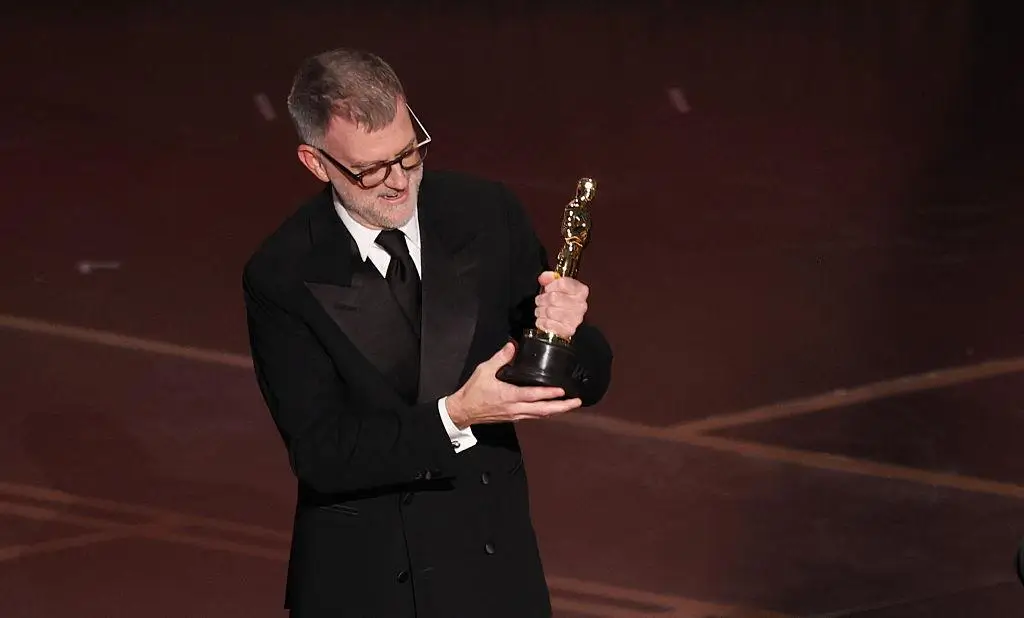
The final envelope of the evening confirmed what much of the awards season had been quietly forecasting: a decisive coronation for one of modern cinema’s most uncompromising auteurs. At the 97th Academy Awards, Paul Thomas Anderson completed a triumphant campaign as his latest film emerged the clear victor of the night, taking home six Academy Awards, including Best Picture and Best Director.
For a filmmaker long revered by critics and cinephiles, the moment represented more than a victory for a single project. It marked the culmination of decades of cinematic craftsmanship—an acknowledgment that Anderson’s intricate storytelling, visual precision, and unwavering artistic voice have become essential pillars of contemporary filmmaking.
Yet the evening was hardly a solitary triumph. Competing films delivered major wins of their own, with Sinners earning four awards—including Best Actor for Michael B. Jordan—while the animated phenomenon KPop Demon Hunterscaptured the imagination of audiences and Academy voters alike. Meanwhile, Jessie Buckley completed a remarkable awards-season sweep with her win for Best Actress in Hamnet.
The ceremony ultimately reflected a broader truth about the modern Oscars: cinema is thriving across genres, from sweeping prestige dramas to animated pop spectacles and technically daring visual achievements.
View this post on Instagram
stir
For Anderson, the six-award haul was both historic and deeply symbolic. Known for crafting ambitious films that blend emotional intensity with formal experimentation, the director had spent decades as one of Hollywood’s most respected yet frequently overlooked figures in the Academy race.
This year changed everything.
The Academy recognized his film across multiple categories, with victories that underscored both artistic vision and technical excellence. The Best Picture award cemented the film’s status as the defining cinematic achievement of the year, while Best Director acknowledged Anderson’s singular ability to shape performances, atmosphere, and narrative into a cohesive emotional experience.
Anderson’s previous works—from Boogie Nights to There Will Be Blood and Phantom Thread—had long been regarded as landmarks of modern cinema. Yet the Oscars had often eluded him. His latest project finally delivered the decisive breakthrough, rewarding the meticulous craftsmanship that has defined his career.
In his acceptance speech, Anderson spoke less about victory and more about collaboration, praising the cast and crew who helped bring the film to life. His remarks echoed the philosophy that has long guided his work: cinema is not the triumph of a single auteur but the result of collective creativity.
Still, there was little doubt that the evening belonged to him.
View this post on Instagram
an emotive
If Anderson’s film dominated the night, Sinners proved the most formidable competitor.
The film’s four wins reflected both emotional impact and technical brilliance. Chief among them was Best Actor for Michael B. Jordan, whose performance anchored the film with a blend of intensity and vulnerability. For Jordan, the award marked a defining milestone in a career that has already spanned blockbuster franchises, critically acclaimed dramas, and directorial ventures.
His performance in Sinners had been widely praised for its psychological complexity. Rather than relying solely on physical transformation or overt emotional spectacle, Jordan delivered a layered portrayal that resonated deeply with audiences and critics alike.
Equally significant was the recognition of composer Ludwig Göransson, who won Best Original Score. Göransson’s music—already celebrated for projects ranging from Black Panther to Oppenheimer—played a crucial role in shaping the film’s emotional tone. His score balanced orchestral grandeur with modern sonic experimentation, reinforcing the film’s themes of tension and redemption.
Perhaps the most historic moment came with the Best Cinematography win for Autumn Durald Arkapaw, who became the first woman ever to win the Academy Award for cinematography.
Her work on Sinners was widely admired for its painterly compositions and atmospheric lighting. By combining classical visual references with modern camera techniques, Durald Arkapaw crafted imagery that felt both timeless and daringly contemporary.
The win marked a breakthrough not only for the film but also for representation in one of the industry’s most historically male-dominated technical categories.
hamnet
Among the most emotionally resonant victories of the night was the Best Actress award for Jessie Buckley.
Her performance in Hamnet, a cinematic adaptation of Maggie O’Farrell’s celebrated novel, had already earned her major honors across the awards circuit. By the time the Oscars arrived, Buckley had collected trophies from critics’ groups, guilds, and international festivals.
The Academy’s recognition confirmed what many had been saying for months: Buckley delivered one of the most powerful performances of the year.
Hamnet explores the grief and resilience surrounding the death of William Shakespeare’s son, blending historical drama with deeply personal storytelling. Buckley’s portrayal captured the emotional devastation of loss while maintaining a quiet strength that resonated across the film’s narrative.
Her acceptance speech reflected both humility and gratitude. She dedicated the award to storytellers who explore human vulnerability with honesty, emphasizing the importance of cinema as a space for empathy and reflection.
For Buckley, the Oscar represents a defining milestone in a career that has steadily evolved from theater and television into one of the most respected presences in contemporary film.
flow
Animation also claimed a major spotlight during the ceremony.
KPop Demon Hunters, an exuberant blend of pop music spectacle and supernatural action, won Best Animated Feature as well as Best Original Song for the track “Golden.”
The film’s success highlights the increasing global influence of Korean pop culture. By combining the energy of K-pop performance with fantasy storytelling, the movie captured the imagination of audiences worldwide.
“Golden,” the film’s signature musical number, quickly became a cultural phenomenon, dominating streaming platforms and social media. Its Oscar victory reflected not only musical excellence but also the Academy’s growing openness to globally inspired storytelling.
Animated cinema has often been viewed primarily through the lens of family entertainment, yet KPop Demon Huntersdemonstrated how animation can blend genre experimentation, cultural commentary, and blockbuster spectacle.
The result was a film that appealed equally to younger audiences and adult cinephiles.
show
Taken together, the night’s results painted a portrait of contemporary cinema’s diversity.
Prestige drama, historical storytelling, animated fantasy, and technically ambitious filmmaking all found recognition. The awards did not belong exclusively to one genre or creative philosophy.
Instead, the ceremony celebrated the breadth of storytelling that modern filmmakers are bringing to the screen.
Anderson’s victory symbolized the enduring power of auteur-driven cinema, while Sinners showcased the emotional intensity of performance-led storytelling. Hamnet highlighted the enduring appeal of literary adaptation, and KPop Demon Hunters demonstrated how animation can capture global cultural momentum.
These varied successes reveal an industry that continues to evolve, embracing both tradition and innovation.
mundane
The Academy Awards have long been criticized for lagging behind cultural change. Yet recent ceremonies suggest a gradual shift toward broader recognition of global influences, technical innovation, and diverse voices.
The historic win for Autumn Durald Arkapaw is a particularly significant milestone. Cinematography has historically been one of the least diverse branches of filmmaking, with female cinematographers rarely receiving the same opportunities as their male counterparts.
Her victory represents not only personal achievement but also a signal that the industry’s creative leadership is becoming more inclusive.
Similarly, the success of KPop Demon Hunters illustrates how global pop culture can reshape Hollywood storytelling. Films inspired by international music scenes, anime aesthetics, and hybrid genres are increasingly finding both commercial success and critical recognition.
The Oscars are evolving alongside these trends.
cin
Ultimately, the ceremony will be remembered for the moment when Paul Thomas Anderson finally received the full recognition many believed he deserved.
Six awards—including the two most prestigious of the night—confirmed the film’s place as the defining cinematic achievement of the year. Yet the broader narrative of the ceremony lies in the collective success of multiple creative visions.
Michael B. Jordan delivered a career-defining performance. Ludwig Göransson composed one of the year’s most memorable scores. Autumn Durald Arkapaw shattered a historic barrier. Jessie Buckley offered a performance of extraordinary emotional depth. And KPop Demon Hunters reminded audiences that animation can be both wildly entertaining and artistically significant.
Together, these victories reflect a film industry that continues to evolve—technically, culturally, and artistically.
sum
Once the final statuette was handed out and the lights dimmed, the implications of the ceremony began to settle.
For Anderson, the awards cement his status among the greatest filmmakers of his generation. For emerging voices and groundbreaking technicians, the night represented validation that innovation and originality can still triumph within Hollywood’s most traditional institution.
But perhaps the most lasting legacy of the ceremony is the reminder that cinema remains a living art form.
Every year brings new voices, new stories, and new visual languages. And every so often, a single evening captures the momentum of that evolution.



No comments yet.