The Art of Champagne: Perrier-Jouët Belle Époque and Its Iconic Anemone Bottle

March 12, 2026
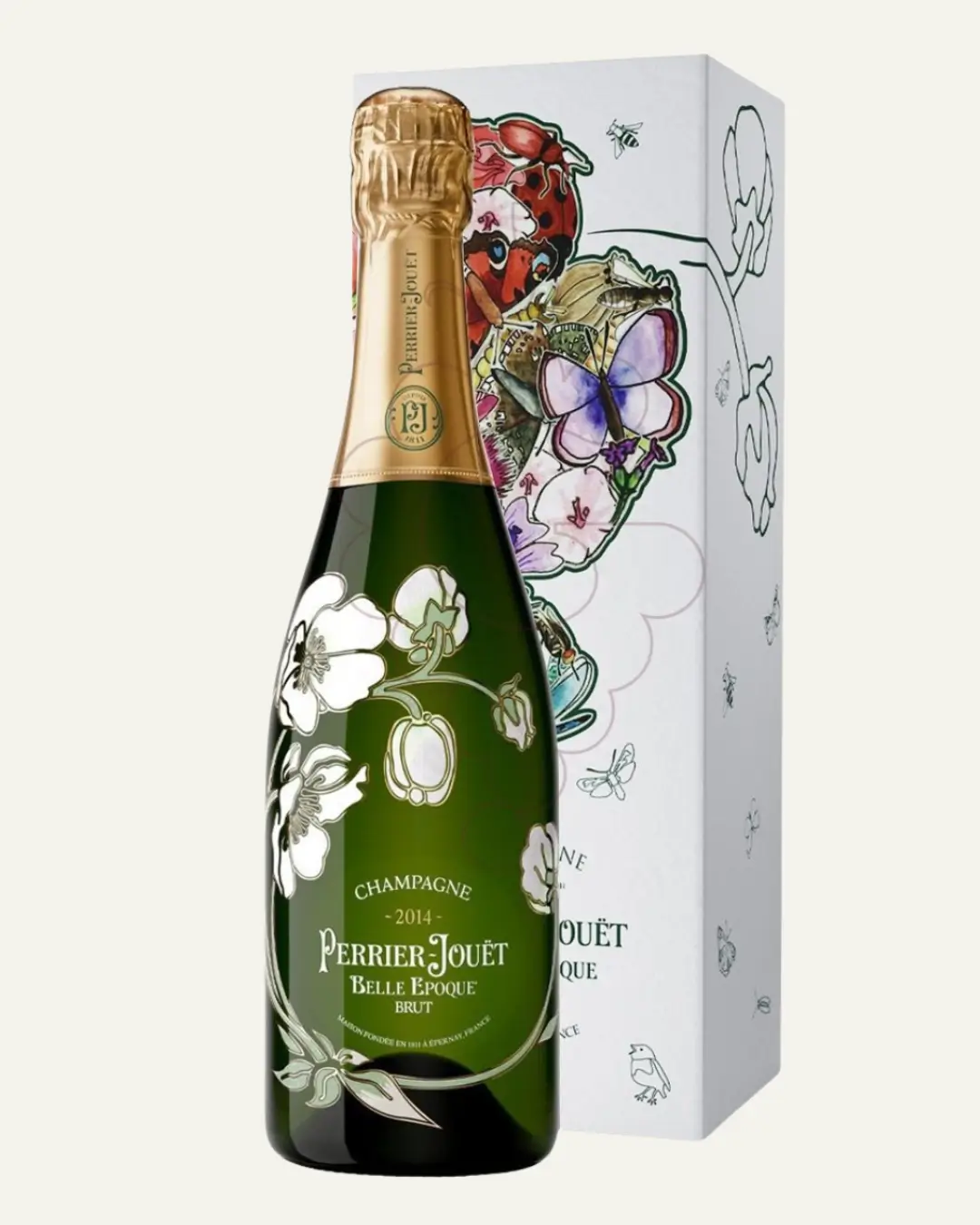
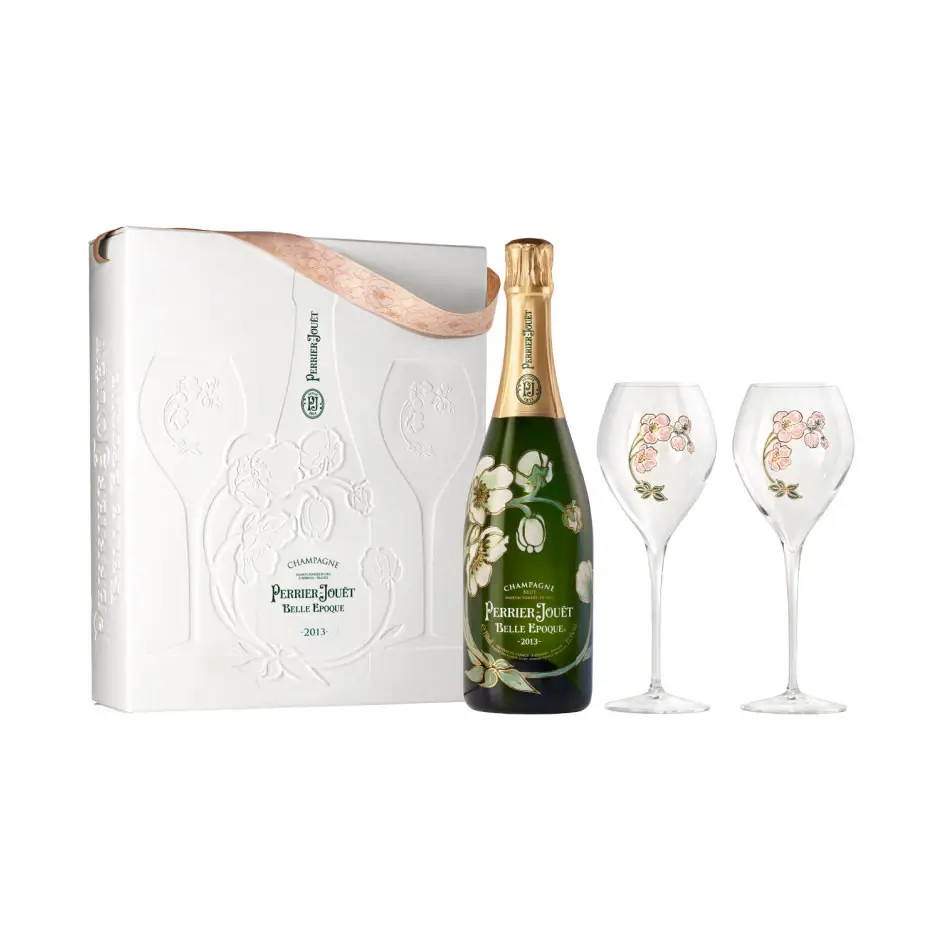
Among the most recognizable prestige cuvées in the world of champagne, Perrier-Jouët Belle Époque occupies a singular space where winemaking and art intersect. Unlike many haute champagnes that lean into opulence or spectacle, Belle Époque has long cultivated a different language—one rooted in refinement, heritage, and visual poetry.
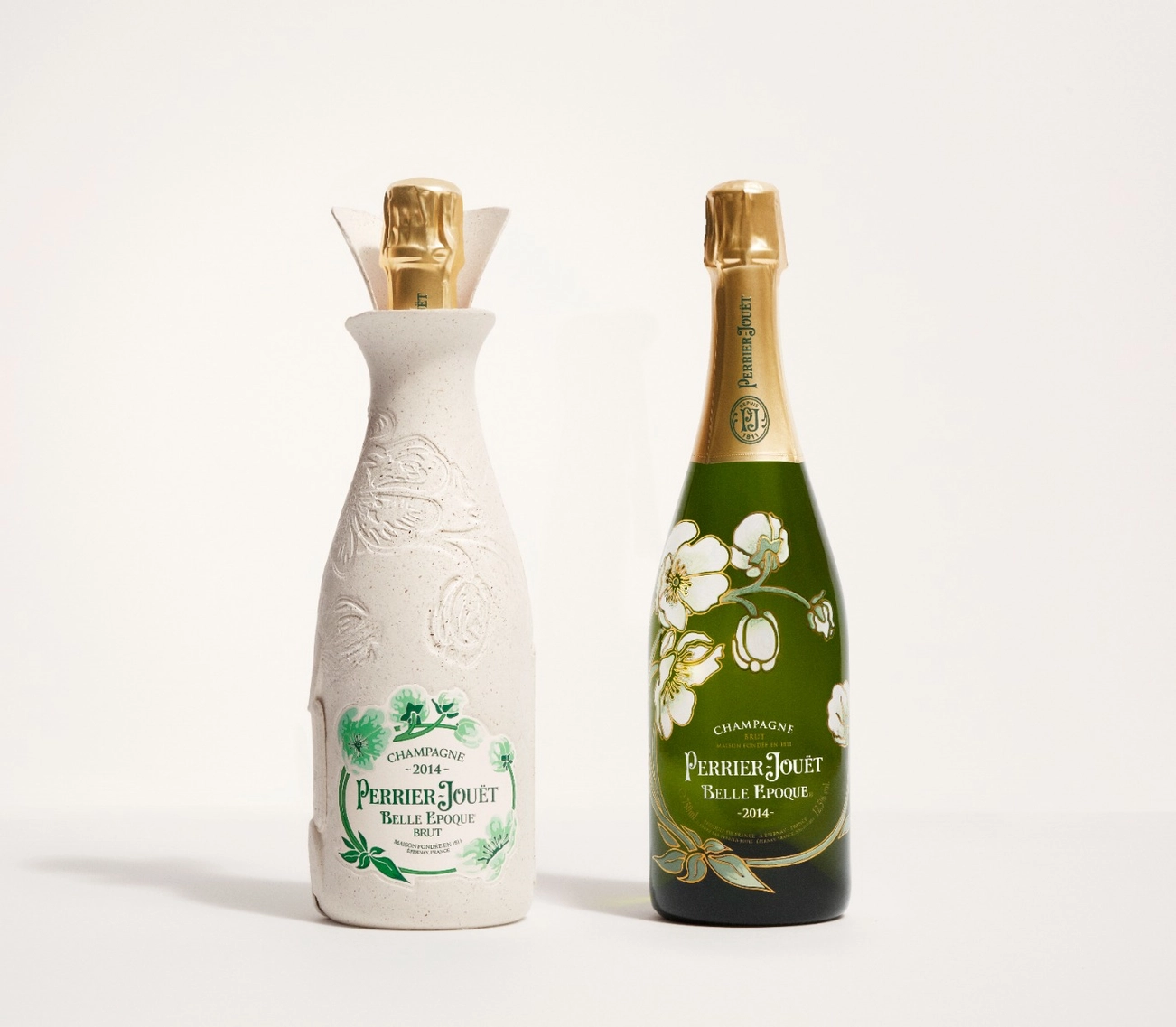
The cuvée embodies a unique philosophy: champagne as both a crafted wine and a cultural object. Its identity is inseparable from the delicate anemone motif adorning the bottle, a floral artwork created in 1902 by the celebrated Art Nouveau artist Émile Gallé. More than a decorative flourish, the design reflects the house’s enduring relationship with art, nature, and the expressive potential of champagne.
Produced only in exceptional vintages, Belle Époque represents the pinnacle of Perrier-Jouët’s house style—an elegant expression defined by floral aromatics, finesse, and remarkable balance. For over half a century since its modern debut in 1964, the cuvée has become synonymous with sophistication and craftsmanship.
origin
To understand Belle Époque, one must first understand the heritage of Perrier-Jouët, a historic champagne house founded in 1811 in the city of Épernay, located in the heart of the Champagne region of France.
The house was established by Pierre‑Nicolas Perrier and his wife Rose‑Adélaïde Jouët, whose shared passion for both viticulture and botany would shape the philosophy of the maison. Their vineyards were cultivated with a focus on harmony with nature—a sensibility that would later echo in the Belle Époque aesthetic.
From its earliest days, Perrier-Jouët distinguished itself through a distinctive house style emphasizing:
-
floral elegance
-
delicate structure
-
Chardonnay-driven finesse
This approach stood in contrast to heavier, more powerful champagnes produced by some contemporaries.
By the late nineteenth century, the house had gained international recognition, exporting to royal courts across Europe and becoming associated with refined taste.
idea
The name Belle Époque refers to a celebrated period in European cultural history spanning roughly 1871 to the outbreak of World War I in 1914.
The era is remembered for:
-
artistic innovation
-
technological optimism
-
flourishing design movements
-
a vibrant café society
Champagne itself played a symbolic role during this time. It became the drink of salons, theaters, and artistic circles.
The Belle Époque cuvée was named to evoke that atmosphere of elegance and creative freedom. It channels the cultural spirit of that age—an age when art, architecture, and craftsmanship flourished under movements like Art Nouveau.
icon
Few champagne bottles in the world are as recognizable as the Belle Époque.
The origin of its design traces back to 1902, when Émile Gallé, one of the most influential figures of the Art Nouveau movement, created a series of hand-painted magnum bottles decorated with white Japanese anemones.
Gallé was renowned for merging nature with decorative art, particularly through glassmaking and botanical illustration. His collaboration with Perrier-Jouët reflected a shared fascination with organic forms and natural beauty.
For decades, the bottles remained largely forgotten within the house’s archives.
It was not until 1964 that the design was rediscovered and revived for a new prestige cuvée. The anemone motif was then adapted for modern production, transforming the bottle into a symbol of both art and champagne heritage.
Today, the Belle Époque bottle functions as a canvas as much as a container—an embodiment of the house’s belief that champagne can be an aesthetic experience before the cork is even pulled.
stir
The modern Belle Époque cuvée debuted with the 1964 vintage, introduced as Perrier-Jouët’s flagship champagne.
Unlike non-vintage expressions that blend wines from multiple years, Belle Époque is produced only in exceptional harvests. Each vintage reflects a specific moment in the Champagne region’s climate and growing season.
The cuvée is typically composed of:
-
approximately 50% Chardonnay
-
around 45% Pinot Noir
-
about 5% Pinot Meunier
This composition underscores the house’s longstanding emphasis on Chardonnay, which contributes floral aromas and finesse.
Grapes are sourced primarily from some of Champagne’s most prestigious vineyards, including those located in the Côte des Blancs, a region renowned for producing exceptional Chardonnay grapes.
The result is a champagne characterized by elegance rather than power—a wine built around subtlety and layered complexity.
flow
Belle Époque is frequently described as one of the most refined champagnes in the prestige category.
Its sensory profile often reveals a delicate and evolving bouquet that may include:
-
white flowers
-
pear and peach
-
citrus zest
-
honey
-
toasted brioche
-
almond notes
On the palate, the champagne is typically:
-
silky in texture
-
balanced in acidity
-
long in finish
What distinguishes Belle Époque is its aromatic finesse. Many champagne critics describe it as almost perfumed, reflecting the Chardonnay influence and the house’s floral signature.
The bubbles are fine and persistent, contributing to an elegant mouthfeel that enhances the wine’s complexity without overwhelming its subtler notes.
transient
Like many prestige champagnes, Belle Époque possesses strong aging potential.
A typical vintage may spend six to eight years aging on lees before release, allowing the wine to develop depth and texture.
With additional cellaring, the champagne can evolve dramatically. Fresh fruit aromas gradually transform into more complex characteristics such as:
-
roasted hazelnut
-
honeycomb
-
dried fruit
-
warm pastry
Some vintages remain vibrant even after two decades, illustrating the structural balance achieved by Perrier-Jouët’s winemaking approach.
vin
Over the decades, several Belle Époque vintages have gained particular recognition among collectors and sommeliers.
The 1996 vintage, for instance, is widely regarded as one of Champagne’s greatest years due to its extraordinary balance between acidity and ripeness.
Other notable releases include:
-
1985
-
2002
-
2008
-
2012
Each vintage expresses subtle variations influenced by climate conditions during the growing season.
Warmer years often produce richer fruit profiles, while cooler vintages emphasize mineral freshness and precision.
the huh
While the classic Belle Époque is celebrated for its pale gold elegance, the house also produces Belle Époque Rosé, a rarer expression of the cuvée.
Rosé champagne is typically created by blending still red wine with white champagne base wines. In this case, Pinot Noir contributes both color and structure.
The rosé version offers a slightly more intense profile featuring notes of:
-
wild strawberries
-
raspberries
-
blood orange
-
rose petals
Despite its richer fruit character, the wine retains the signature finesse associated with Perrier-Jouët.
germaine
Art has remained central to Perrier-Jouët’s identity for more than a century.
In recent decades, the house has partnered with designers and contemporary artists to reinterpret the Belle Époque aesthetic. Installations and collaborations have appeared at events such as Design Miami and Art Basel, reinforcing the maison’s longstanding dialogue with the art world.
These creative initiatives often explore themes such as:
-
nature
-
biodiversity
-
craftsmanship
-
sustainability
By commissioning artists to engage with the house’s heritage, Perrier-Jouët extends the legacy of Émile Gallé into contemporary design culture.
sustainable
The modern champagne industry faces increasing environmental pressures, including climate change and soil degradation.
Perrier-Jouët has responded by implementing sustainability programs across its vineyards.
Key initiatives include:
-
reduced pesticide use
-
biodiversity preservation
-
ecological vineyard management
Many vineyard plots now incorporate wildflowers and natural vegetation to support pollinators and maintain healthy soil ecosystems.
This ecological approach reflects the house’s original botanical roots and reinforces the connection between nature and champagne.
culture
Beyond the world of wine, Belle Époque has become an emblem of celebration within luxury culture.
The distinctive bottle frequently appears at:
-
haute cuisine restaurants
-
film festivals
-
fashion events
-
private celebrations
Its presence carries symbolic meaning—less about extravagance and more about refined enjoyment.
In this sense, Belle Époque operates as a cultural signifier. Opening a bottle often marks a moment worth remembering.
encompass
Due to its delicate structure and aromatic complexity, Belle Époque pairs well with refined cuisine rather than heavy dishes.
Common pairings include:
-
oysters and shellfish
-
scallop carpaccio
-
lobster
-
delicate poultry dishes
-
truffle-infused risotto
The champagne’s acidity cuts through richness while its floral notes complement subtle flavors.
For rosé versions, dishes featuring duck or berry sauces often create particularly harmonious pairings.
fwd
As climate conditions shift across the Champagne region, producers are adapting their vineyard strategies and harvest timing.
For Perrier-Jouët, the challenge lies in maintaining the signature floral style that defines Belle Époque.
Winemakers increasingly focus on precision harvesting and vineyard selection to preserve the balance between freshness and ripeness.
Despite evolving conditions, the philosophy behind the cuvée remains unchanged: champagne should express elegance, nature, and artistry.
sum
Perrier-Jouët Belle Époque stands as more than a prestige champagne. It represents a rare fusion of craftsmanship, heritage, and artistic expression.
From the vineyards of Champagne to the Art Nouveau brushstrokes of Émile Gallé, every element of the cuvée reflects a commitment to beauty and refinement.
More than sixty years after its modern debut, Belle Époque continues to embody the spirit of its namesake era—a time when art, design, and culture flourished in harmony.
Opening a bottle is therefore not simply an act of drinking champagne.
It is a quiet celebration of history, craftsmanship, and the enduring elegance of one of Champagne’s most poetic wines.

No comments yet.