Port Canvas Double Utility Tote: Maine-Built Permanence

March 31, 2026
2 hours ago
refine
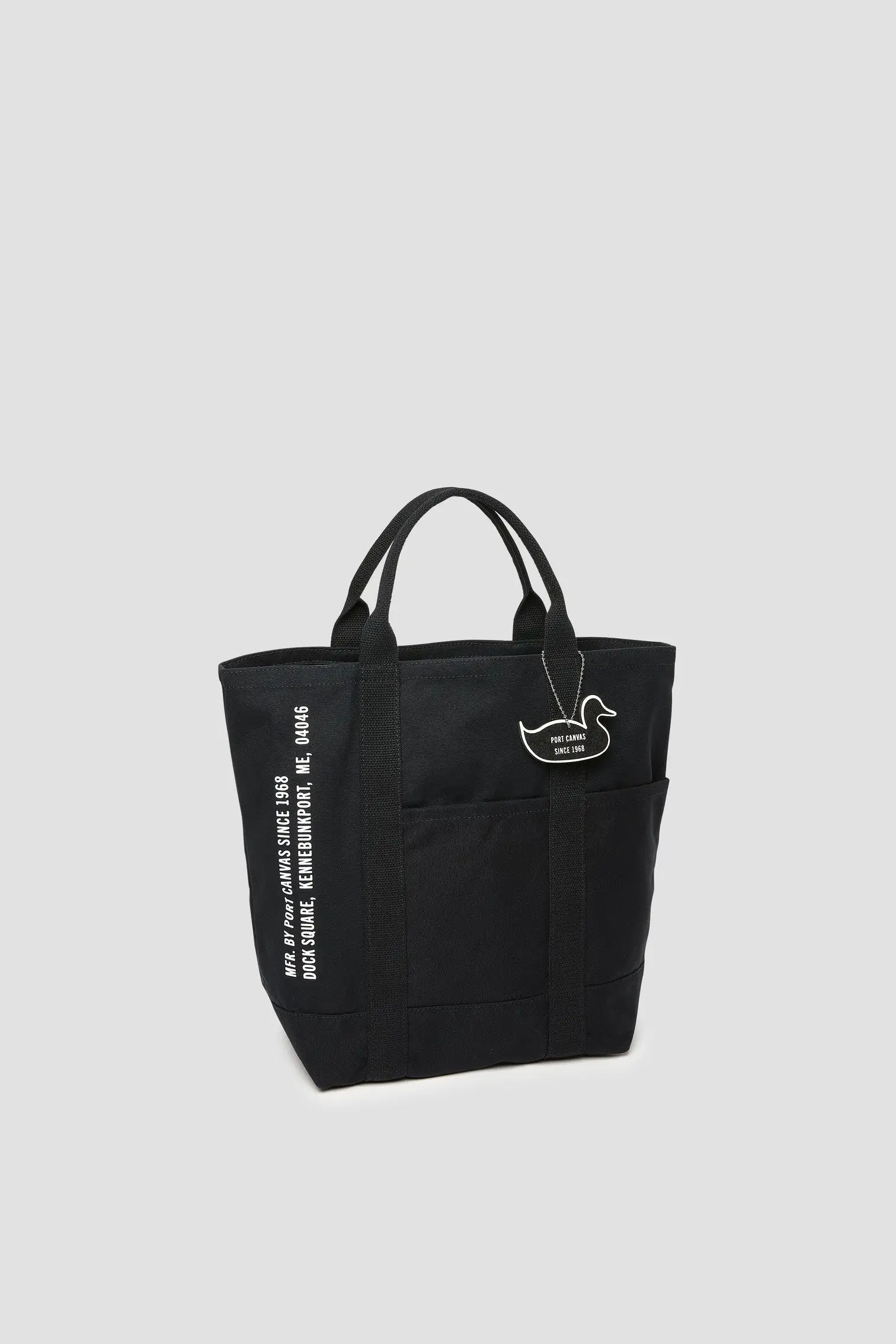
The Port Canvas Double Utility Tote sits within a lineage that traces back to 1968, when sailmakers along the coast of Maine began transforming surplus canvas into durable, purpose-built bags. That origin point is not merely historical garnish—it informs the object’s proportions, material logic, and resistance to trend volatility. In the Double Utility Tote, the brand reframes its earliest principles through a more articulated, compartment-driven silhouette, maintaining fidelity to its utilitarian DNA while accommodating the layered demands of contemporary daily life.
Unlike the archetypal open-top tote, which privileges simplicity over structure, this model introduces segmentation without compromising the visual restraint that defines Port Canvas. The result is a bag that reads as both archival and quietly progressive—an evolution rather than a deviation.
View this post on Instagram
style
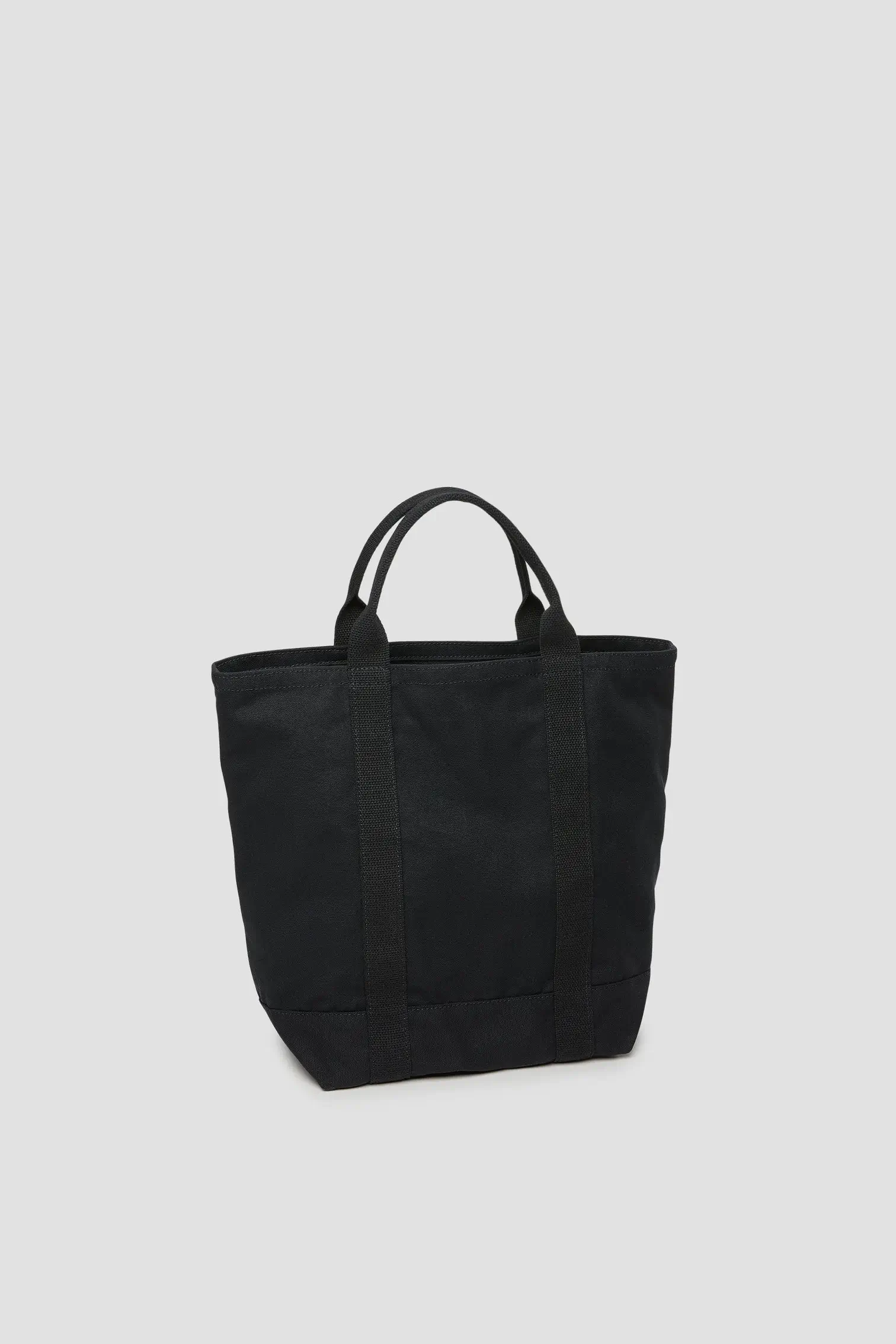
At the core of the Double Utility Tote is a dense, heavy-weight cotton duck canvas—uncoated, tactile, and intentionally rigid at first touch. This material choice is foundational, not aesthetic. It allows the bag to hold shape under load, resist abrasion over time, and develop a patina that reflects use rather than fatigue.
The canvas is typically left in a natural, undyed state or paired with restrained color blocking—navy, black, or heritage tones—applied at the handles and base. This chromatic economy reinforces the object’s workwear origins. Stitching is visible, unapologetically so, functioning as both reinforcement and visual rhythm. Over time, stress points soften, edges round, and the bag acquires a lived-in character that cannot be replicated synthetically.
struct
The Double Utility Tote’s construction reveals a disciplined approach to reinforcement. Handles are extended and cross-stitched into the body, distributing weight across a larger surface area. This is not decorative—it prevents tearing under repeated strain. The base is often doubled or reinforced, allowing the bag to stand upright when partially filled, an understated but crucial ergonomic advantage.
There is a deliberate absence of superfluous hardware. No overt branding plaques, no ornamental fastenings. Where metal appears—if at all—it is functional, often in the form of rivets or simple closures. This restraint preserves the bag’s lightness and ensures longevity; fewer components mean fewer points of failure.
flow
What distinguishes this model is its dual-compartment philosophy. The “double utility” is not a marketing phrase but a literal structural proposition. External pockets—often symmetrical—provide quick-access storage for items that would otherwise disappear into the void of a traditional tote: keys, notebooks, small tools, or a phone.
Internally, the space remains generous but subtly guided. Some versions include additional pockets or detachable pouches, allowing the user to modulate organization depending on context. This adaptability is key. The bag transitions from work to leisure, from studio to transit, without requiring reconfiguration.
The compartments do not interrupt the bag’s silhouette. Instead, they are integrated into the canvas body, maintaining a clean profile while expanding functionality. It is an exercise in quiet complexity—visible only upon use.
erg
The tote’s proportions are calibrated for daily carry rather than occasional use. Handle drop is sufficient for shoulder wear, yet short enough to maintain control when carried by hand. The width accommodates documents, light groceries, or a change of clothing, while the depth ensures that weight is distributed vertically rather than bulging outward.
This balance contributes to the bag’s versatility. It does not signal a singular purpose—neither strictly work bag nor purely casual accessory. Instead, it occupies an in-between space that aligns with contemporary patterns of movement, where boundaries between professional and personal environments are increasingly fluid.
show
Visually, the Double Utility Tote resists overt stylization. Its appeal lies in proportion, texture, and the subtle interplay of materials. The natural canvas, when paired with darker trims, creates a contrast that is both classic and adaptable. It complements rather than competes with the wearer’s wardrobe.
In a landscape saturated with logo-driven accessories, this restraint reads as intentional. The bag does not announce itself; it reveals itself through use. Creases form, color shifts slightly, and the object becomes individualized over time. This slow transformation is central to its aesthetic value.
story
Durability is not framed here as mere resistance to wear, but as an invitation to it. The canvas absorbs traces of daily life—sun exposure, handling, minor abrasions—each contributing to a surface that evolves rather than degrades. Handles soften, edges darken, and the bag becomes a record of movement.
This temporal dimension distinguishes Port Canvas from more transient accessories. The Double Utility Tote is not designed for seasonal rotation. It is intended to remain in circulation, accruing meaning through continued use.
sum
The resurgence of interest in objects like the Double Utility Tote reflects a broader cultural shift toward durability, repairability, and material honesty. In an era defined by rapid consumption cycles, the appeal of a bag that improves with age—and resists obsolescence—becomes increasingly pronounced.
Port Canvas does not position itself as a luxury brand in the conventional sense. Yet the tote’s construction, material quality, and longevity align with a more nuanced understanding of value—one that prioritizes endurance over novelty. This places the Double Utility Tote in a distinct category: accessible, yet considered; simple, yet exacting.
Closing Reflection: A System, Not Just a Bag
The Port Canvas Double Utility Tote functions less as a standalone accessory and more as a portable system—a framework for organizing and carrying the fragments of daily life. Its design does not impose behavior; it accommodates it. Pockets suggest possibilities, structure supports variation, and material invites continuity.
In this sense, the tote embodies a form of design intelligence that is often overlooked: the ability to remain relevant without constant reinvention. It is not a statement piece, nor does it aspire to be. Instead, it offers a stable, adaptable presence—one that integrates seamlessly into the rhythms of use, while quietly asserting the enduring value of well-considered construction.