Review: POSA Golf and The Architecture of Scarcity Applied to Golf

April 12, 2026
8 hours ago
closed
The first encounter with POSA Golf rarely resembles a traditional brand discovery. There is no scrolling homepage, no catalog grid, no editorial campaign laid out for immediate consumption. Instead, there is a locked interface — a password field, a timestamp, a minimal instruction. It reads less like commerce and more like a coded invitation.
This absence is not accidental. It is the architecture of the brand itself.
POSA Golf operates through a logic of restriction. Where most contemporary labels chase visibility, POSA refines the opposite instinct: to be seen only at the right moment, by the right audience, under the right conditions. The landing page is not incomplete — it is the first layer of the narrative. It communicates, without excess explanation, that access must be earned or timed.
In a digital landscape saturated with immediacy, POSA constructs delay.
idea
Pluto of St Andrews is not merely a retail space or a brand; it is a cultural translation site, positioned within one of the most historically charged geographies in sport. St Andrews, often referred to as the “home of golf,” carries centuries of ritual, etiquette, and aesthetic continuity. The town itself functions as a living archive of golf’s identity: muted tones, structured silhouettes, quiet codes of dress.
Pluto interrupts that continuity without rejecting it.
Instead of dismantling golf’s heritage, Pluto reframes it through the lens of contemporary street culture — particularly the visual language shaped by skateboarding, independent publishing, and graphic experimentation. The founder, Roberto “Tiko” Abitbol, carries a background connected to Palace Skateboards, and that lineage is crucial. Palace did not simply produce clothing; it cultivated a closed-loop culture, where drops, timing, and insider awareness became part of the brand’s identity.
POSA Golf inherits this methodology.
View this post on Instagram
stir
POSA Golf is best stood not as a standalone label, but as a focused extension — a capsule logic applied to golf.
It exists at the intersection of:
- archival golf aesthetics
- contemporary graphic design
- streetwear distribution mechanics
The product itself, when visible, tends toward a tightly edited range:
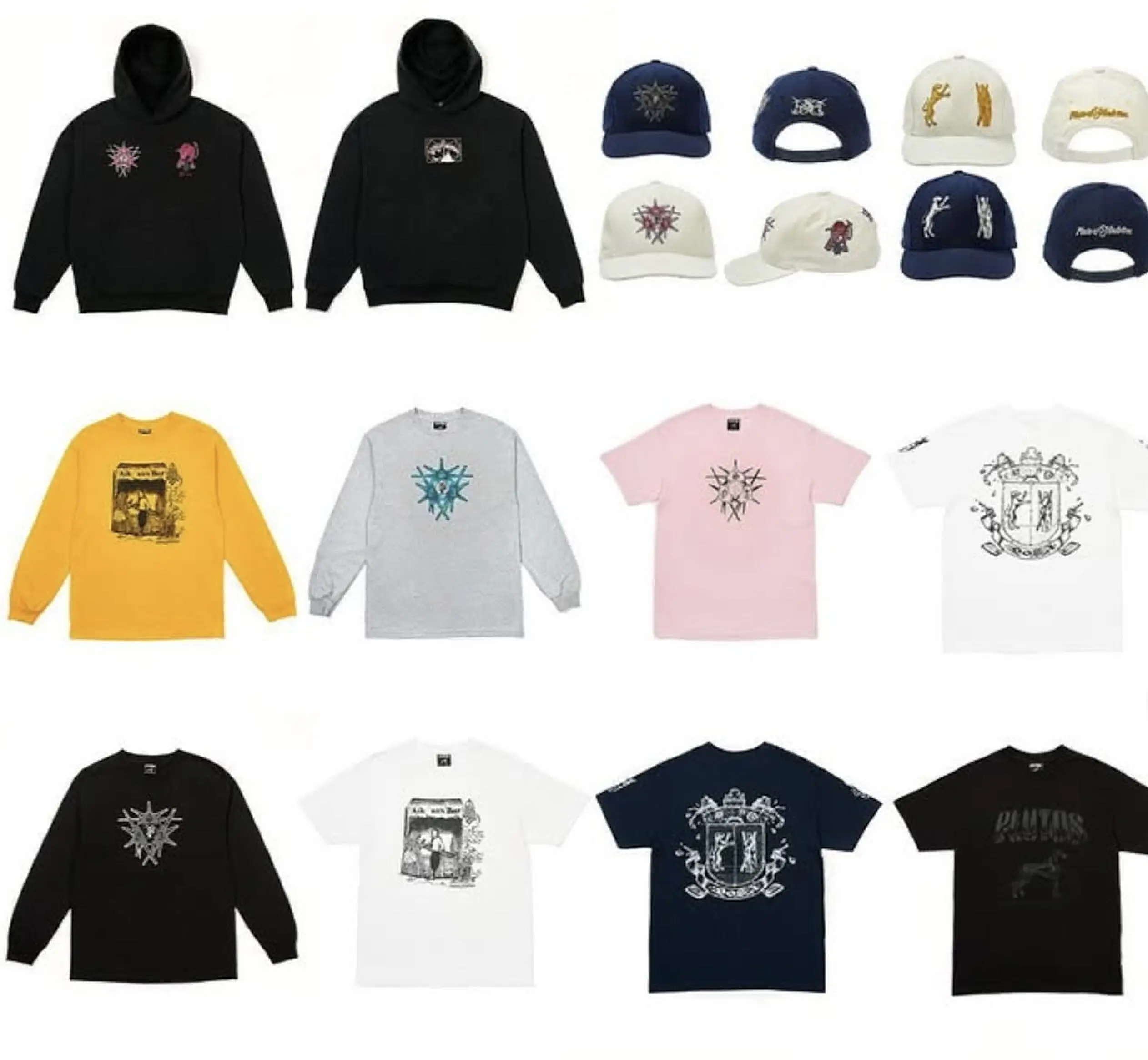
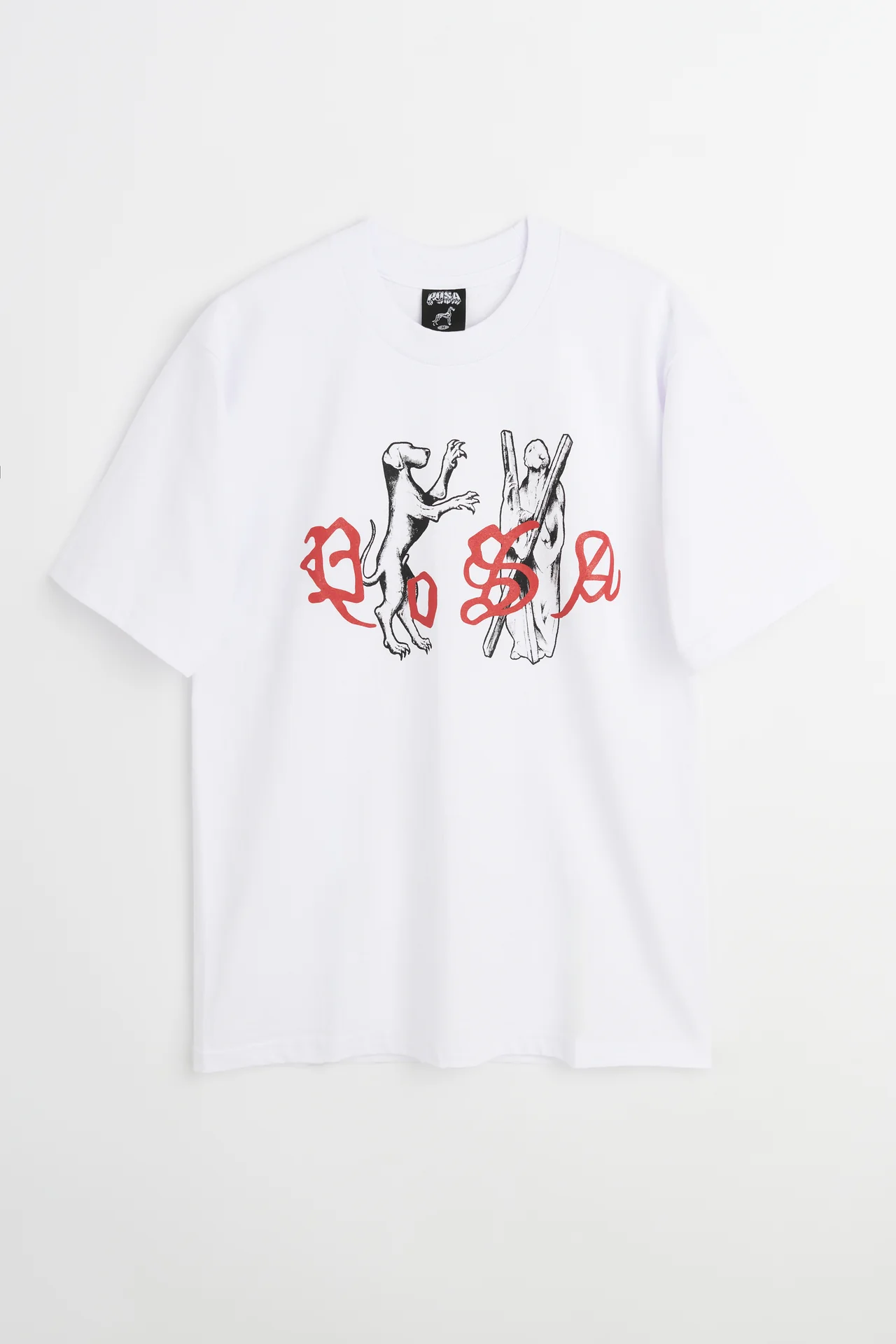
- logo-centric garments
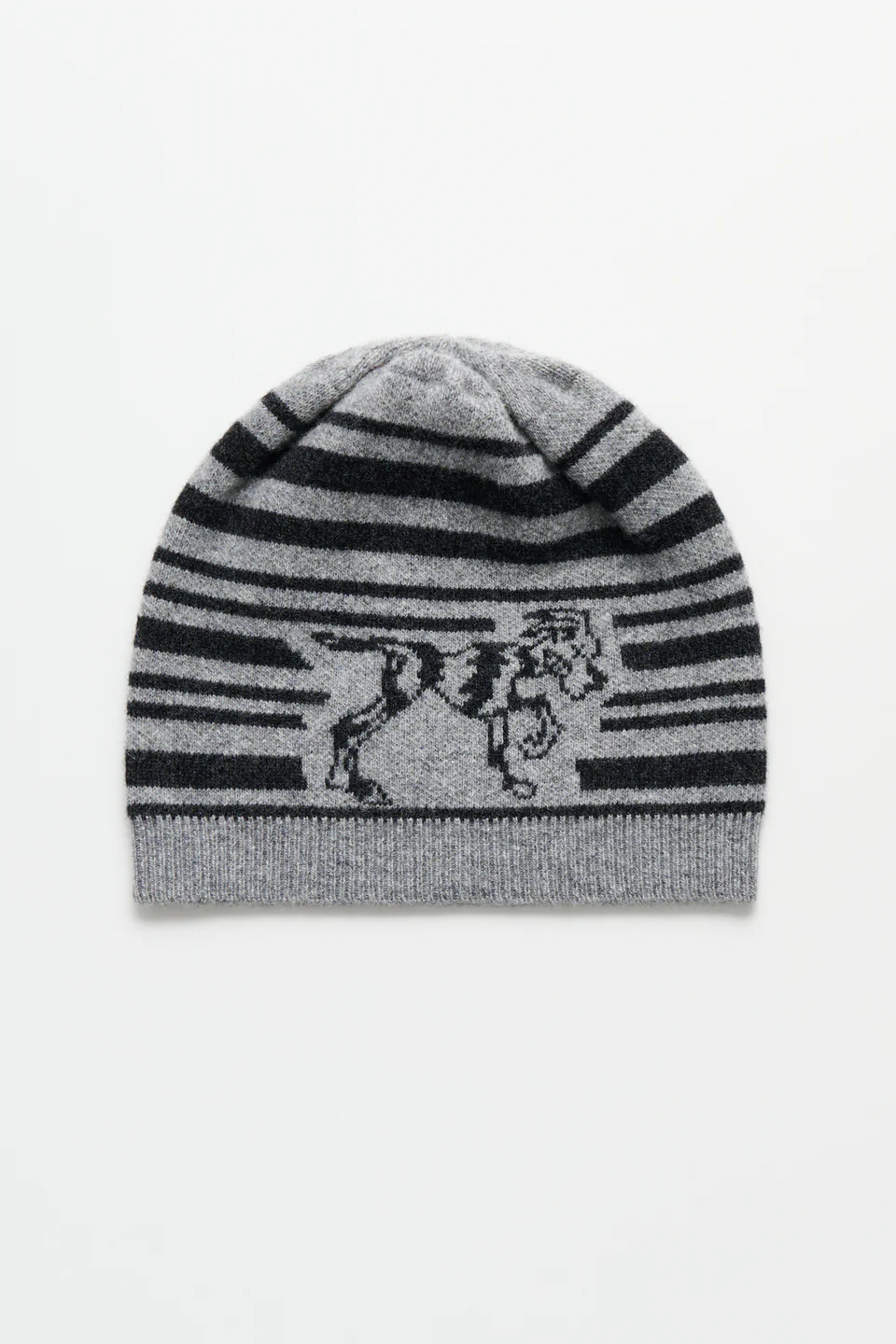
- knitwear and layering pieces
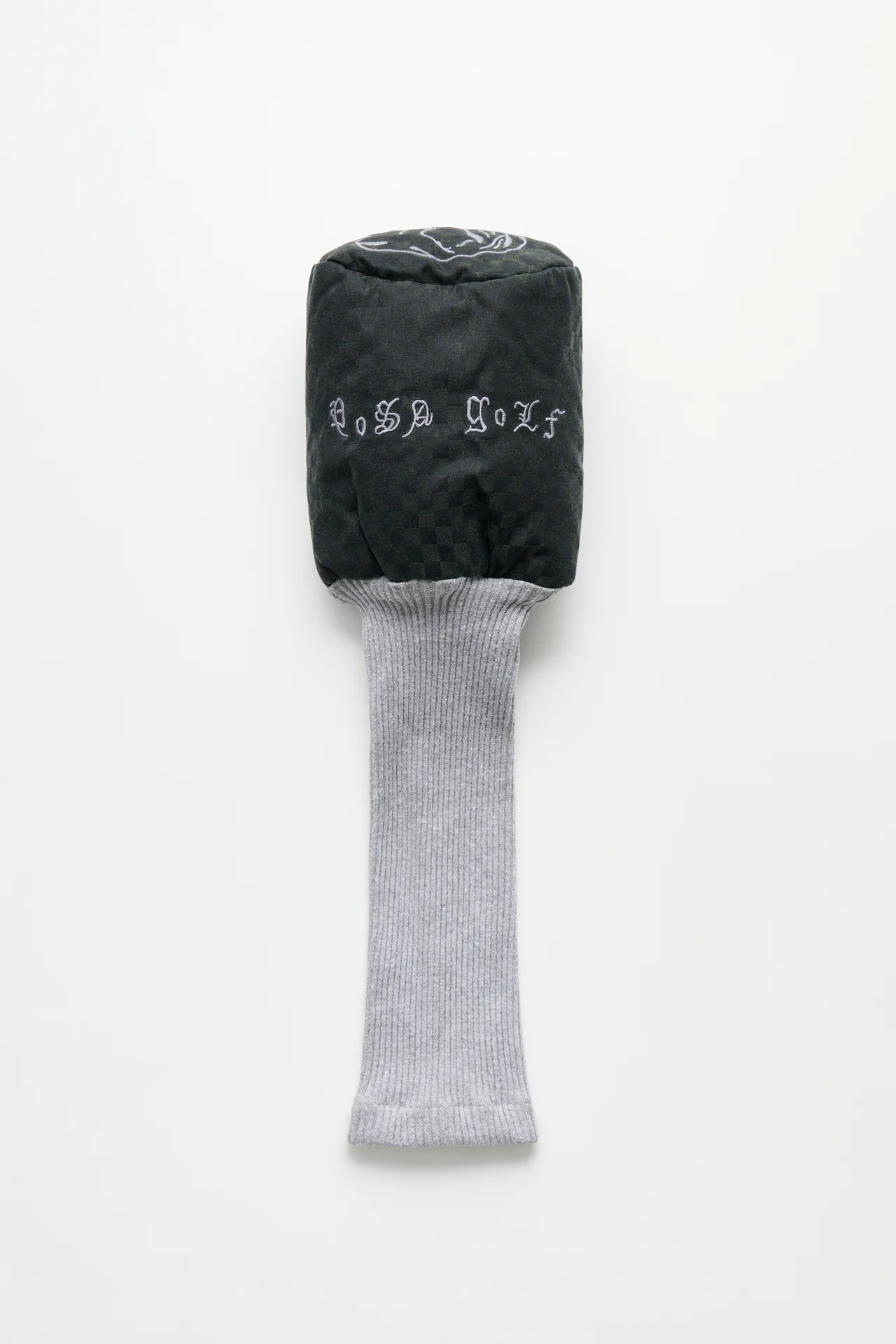
- golf accessories (headcovers, towels, gloves)
- reinterpretations of traditional silhouettes
Yet describing the items alone misses the point. POSA is not built around volume or seasonal turnover. It is constructed around moments.
Each release behaves like an event:
- time-bound
- access-restricted
- minimally explained
The clothing becomes secondary to the structure of release.
view
Golf, as a sport, has always been unusually visual. Long before streetwear adopted logos as cultural markers, golf developed its own coded language of dress:
- argyle patterns
- structured polos
- tailored trousers
- subdued color palettes
These elements were not merely aesthetic; they were signals of belonging, tied to class, geography, and etiquette.
POSA Golf approaches this system not as something to reject, but as something to decode and distort.
Where traditional golf attire prioritizes restraint, POSA introduces:
- graphic exaggeration
- unexpected typography
- conjured or ironic logo treatments
The result is not parody, but tension. The garments retain the silhouette logic of golf while shifting its visual tone. A headcover, historically a functional object, becomes a site for graphic expression. A knit, once conservative, becomes a canvas for cultural reference.
This is where POSA aligns more closely with art direction than apparel manufacturing.
tred
Scarcity, in POSA’s case, is not a byproduct of limited production. It is a deliberate design choice embedded into the brand’s structure.
The locked website functions as:
- a filter
- a signal
- a temporal checkpoint
Access may be distributed through:
- Instagram posts
- ephemeral stories
- private communications
The absence of a continuous retail interface ensures that there is no passive consumption. One cannot browse POSA; one must encounter it.
This model echoes early digital streetwear practices, particularly those refined by brands like Supreme and Palace, where the drop itself becomes a cultural event. However, POSA extends this logic further by removing even the anticipation of a visible catalog. The product remains partially obscured until the moment of release.
In doing so, POSA transforms scarcity into narrative.
alert
POSA Golf’s primary public-facing channel is Instagram, yet it resists the conventions of social media marketing.
Rather than:
- consistent posting
- product breakdowns
- influencer amplification
the account operates as a signal system:
- timestamps
- cryptic announcements
- minimal visual context
The feed reads less like a brand profile and more like a dispatch log.
This approach aligns with a broader shift in niche fashion culture, where visibility is no longer the goal. Instead, the aim is controlled discoverability — to be found, but only by those already attentive.
blur
In the evolving space of golf-meets-streetwear, several brands have emerged as reference points:
- Malbon Golf
- Metalwood Studio
- Students Golf
Each reinterprets golf through a contemporary lens, blending heritage with modern design sensibilities.
POSA shares this territory, yet it diverges in its degree of opacity.
Where Malbon builds a lifestyle narrative and accessible retail presence, POSA withdraws. Where Metalwood leans into nostalgia and storytelling, POSA fragments its narrative into glimpses. Where Students Golf embraces community visibility, POSA cultivates a quieter, more insular audience.
This distinction is subtle but significant. POSA is less concerned with redefining golf for a broader audience and more interested in reframing it for a specific, culturally literate subset.
role
St Andrews is not a neutral backdrop. It is a symbolic anchor.
By situating its origin within this environment, POSA engages directly with golf’s most established mythology. The contrast becomes sharper:
- centuries-old tradition
- contemporary streetwear disruption
Yet the relationship is not antagonistic. POSA does not seek to dismantle St Andrews’ legacy; it absorbs and refracts it.
The garments, the graphics, even the release mechanics all carry a sense of place-aware design. There is an understanding that golf’s identity is tied not just to clothing, but to landscape, ritual, and time.
POSA introduces a new layer to that identity — one that acknowledges history while subtly altering its presentation.
aesthetic
When POSA products surface, they often feel less like seasonal items and more like artifacts.
This is partly due to:
- limited availability
- minimal documentation
- absence of traditional marketing
Without an abundance of imagery or descriptive copy, each piece carries a degree of ambiguity. Ownership becomes tied not just to the object itself, but to the experience of acquiring it.
mood
If traditional brands operate on seasonal calendars — Spring/Summer, Fall/Winter — POSA operates on event time.
Releases are not tied to predictable cycles. Instead, they emerge intermittently, often with little notice. This unpredictability becomes part of the brand’s identity.
To engage with POSA is to adopt a different rhythm:
- checking for updates
- responding quickly
- accepting the possibility of missing out
This temporal structure reinforces the sense that POSA is not simply a brand, but a system of interaction.
shh
The password-protected site is perhaps the most defining feature of POSA’s public perception.
Psychologically, it creates:
- curiosity
- exclusivity
- a sense of insider knowledge
But beyond these immediate effects, it also establishes a boundary. It separates those who encounter the brand casually from those who actively pursue access.
This boundary is not static. It shifts with each drop, each announcement, each moment of visibility. The gate opens briefly, then closes again.
In this cycle, POSA constructs a narrative of temporary access.
culture
Within the broader landscape of fashion and culture in 2026, POSA Golf occupies a specific niche.
It aligns with a growing interest in:
- sport as cultural material
- heritage reinterpreted through contemporary design
- controlled digital presence
At the same time, it resists the pressures of scalability and constant output. It does not aim to dominate the market or saturate feeds. Instead, it maintains a deliberate smallness.
fin
POSA Golf does not present itself in full. It reveals itself in fragments:
- a locked page
- a timestamp
- a fleeting Instagram post
From these fragments, a larger picture emerges — one that repositions golf not as a static tradition, but as a mutable visual system.
In withholding access, POSA creates value. In limiting view, it sharpens identity. In refusing to explain itself fully, it invites interpretation.
The result is a brand that exists as much in its absence as in its presence.
And in that absence, a new form of engagement takes shape — one defined not by browsing or consumption, but by attention, timing, and the quiet recognition of something deliberately out of reach.