
Project Hail Mary (2026): Ryan Gosling Leads an Interstellar Mission to Save Humanity

March 5, 2026

Few modern science fiction novels have captured the imagination of readers as powerfully as Project Hail Mary. Written by Andy Weir, the novel combined hard scientific concepts with emotional storytelling, humor, and the existential stakes of planetary survival. Following the immense success of Weir’s earlier novel The Martian, Hollywood quickly recognized the cinematic potential of his newest story.
Now, in 2026, the novel’s ambitious vision is arriving on the big screen as Project Hail Mary, a sweeping space adventure directed by the filmmaking duo Phil Lord and Christopher Miller. Known for blending humor, intelligence, and visual creativity in films such as The LEGO Movie and Spider-Man: Into the Spider-Verse, the directors bring their distinctive sensibility to a story that balances cosmic wonder with human vulnerability.
With Ryan Gosling starring and producing, the film represents one of the most ambitious science fiction productions of the decade. A reported budget approaching $200 million reflects the film’s scale, combining large-scale visual effects, intricate scientific world-building, and a deeply personal narrative centered on survival and sacrifice.
Scheduled for release on March 20, 2026, the film arrives through Amazon MGM Studios in North America and Sony Pictures Releasing International globally.
stir
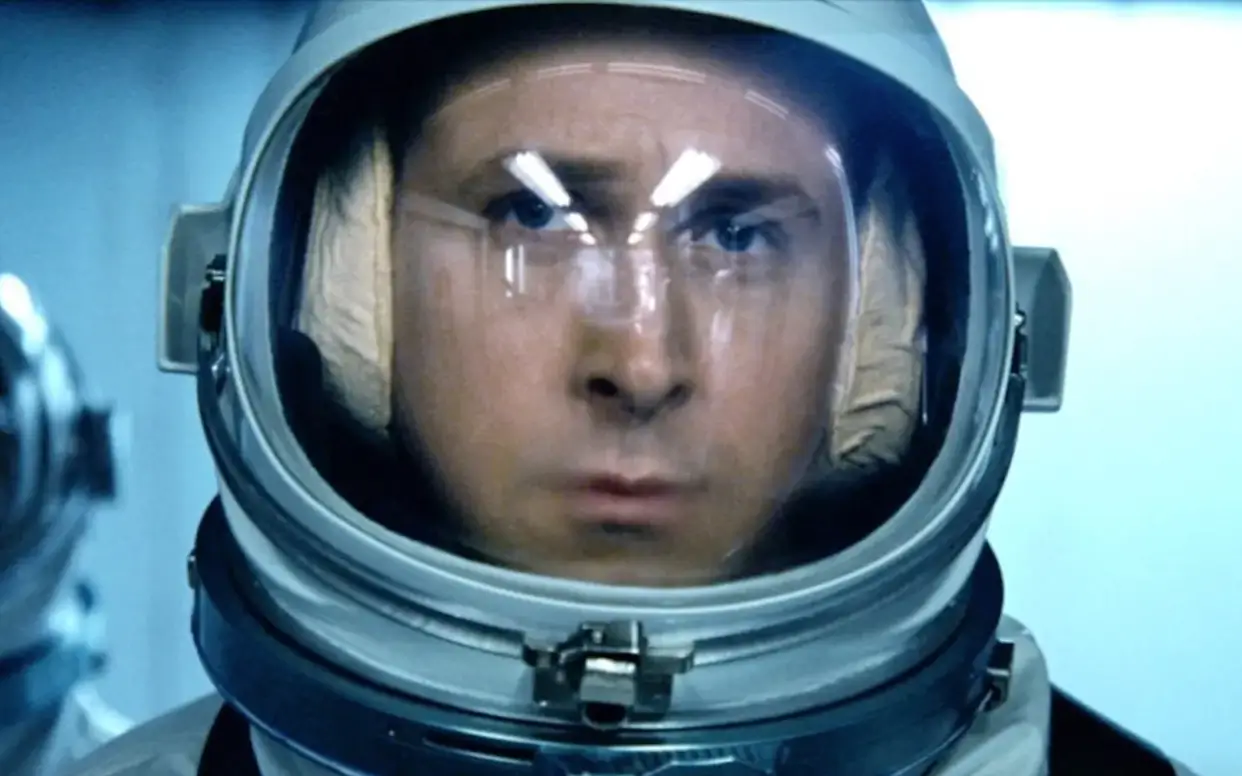
At the center of Project Hail Mary is Ryland Grace, a middle-school science teacher who awakens alone aboard a spacecraft traveling through deep space. The twist: he has no memory of how he arrived there, who sent him, or what his mission might be.
As fragments of memory gradually return, Grace realizes he is humanity’s final hope. A mysterious cosmic phenomenon is causing the sun—and other stars—to dim, threatening extinction across Earth. A desperate international coalition has launched a last-ditch mission to identify the cause and stop it before the planet freezes.
The film unfolds through alternating timelines: Grace’s disoriented awakening aboard the spacecraft and flashbacks revealing how Earth discovered the existential threat. These sequences reveal the urgency and global cooperation behind the mission while slowly reconstructing Grace’s identity and purpose.
The narrative structure emphasizes psychological tension. Alone in the void of space, Grace must confront not only technical challenges but also his own doubts, fears, and responsibilities. The result is both a scientific mystery and a deeply human story about resilience.
influ
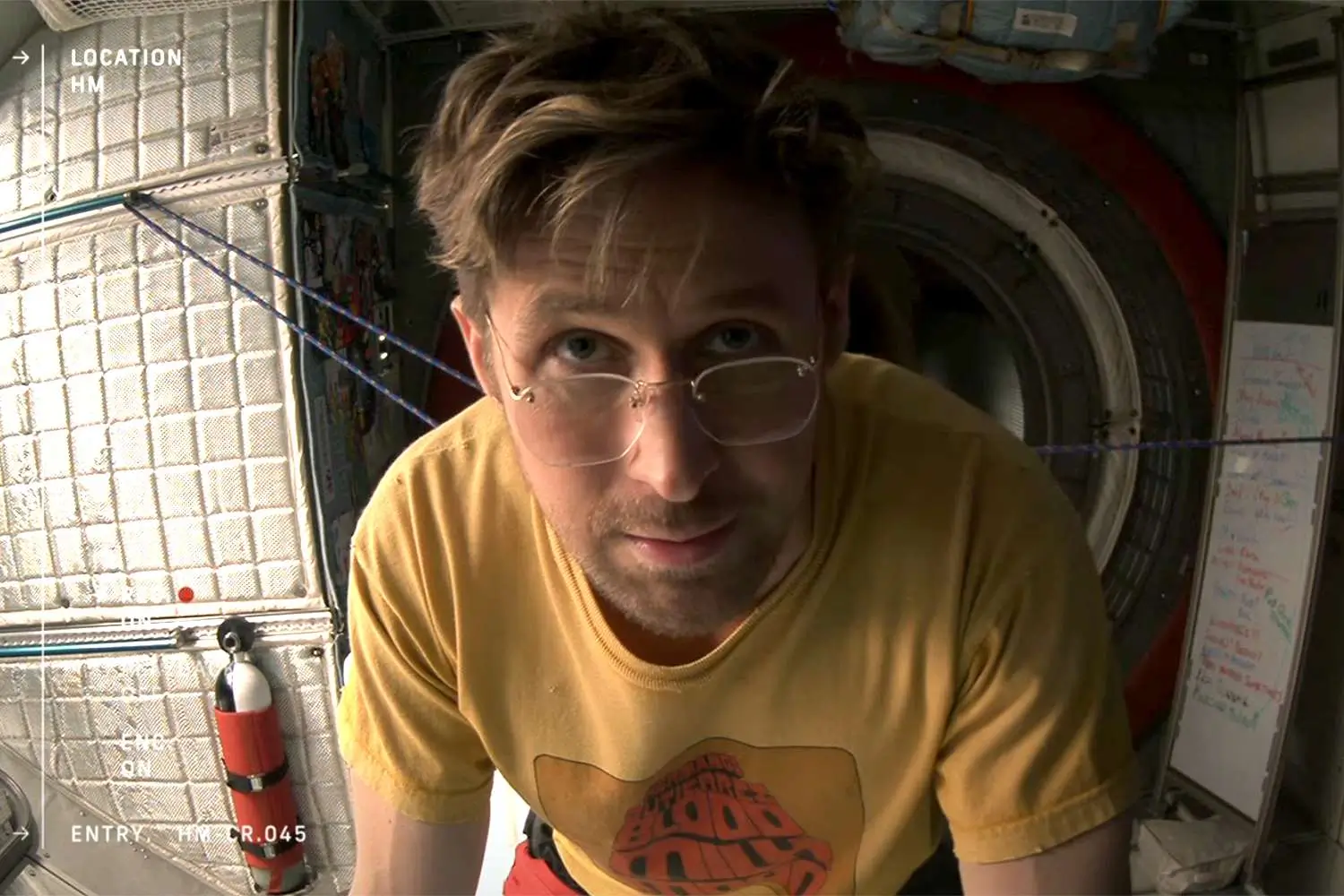
In the role of Ryland Grace, Ryan Gosling takes on one of the most demanding performances of his career. Much of the story unfolds with Grace alone aboard the spacecraft, meaning the actor must carry significant emotional weight through internal conflict and evolving discoveries.
Gosling’s involvement extends beyond acting. As a producer on the project, he helped shepherd the film from early development through production, demonstrating a growing influence in shaping ambitious cinematic projects.
The role fits comfortably within Gosling’s evolving filmography. From the quiet existential intensity of Blade Runner 2049 to the charismatic energy of Barbie, he has shown a willingness to embrace both spectacle and introspection.
Ryland Grace combines both qualities. The character is a reluctant hero—an ordinary person thrust into extraordinary circumstances—whose intelligence and curiosity ultimately become humanity’s most powerful tools.
cast
Although much of the film focuses on Gosling’s solitary journey, Project Hail Mary features a notable ensemble cast appearing in flashbacks and mission-related sequences.
Among them is Sandra Hüller, whose recent acclaim for performances in Anatomy of a Fall and The Zone of Interestestablished her as one of Europe’s most compelling actors. In the film, she portrays a scientist central to the global effort to confront the astronomical crisis.
The cast also includes:
-
Lionel Boyce
-
Ken Leung
-
Milana Vayntrub
Together, these actors portray researchers, engineers, and international leaders whose collaboration leads to the creation of the daring interstellar mission.
Their presence grounds the story in a sense of global urgency, emphasizing that the mission represents the collective hopes of humanity.
flow
Adapting Weir’s novel posed a unique challenge. His writing is known for meticulous scientific detail and problem-solving logic, elements that readers often experience through internal monologues and technical explanations.
To translate that complexity into cinematic storytelling, the screenplay was written by Drew Goddard, who previously adapted The Martian for the screen.
Goddard’s approach focuses on maintaining scientific authenticity while ensuring the narrative remains emotionally engaging. Instead of lengthy explanations, many scientific ideas are visualized through action, discovery, and experimentation.
The result aims to balance intellectual curiosity with cinematic spectacle, creating a film that feels both accessible and scientifically grounded.
view
The film’s visual identity is shaped by cinematographer Greig Fraser, whose work on Dune and The Batmanestablished him as one of the most influential visual artists in contemporary cinema.
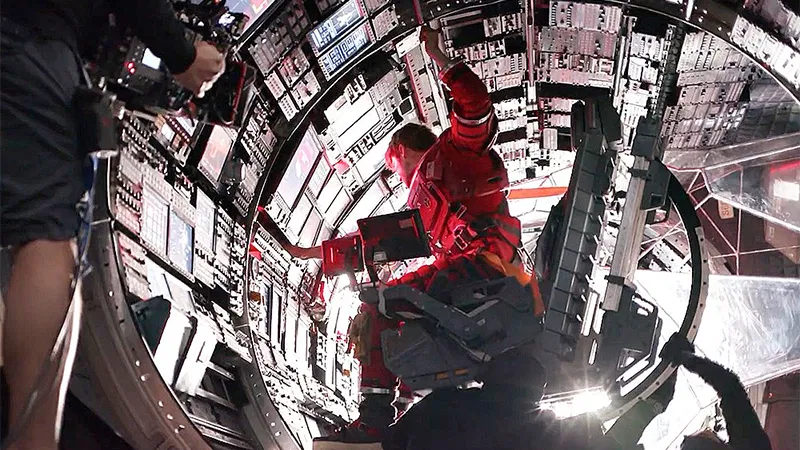
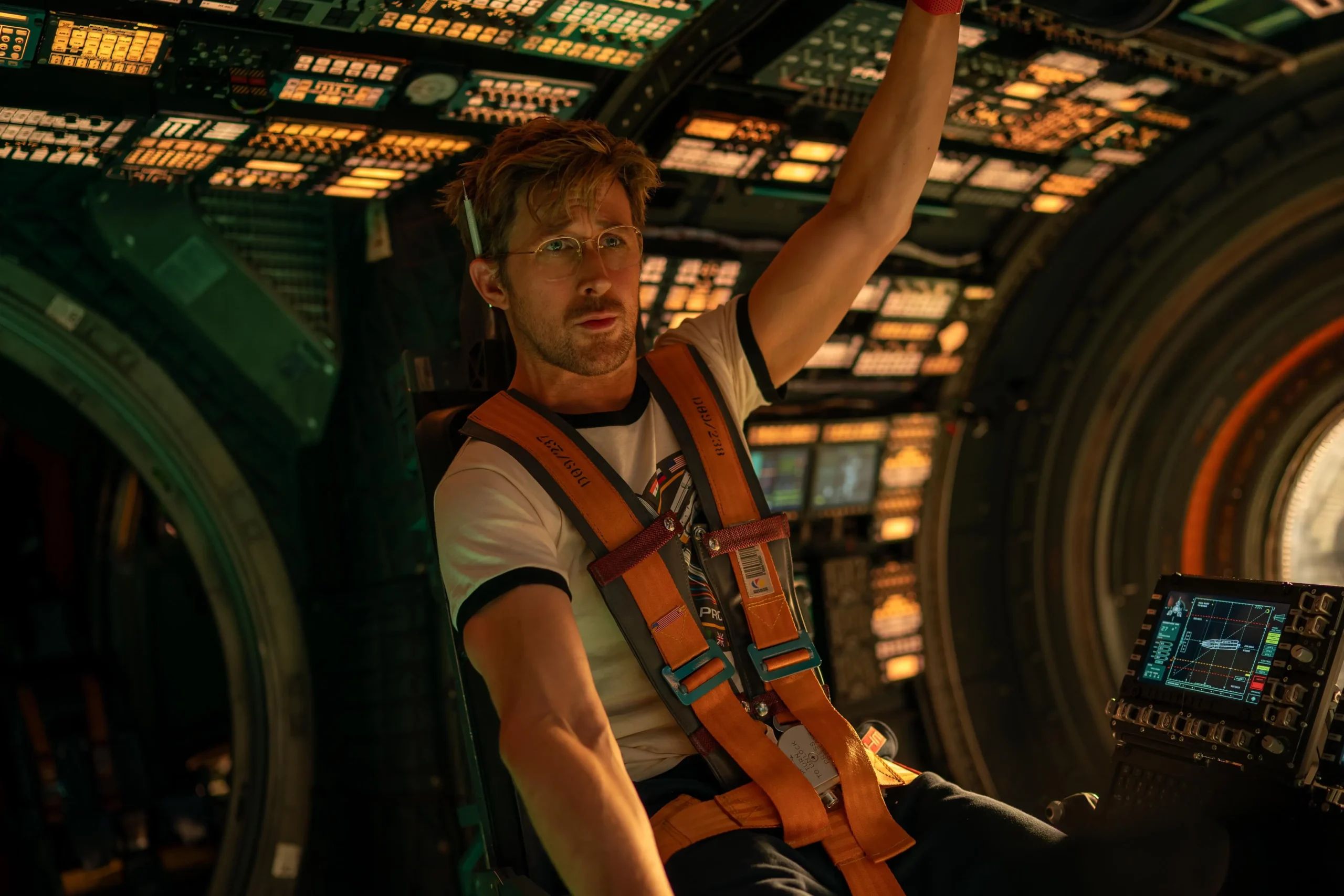
Fraser’s cinematography emphasizes both isolation and scale. The spacecraft interiors are designed to feel realistic and functional, echoing real-world aerospace engineering, while the cosmic environments evoke the overwhelming beauty and danger of deep space.
Lighting plays a key role in the film’s visual language. Dim interiors, instrument displays, and distant starlight reinforce the feeling of loneliness, while expansive cosmic vistas remind viewers of the mission’s significance.
The film also relies heavily on advanced visual effects to depict alien environments, stellar phenomena, and interstellar travel.
music
Music for Project Hail Mary is composed by Daniel Pemberton, whose previous work includes Spider-Man: Into the Spider-Verse and Oppenheimer collaborations.
Pemberton’s score combines orchestral intensity with experimental electronic textures, mirroring the tension between scientific precision and emotional stakes.
The film’s pacing is shaped by editor Chris Dickens, who crafts a rhythm that alternates between suspenseful problem-solving and contemplative moments of solitude.
show
Project Hail Mary represents one of the largest productions of 2026.
The film was produced by a coalition of studios and production companies:
-
Metro-Goldwyn-Mayer
-
Pascal Pictures
-
Lord Miller Productions
-
General Admission
Producers include Amy Pascal, Ryan Gosling, Phil Lord, Christopher Miller, Aditya Sood, Rachel O’Connor, and Andy Weir.
With a reported gross production budget of approximately $248 million, the film reflects a massive investment in visual effects, sets, and location filming.
why
The popularity of Weir’s work stems from a particular type of storytelling: optimistic science fiction.
Rather than focusing on dystopia, his stories emphasize human ingenuity. Problems are solved through collaboration, knowledge, and creativity.
In Project Hail Mary, the fate of Earth does not rest on military power or superhuman abilities. Instead, it depends on curiosity, science, and the willingness of individuals to take extraordinary risks.
This perspective resonates strongly in an era when audiences increasingly seek stories that combine realism with hope.
fwd
The release of Project Hail Mary reflects a broader shift in the science fiction genre.
Recent years have seen audiences embrace films that balance spectacle with thoughtful storytelling, from Interstellar to Arrival.
These films explore themes of communication, exploration, and survival rather than relying solely on action or conflict.
Project Hail Mary continues that trend, presenting science fiction as both entertainment and intellectual exploration.
rel
The film is scheduled to premiere on March 20, 2026, with distribution by Amazon MGM Studios in North America and Sony Pictures internationally.
Given the novel’s popularity and the scale of the production, industry analysts expect the film to become one of the year’s major cinematic events.
If successful, it could also expand Andy Weir’s influence in Hollywood and reinforce the viability of science-driven storytelling in mainstream cinema.
fin
Project Hail Mary represents the convergence of literary imagination, scientific curiosity, and cinematic ambition.
With Ryan Gosling leading the cast, Phil Lord and Christopher Miller directing, and a story that blends humor, suspense, and cosmic wonder, the film promises to deliver a science fiction experience that is both intellectually engaging and emotionally powerful.
At its core, the story asks a simple yet profound question: what would humanity do if the fate of our entire species rested on the actions of a single person drifting through the stars?
The answer unfolds not through heroics alone, but through curiosity, compassion, and the relentless human drive to understand the universe.

No comments yet.


