PUMA x J.L-A.L Introduce an Adaptive Uniform

March 18, 2026
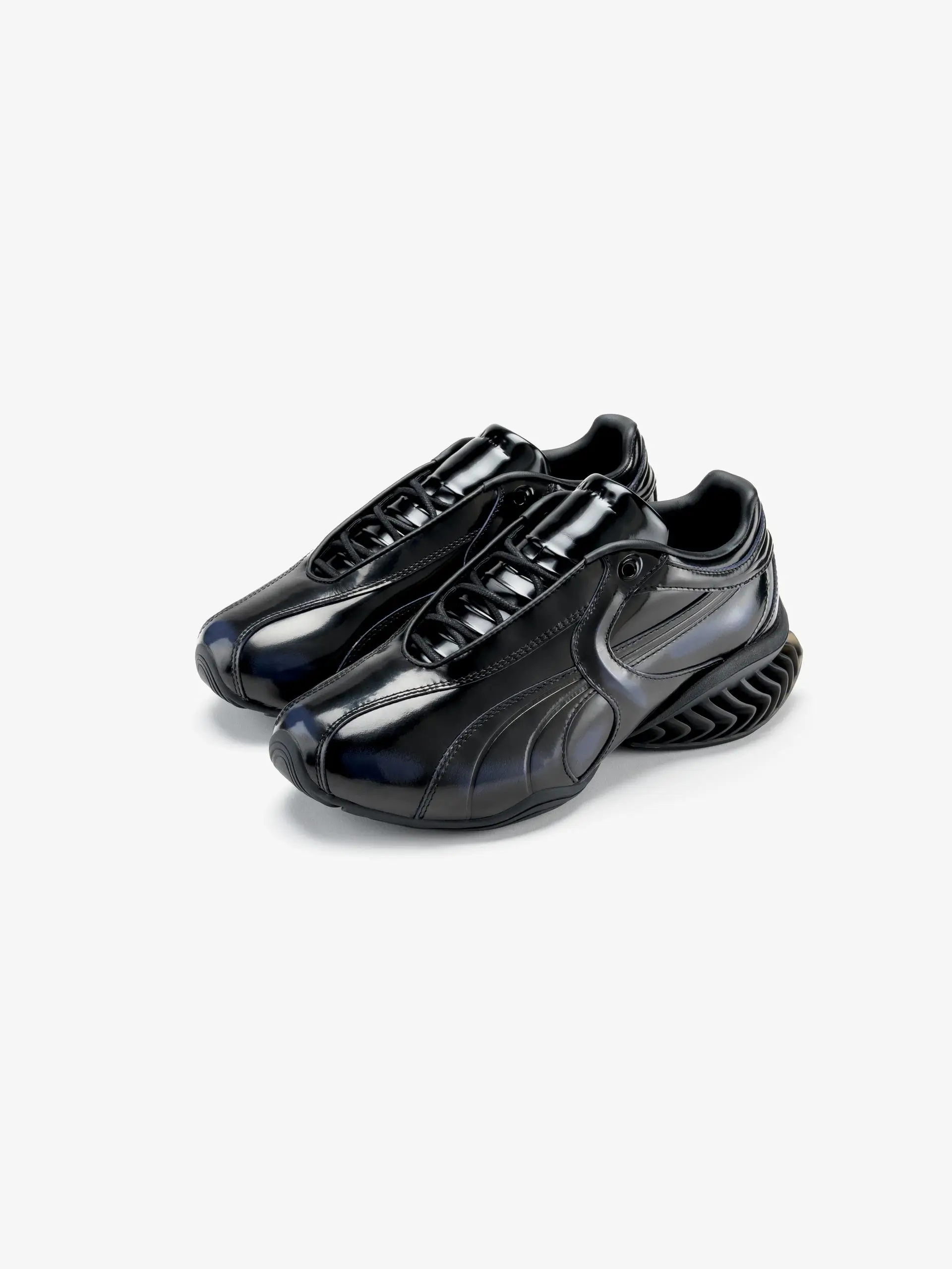

In 2026, merges are no longer about surface-level co-branding—they are about systems. The partnership between PUMA and J.L-A.L operates within that evolved framework, presenting The Uniform Reworked as both a conceptual and functional reset. At the center of this release is a shoe that doesn’t behave like a traditional sneaker. Instead, it functions as a modular extension of the body—part of a larger uniform designed for motion, environment, and transformation.
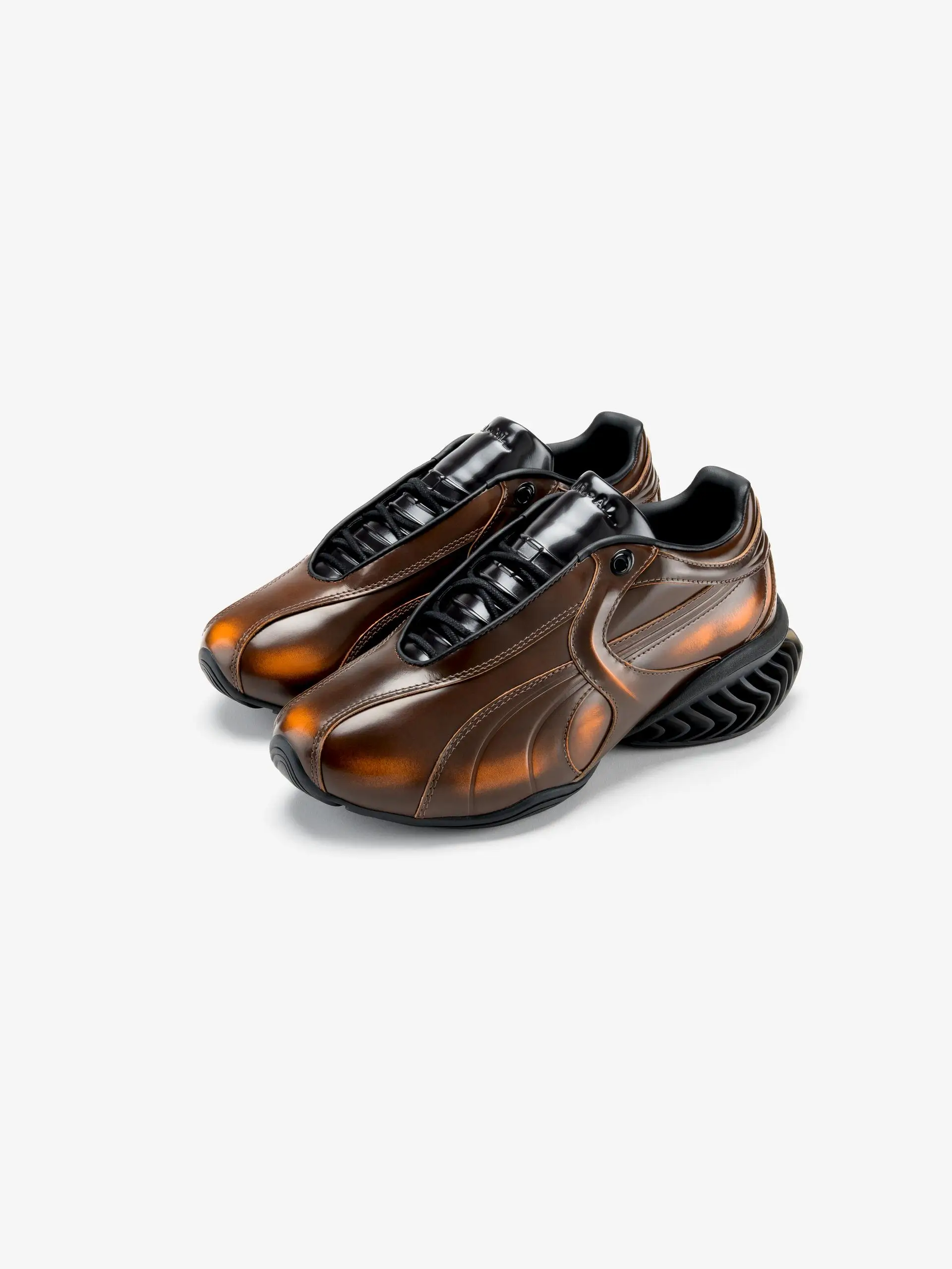
The footwear—anchored by the CELL Geo silhouette—reimagines what a uniform means in contemporary culture. Not rigid, not standardized, but adaptive. This is clothing and footwear that evolve with wear, responding to time, friction, and individual movement.
think
Historically, a uniform implies sameness: military precision, corporate alignment, or athletic identity. J.L-A.L dismantles that idea entirely. The “uniform” here is fluid, personal, and reactive. It is built not to enforce identity, but to absorb it.
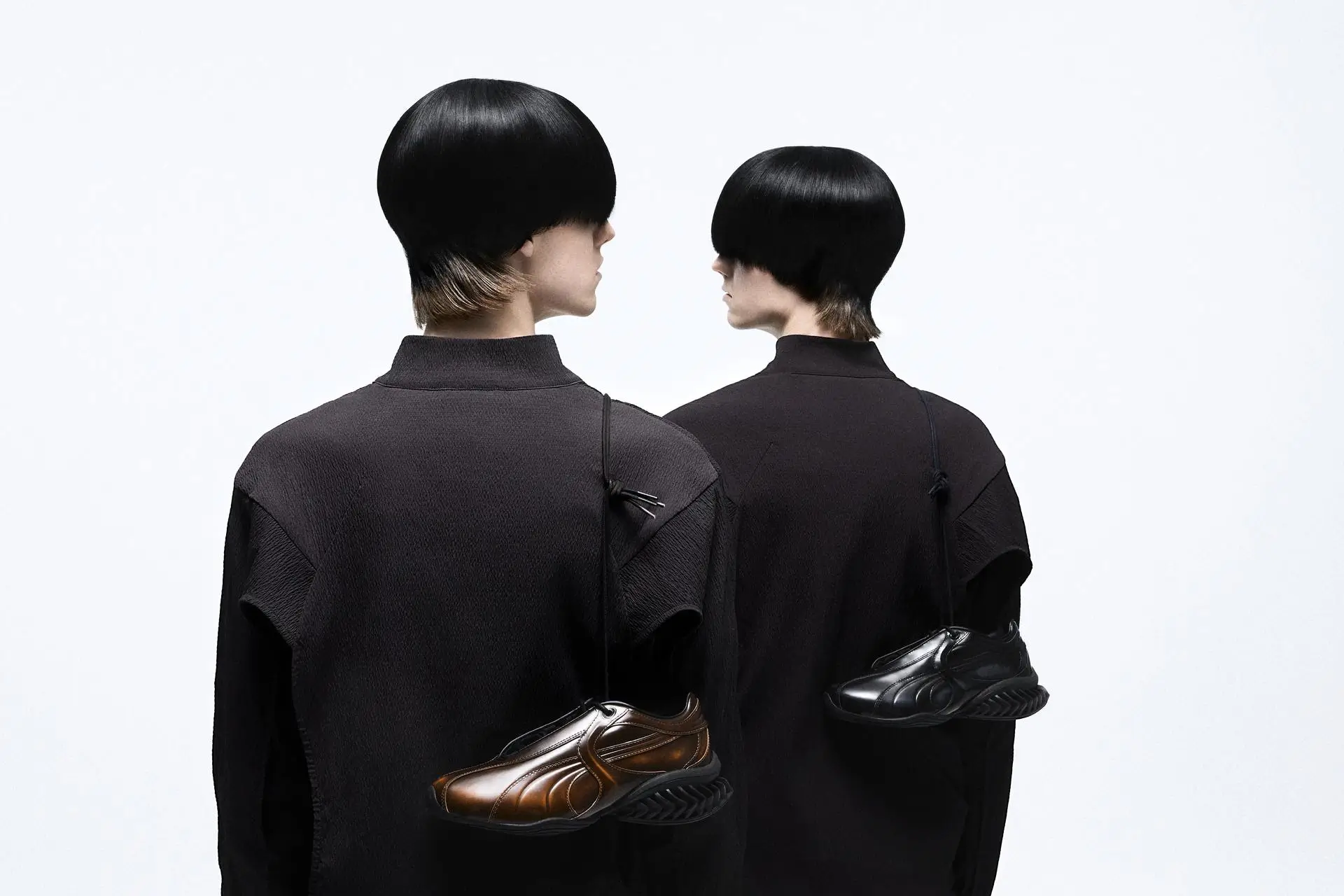
The shoe embodies this philosophy through material transformation. Patent leather uppers in Ombré and Midnight colorways are engineered to change over time, gradually revealing tonal gradients beneath the surface. This aging process means no two pairs will ultimately look the same—turning uniformity into individuality.
That concept aligns with J.L-A.L’s broader ethos, which often draws from technological processes and natural systems rather than traditional fashion cycles. The result is a sneaker that behaves less like a finished product and more like a living object.
View this post on Instagram
flow
At the structural level, the shoe reinterprets PUMA’s historic CELL cushioning language. But instead of confining it to the sole, the collaboration expands its presence across the entire silhouette.
The upper takes on a sculptural, almost biological form—often described as honeycomb-like or cellular in structure. This design eliminates traditional paneling, replacing it with a continuous, perforated surface that feels both organic and engineered.
There’s a deliberate tension here. The geometry is precise, yet the visual language suggests growth patterns found in nature. It’s footwear that feels grown rather than assembled.
The midsole continues the narrative, integrating hexagonal CELL units into a chunky base that provides stability without sacrificing the futuristic aesthetic. Meanwhile, the absence of conventional lacing—replaced in some iterations by slip-on constructions—pushes the silhouette further into experimental territory.
mat
Material choice is where The Uniform Reworked becomes particularly compelling. Rather than prioritizing static finishes, the collaboration leans into time-based transformation.
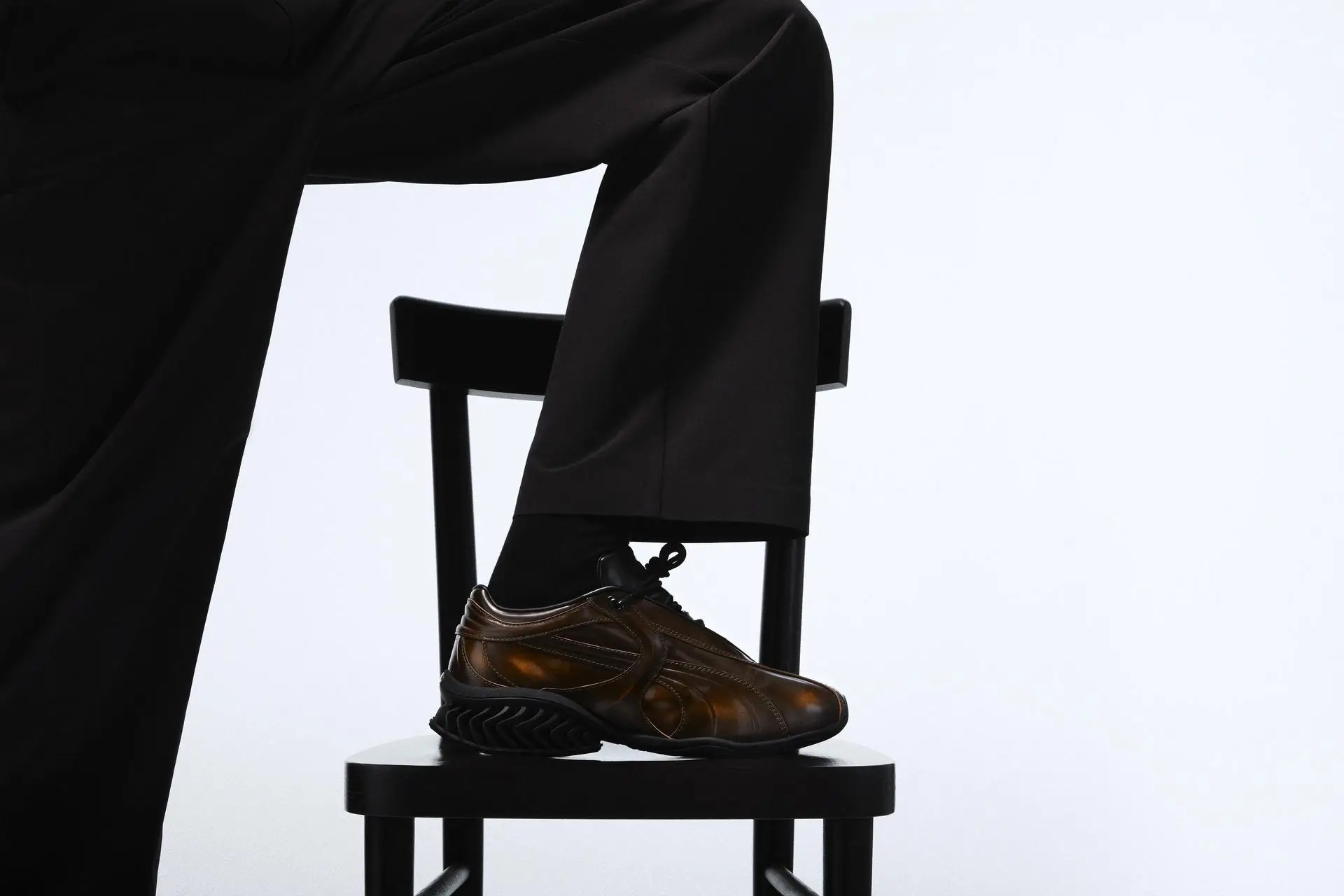
The leather is designed to patinate—fading, stretching, and polishing through wear. This concept has been likened to the way aged furniture develops character over decades, an intentional reference point from the designer.
This introduces a rare dimension in contemporary sneaker culture: unpredictability. While most footwear aims to preserve its original state, this shoe invites change. Creases, scuffs, and tonal shifts are not flaws—they are the intended outcome.
In that sense, the wearer becomes a collaborator. The shoe is completed not at purchase, but over time.
mode
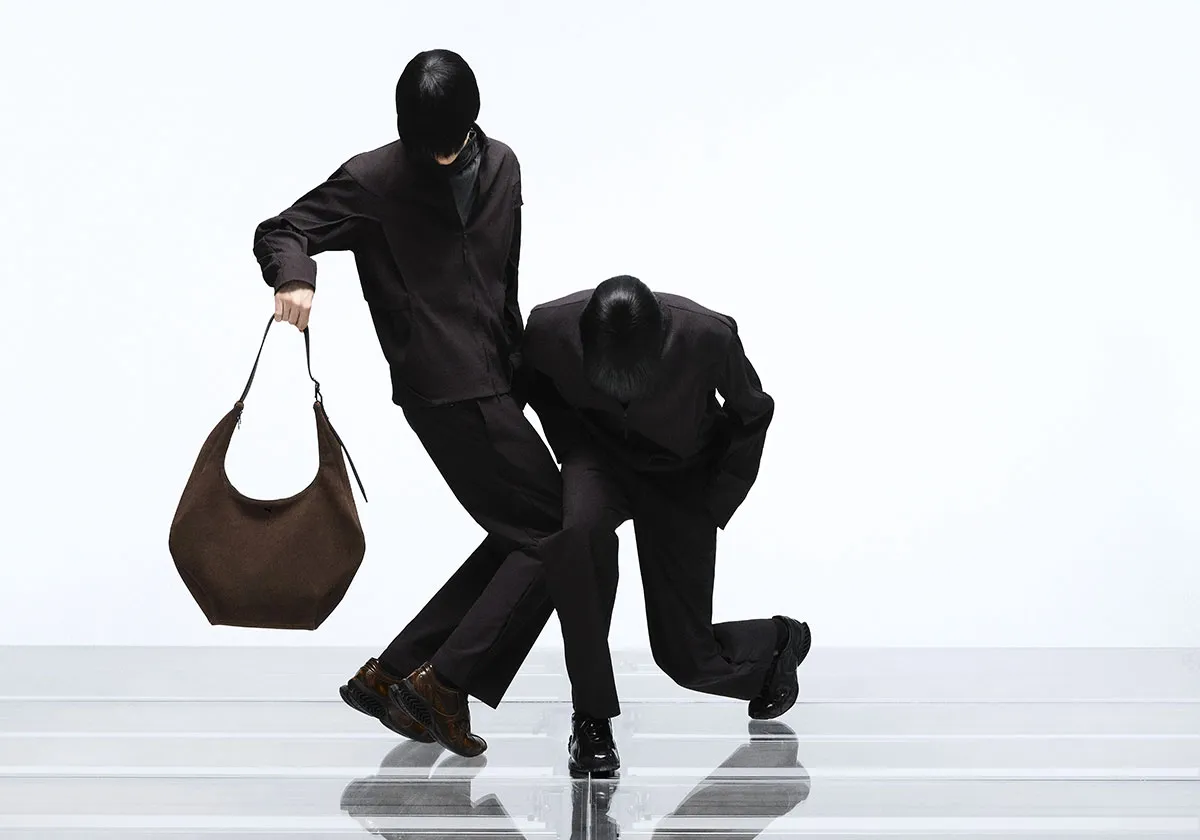
While the shoe stands as the focal point, it exists within a broader ecosystem. The collection includes jackets, trousers, T-shirts, and accessories designed with the same anatomical logic—cutlines that follow the body, materials that respond to movement, and silhouettes that prioritize function over decoration.
This is where the idea of the “uniform” fully materializes. Each piece is designed to operate independently, yet gains meaning when worn together. The footwear anchors the system, acting as both foundation and extension.
The inclusion of a hobo-style bag reinforces the utilitarian aspect, emphasizing portability and daily integration rather than runway spectacle. Everything in the collection serves a purpose, but none of it feels conventional.
paris
The collaboration’s presentation at Paris Fashion Week marked a shift in how performance brands engage with high fashion. Instead of leaning into overt branding or loud colorways, the collection embraced restraint.
Monochromatic palettes—primarily brown, white, and deep neutrals—underscore the design’s architectural qualities. There is no reliance on logos to communicate identity. Instead, form and material carry the message.
This aligns with a broader movement in fashion where subtlety and construction outweigh graphic-heavy approaches. In this context, PUMA’s role becomes particularly interesting. Traditionally associated with sport and lifestyle, the brand here acts as a technical partner, enabling J.L-A.L’s experimental vision rather than overshadowing it.
show
Despite its avant-garde appearance, the shoe remains grounded in performance principles. The CELL cushioning system provides impact absorption and stability, while the anatomical shaping ensures a close, adaptive fit.
However, performance is not treated as an endpoint—it is a foundation for exploration. The shoe doesn’t simply aim to perform better; it aims to redefine what performance looks like.
Is performance about speed and efficiency, or is it about adaptability and longevity? The Uniform Reworked leans toward the latter, proposing that the most advanced products are those that evolve with their users.
a shift
Within the broader landscape of 2026 footwear, this collaboration signals a shift away from nostalgia-driven releases and toward conceptual innovation.
Where many brands continue to revisit archival silhouettes, PUMA x J.L-A.L pushes forward, exploring new forms, materials, and narratives. The absence of retro cues is intentional. This is not about referencing the past—it’s about constructing a new visual language.
The sneaker’s organic geometry, evolving materials, and modular integration position it closer to industrial design or even architecture than traditional footwear design.
fwd
The Uniform Reworked is less about a single product and more about a way of thinking. It challenges the idea that uniforms must be static, identical, or prescriptive.
Instead, it առաջարկs a model where uniformity is defined by structure rather than appearance. The system remains consistent, but the outcome varies depending on the wearer, the environment, and time itself.
This approach feels particularly relevant in an era where individuality and adaptability are increasingly valued. The uniform is no longer about blending in—it’s about providing a framework for expression.
sum
The PUMA x J.L-A.L blend doesn’t try to compete in the crowded space of hype-driven sneakers. It operates on a different frequency entirely.
By focusing on transformation, modularity, and material evolution, it introduces a quieter but more profound innovation. The shoe is not designed to look new forever—it’s designed to change. And in doing so, it reflects a deeper understanding of how people actually live with their clothing.
In a market saturated with instant gratification, The Uniform Reworked offers something slower, more deliberate, and ultimately more personal.