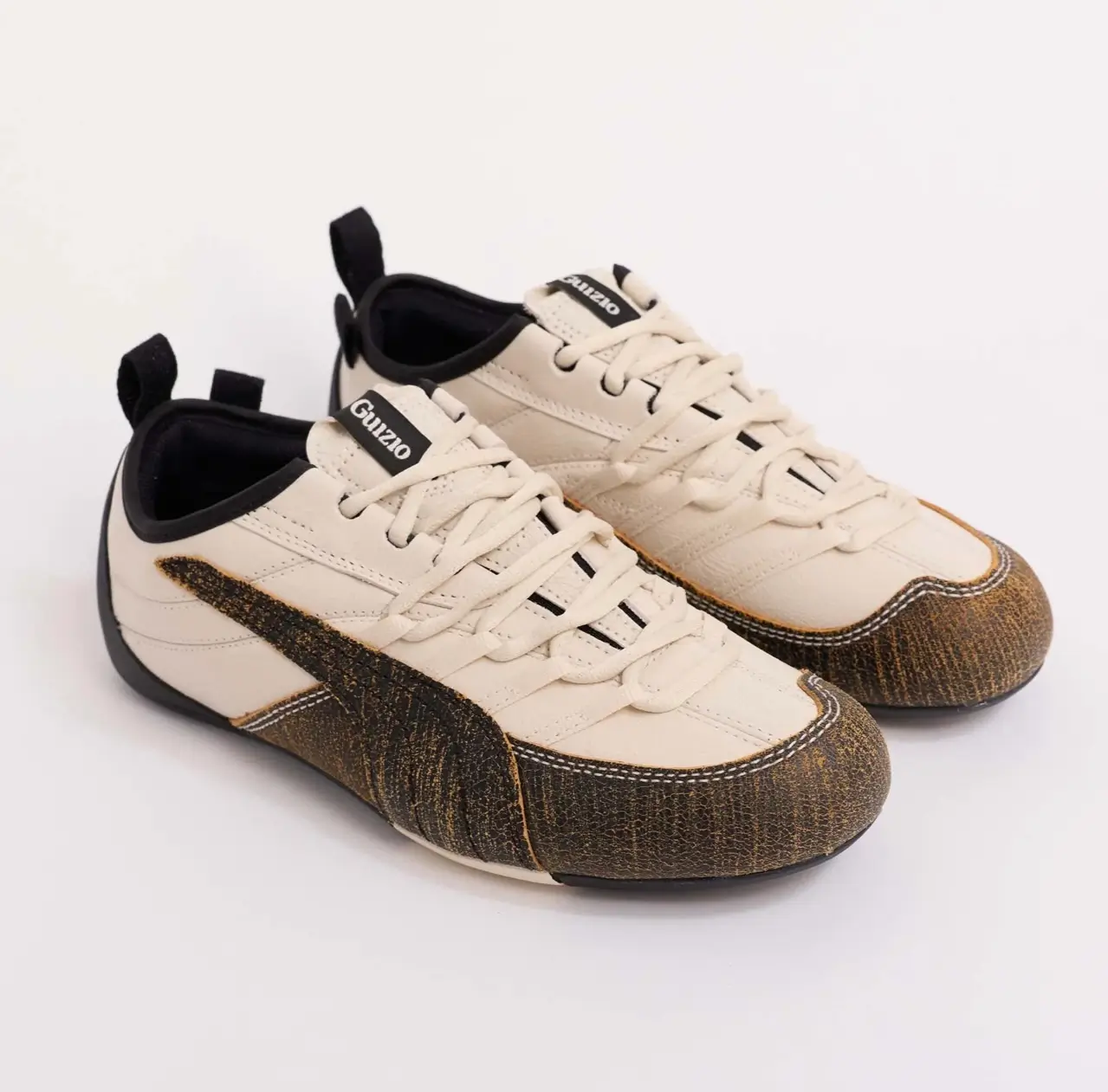
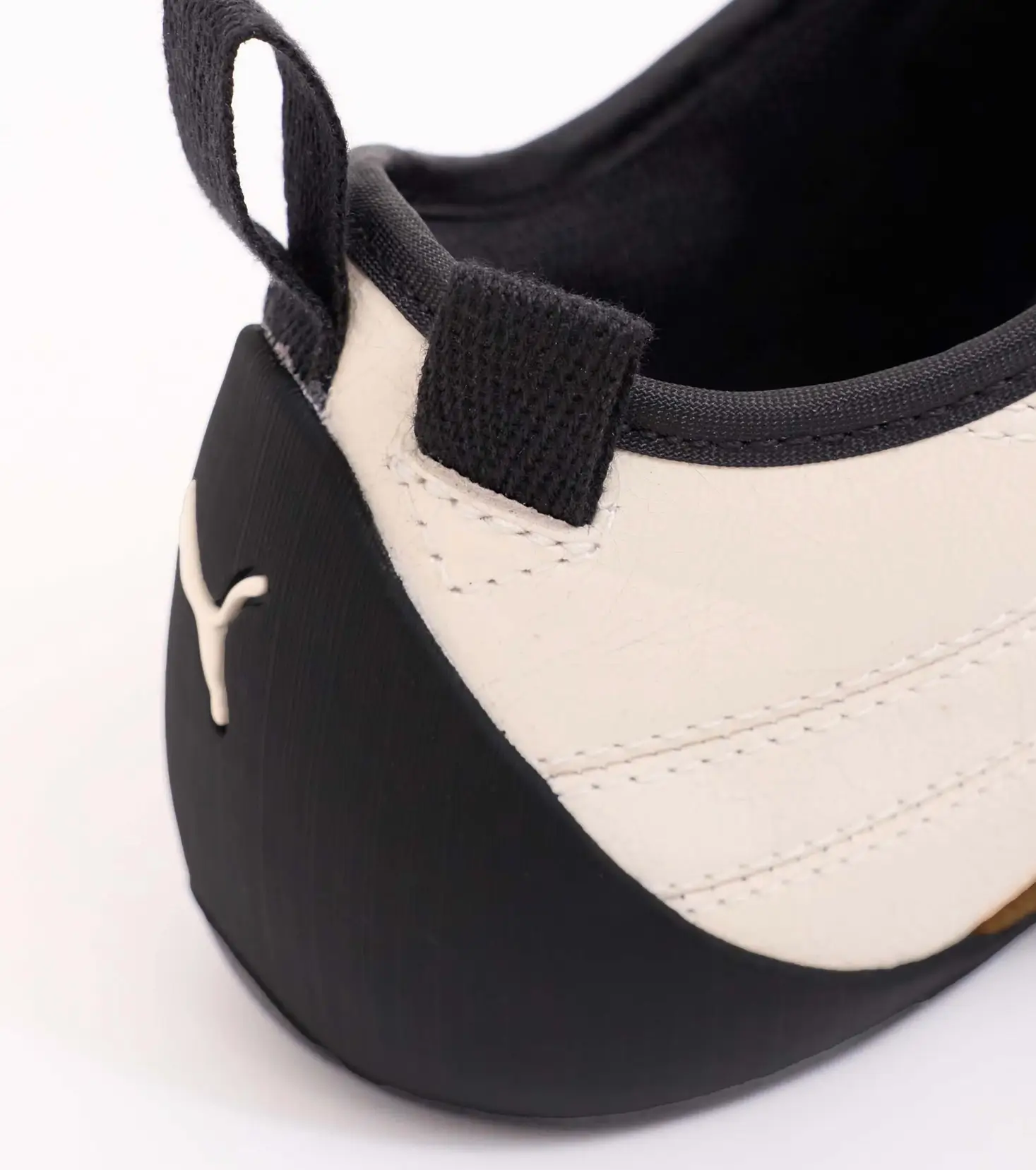
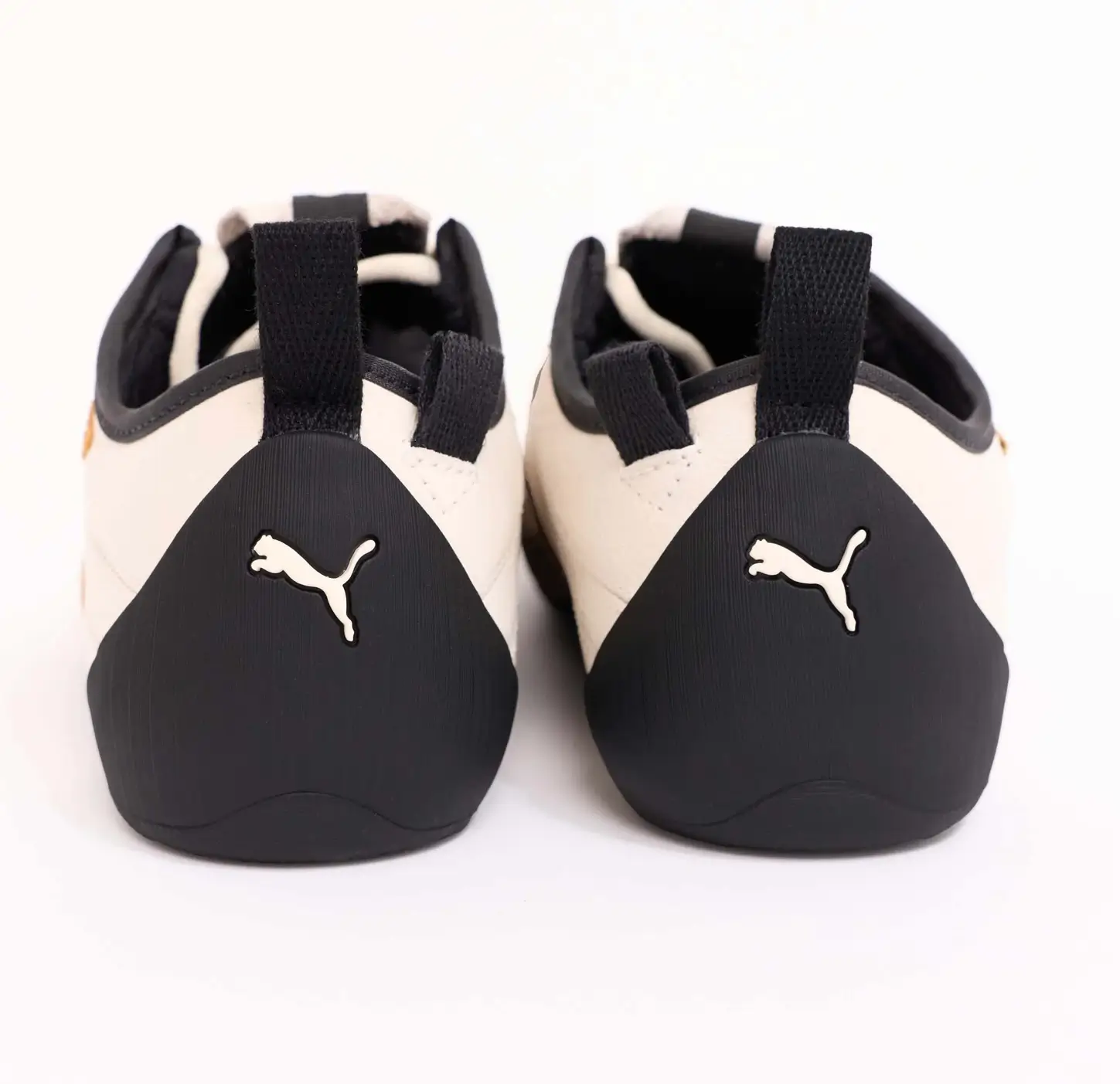
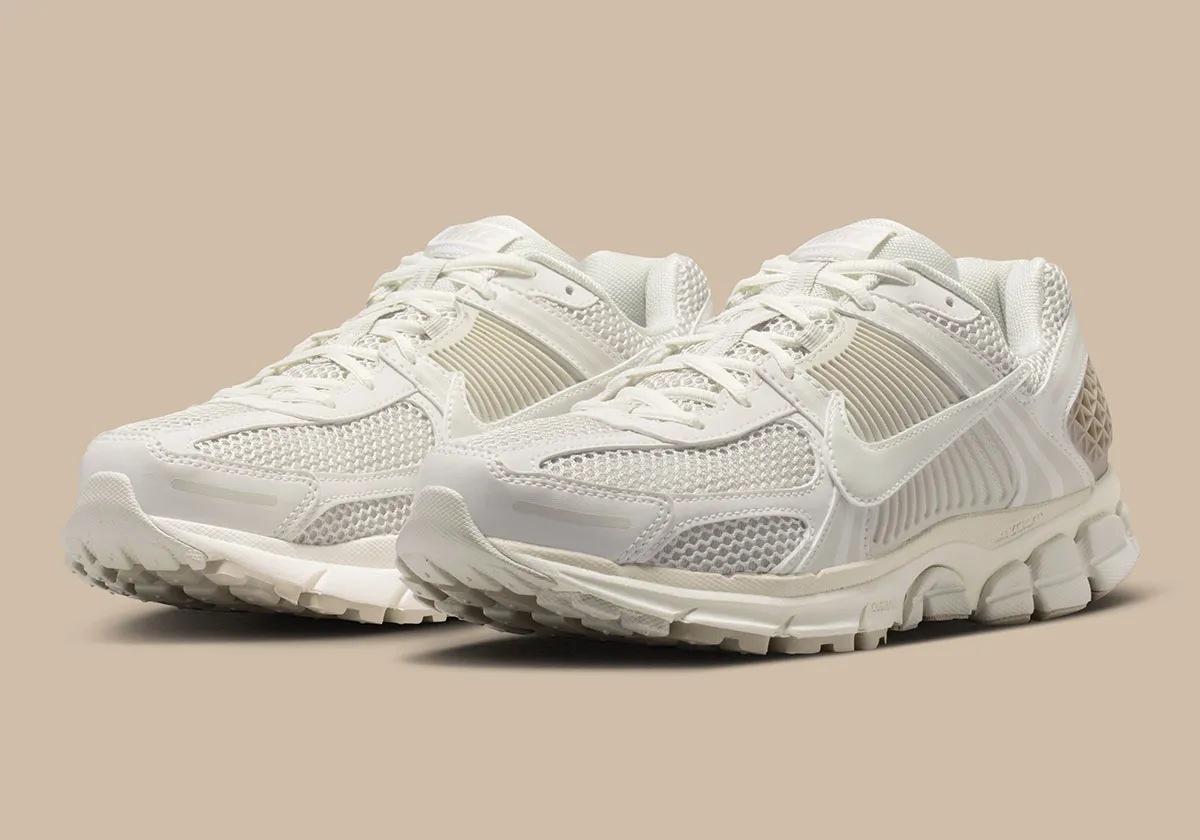
There is a specific kind of shoe that does not announce itself loudly, yet quietly recalibrates how we understand form, proportion, and intention. The PUMA x GUIZIO Klim Low belongs to that category. It operates in restraint—low to the ground, materially expressive, and culturally aware—pulling from early-2000s show lineage while filtering it through a distinctly contemporary, fashion-oriented gaze.
At its core, the Klim Low is not new. First introduced in the early 2000s, the silhouette drew inspiration from climbing footwear—functional, close-fitting, and minimal in elevation. Its return in 2026, however, is not a retro exercise. It is a reframing. Through the mission with New York designer Danielle Guizio, the shoe becomes something more deliberate: a study in texture, femininity-coded strength, and understated haute within a traditionally masculine category.
a return
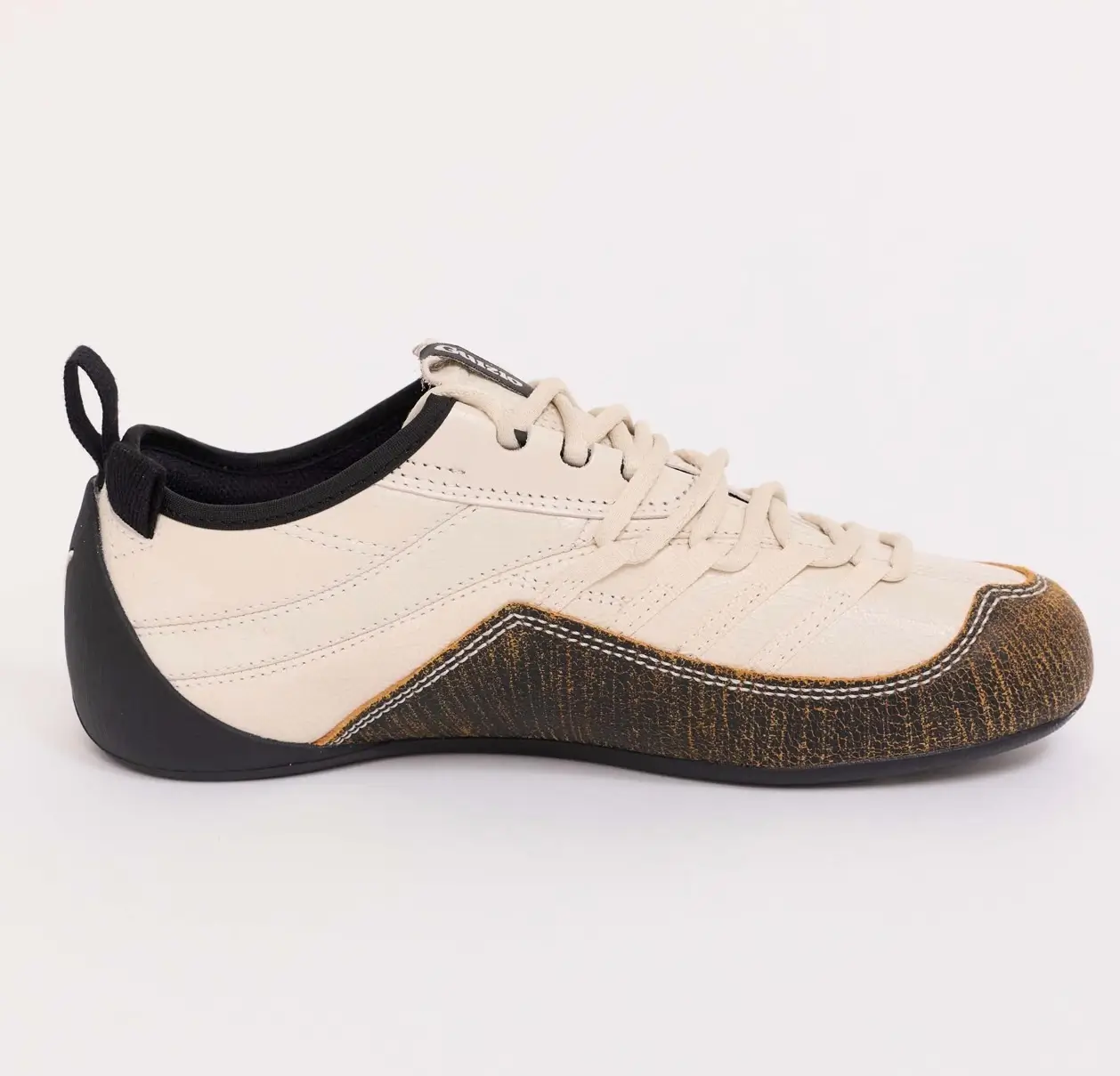
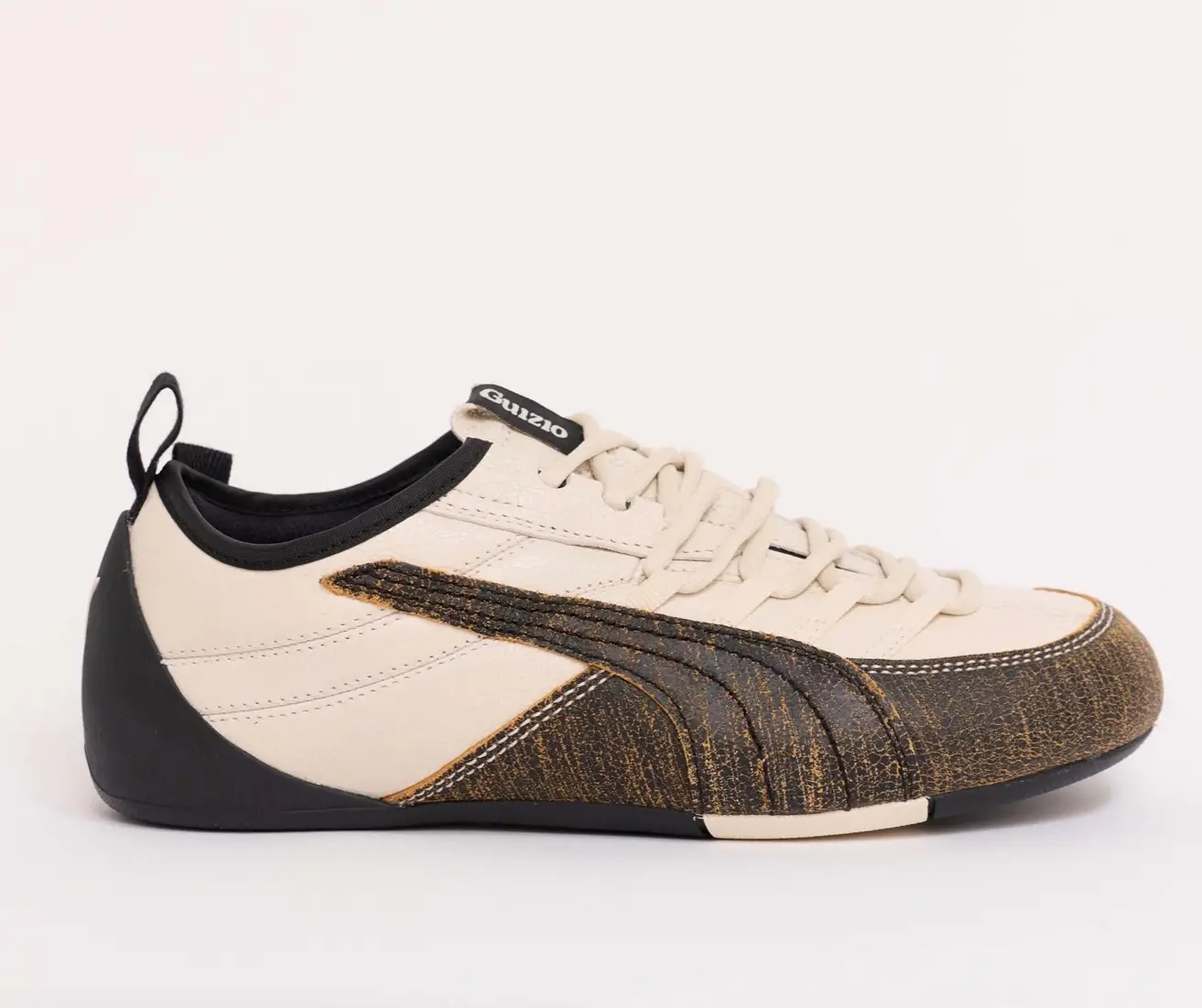
The Klim’s original DNA is intact. The low-profile stance remains one of its most defining features—a silhouette that hugs the ground with almost architectural intent. Unlike bulky runners or maximalist trainers, the Klim Low strips away excess. The result is a shoe that feels directional without trying to dominate.
This archival reference is crucial. PUMA has increasingly leaned into its early-2000s catalog, recognizing that the era’s experimental hybridization of sport and lifestyle is now culturally relevant again. The Klim Low, with its climbing-shoe inspiration and streamlined construction, fits precise into this revival.
But Guizio’s intervention shifts the narrative. Instead of a pure retro reissue, the shoe becomes a hybrid of sport heritage and fashion sensibility. It is less about nostalgia and more about reinterpretation.
show
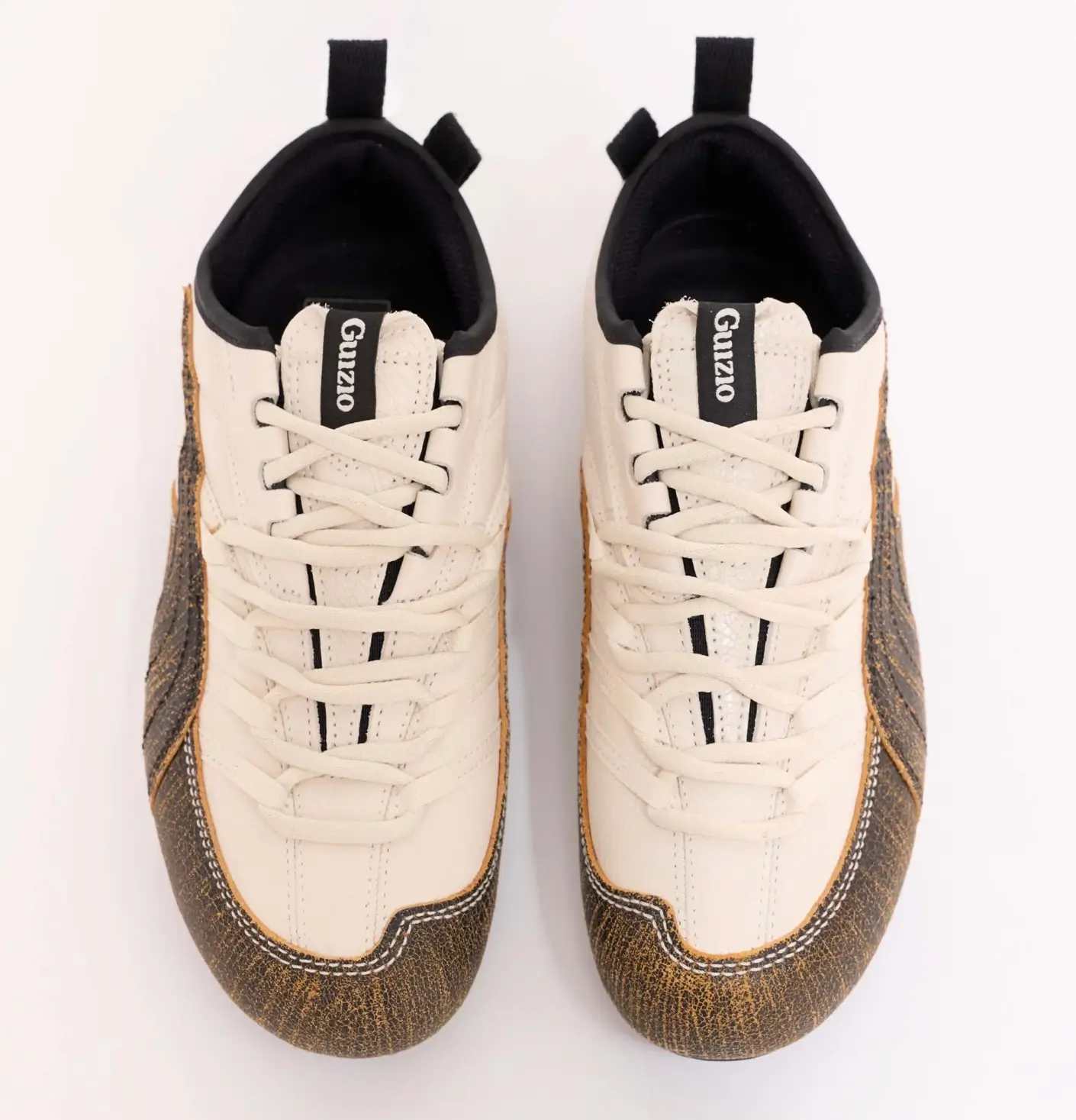
The first thing that registers is texture. Premium cowhide leather forms the upper, often finished with a subtle crinkled effect that introduces depth without overwhelming the silhouette.
This material choice matters. It elevates the Klim from a technical shoe into something closer to a fashion object—yet it evades the polished gloss that would push it into overt haute territory. Instead, it sits in a tactile middle ground: soft, worn-in, almost organic.
Color affirms a similarly restrained role. Cream, brown, and neutral tones dominate, allowing the form and material to carry the visual weight. The palette feels intentional—versatile enough for everyday wear, but nuanced enough to register as designed.
Even the inclusion of alternate laces—brown and cream—reinforces this modular approach. The wearer is invited to subtly shift the identity of the shoe without disrupting its core aesthetic.
idea
The Klim Low’s most radical feature may be its refusal to exaggerate. In a landscape dominated by oversized soles and hyper-technical constructions, its flat, grounded profile reads almost subversive.
This is where the climbing-shoe reference becomes more than a design cue. Climbing footwear is about precision, contact, and control. By translating that logic into a lifestyle shoe, the Klim introduces a different kind of relationship between wearer and ground—less about cushioning, more about awareness.
That shift aligns with broader movements in fashion and footwear. There is a growing appetite for slimmer silhouettes, for shoes that complement rather than overpower an outfit. The Klim Low fits neatly into this transition, offering an alternative to the maximalist wave that defined the previous decade.
frame
Danielle Guizio’s brand has long explored the intersection of sensuality and structure—designs that balance softness with authority. That acknowledgment translates directly into the Klim Low.
The shoe carries what might be described as a “quiet femininity.” Not through overt cues, but through proportion, texture, and tone. The lines are sleek, the materials inviting, the palette warm. It suggests a different kind of strength—one that is not dependent on aggression or volume.
Interestingly, this approach also destabilizes traditional gender coding in footwear. While marketed across men’s sizing, the design language resists rigid categorization. It is equally at home styled with tailoring, denim, or more expressive, fashion-forward silhouettes.
The result is a shoe that feels inclusive without being generic—specific in its vision, yet adaptable in its use.
wear
Beyond aesthetics, the Klim Low maintains practical credibility. A cushioned collar and tongue ensure comfort, while the rubber outsole provides durability and traction for everyday wear.
The lace-up closure is straightforward, reinforcing the shoe’s minimalist ethos. There are no unnecessary systems or technical embellishments—just a clean, functional structure.
This simplicity is part of the appeal. The Klim Low does not attempt to compete with performance shoe on technical innovation. Instead, it focuses on delivering a refined, wearable experience—one that integrates seamlessly into daily life.
then
The PUMA x GUIZIO Klim Low arrives at a moment when the boundaries between sport, fashion, and lifestyle are increasingly fluid. Shoe are no longer confined to performance contexts; they are central to how identity is constructed and expressed.
In this landscape, the Klim Low occupies a specific niche. It is not a hype-driven release designed for immediate sell-out energy. Nor is it a purely functional trainer. It sits somewhere in between—a considered object that rewards attention over time.
This positioning aligns with a broader shift toward “slow fashion” thinking within streetwear and footwear culture. Consumers are becoming more selective, more interested in pieces that offer longevity rather than momentary pressure.
The Klim Low answers that demand. Its understated design, premium materials, and archival grounding give it a sense of permanence.
stir
The PUMA x GUIZIO Klim Low is less about spectacle and more about precision. It represents a recalibration of what a modern sneaker can be—moving away from excess and toward intention.
Its significance lies not in any single feature, but in the way those features come together. The archival silhouette, the refined materials, the subtle design language—all contribute to a cohesive whole.
In an era where footwear often leans toward extremes, the Klim Low offers an alternative. It suggests that restraint can be just as powerful as innovation, and that sometimes the most compelling designs are the ones that speak softly, but with clarity.
fin
The Klim Low does not demand attention—it earns it. And in doing so, it quietly redefines the space it occupies: somewhere between sport and fashion, past and present, utility and expression.
It is, in every sense, a shoe designed for now—without needing to say so.