Rave One by Peter J Walsh: Haçienda Club Photography Reissued by IDEA

April 7, 2026
49 minutes ago
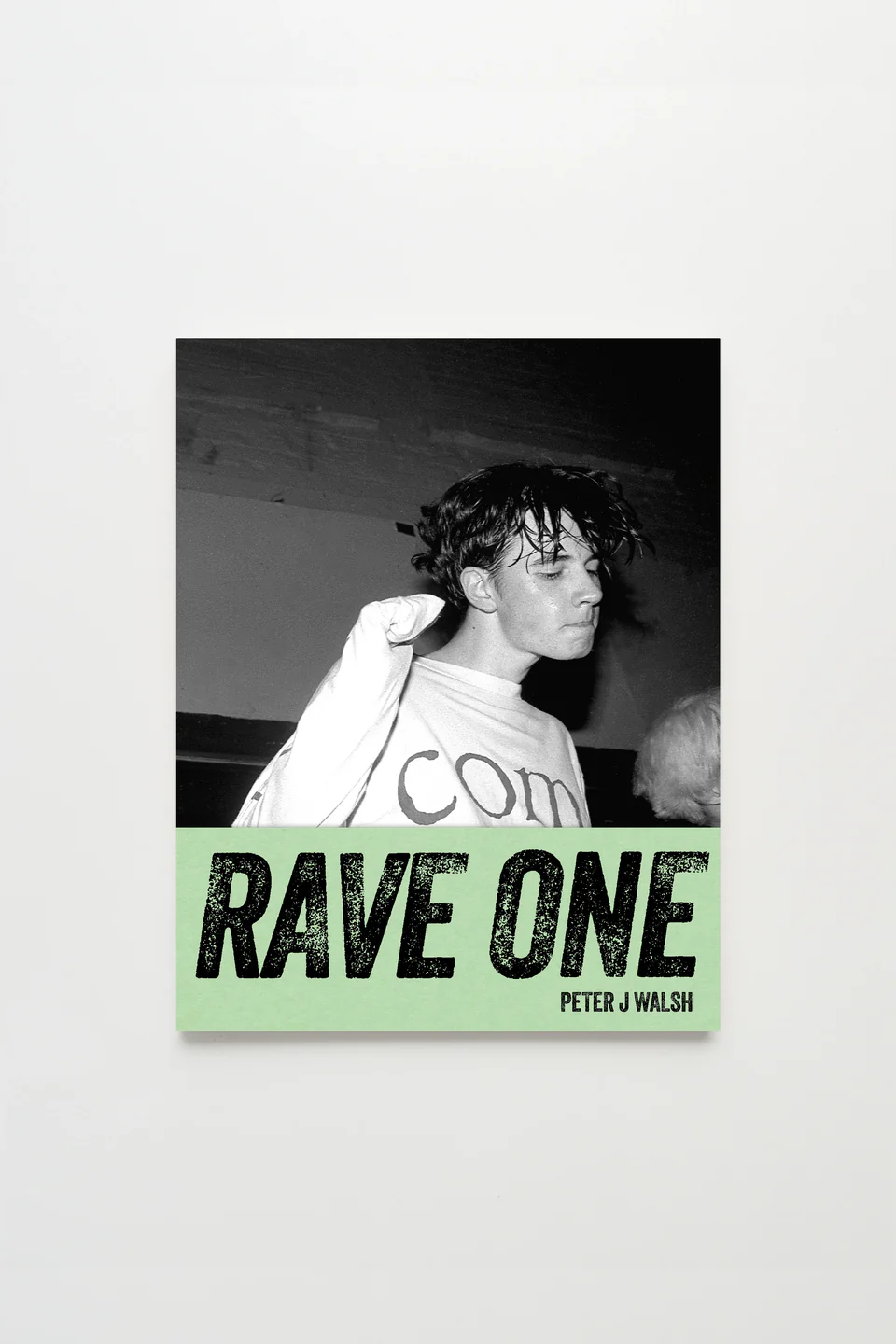
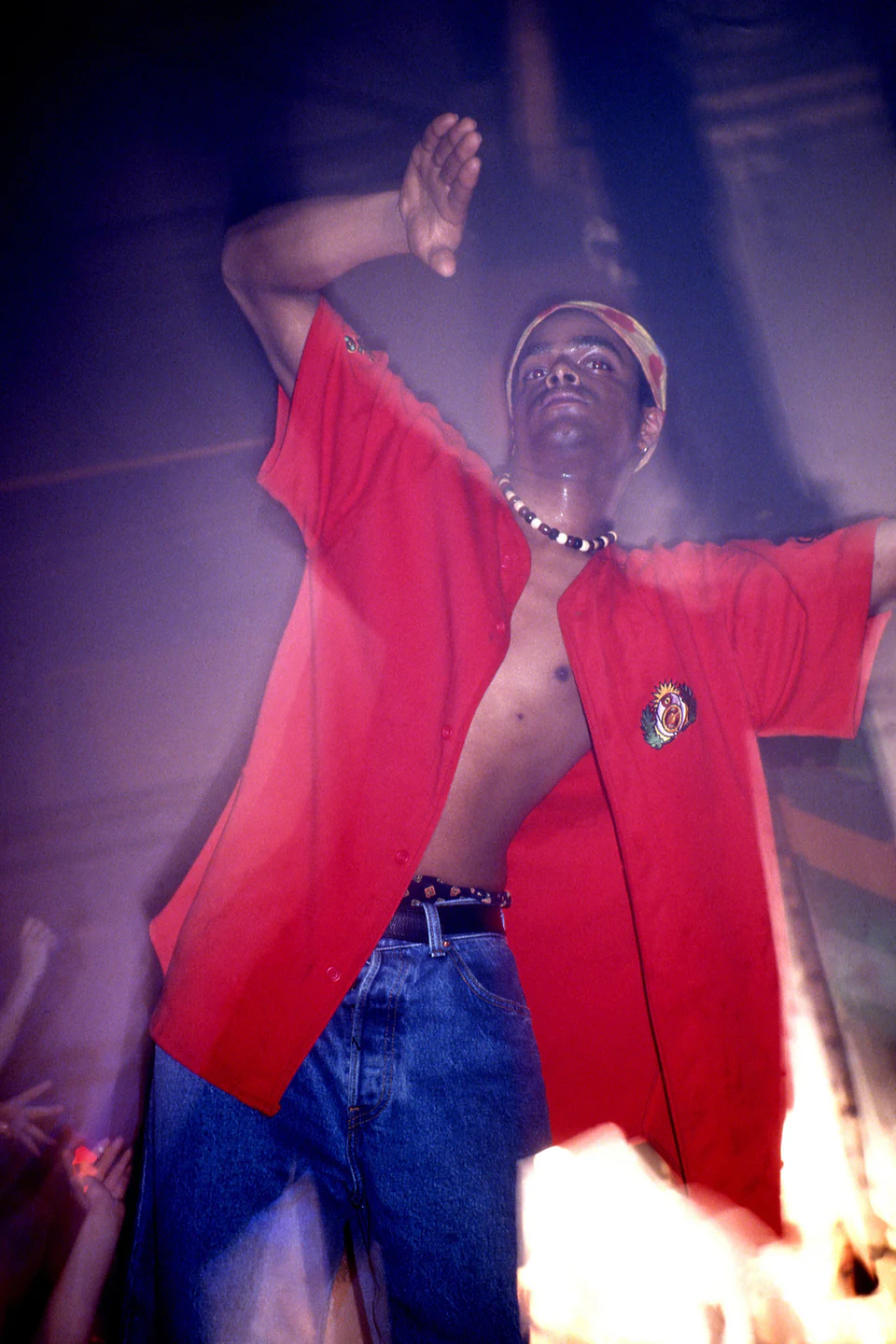
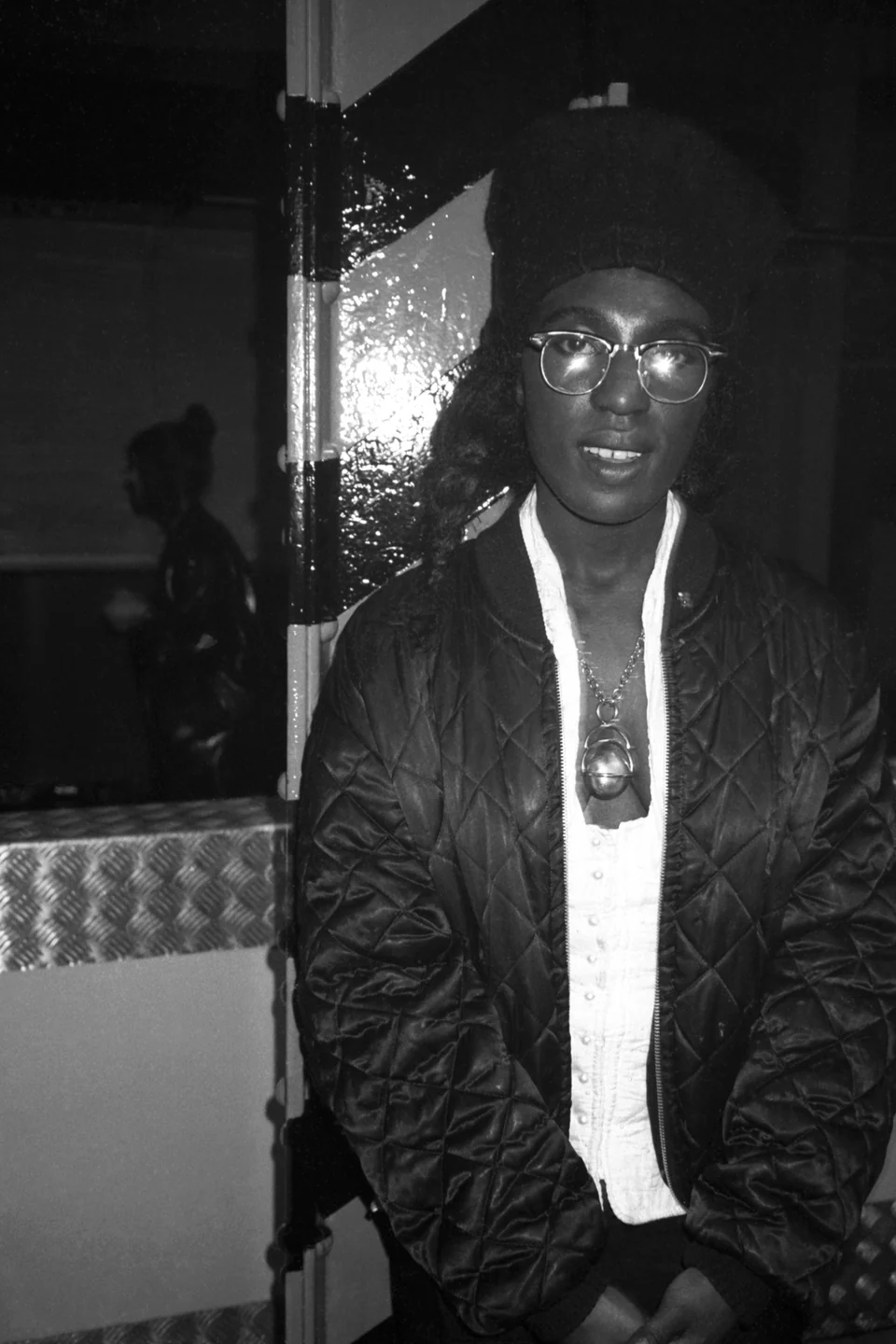
There are moments in cultural history that resist containment—too loud, too immediate, too alive to be archived in real time. The Haçienda nightclub in Manchester was one of them. It didn’t document itself; it happened. Bodies in motion, basslines that blurred into memory, architecture repurposed into something closer to ritual than venue. And yet, decades later, Rave One by Peter J Walsh does something rare: it reconstructs that atmosphere without flattening it.
Now reissued in a new edition of 750 copies by IDEA, Rave One returns not as nostalgia, but as evidence—of a scene, a system, a shift in how youth culture moved, dressed, and gathered.
flow
The Haçienda—formally The Haçienda—opened in 1982, backed by Factory Records and New Order. Initially conceived as a live music venue, it struggled financially in its early years. But by the late 1980s, something recalibrated. Acid house arrived. Chicago’s electronic pulse merged with Manchester’s post-industrial landscape, and the Haçienda became less a destination and more a nucleus.
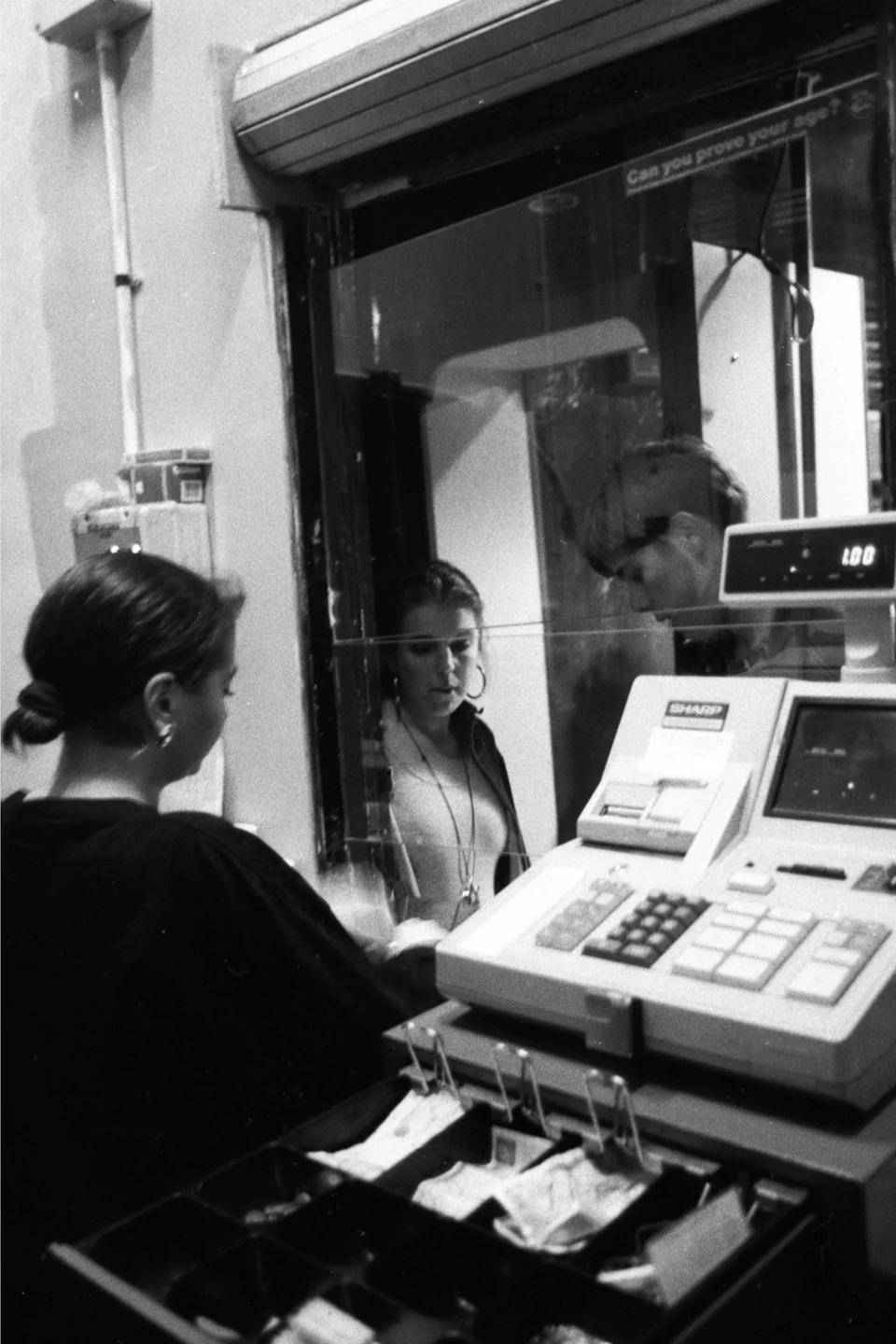
Walsh’s photographs sit precisely at this turning point. They are not polished editorial images; they are embedded. Shot from within the crowd, often at eye level or slightly off-axis, they capture the density of the room rather than its spectacle. There is no distance between photographer and subject—only participation.
You see sweat before you see style. Movement before identity. And then, gradually, both begin to emerge.
serve
What separates Rave One from other archival club photography is its refusal to aestheticize prematurely. Walsh does not treat the Haçienda as an object to be framed; he treats it as an environment to be navigated.
Faces appear mid-transition—eyes closed, expressions suspended between euphoria and exhaustion. Clothing is practical, improvised, often incidental: oversized T-shirts, sportswear, denim, silhouettes that would later become codified as rave uniform. But here, they are still forming.
There is a looseness to the images. Grain, blur, flash inconsistencies—these are not flaws but conditions. The camera struggles to keep up, and in doing so, it records something more honest than clarity: velocity.
Walsh’s lens doesn’t isolate individuals for narrative. It allows them to remain part of a collective rhythm. The result is less portraiture, more atmosphere. Less documentation of people, more documentation of energy.