RHUDE x Domaine Dujac: From Vineyard to Garment

March 19, 2026
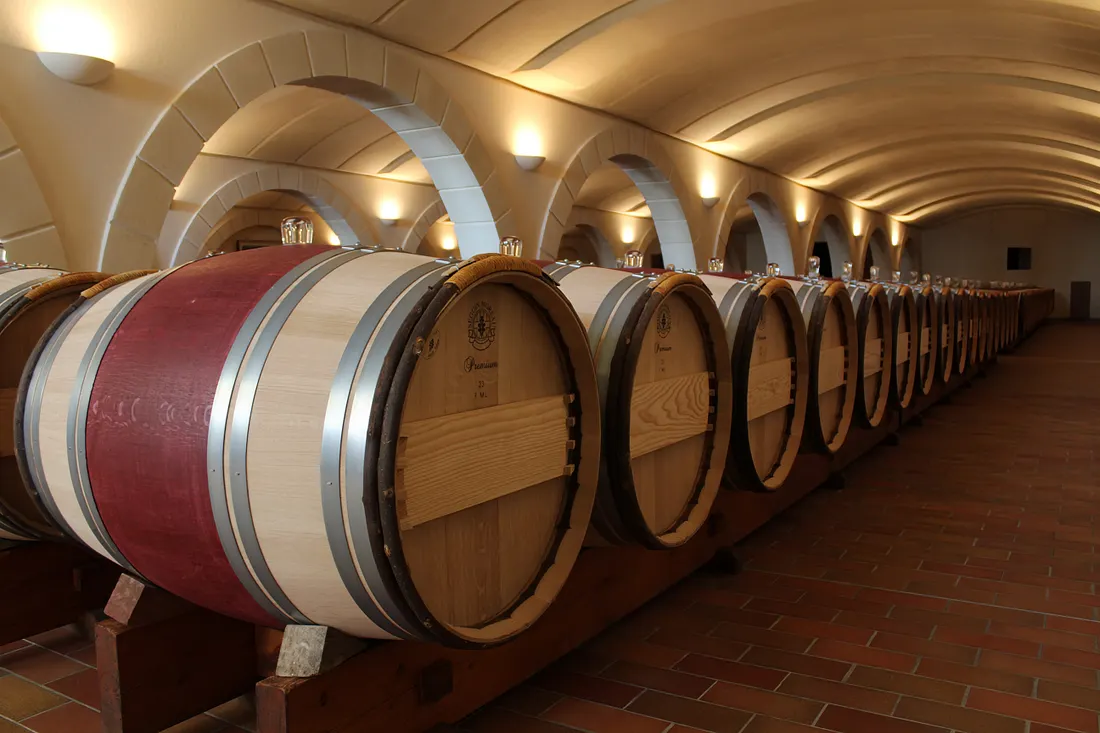
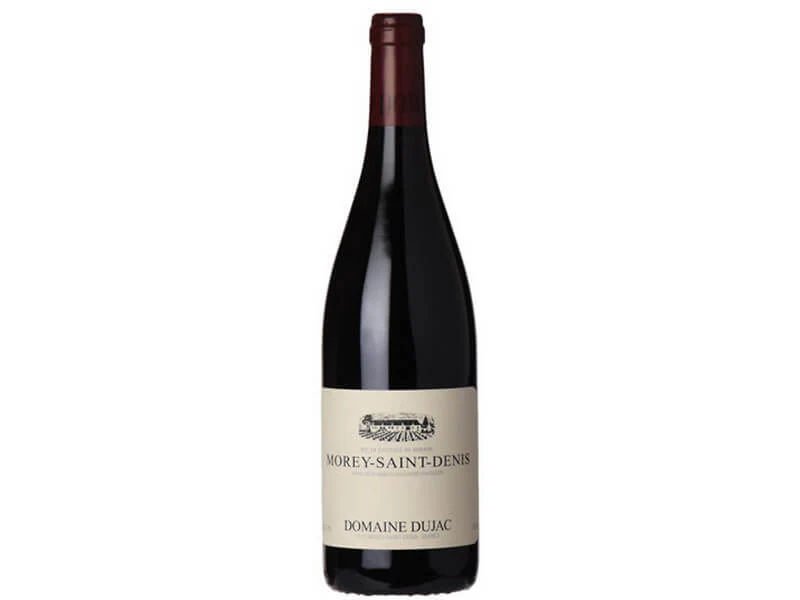
There is a certain stillness to Burgundy that resists the velocity of modern fashion. It is a place where time accumulates rather than accelerates—where soil, season, and stewardship shape identity across generations. In this context, the collision between RHUDE and Domaine Dujac feels less like a crossover and more like a convergence.
The RHUDE x Domaine Dujac capsule does not begin with clothing. It begins with land. Specifically, the limestone-rich terroir of Burgundy, where Domaine Dujac has cultivated not just vines, but a philosophy—one rooted in patience, restraint, and generational continuity. These are not values commonly associated with streetwear, yet they form the conceptual backbone of this release.
Set for release on March 20, 2026 at 10AM PST, the capsule arrives not as a seasonal drop, but as a translation of heritage into contemporary form.
dujac
Founded in 1968 in Morey-Saint-Denis, Domaine Dujac is not among the oldest estates in Burgundy—but it is among the most respected. Its identity has been shaped by meticulous vineyard management, low-intervention winemaking, and an unwavering commitment to expressing terroir with clarity.
In Burgundy, craftsmanship is not decorative—it is structural. Every decision, from pruning to fermentation, contributes to a final expression that is both precise and ephemeral. Wine, like fashion, exists in time. But unlike fashion, it resists replication.
This ethos informs the capsule in ways that extend beyond aesthetic reference. The garments are not merely inspired by Burgundy—they are constructed with a similar reverence for process. Fabrics are chosen with the same attention as grape selection. Finishes echo the quiet tactility of cellar work—worn woods, oxidized metals, softened textiles that feel lived-in rather than manufactured.
There is an intentional absence of excess. Nothing is ornamental without purpose.
View this post on Instagram
rhude
Under the direction of Rhuigi Villaseñor, RHUDE has consistently operated at the intersection of cultural memory and aspirational design. The brand’s language is one of hybridity—merging American iconography with European sensibility, streetwear with tailoring, nostalgia with ambition.
What distinguishes RHUDE is not its silhouettes, but its storytelling. Each collection is less a product line and more a narrative framework—one that situates garments within broader cultural contexts.
The collide with Domaine Dujac extends this framework into new territory. It is not simply about referencing wine culture, but about engaging with the deeper structures that define it: lineage, discipline, and the slow accumulation of knowledge.
In doing so, RHUDE moves further away from trend-driven design and closer to something resembling authorship.
flow
The RHUDE x Domaine Dujac capsule is defined by restraint. The palette draws directly from Burgundy itself—chalky whites, deep Pinot noir reds, muted greens, and weathered browns. These are not colors chosen for seasonal relevance, but for their permanence.
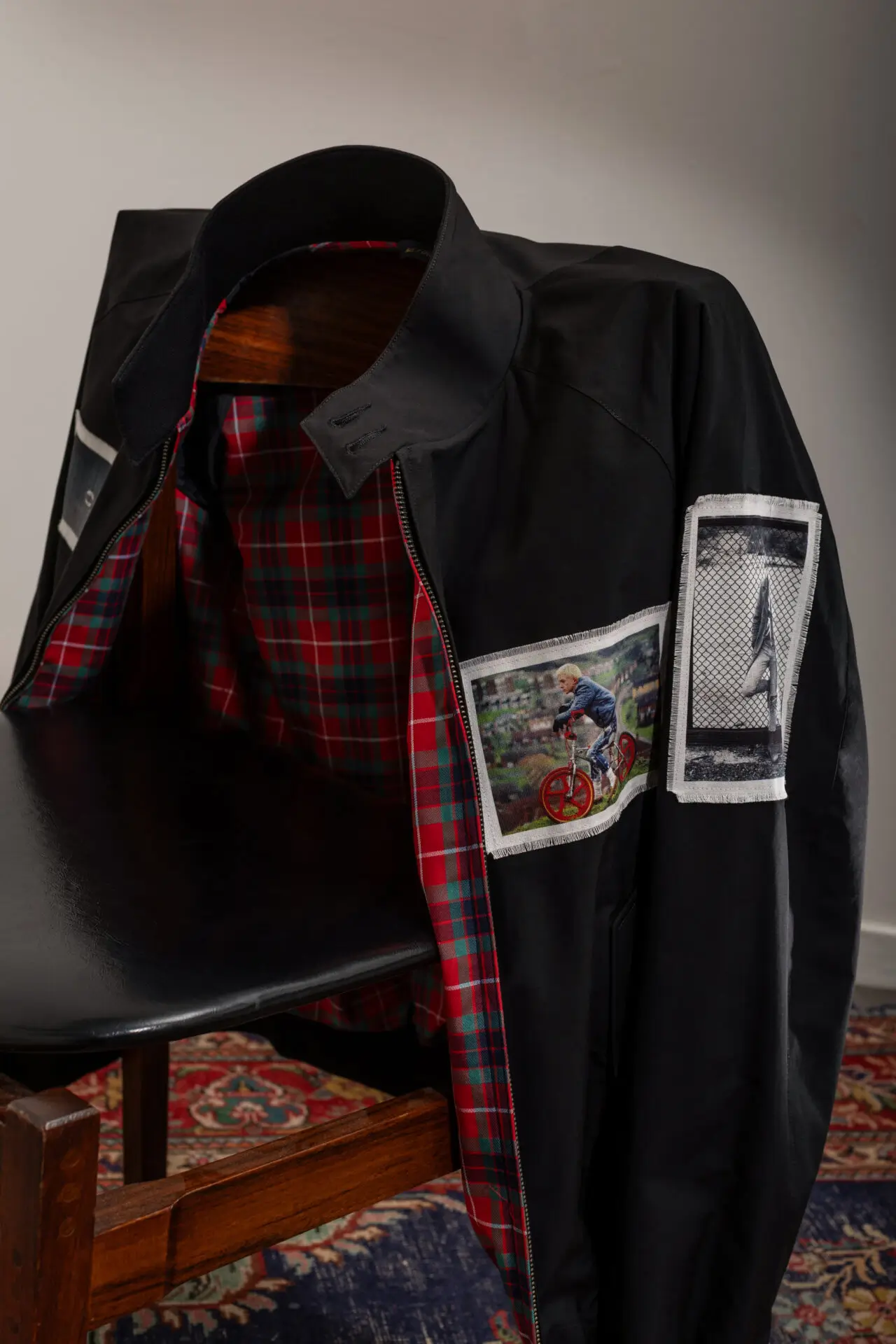
Silhouettes remain consistent with RHUDE’s established vocabulary: relaxed tailoring, structured outerwear, elevated basics. Yet within these familiar forms, there is a noticeable shift toward tactility. Linen blends, brushed cottons, and softened leathers create a sensory experience that mirrors the textures of vineyard life.
Graphics are sparse but intentional. Typography references traditional wine labeling—serif fonts, archival layouts, subtle insignias. Rather than overt branding, the capsule favors coded communication. Those who recognize Domaine Dujac will understand the reference. Those who do not will simply see refinement.
There is a quiet confidence in this approach. It does not demand attention—it rewards it.
lang
What binds RHUDE and Domaine Dujac is not aesthetic similarity, but philosophical alignment. Both operate within systems that prioritize process over immediacy. Both understand that value is not created at the point of sale, but through sustained attention to detail.
In Burgundy, a vineyard is not owned—it is inherited. Each generation is responsible for preserving and refining what came before. This sense of custodianship is mirrored in the capsule’s construction. Garments are designed to age, not degrade. To evolve with wear rather than lose integrity.
This is a subtle but significant departure from conventional streetwear, which often prioritizes novelty over longevity. Here, the emphasis is on permanence.
The merge suggests a different model for fashion—one that is less concerned with cycles and more attuned to continuity.
stir
There is an inherent elegance in restraint. Burgundy comprehends this instinctively. Its wines are rarely ostentatious; they reveal themselves gradually, through nuance rather than intensity.
The RHUDE x Domaine Dujac capsule adopts a similar approach. It avoids spectacle in favor of subtlety. Details are discovered rather than displayed—an embroidered motif on the interior lining, a tonal print that becomes visible only in certain light, a fabric finish that shifts with movement.
This design philosophy aligns with a broader shift within haute fashion, where quietness has become a form of distinction. In an environment saturated with logos and immediacy, discretion carries weight.
The capsule does not attempt to redefine opulence—it refines it.
a moment, not a drop
The decision to release the capsule on March 20, 2026 at 10AM PST is not incidental. Spring, in Burgundy, marks the beginning of a new cycle. Budbreak signals renewal, but also risk—the fragile moment when vines reawaken.
Positioning the release within this timeframe reinforces the collide’s conceptual grounding. It is not simply a commercial launch, but a temporal alignment with the rhythms of the vineyard.
This attention to context elevates the capsule beyond product. It becomes an event—one that acknowledges both fashion’s immediacy and wine’s patience.
culture
Wine and fashion occupy distinct cultural spaces, yet both function as markers of identity. They communicate taste, knowledge, and belonging. Historically, these domains have remained separate—wine aligned with tradition, fashion with innovation.
The RHUDE x Domaine Dujac collaboration challenges this separation. It proposes that heritage and contemporaneity are not opposing forces, but complementary ones.
By bringing Burgundy into the language of streetwear, the capsule expands the cultural vocabulary of both fields. It introduces wine to a new audience while offering fashion a deeper sense of grounding.
This is not blend for its own sake—it is dialogue.
fwd
If there is a central thesis to the RHUDE x Domaine Dujac capsule, it is this: that slowness has value. In an industry defined by speed, the union offers an alternative perspective—one that prioritizes depth over breadth, quality over quantity, meaning over momentum.
This is not a rejection of modernity, but a recalibration of it.
The garments themselves are not revolutionary. They do not introduce new silhouettes or technologies. What they offer instead is a different way of thinking about fashion—one that draws from disciplines outside its immediate sphere.
In doing so, the capsule gestures toward a future where fashion is less reactive and more reflective.
end
The RHUDE x Domaine Dujac capsule is not an attempt to romanticize Burgundy—it is an effort to understand it. To translate its values into a different medium without diluting their meaning.
In doing so, it offers something increasingly rare within contemporary fashion: a sense of continuity.
Not everything needs to move faster. Some things, like wine—and now, perhaps, certain garments—are better when allowed to unfold over time.