Rush Hour 4 Finds New Momentum as Paramount Circles Distribution Deal

December 4, 2025
sequel
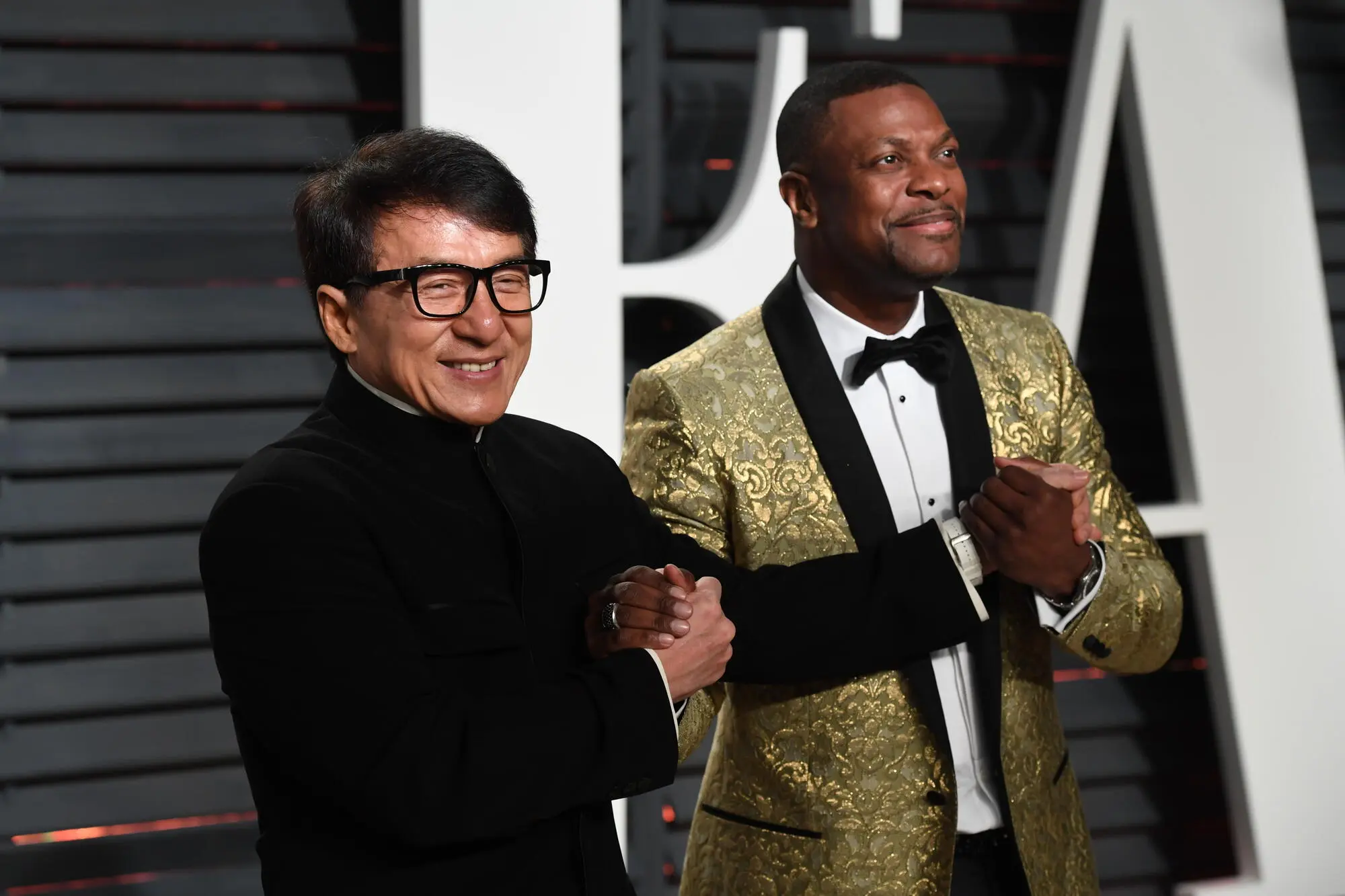
For nearly two decades, the idea of Rush Hour 4 has drifted between rumor and relic, resurfacing through occasional comments from Jackie Chan or Chris Tucker before fading again into uncertainty. But this week, the winds finally changed. Multiple outlets report that Paramount is circling a deal to distribute a new installment in the buddy-cop franchise—an update first broken by industry insider Matt Belloni.
For fans who have waited since 2007’s Rush Hour 3, this is the clearest signal yet that the long-gestating sequel may actually move into production. But the implications extend far beyond a single franchise. Paramount’s interest represents a broader shift in how Hollywood treats legacy IP at a time when theatrical risk is high, streaming economics are unstable, and nostalgia has become one of the most valuable currencies in entertainment.
why
Although Rush Hour 3 marked the last official chapter of the franchise, the series itself never faded from collective memory. The original 1998 film arrived as the buddy-cop genre was losing momentum, yet Jackie Chan’s unmatched physical artistry paired with Chris Tucker’s kinetic comedic energy revitalized the format. The first movie built instant cultural resonance; the second became a runaway box-office hit; the third cemented the franchise as a millennial touchstone always within reach through cable reruns, YouTube clips, and endless meme cycles.
That lingering presence explains the sustained appetite for a fourth film. Even in an era of shifting viewing habits and fragmented global audiences, Rush Hour remains one of the rare action-comedy properties with enduring transnational appeal—thanks largely to Chan’s global stardom and the duo’s unmistakable chemistry.
View this post on Instagram
return
Despite both Chan and Tucker expressing interest over the years, Rush Hour 4 repeatedly stalled. Script uncertainties, evolving studio priorities, and shifting schedules created a cycle of anticipation followed by setbacks. Chan’s 2022 hint that the film was in early discussions reignited hope, though official progress never materialized.
The deeper challenge is structural: a new installment must reconcile the tone of the early films with today’s cultural landscape. The comedy stylings of the late ’90s and early 2000s do not translate directly into the 2020s, when audiences are more attuned to representation, nuance, and the cultural implications of humor. A fourth film must therefore evolve without losing the irreverent spark that defined the franchise.
stir
That is what makes Paramount’s involvement so intriguing. Traditionally, the Rush Hour trilogy was distributed by Warner Bros., but Hollywood’s current studio reconfigurations have created shifting appetites for which projects deserve revival. Warner Bros., consumed with reorganizing DC, rebuilding existing tentpoles, and navigating executive transitions, appears less inclined to champion a nostalgic action-comedy comeback.
Paramount, on the other hand, is actively rebuilding its theatrical identity. In a climate where reliable box-office performers are scarce, a globally recognizable franchise with built-in goodwill becomes a powerful acquisition. Chan remains a massive draw across Asia, and the franchise’s comedic energy still resonates widely. Paramount’s move signals a bet on cross-demographic appeal—millennial nostalgia blended with international reach.
flow
If Rush Hour 4 enters production, its greatest challenge will be redefining the buddy-cop template for contemporary audiences. The genre has barely existed in recent years, overshadowed by superhero universes, ensemble action spectacles, and serialized streaming narratives. A modern entry needs a fresh angle—one that acknowledges how both characters and culture have evolved.
The original films thrived on the contrast between Chan’s precise discipline and Tucker’s improvisational chaos. That oppositional rhythm still holds potential, but the screenplay must approach their dynamic with more self-awareness, allowing humor to emerge from maturity rather than stereotype. A story that revisits these characters as older, seasoned, and slightly worn could unlock resonance beyond slapstick or nostalgia.
themes
The world has changed dramatically since 2007. A compelling fourth installment must reflect that transformation. Themes like digital crime, international cooperation, cross-border policing, and the complexities of global culture could replace the more straightforward setups of earlier films. The franchise has always been international in scope, but today’s landscape demands a more deliberate global perspective—one that complements Chan’s and Tucker’s established personas while adding narrative depth.
There is also space to explore legacy. Chan’s more recent roles show a meaningful shift toward mentorship, introspection, and emotional vulnerability. Tucker, too, has grown beyond the unfiltered comedic energy of his early career. Both actors have matured; the screenplay should allow their characters to do the same.
industry
Paramount’s potential acquisition lands at a pivotal time. Box office patterns remain unpredictable, with mid-budget films struggling and nostalgia-driven IP consistently outperforming expectations. A Rush Hour revival would likely fall into a mid-to-high budget range, a category increasingly rare but still profitable when tied to established global stars.
Studio strategy also factors in streaming. While theatrical release remains paramount, a recognizable franchise becomes a long-tail asset for digital platforms. The original films already enjoy robust streaming life; a new installment would significantly increase franchise visibility, licensing value, and post-theatrical engagement.
the fwd
A successful continuation must embrace time rather than escape it. Lee and Carter are not the same men they were in 1998, and the film should reflect that reality—not through heavy-handed retrospection, but through grounded, character-driven humor. Their partnership, once defined by clashing styles and misunderstandings, could evolve into something more textured, exploring the challenges of aging, legacy, and relevance.
The action itself could also expand. Chan’s stunt philosophy has always centered on creativity over spectacle. A modern installment should honor that ethos, highlighting technique, ingenuity, and physical storytelling rather than CGI-heavy overcompensation.
stake
A Rush Hour 4 that misreads the cultural landscape risks feeling outdated or careless. But one that leans into maturity, global perspective, and the renewed dynamic between the leads could land with surprising impact. The franchise’s heart has always been in the interplay between Lee and Carter—two characters who learn from each other even when they can barely understand one another. Reintroducing them to a changed world could give the series its richest thematic material yet.
Paramount’s interest suggests the studio recognizes this potential. Hollywood, after years of chasing universes and endless expansion models, is now looking back at familiar stories that once connected audiences across continents. Amid economic volatility, legacy franchises offer emotional stability—shared cultural ground where audiences and studios both feel safe but still open to discovery.
fin
If the deal closes, Rush Hour 4 will not simply mark a nostalgic return. It will symbolize a recalibration of what franchises can mean in the modern era—how they evolve, what they preserve, and how they adapt to a world more interconnected and self-aware than ever.
For now, the film remains in negotiation. But the energy surrounding it feels different this time. The signals are stronger, the industry motivations clearer, and the cultural environment more receptive. After years of false starts, Rush Hour 4seems closer than ever to stepping out of rumor and into reality.
And if Lee and Carter really do reunite, they won’t just be revisiting the past. They’ll be navigating a new world together—still mismatched, still chaotic, still iconic—but wiser, funnier, and ready for a new chapter that reflects the world as it is today.