Aaliyah, Reconstructed: Sacai’s Cinematic Dialogue For Contempo – Hybrid

April 1, 2026
3 hours ago
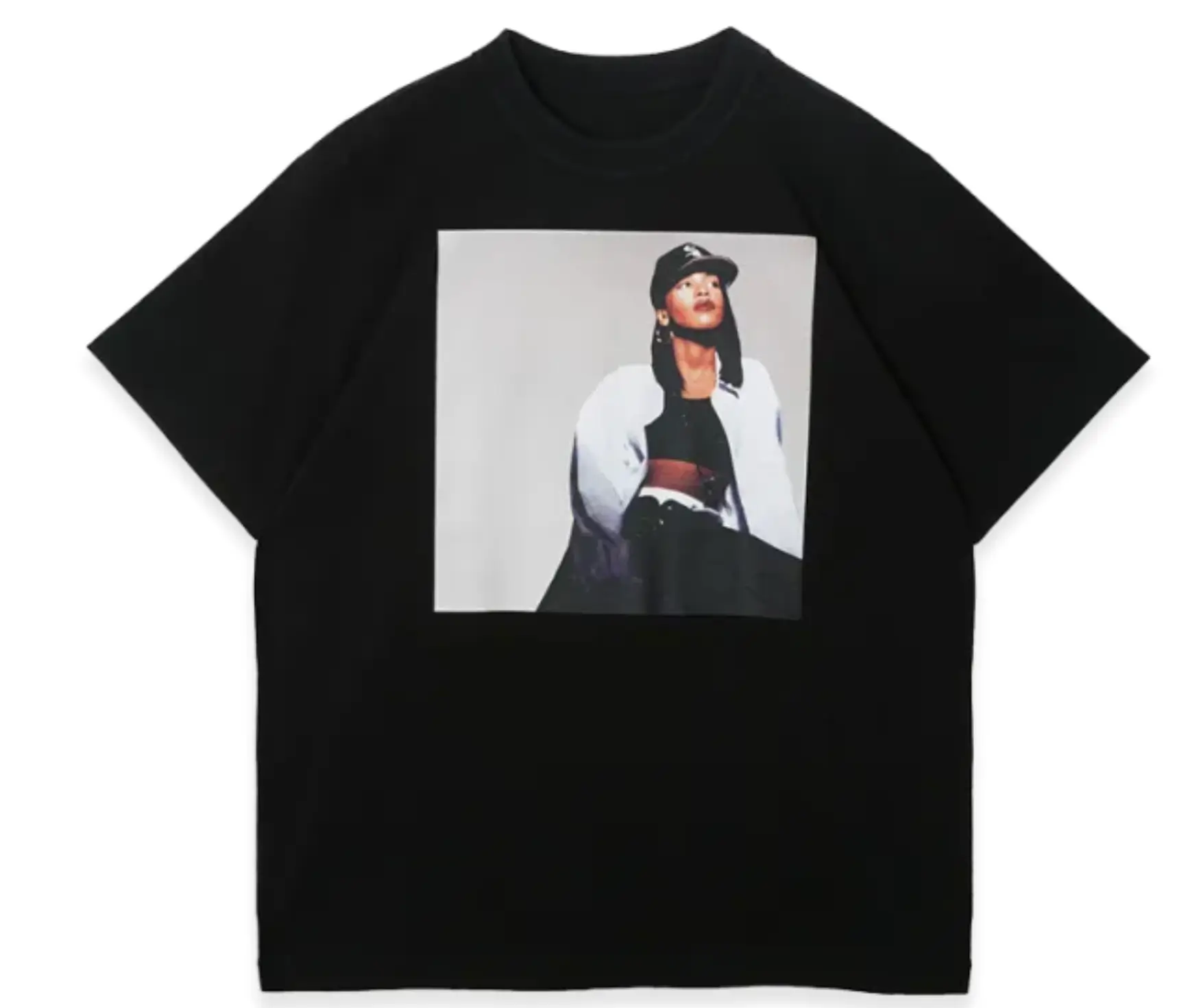
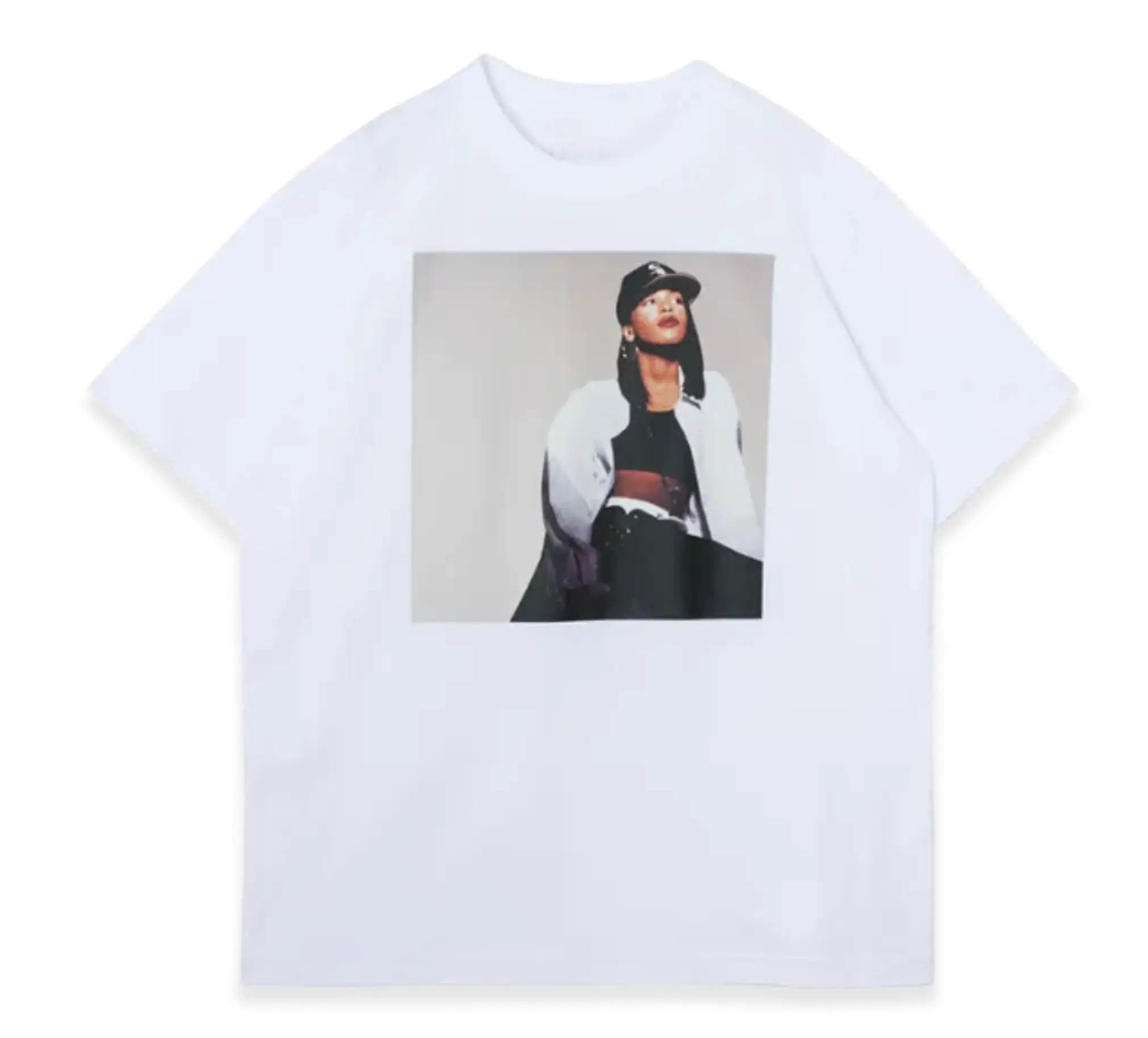
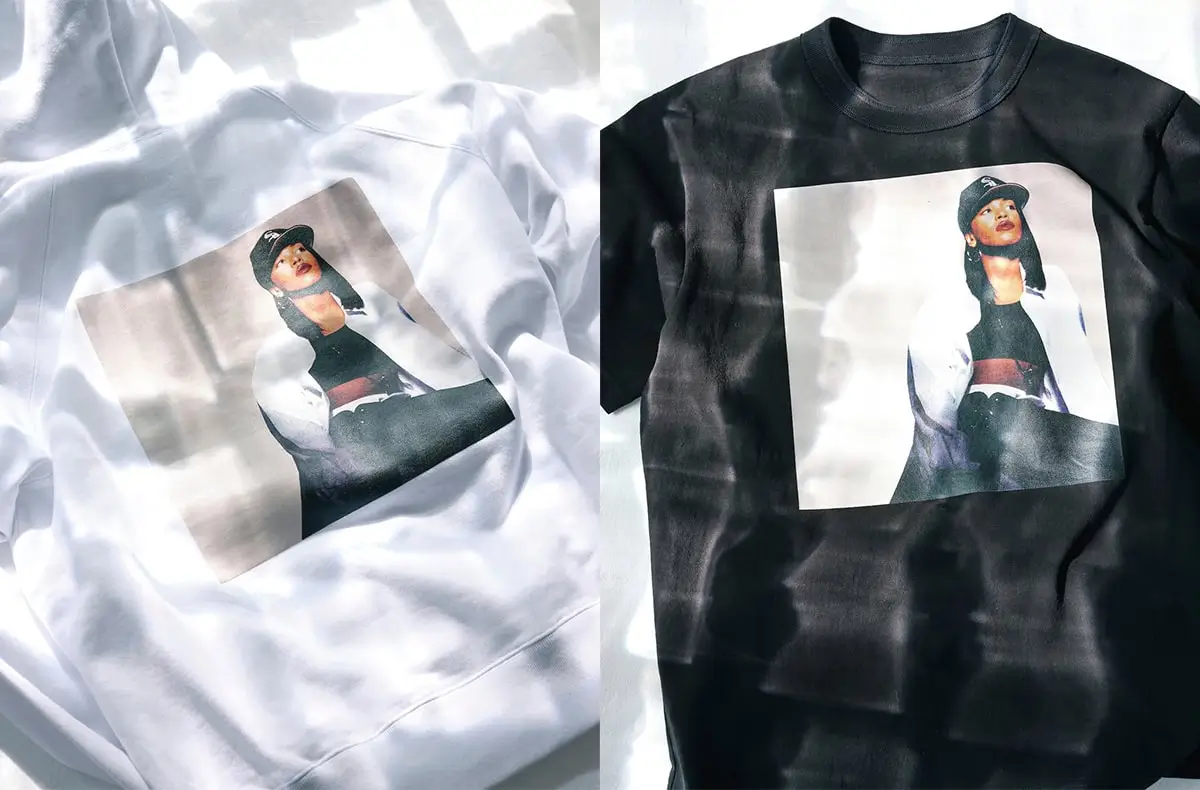
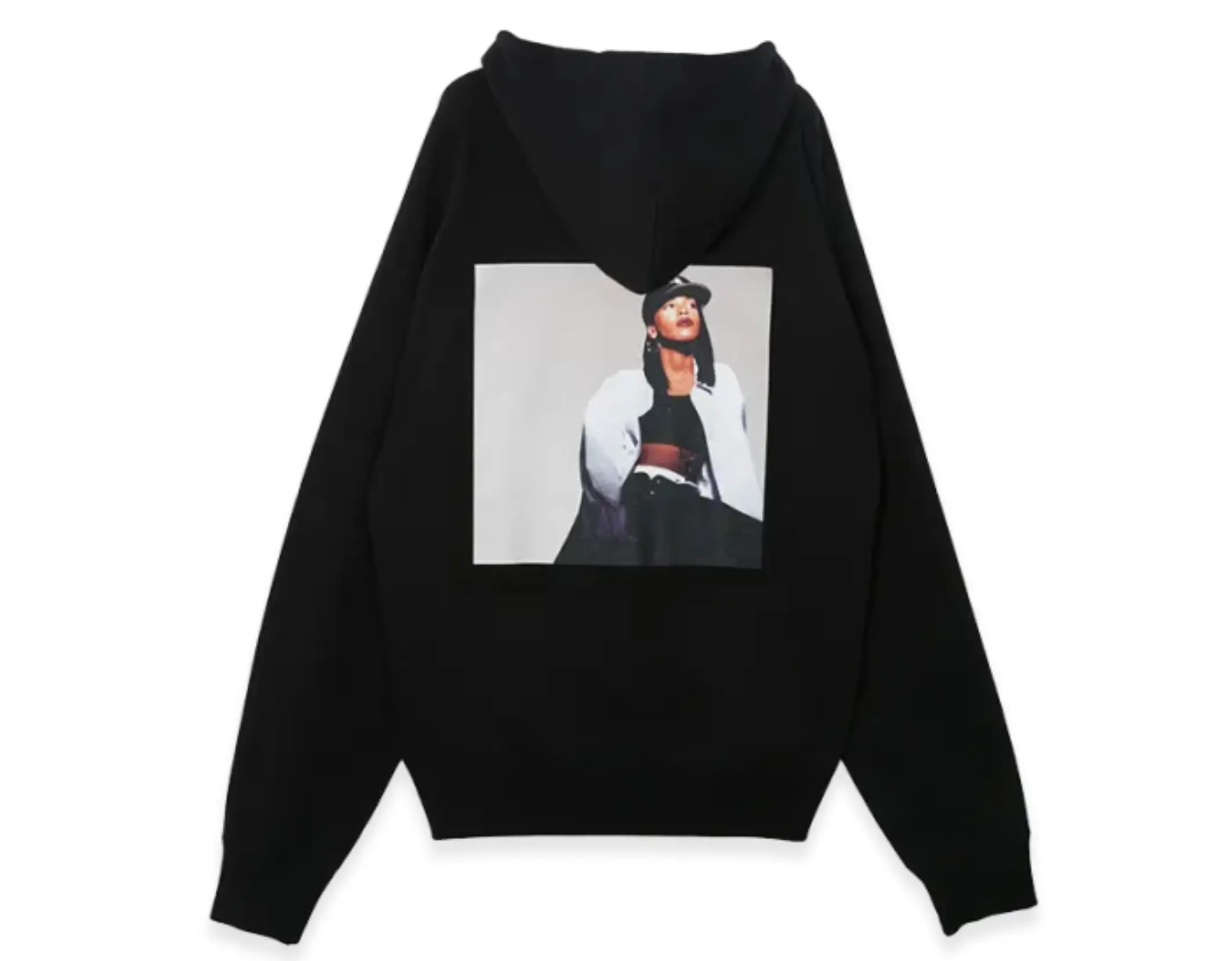
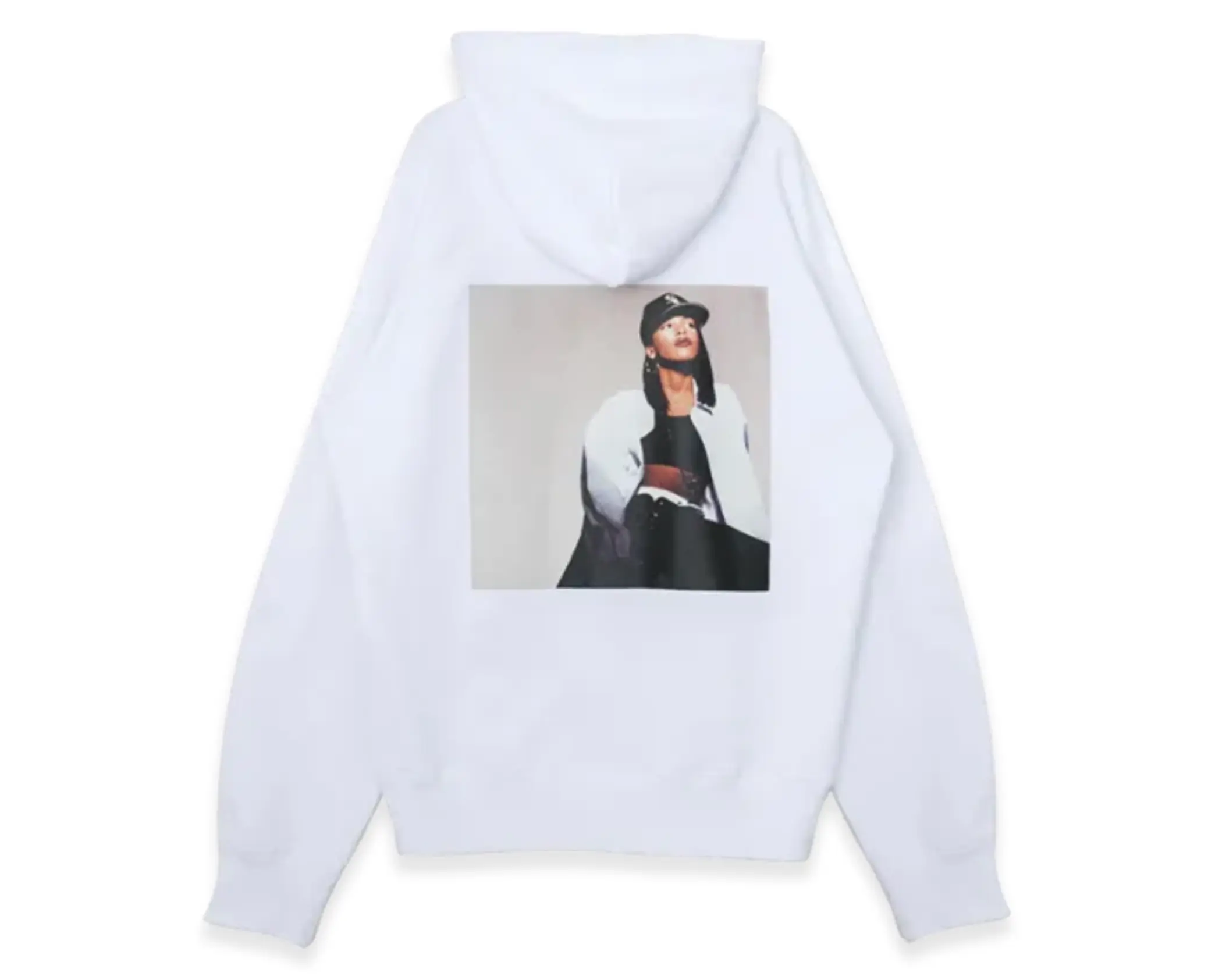
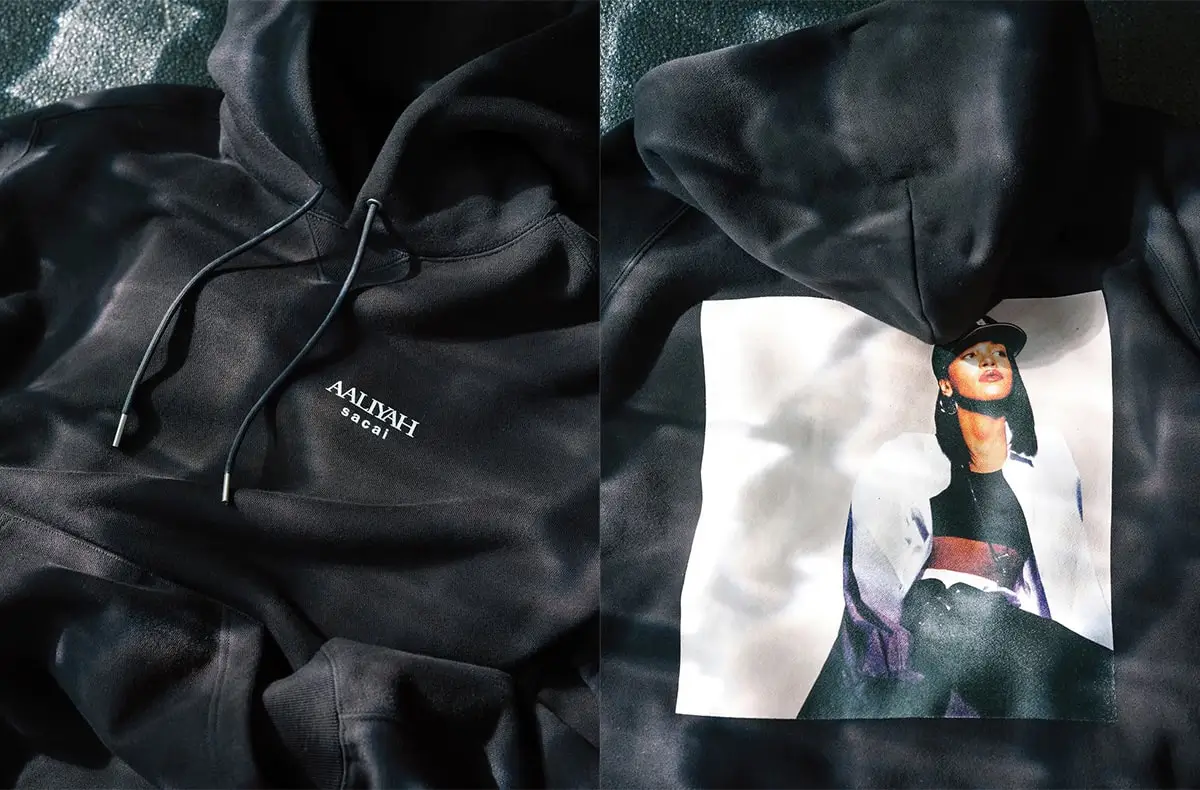
the continue
There are artists whose impression settles into nostalgia, and there are those whose presence continues to recalibrate culture in real time. Aaliyah belongs to the latter. Her image—cool, elusive, and structurally ahead of its time—remains embedded in the view language of contemporary fashion. Decades after her passing, her aesthetic codes are not simply referenced; they are actively reinterpreted, sampled, and re-engineered.
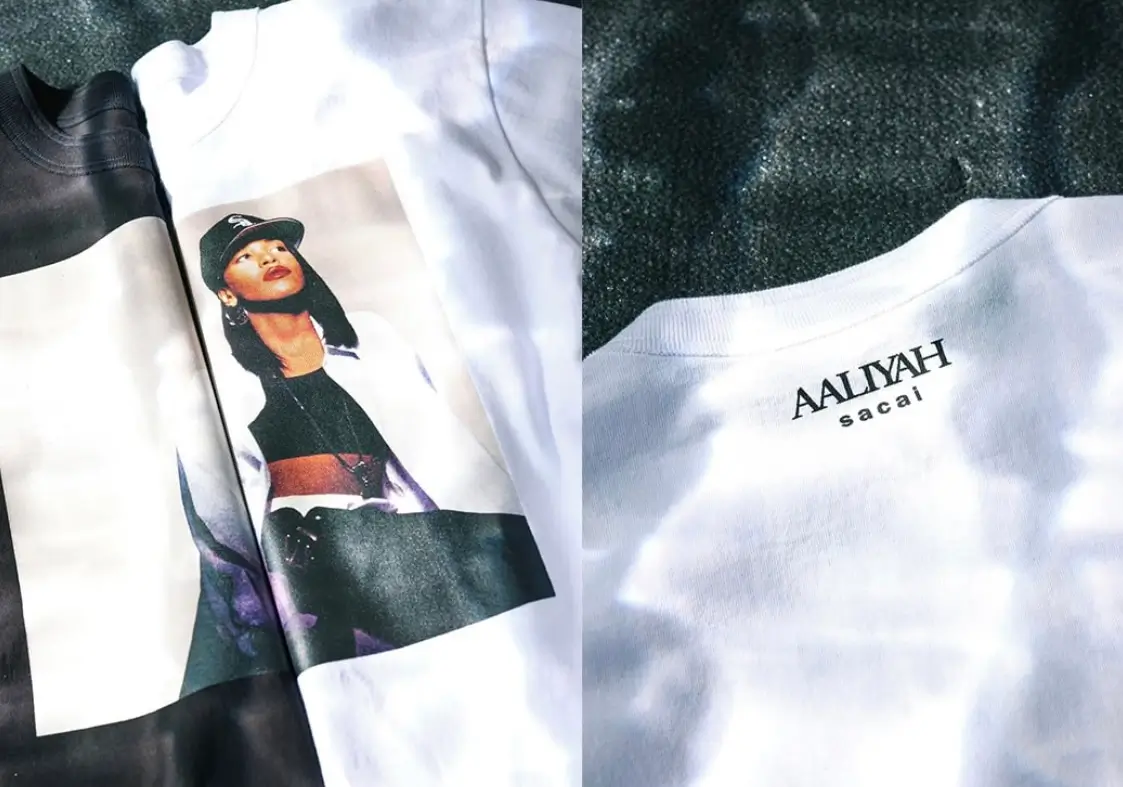
Enter sacai, the Tokyo-based house founded by Chitose Abe, whose design philosophy has long revolved around hybridization—garments that splice together disparate identities into a cohesive, forward-facing whole. With its capsule collection honoring Aaliyah, sacai does not indulge in nostalgia for its own sake. Instead, it constructs a cinematic language around her legacy, positioning her not as a relic of the 1990s, but as a blueprint for the present.
View this post on Instagram
archetype
To achieve some grasp of gravity of this collision, one must consider Aaliyah not merely as a musician, but as an archetype. Her style resisted easy categorization: oversized silhouettes softened by feminine precision, streetwear elevated through restraint, masculinity reframed through grace. She wore clothing as if it were an extension of rhythm—fluid, controlled, intentional.
Her merges with Tommy Hilfiger in the mid-1990s helped define a viewable identity that bound hip-hop sensibilities with polished Americana. Yet what made Aaliyah singular was not the garments themselves, but the way she inhabited them. There was no excess, no overstatement—only a quiet authority that continues to resonate in today’s fashion cycles.
Sacai’s intervention begins here: not with replication, but with interpretation. The collection reframes Aaliyah as a living aesthetic system, one that can be translated across time, medium, and cultural context.
flow
Chitose Abe’s design ethos has always centered on collision—denim blended with tailoring, military references softened through pleating, sportswear disrupted by couture-level construction. In the Aaliyah capsule, this methodology becomes a form of homage.
Tracksuits are deconstructed and reassembled with unexpected paneling, recalling the relaxed silhouettes Aaliyah favored while introducing architectural complexity. Oversized jackets carry dual identities: part streetwear staple, part sculptural object. Fabrication plays a critical role—nylon meets wool, jersey intersects with technical mesh—creating garments that feel both grounded in the 1990s and unmistakably contemporary.
What emerges is not a reproduction of Aaliyah’s wardrobe, but an exploration of its underlying logic. The collection asks: what made her style enduring? The answer lies in balance—between masculine and feminine, structure and fluidity, presence and restraint.
cin
The presentation of the collection leans heavily into cinematic language. Campaign imagery is treated not as documentation, but as storytelling—grainy textures, shadowed compositions, and a sense of suspended motion evoke the visual grammar of late-90s music videos.
There is an implicit dialogue with Aaliyah’s own work, particularly her flow with directors who understood the power of minimalism and atmosphere. Her videos were never overcrowded; they were distilled, almost architectural in their composition. Sacai mirrors this sensibility, creating a visual environment where garments move through space with intention.
In this context, clothing becomes narrative. A jacket is not just outerwear—it is a gesture, a frame within a frame. A pair of trousers is not simply functional—it carries the memory of movement, of choreography, of rhythm translated into fabric.
idea
Fashion often struggles with the tension between memory and innovation. Too much reverence risks stagnation; too much reinvention risks erasure. Sacai navigates this tension with precision, treating Aaliyah’s legacy as both material and myth.
The collection incorporates subtle references—graphics, typography, and tonal palettes that echo her era—without becoming overtly referential. There is a restraint here that feels intentional, almost protective. Aaliyah’s image is not commodified; it is contextualized.
This approach aligns with a broader shift in fashion, where archival inspiration is filtered through contemporary frameworks rather than reproduced wholesale. Sacai’s Aaliyah capsule becomes a case study in how to engage with cultural memory responsibly—acknowledging influence while allowing for evolution.
deploy
“Cool” is an overused term in fashion, often deployed without precision. In Aaliyah’s case, it carried a specific weight. Her cool was not performative; it was inherent. It existed in the way she occupied space, in the economy of her gestures, in the refusal to overstate.
Sacai translates this into design through subtraction rather than addition. The garments do not shout; they resonate. Silhouettes are oversized but controlled, details are present but understated. There is an elegance in restraint that mirrors Aaliyah’s own approach to style.
This is perhaps the most significant achievement of the collection: it captures the feeling of Aaliyah without relying on literal replication. It understands that her influence lies not in specific outfits, but in an attitude—a way of being that continues to inform contemporary fashion.
gen
One of the defining aspects of Aaliyah’s legacy is its cross-generational reach. For those who experienced her work in real time, she represents a formative culture moment. For younger audiences, she exists as both icon and discovery—a figure whose influence is encountered through fragments, references, and reinterpretations.
Sacai’s capsule operates within this duality. It speaks to those who recognize the original context while simultaneously introducing Aaliyah to a new audience. The collection becomes a bridge, connecting past and present through design.
This is particularly relevant in an era where fashion is increasingly shaped by digital circulation. Images of Aaliyah continue to surface across platforms, recontextualized within contemporary view culture. Sacai taps into this dynamic, creating garments that feel native to both archival imagery and modern-day styling.
fashion
At its core, this collection is an exercise in translation. It translates music into clothing, memory into material, legacy into form. It acknowledges that fashion is not merely about garments, but about the narratives they carry.
Aaliyah’s influence extends beyond aesthetics—it encompasses a broader cultural ethos, one that values subtlety, authenticity, and innovation. Sacai engages with this ethos, translating it into a contemporary language that feels both respectful and forward-looking.
The result is a collection that operates on multiple levels. It functions as fashion, as tribute, and as cultural commentary. It invites the viewer to reconsider Aaliyah’s place within the broader narrative of style, positioning her not as a moment in time, but as an ongoing influence.
bequest
In an industry that often commodifies legacy, the question of ethics becomes unavoidable. How does one honor an artist without reducing them to a marketing device? Sacai’s approach offers a nuanced answer.
By focusing on interpretation rather than replication, the collection avoids the pitfalls of superficial homage. It does not rely on overt branding or literal imagery; instead, it engages with Aaliyah’s aesthetic on a conceptual level. This creates a sense of integrity that is often missing in similar projects.
There is also a broader cultural sensitivity at play. Aaliyah’s legacy is not treated as a static entity, but as a living influence—one that continues to evolve through reinterpretation. Sacai’s capsule becomes part of this evolution, contributing to an ongoing dialogue rather than attempting to define it.
impression
The significance of this collection extends beyond its immediate context. It signals a shift in how fashion engages with cultural icons, moving away from nostalgia-driven replication toward a more nuanced, interpretive approach.
In this sense, sacai’s Aaliyah capsule contributes to the formation of a new canon—one where legacy is not preserved in isolation, but integrated into contemporary practice. It suggests that the most meaningful tributes are those that allow for transformation, that treat influence as a dynamic force rather than a fixed reference.
clue
Aaliyah’s presence has always been difficult to define. She existed between categories—between genres, between aesthetics, between eras. This ambiguity is precisely what makes her enduring.
Sacai’s tribute captures this quality with remarkable clarity. It does not attempt to resolve the contradictions inherent in her legacy; instead, it embraces them. Through hybrid construction, cinematic presentation, and a deep understanding of cultural context, the collection offers a vision of Aaliyah that feels both familiar and newly revealed.
In doing so, it reaffirms her position not only as the Princess of R&B, but as a foundational figure in the ongoing evolution of style. Her influence is not confined to memory; it continues to unfold, refracted through the work of designers like Chitose Abe, who understand that true legacy is not about preservation, but about progression.