Sekou Is the 21-Year-Old Baritone Making ’70s Soul Cool Again

January 20, 2026
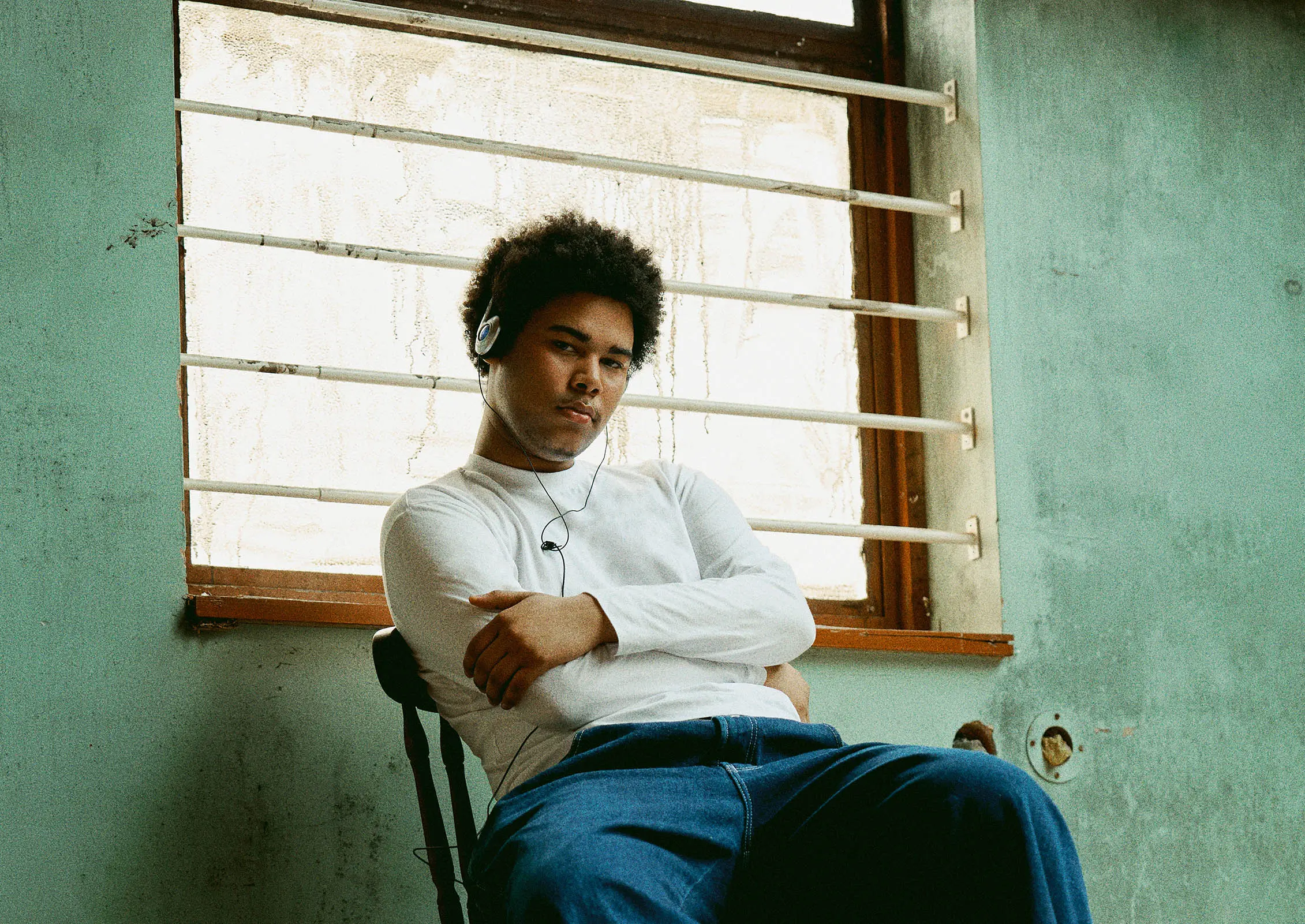
At a time when much of pop music is engineered for immediacy—optimized for virality, compressed for short attention spans—Sekou moves in the opposite direction. The 21-year-old singer, songwriter, and producer is reviving the emotional patience of 1970s soul, grounding his music in warmth, restraint, and a baritone voice that feels improbably seasoned for his age. His work does not chase nostalgia as costume. Instead, it treats the past as a living vocabulary, something to be spoken fluently rather than quoted.
Sekou’s emergence feels quietly disruptive. In a landscape dominated by high-register vocals and hyper-polished digital aesthetics, his low, resonant delivery stands out precisely because it refuses to rush. The voice arrives first—rounded, intimate, and steady—followed by arrangements that privilege space over spectacle. It is soul music reintroduced not as revivalism, but as a contemporary language capable of intimacy and relevance.
root
Baritone singers have always occupied a particular space in soul and R&B. From Bill Withers to Marvin Gaye’s lower register moments, the baritone voice carries gravity. It suggests reflection rather than exhibition, conversation rather than performance. Sekou understands this instinctively. His vocal presence feels less like an affectation and more like a natural register he has learned to trust.
What is striking is how unforced it sounds. There is no theatrical strain toward depth, no attempt to mimic the past. Sekou sings with the calm assurance of someone who understands that emotional weight does not require volume. The result is a voice that invites closeness. It feels as though he is singing to one person at a time, not projecting to the back of a stadium.
learn
The influence of 1970s soul is unmistakable, but Sekou’s relationship to the era is selective and intelligent. He draws from its principles rather than its aesthetics. Warm analog textures, restrained tempos, and an emphasis on melody over maximalism form the backbone of his sound. Strings, keys, and guitar lines are allowed to breathe, often circling the vocal rather than competing with it.
Yet the production never feels like a museum piece. Modern recording techniques subtly shape the sound, keeping it grounded in the present. There is clarity where there once would have been tape haze, precision where there might have been looseness. Sekou is not interested in recreating a sonic past verbatim; he is interested in translating its emotional logic for a new generation.
flow
At the core of Sekou’s appeal is songwriting that values clarity over cleverness. His lyrics are direct, often deceptively simple, focused on connection, longing, and self-awareness. He avoids irony and detachment, two modes that dominate much contemporary pop writing. Instead, he leans into sincerity, trusting that emotional honesty is compelling enough on its own.
This approach aligns him with the great soul writers of the past, who understood that universality emerges from specificity. Sekou writes about relationships, vulnerability, and growth with a sense of proportion. Nothing feels exaggerated for effect. The songs unfold patiently, allowing feelings to surface rather than forcing them into hooks.
radical
In an era where artists are often encouraged to define themselves through excess—bigger beats, louder choruses, more visible personas—Sekou’s restraint feels almost radical. His music resists urgency. Tempos are measured. Arrangements leave room for silence. Vocals are mixed to feel present rather than overpowering.
This restraint extends to his public image. Sekou does not rely on hyper-stylized theatrics or provocative narratives to attract attention. His presence feels intentional but understated, allowing the music to lead. It is a strategy that requires confidence, especially at 21, when the industry often rewards constant visibility and instant payoff.
gen
One of the most compelling aspects of Sekou’s work is its cross-generational appeal. Older listeners hear echoes of a tradition they recognize—soul music as emotional craft rather than commodity. Younger listeners, many encountering this sound outside of algorithmic playlists, experience it as something fresh precisely because it stands apart from contemporary norms.
This bridging of generations is not accidental. Sekou’s music operates in a space where heritage and modernity coexist without friction. He is not positioning himself as a throwback act, nor is he rejecting contemporary culture. Instead, he offers an alternative path forward, one that suggests depth and patience still have a place in popular music.
style
Sekou’s baritone also carries implications beyond sound. In a cultural moment where masculinity in music often oscillates between bravado and fragility, his voice occupies a quieter middle ground. It conveys confidence without aggression, vulnerability without spectacle. This balance recalls a lineage of soul singers who expressed emotional openness without surrendering strength.
There is something quietly affirming about hearing a young artist embrace this register without apology. It challenges assumptions about what contemporary male voices should sound like and how they should express emotion. Sekou’s music suggests that depth, calm, and emotional intelligence can be compelling forms of modern masculinity.
connect
While recordings capture the essence of Sekou’s sound, his music is particularly suited to live settings that prioritize intimacy. Smaller venues, attentive audiences, and acoustics that allow the voice to resonate naturally enhance his work. In these spaces, the baritone becomes physical, felt as much as heard.
Rather than relying on spectacle, live performances emphasize connection. The songs invite listening rather than reaction, creating an atmosphere closer to a shared experience than a performance designed for distraction. This approach aligns with the traditions of soul and R&B as communal, emotionally grounded art forms.
fin
At 21, Sekou’s most significant achievement may be his sense of pacing—not just musically, but professionally. He appears uninterested in rushing toward overexposure or trend-chasing. His work suggests a long view, one where craft develops over time and audiences grow organically.
This patience mirrors the values embedded in his sound. Just as 1970s soul artists built careers through consistency and depth, Sekou seems poised to evolve gradually, allowing his voice and writing to mature naturally. In an industry often obsessed with immediate peaks, this approach feels refreshingly sustainable.