The Tattoo Reset: How to Recognize When It’s Time to Remove Ink and Start Fresh

March 4, 2026
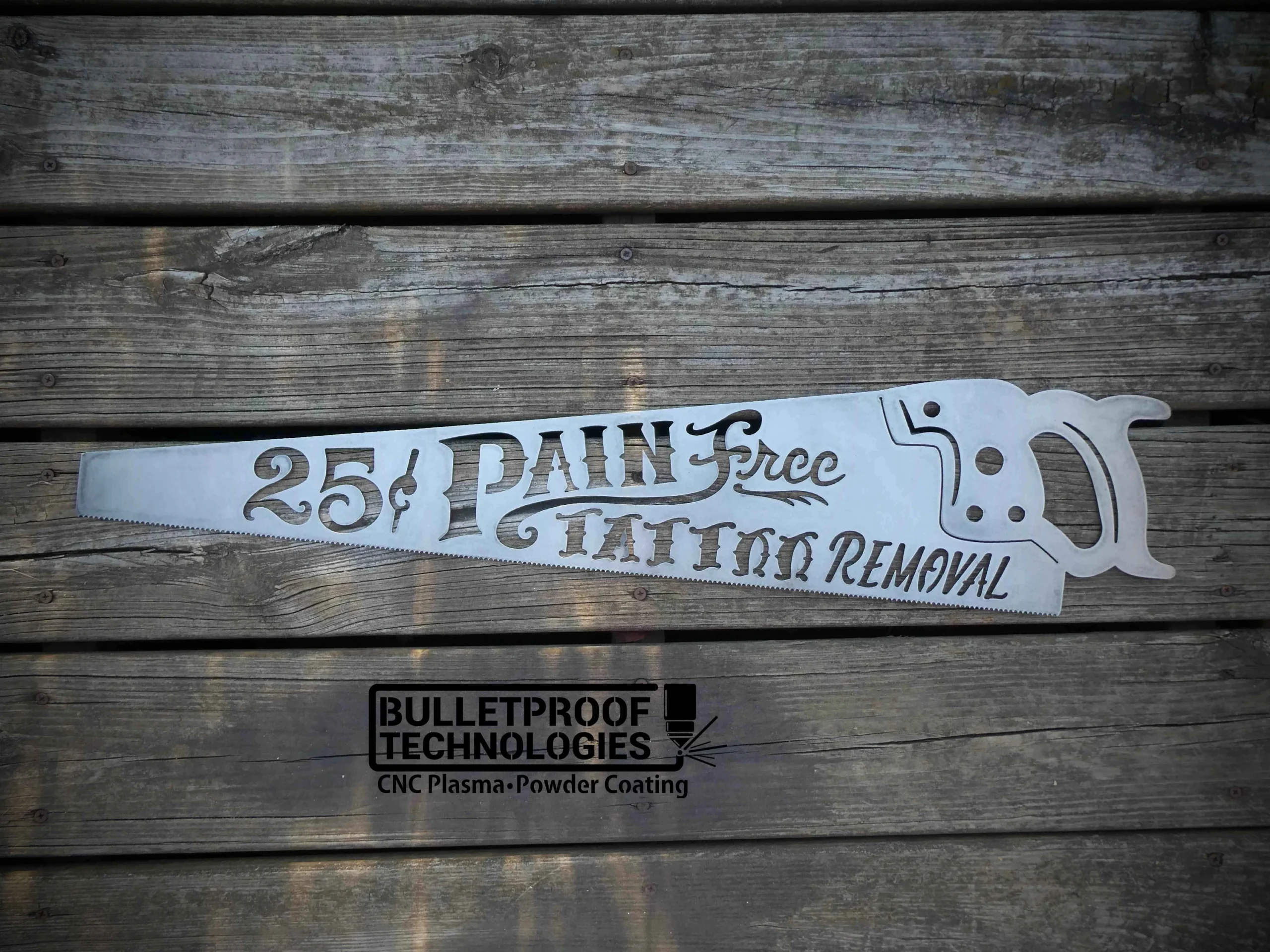
intro
Tattoos are often described as permanent memories written on the skin. For centuries they have symbolized belonging, rebellion, devotion, art, and identity. In modern culture, tattoos occupy an even broader space. They appear in fashion campaigns, professional workplaces, celebrity culture, and fine art galleries. What once felt subversive has become part of everyday personal expression.
Yet permanence can be complicated.
People change. Relationships evolve. Careers develop. Personal aesthetics shift. A tattoo that once felt like an essential part of identity may eventually feel disconnected from who someone has become. In recent years, tattoo removal has become increasingly common—not as a sign of regret alone, but as a form of self-editing.
The global rise of laser removal technology has made it possible to remove or fade tattoos safely and effectively. Dermatology clinics and specialized tattoo removal centers now offer procedures designed to break down ink pigments without significant damage to surrounding skin.
But the real question is rarely technological.
The deeper question is emotional, psychological, and personal: How do you know when it’s time to remove a tattoo?
Understanding the signs can help people make thoughtful decisions about their bodies, their stories, and how they wish to present themselves moving forward.
stir
Many tattoos begin as symbols of powerful moments—love, grief, friendship, or transformation. They commemorate people, places, or experiences that once carried deep emotional weight.
Over time, however, that meaning can fade.
Perhaps the tattoo references a relationship that ended long ago. Maybe it celebrates a period of life that feels distant or uncomfortable to revisit. In other cases, the symbolism may simply lose relevance as a person grows.
Human identity is fluid. The passions and beliefs that define someone at twenty might look very different by thirty or forty.
When a tattoo becomes a reminder of a past version of oneself rather than an expression of present identity, it can start to feel emotionally out of place.
For some people, removing the tattoo is less about erasing the past and more about acknowledging personal growth.
when
Workplace culture has changed significantly over the past two decades, and tattoos are far more accepted than they once were. In creative industries, hospitality, fashion, and entertainment, visible tattoos are often celebrated as part of personal style.
However, not all professions share the same standards.
Certain corporate environments, government positions, legal professions, and healthcare institutions still maintain policies regarding visible tattoos. In these contexts, large or highly visible tattoos—particularly on the neck, face, or hands—may create professional barriers.
Even when policies are not explicit, social perceptions can influence hiring decisions or career advancement.
If someone begins to feel that a tattoo is limiting professional mobility or affecting confidence in professional settings, tattoo removal can become a strategic choice rather than purely an aesthetic one.
wither
Tattoo artistry varies widely in quality, and even well-executed tattoos change over time.
Ink naturally spreads beneath the skin as years pass. Lines can blur, colors may fade, and once-precise designs can lose their clarity. Sun exposure, aging skin, and weight changes all affect how tattoos look over time.
In some cases, a tattoo that once appeared vibrant and sharp becomes distorted or unrecognizable.
People facing this issue often have two choices: cover-up work or removal.
Laser removal is frequently used to fade an old tattoo so that a new design can be placed over it. This process allows tattoo artists to work with a cleaner canvas rather than trying to incorporate dark or dense ink into a new design.
In this sense, tattoo removal is not always about elimination—it can also be part of artistic reinvention.
show
Personal style evolves constantly.
Clothing choices, hairstyles, and aesthetic preferences often change as people age and explore different aspects of their identity. A tattoo that once aligned with a person’s style may eventually feel inconsistent with their current aesthetic.
For example, someone who once embraced bold or edgy designs might later prefer minimalism or a more understated appearance. Others may shift toward professional environments where they prefer a more neutral visual presentation.
In these cases, the tattoo itself may not carry negative emotional meaning, but it simply no longer feels visually aligned with the person wearing it.
Tattoo removal can function as a form of visual editing—similar to updating a wardrobe or redesigning a living space.
emotive
Perhaps the most powerful reason for tattoo removal is emotional discomfort.
Some tattoos are tied to painful memories, relationships, or experiences. Seeing the tattoo every day can act as an unwanted reminder of something someone would rather move beyond.
This situation can arise after breakups, the loss of friendships, difficult life events, or periods of personal struggle.
When a tattoo consistently triggers negative emotions or stress, removing it may provide a sense of closure.
Psychologists sometimes compare this process to reclaiming personal space. Removing a tattoo connected to a painful past can symbolize healing and moving forward.
flow
Impulsive tattoos are incredibly common.
Late-night decisions, vacation souvenirs, and youthful experimentation often result in tattoos that were chosen quickly rather than thoughtfully. At the time, spontaneity can feel exciting and liberating.
Years later, however, that impulsiveness may become apparent.
A design that seemed amusing or rebellious in the moment might later appear trivial or poorly considered. In these situations, tattoo removal becomes a practical solution.
Rather than living with a permanent reminder of a fleeting decision, people choose to reset their skin and start fresh.
fwd
Modern tattoo removal primarily relies on laser technology.
Laser removal works by delivering pulses of high-intensity light into the skin. These pulses break tattoo pigments into smaller particles, which the body’s immune system gradually clears away.
Several factors influence how easily a tattoo can be removed:
Color of the ink plays a major role. Black ink typically responds best to laser treatment because it absorbs the widest range of wavelengths. Bright colors like green or blue can be more difficult to remove.
Age of the tattoo also matters. Older tattoos often fade naturally over time, making them easier to remove.
Skin tone and tattoo depth also affect the number of sessions required.
Most tattoos require multiple sessions spaced several weeks apart. Complete removal can take months or even years depending on the complexity of the design.
Despite these variables, modern removal techniques are significantly safer and more effective than older methods such as dermabrasion or surgical excision.
alt
Tattoo removal does not always mean completely erasing the design.
Some people choose partial fading in order to create space for a cover-up tattoo. Skilled tattoo artists can transform old designs into entirely new compositions, incorporating the faded ink into a fresh concept.
Others choose tattoo reworking, where an existing design is enhanced or modernized.
For individuals who still appreciate the artistic value of their tattoo but want to update its appearance, these options can be appealing alternatives.
question
Before beginning tattoo removal, it can help to reflect on a few important questions.
Is the discomfort with the tattoo temporary or long-term?
Would modifying the tattoo solve the problem instead of removing it entirely?
Is the tattoo tied to an emotional event that still needs time to process?
Tattoo removal is a personal decision, and there is no universal timeline. What matters most is understanding the motivations behind the choice.
When the decision comes from a place of clarity rather than impulse, the outcome is usually more satisfying.
fin
The human body is often described as a canvas, but it may be more accurate to think of it as a living story.
Tattoos represent chapters within that story. Some chapters remain meaningful for a lifetime, while others eventually lose their relevance.
Choosing to remove a tattoo does not erase the experiences that inspired it. Instead, it reflects the natural process of growth and change.
As technology continues to make tattoo removal safer and more accessible, more people are recognizing that permanence does not have to mean permanence forever.
Sometimes the most honest expression of identity is allowing the skin—and the story it tells—to evolve.



No comments yet.