Neues Frankfurt at 100: Inside Ernst May’s Modernist Housing

April 6, 2026
1 hour ago
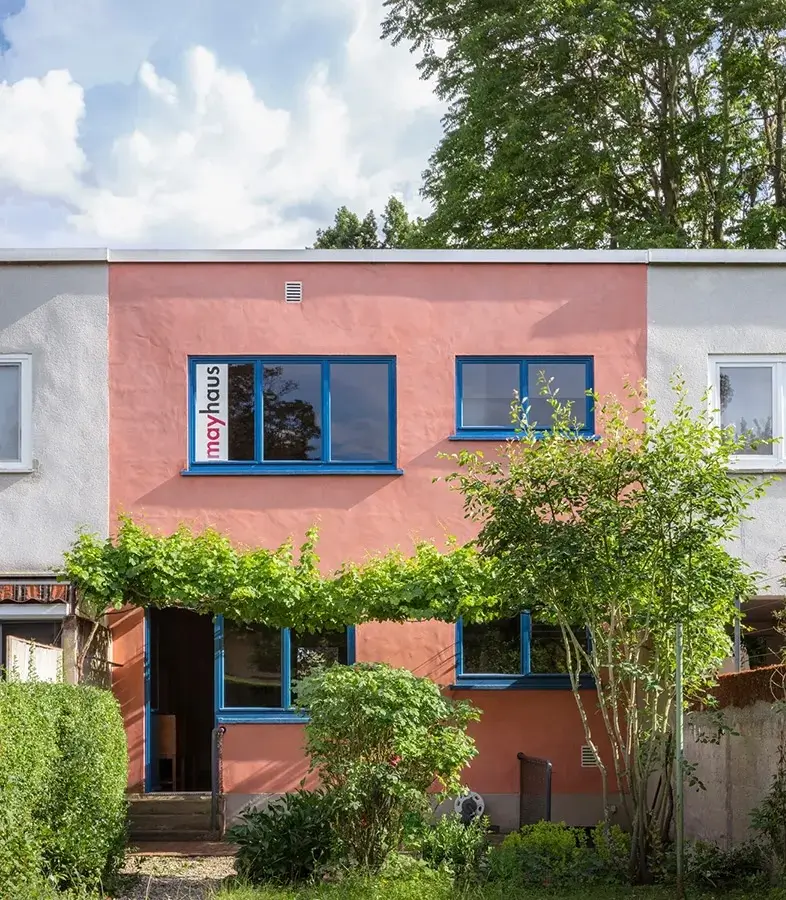
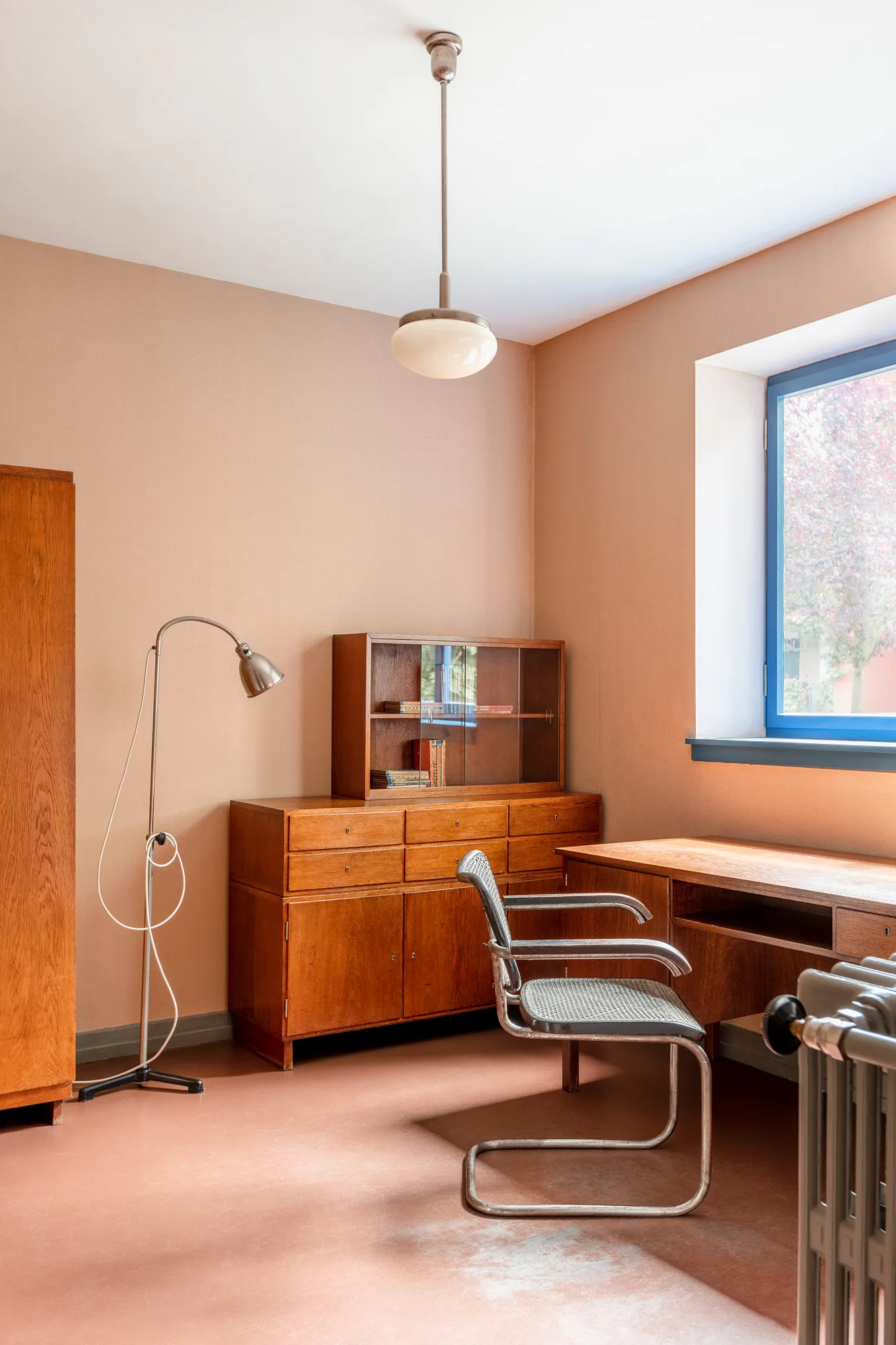
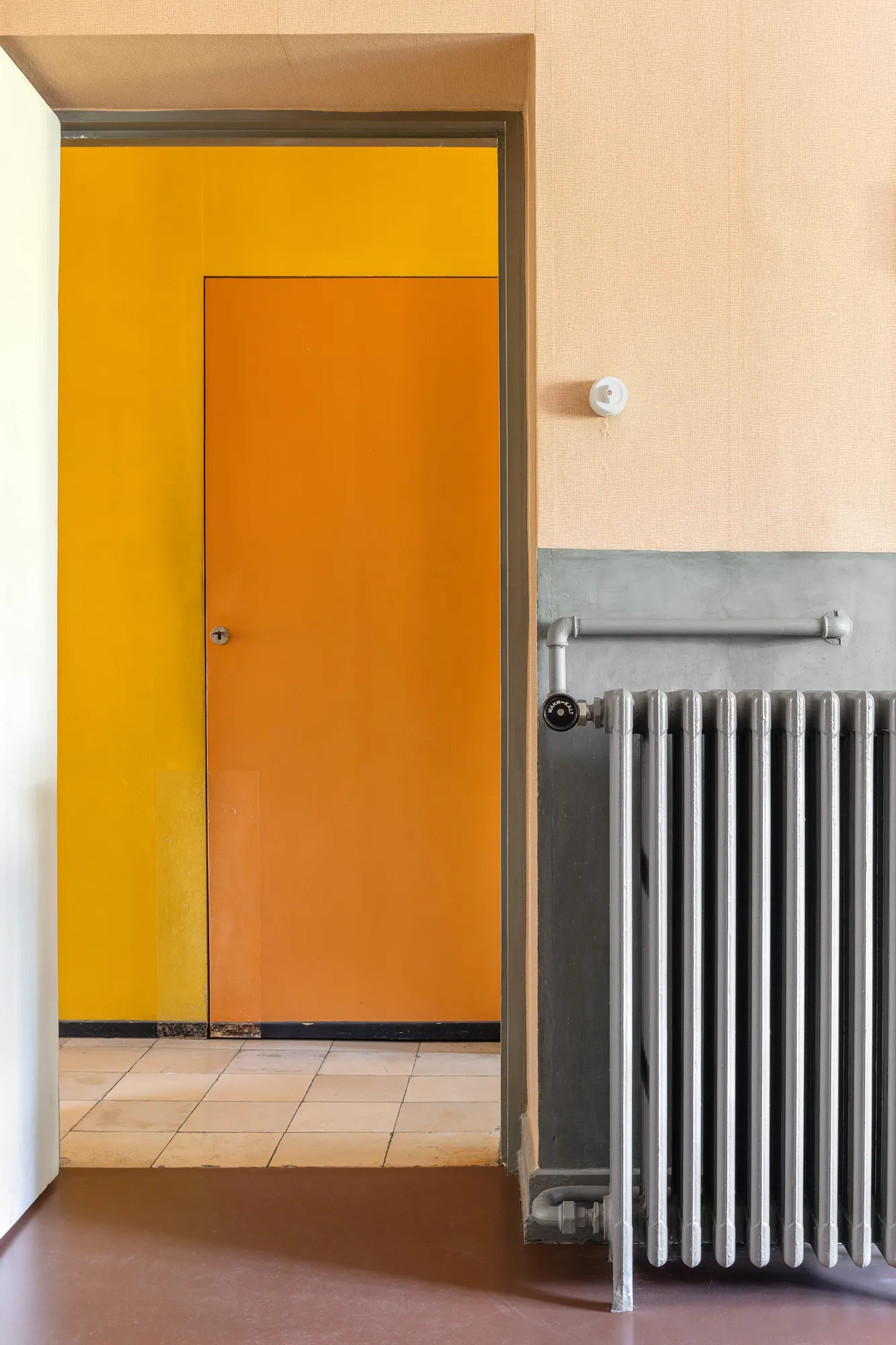
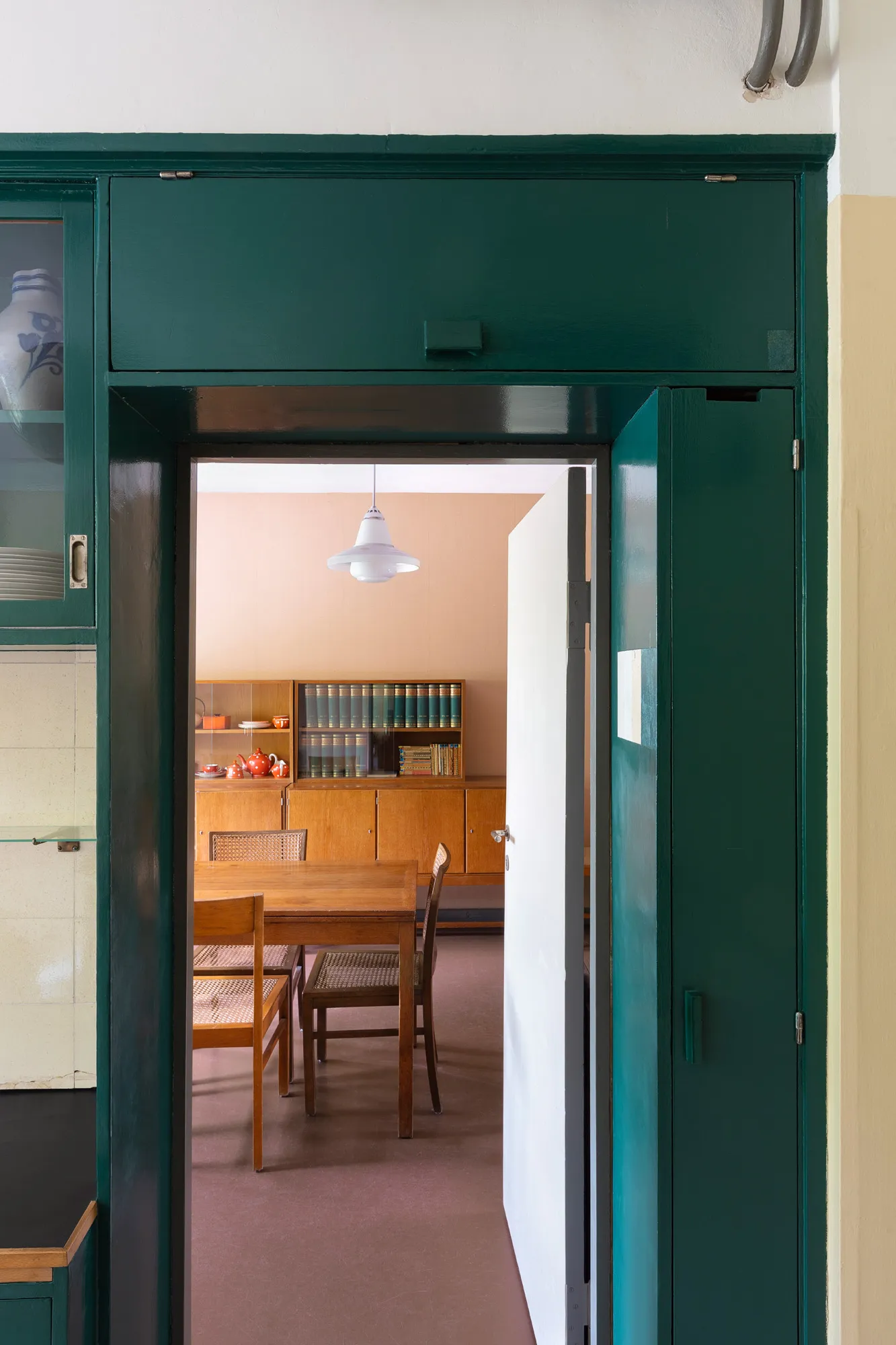
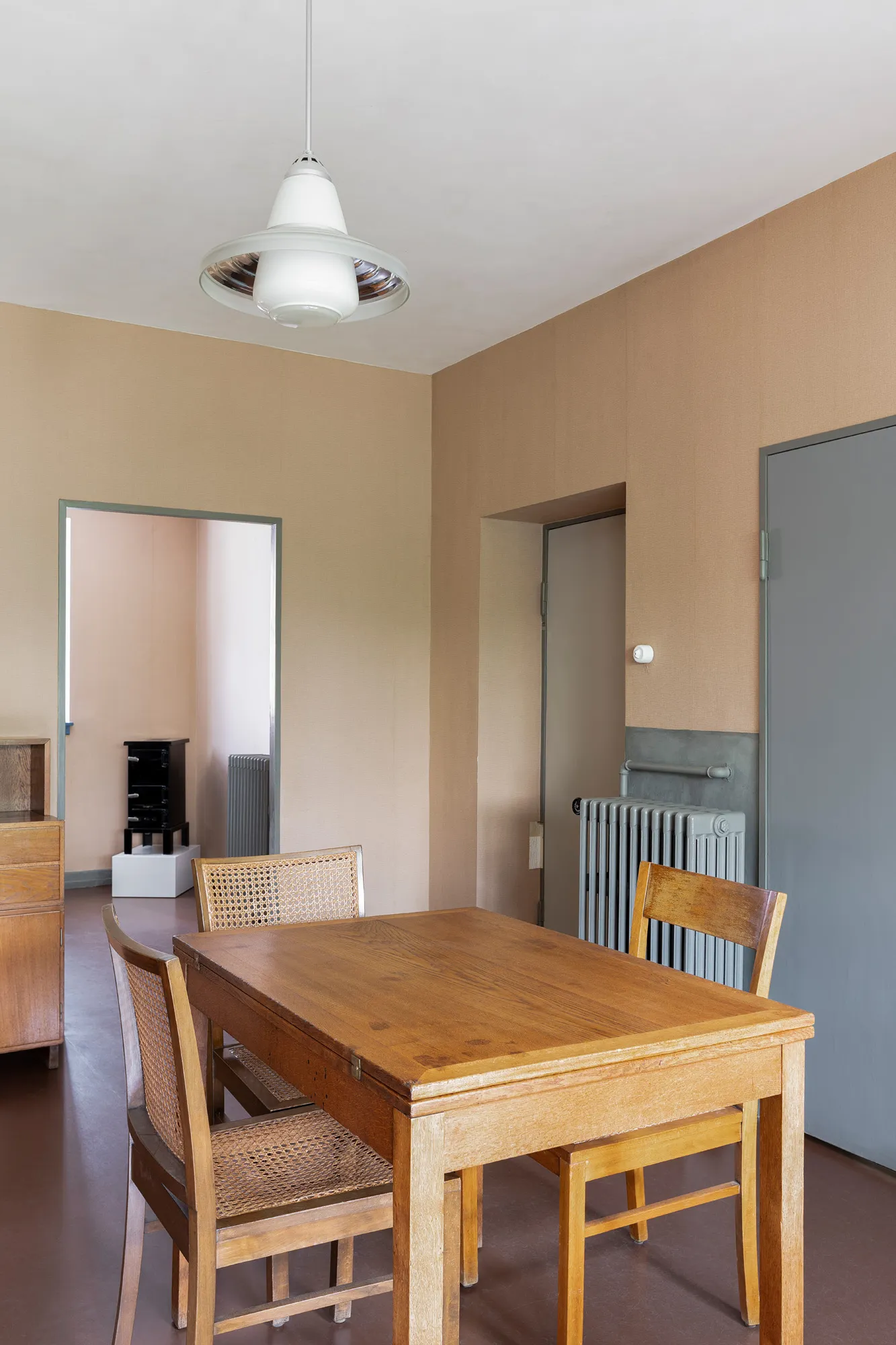
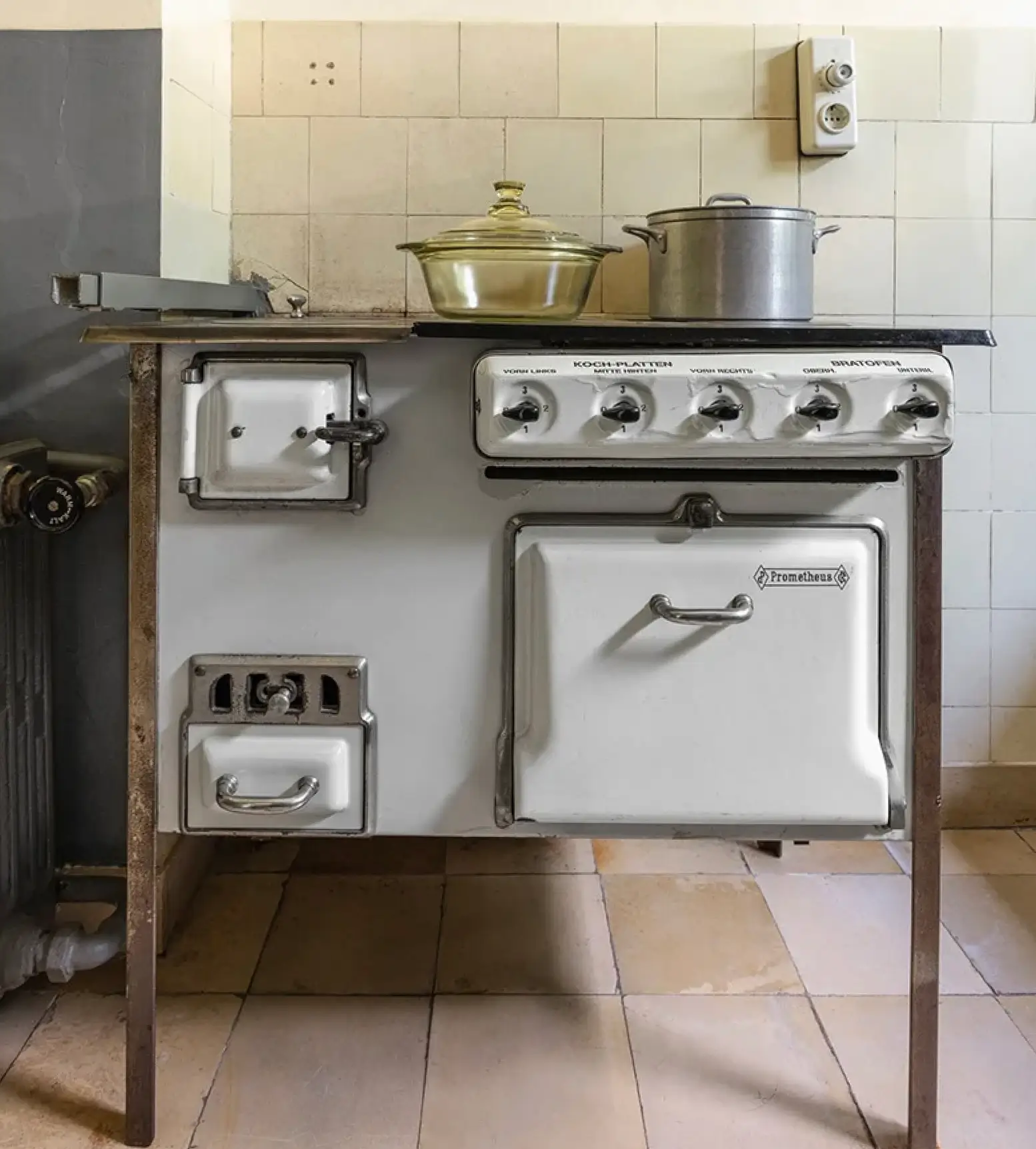
There are cities that grow outward, and there are cities that attempt, briefly and ambitiously, to rethink themselves from within. In the mid-1920s, Frankfurt chose the latter. What emerged was not just a housing programme, but a framework for living—one that still feels quietly subversive a century later. Known as Neues Frankfurt, the initiative sought to resolve a crisis of shortage, but in doing so, it proposed something far more enduring: that architecture could reorganize daily life with clarity, dignity, and intention.
Today, as Germany marks the centenary of this experiment, the appeal of Neues Frankfurt has not dimmed. If anything, it has sharpened—drawing a new generation of urban dwellers toward its rational forms, its embedded social thinking, and its refusal of excess.
retro
The aftermath of World War I left German cities grappling with severe housing shortages. Overcrowding, inflation, and political instability converged into a moment where reform was no longer optional—it was structural. Into this vacuum stepped Ernst May, appointed as city architect by Frankfurt’s progressive mayor Ludwig Landmann.
Together, they envisioned a coordinated, city-wide intervention: not isolated buildings, but entire neighborhoods designed from the ground up. Between 1925 and 1930, roughly 12,000 housing units were constructed, each embedded within a broader ecological and social logic. Streets were lined with trees. Schools, laundries, playgrounds, and cultural facilities were integrated into the urban fabric. Density was managed without sacrificing light or air.
This was not architecture as spectacle. It was architecture as infrastructure—quiet, repeatable, and profoundly humane.
fx
At first glance, the visual language of Neues Frankfurt appears restrained: flat roofs, white facades, horizontal windows, modular repetition. But this restraint was deliberate. Influenced by the broader currents of Modernism, May and his collaborators rejected ornament in favor of clarity.
Standardization became a tool—not of monotony, but of access. By developing repeatable building components and construction techniques, the programme dramatically reduced costs while maintaining quality. Apartments were modest but efficient, designed with an acute awareness of how space is actually used.
The result was a new domestic grammar. Rooms were not oversized; they were precise. Circulation was minimized. Light was maximized. Every square meter was accounted for.
This was design stripped of excess, but not of care.
rev
If Neues Frankfurt proposed a new way of living, the Frankfurt Kitchen defined how that life would unfold daily. Designed by Margarete Schütte-Lihotzky, the kitchen was a radical departure from the sprawling, multipurpose domestic spaces of the past.
Compact, efficient, and meticulously organized, it drew inspiration from industrial workflows and railway dining cars. Every utensil had its place. Every movement was considered. The design reduced unnecessary steps, conserving both time and labor—particularly for women, who were often the primary users of the space.
Constructed from affordable materials and produced at scale, the Frankfurt Kitchen became one of the first examples of what we now recognize as the modern fitted kitchen. Its influence is difficult to overstate. It is, in many ways, the blueprint for the kitchens we inhabit today.
Yet what lingers is not just its functionality, but its philosophy: that design could liberate time, not consume it.
commune
Neues Frankfurt was never only about individual apartments. Its ambition extended outward, into the spaces between buildings—the connective tissue of urban life.
Green belts encircled neighborhoods, providing both ecological balance and recreational space. Pathways prioritized pedestrians over vehicles. Public amenities were not afterthoughts; they were integral. Schools, kindergartens, and community centers were embedded within walking distance, fostering a sense of collective identity.
This approach positioned housing not as isolated units, but as part of a living system. Residents were not merely occupants; they were participants in a shared environment.
In this sense, Neues Frankfurt anticipated many of the principles that underpin contemporary discussions around sustainable urbanism. Mixed-use planning, walkability, access to green space—these were not future innovations, but foundational elements of a nearly century-old vision.
View this post on Instagram
show
What distinguishes Neues Frankfurt from many subsequent housing developments is its refusal to equate affordability with compromise. The architecture is modest, but it is not diminished. There is a quiet elegance in its proportions, a coherence in its repetition.
This aesthetic restraint has aged well. Unlike more decorative styles that can feel tethered to a specific era, the clarity of modernist design remains legible—almost contemporary. It resists nostalgia, even as it invites reflection.
In neighborhoods like Römerstadt or Praunheim, the buildings continue to function as intended. Many have been preserved or carefully renovated, maintaining their original character while accommodating modern needs. Residents still inhabit these spaces not as relics, but as homes.