SN Operator Brings the Cartridge Ritual to Steam Deck and PCs

December 30, 2025
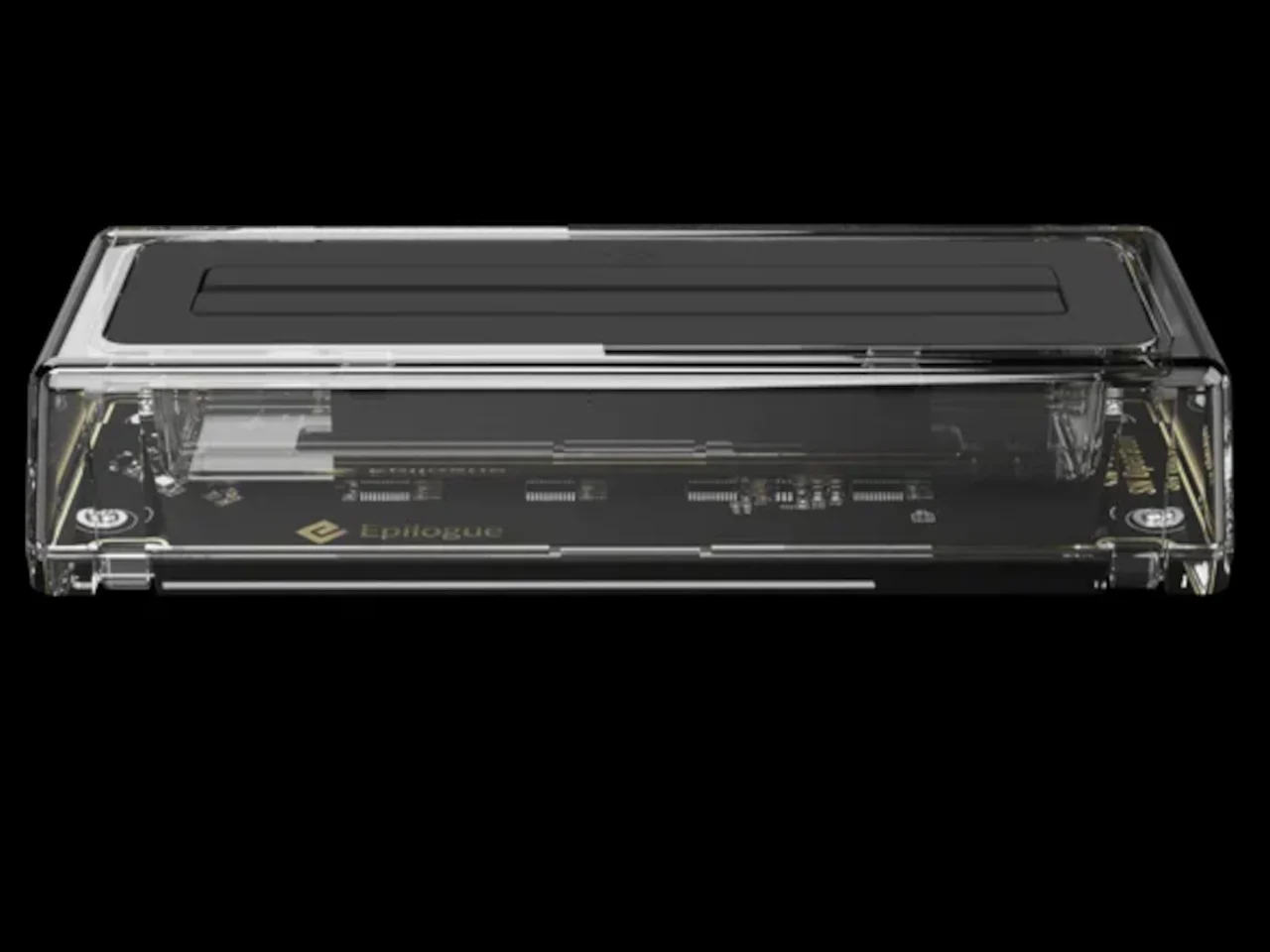
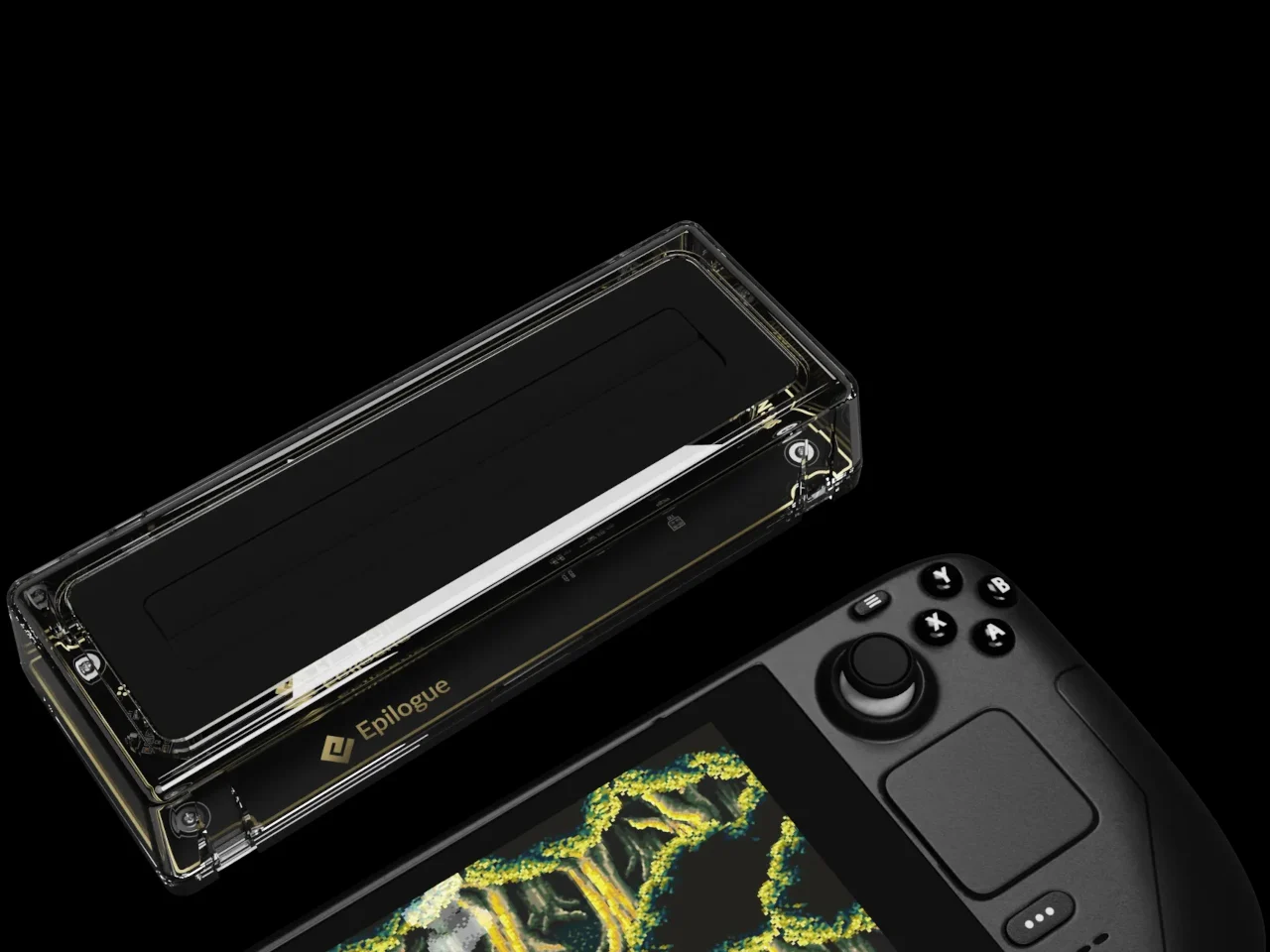
Retro gaming has long lived in a state of quiet contradiction. We celebrate the preservation of classic games through emulation, ROM libraries, and handheld PCs powerful enough to run entire console generations with ease—yet many of us still keep boxes of original cartridges tucked away in closets, drawers, or carefully labeled storage bins. These objects are too meaningful to throw out, but too inconvenient to use regularly. Over time, they become artifacts rather than instruments of play.
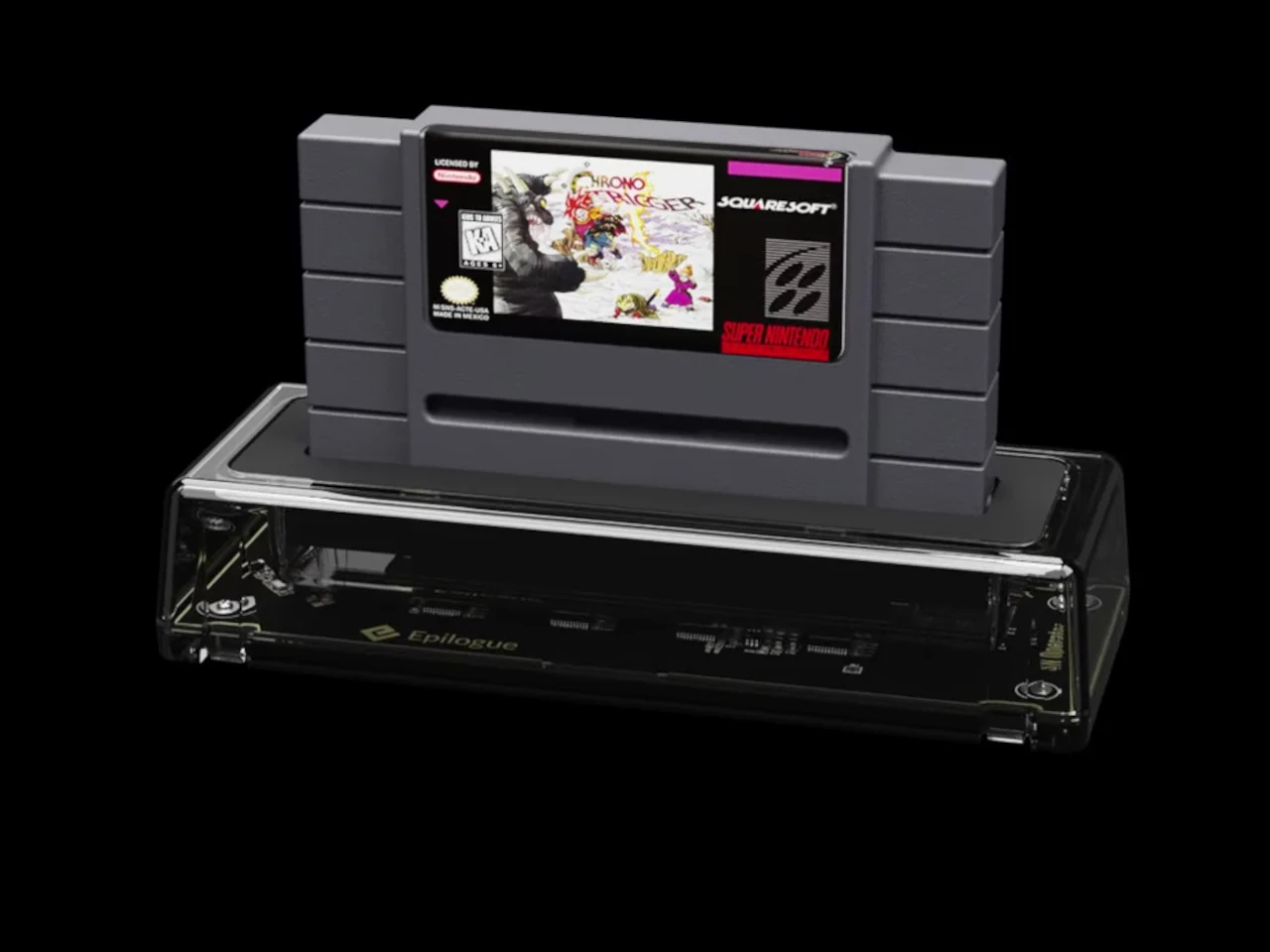
The Epilogue SN Operator exists to resolve that tension. It does not reject emulation, nor does it insist on rebuilding a 1990s living room around a CRT television and aging hardware. Instead, it reconnects physical Super Nintendo and Super Famicom cartridges to modern systems—PCs, laptops, and the Steam Deck—without stripping away the ritual that made those cartridges matter in the first place.
This is not a nostalgia machine. It is something quieter and more deliberate: a bridge.
retro
Modern retro gaming culture has largely split into two camps. On one side are emulators and ROMs—efficient, accessible, endlessly configurable. With a few clicks, players can access thousands of titles, upscale visuals, map controls, and create save states anywhere. For many, this is the only practical way to revisit older games.
On the other side are original consoles and cartridges. These represent authenticity in its most literal sense: original silicon, original controllers, original media. The experience is tactile and grounded, but it comes with compromises—aging capacitors, unreliable connectors, scarce replacement parts, and display technology that no longer integrates easily into contemporary homes.
Most players occupy the space between these extremes. They own cartridges they love, but reach for emulation because it fits modern life better. The friction of original hardware slowly pushes physical media into storage, even when the emotional attachment remains strong.
The SN Operator was designed for this in-between space.
what
At its core, the Epilogue SN Operator is a cartridge dock. It adds a physical Super Nintendo / Super Famicom cartridge slot to modern computers via USB-C. There are no video outputs, no controller ports, and no onboard display logic designed to replace a console. Instead, it functions as a direct interface between physical cartridges and software-based playback.
You plug the SN Operator into a Windows, macOS, or Linux machine—or a Steam Deck—insert a cartridge, and play the game through Epilogue’s Playback app or your emulator of choice. The computer handles rendering, controls, and display. The cartridge remains the source.
This distinction matters. The SN Operator does not pretend to be a self-contained console. It does not obscure what it is doing. It treats the cartridge as a living object rather than a file to be extracted and forgotten.
show
For many players, the act of inserting a cartridge is inseparable from the experience of playing the game. It is a ritual built from repetition: choosing a title, holding the cartridge, aligning it with the slot, and pressing it down until it seats correctly. That moment carries anticipation, memory, and a sense of commitment.
Emulation removed that ritual entirely. Games became interchangeable data, accessed through menus and file names. While this democratized access and preserved countless titles, it also flattened the experience. The physical connection—the reminder that this game existed as an object—was lost.
The SN Operator restores that connection without demanding the rest of the old setup. You still choose a specific cartridge. You still insert it. You still know exactly which version of the game you are playing, because it is sitting in front of you.
This is not about resisting progress. It is about preserving meaning.
phil
The SN Operator’s transparent enclosure is not merely an aesthetic flourish. It communicates intent. You can see the cartridge seated inside. You can see the internal circuitry. Nothing is hidden behind branding or unnecessary ornamentation.
This transparency reinforces the idea that the device is a tool, not a replacement console. It does not try to replicate the visual language of the SNES, nor does it present itself as a premium nostalgia object. Instead, it adopts a neutral, almost academic design language—functional, legible, and honest.
In a market crowded with retro-inspired hardware that leans heavily on emotional cues, the SN Operator’s restraint feels intentional. It lets the cartridge carry the nostalgia. The hardware stays out of the way.
flow
Epilogue’s Playback app provides a streamlined way to interact with the SN Operator. It recognizes the inserted cartridge and enables gameplay through emulation, with modern features such as save states, controller mapping, and display options.
Crucially, the SN Operator is not locked to Playback. Users can integrate it with other emulators, choosing the software environment that best fits their preferences for accuracy, latency, or visual filtering. This openness respects the reality of retro gaming communities, where software choice is deeply personal and often hotly debated.
By avoiding a closed ecosystem, the SN Operator positions itself as infrastructure rather than destination. It enables play rather than dictating how that play must happen.
steam
While the SN Operator works with desktop and laptop PCs, its compatibility with the Steam Deck feels especially significant. Valve’s handheld has become a central platform for modern retro gaming, offering portability, power, and flexibility in a single device.
Paired with the SN Operator, the Steam Deck becomes something new: a handheld system that plays original SNES cartridges without copying or downloading ROMs. The cartridge itself travels with you. The game is not abstracted into storage—it remains a physical object that must be present to play.
This recontextualizes the cartridge entirely. A format once confined to living room furniture and wired controllers becomes mobile, without losing its identity. It is a quiet reimagining of what physical media can be in a modern context.
copy
The SN Operator implicitly reframes emulation. Instead of positioning it as a substitute for original hardware, it treats emulation as a translation layer—a way to interpret physical media on modern systems.
This is an important conceptual shift. The cartridge remains central. The software exists to make it usable today, not to replace it entirely. Emulation becomes a means of access rather than a philosophical stance.
By doing so, the SN Operator sidesteps many of the debates that dominate retro gaming discussions. It does not argue about purity or legality. It simply allows people to use what they already own in a way that fits their lives now.
fwd
It is worth acknowledging what the SN Operator does not do. It does not reproduce the exact electrical behavior of original SNES hardware. It does not output native analog signals or replicate CRT-specific quirks. Players who demand cycle-accurate timing and original display technology will still prefer original consoles or FPGA-based solutions.
But the SN Operator is not competing in that space. It is aimed at players who value physical media but accept modern displays, modern controllers, and modern workflows. It prioritizes accessibility and continuity over technical absolutism.
In that sense, it reflects how most people actually play games today.
extent
Beyond gaming, the SN Operator aligns with a broader cultural trend toward hybrid experiences. Vinyl records come with download codes. Blu-rays coexist with streaming libraries. Physical books are paired with e-readers. The goal is no longer to choose between physical and digital, but to allow them to reinforce each other.
The SN Operator treats cartridges the same way. They are no longer locked to obsolete hardware, nor are they reduced to files. They become keys—objects that unlock experiences across platforms and contexts.
This approach gives physical media a future instead of a shelf life.
fin
What makes the Epilogue SN Operator compelling is not complexity, but clarity. It does one thing, and it does it thoughtfully. It does not attempt to recreate the past wholesale, nor does it abandon it. It acknowledges that modern players live in modern spaces, and that reverence for the past does not require inconvenience.
By bringing the cartridge ritual to Steam Deck and PCs, the SN Operator preserves something that emulation alone cannot: the relationship between player and object. It reminds us that games were once things you held, not just things you downloaded—and that this distinction still matters.
Sometimes, preservation does not require grand gestures. Sometimes, it just needs a slot, a cable, and a reason to take a cartridge back off the shelf.