“Spaceballs 2” — The Sci-Fi Sequel Nobody Asked For, But Everyone Secretly Wants

June 14, 2025
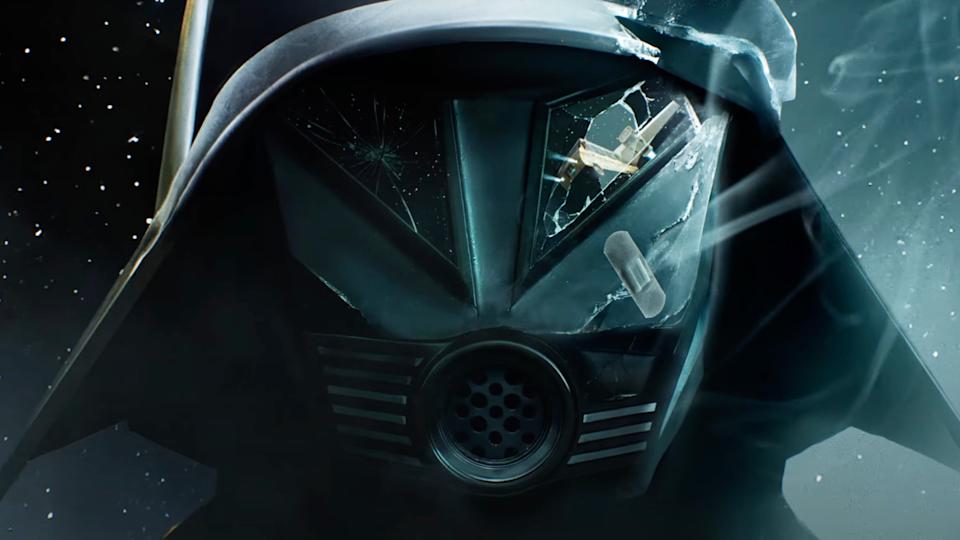
In an era dominated by cinematic universes, relentless franchise extensions, and recycled intellectual property, the announcement of a sequel to a 1987 parody might sound like just another studio playing catch-up. But this time, the movie in question isn’t just any throwback — it’s Spaceballs, Mel Brooks’s legendary sci-fi spoof. Now, 40 years after its release, Amazon MGM Studios is breathing new life into the satirical universe with Spaceballs 2. And although few were clamoring for it, the cultural climate may be more than ready.
This sequel is not simply the result of nostalgia or branding opportunity; it’s a calculated return to a kind of humor that’s been largely missing from today’s sci-fi landscape. The original Spaceballs was not just a parody of Star Wars, Alien, and Star Trek, but a loving, unfiltered commentary on the overblown aesthetics and tropes of late-20th century science fiction. In a cultural moment where sci-fi has become increasingly self-serious or trapped in serialized formats, Spaceballs 2 promises a long-overdue release — not just as a film, but as a cultural pressure valve.
The Return of a Parody Legend
Mel Brooks is returning for this sequel at the age of 98. That alone gives the project a sense of occasion, of event. Brooks, who created some of the most iconic comedies in film history (Blazing Saddles, Young Frankenstein, The Producers), has long joked about making a sequel called Spaceballs 2: The Search for More Money. In 2025, that running gag has finally materialized into reality — although the final title has yet to be confirmed.
Brooks isn’t coming back alone. Original cast members Bill Pullman (Lone Starr), Daphne Zuniga (Princess Vespa), and, in an even bigger surprise, Rick Moranis (Dark Helmet) are set to reprise their roles. Moranis’s return to live-action film is especially notable — he’s largely stepped away from Hollywood in the past two decades, only making select appearances.
New talent is also being introduced to bridge the generational gap. Josh Gad is not only starring but also co-writing the screenplay alongside Dan Hernandez and Benji Samit (Pokémon Detective Pikachu). Keke Palmer and Lewis Pullman (son of Bill Pullman) are joining the cast, with speculation that Lewis could be playing the son of Lone Starr and Princess Vespa. These additions suggest that Spaceballs 2 won’t merely be a nostalgic rerun, but a generational torch-passing, much like Star Wars: The Force Awakens, albeit with much more winking irreverence.
A Movie That Knows It’s a Sequel
The biggest appeal of Spaceballs 2 may be its self-awareness. If the first film poked fun at George Lucas’s universe, the sequel appears ready to satirize the industry itself: bloated cinematic universes, soulless prequels, endless reboots, and the commodification of everything into merchandise.
In the teaser announcement, Brooks leans into this with classic delivery: “After 40 years, we asked, ‘What do the fans want?’ But instead, we’re making this movie.” It’s a line that sums up the film’s approach — irreverent, mocking, and entirely in on the joke. The official description of the film calls it a “Non-Prequel Non-Reboot Sequel Part Two but with Reboot Elements Franchise Expansion Film.” It’s an exhausting title on purpose, meant to lampoon the confusing genre-labeling and extended titles that plague today’s movie posters.
Expect jokes not just about lightsabers and spaceballs, but about Netflix algorithms, streaming wars, corporate mergers, and the paradox of “cinematic universes.” If the original was a lighthearted jab at the sci-fi genre, the sequel has an opportunity to satirize the entire modern filmmaking industry.
Mel Brooks, Satire, and the Legacy of
Spaceballs
Why does this matter? Because Brooks’s comedies are uniquely positioned between high-concept satire and lowbrow gags. Spaceballs wasn’t just a parody — it was a parody with heart. It introduced concepts like merchandising-as-plot-device years before it became industry norm. It made fun of Hollywood capitalism while also embracing its trappings. Yogurt’s line — “Merchandising! Merchandising! Where the real money from the movie is made!” — has only grown more relevant over time.
Brooks’s genius has always been his ability to use farce to get at uncomfortable truths. Blazing Saddles tackled racism; The Producers took on fascism and Broadway excess; Spaceballs ridiculed the sci-fi genre’s self-seriousness. At its core, Brooks’s comedy is deeply humanist. Even in the most ridiculous moments, it’s rooted in character, empathy, and sheer creative energy.
Returning to Spaceballs isn’t just an exercise in nostalgia. It’s a reminder that satire still has a place in genre storytelling. In an age where sci-fi films often take themselves too seriously — sometimes with convoluted plotlines and grim futurism — a sequel that says “we know this is all ridiculous, and we love it anyway” could be exactly the dose of comic relief audiences need.
From MGM to Amazon: The Business of Revival
The sequel is being developed by Amazon MGM Studios, a division created when Amazon acquired MGM in 2022. The acquisition gave Amazon a wealth of classic IP — including Spaceballs. By reviving the property, Amazon demonstrates its intent to not only own legacy titles but to refresh them for modern audiences.
It’s a strategic move. Amazon has made clear that it wants to play in the same field as Disney and Netflix, especially in genre storytelling. With series like The Boys, Fallout, and The Rings of Power, Amazon is already investing heavily in speculative fiction. Adding Spaceballs 2 to that slate injects a note of comic unpredictability into an otherwise high-stakes portfolio.
It also reveals a shrewd understanding of pop culture. While Star Wars remains a dominant force, there’s a growing subset of fans who are skeptical about the direction of the franchise. The idea of a movie that makes fun of the genre without dismantling it, that reveres the source while also mocking its excesses, might be the most honest form of fandom left.
What the Sequel Needs to Get Right
Of course, reviving a cult classic comes with risks. Comedy tastes have shifted. What was subversive in 1987 might now feel dated — or worse, offensive. The challenge for the new creative team is to balance the legacy of Brooks’s slapstick satire with modern comedic sensibilities.
The inclusion of diverse new talent like Palmer and Gad is promising. Gad has a long history of affectionate genre parodies, and his participation suggests an insider-outsider tone that’s crucial to Spaceballs’ appeal.
The film must also avoid the temptation to go too meta. While some self-referential humor is inevitable — and welcome — the best parodies still function as stories in their own right. Spaceballs wasn’t just a series of gags; it had arcs, however silly. Lone Starr, Vespa, and Barf were absurd, but they had motivations. For Spaceballs 2 to succeed, it needs to do more than laugh at its own existence — it needs to earn it.
Fan Reception and the Cult of the Unwanted Sequel
Since its announcement, Spaceballs 2 has sparked equal parts excitement and skepticism. Some fans worry it’s too late; others believe it’s exactly the right time. Internet forums are already flooded with meme mockups, fake posters, and fan-casted roles. The buzz isn’t about whether it should exist — it’s about whether it can live up to its own mythology.
This is the paradox of legacy sequels. No one truly “asked” for them, but once they exist, we all become emotionally invested. That’s why Brooks’s original gag — “the search for more money” — rings so true. We mock franchises even as we follow them. We criticize Hollywood’s lack of originality, but still show up for opening weekend.
If anything, Spaceballs 2 is the most honest of sequels. It doesn’t pretend to be a labor of necessity or the result of artistic inevitability. It’s a joke that took 40 years to finish — and now it’s time for the punchline.
A Movie That Laughs at Itself — and With Us
Amazon’s decision to make Spaceballs 2 is not about filling a cinematic void or following audience demand. It’s about recognizing that the sci-fi genre — and Hollywood at large — has taken itself far too seriously for far too long. The film, by its very premise, reminds us that parody is essential, that laughter still has a place even among lightsabers, laser beams, and lore.
More than that, it promises a rare kind of joy: the joy of something unexpected but deeply familiar. Of characters we once loved returning in ridiculous form. Of jokes that know they’re jokes. Of a sequel that’s both a tribute and a takedown.
Forty years later, Spaceballs 2 may not be the sci-fi epic we deserve — but it just might be the one we need.